 flip
flipAcademy Coffee (18th-Century Style Coffee)
Academy Coffee (18th-Century Style Coffee)
Why this dish? Coffee in the 18th century was the fuel of academies and scholarly correspondence. Euler, prodigiously productive (over 800 memoirs) and a great letter-writer between Basel, Berlin, and St. Petersburg, fully belongs to this world of studies where a steaming cup accompanied calculation.
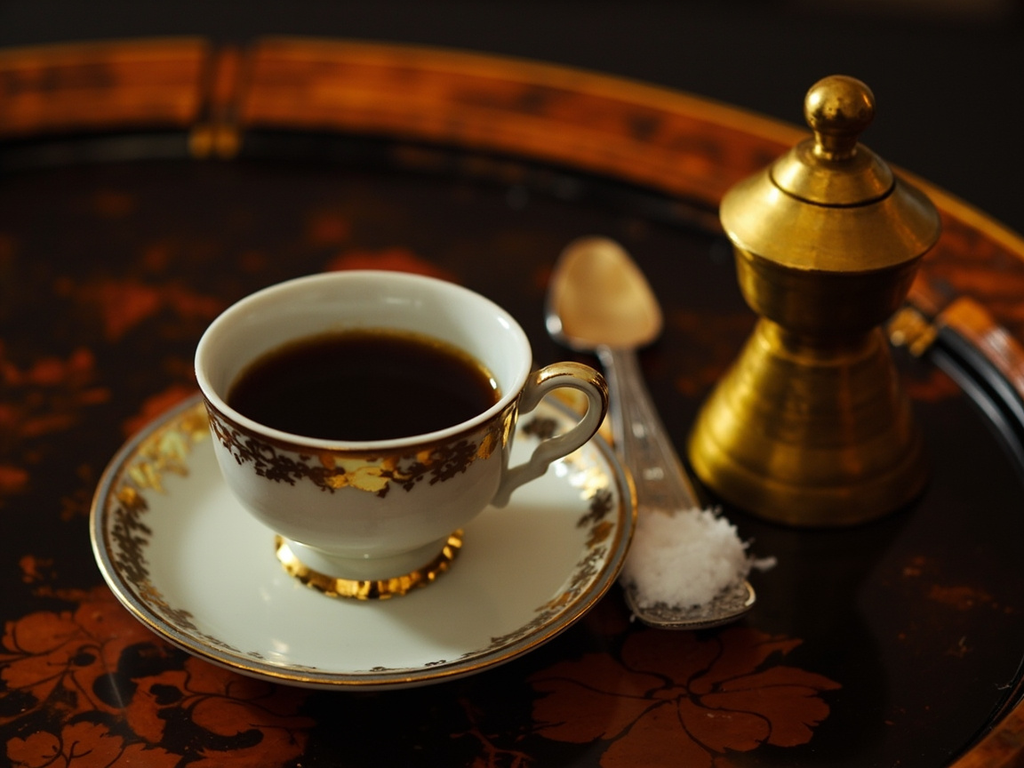
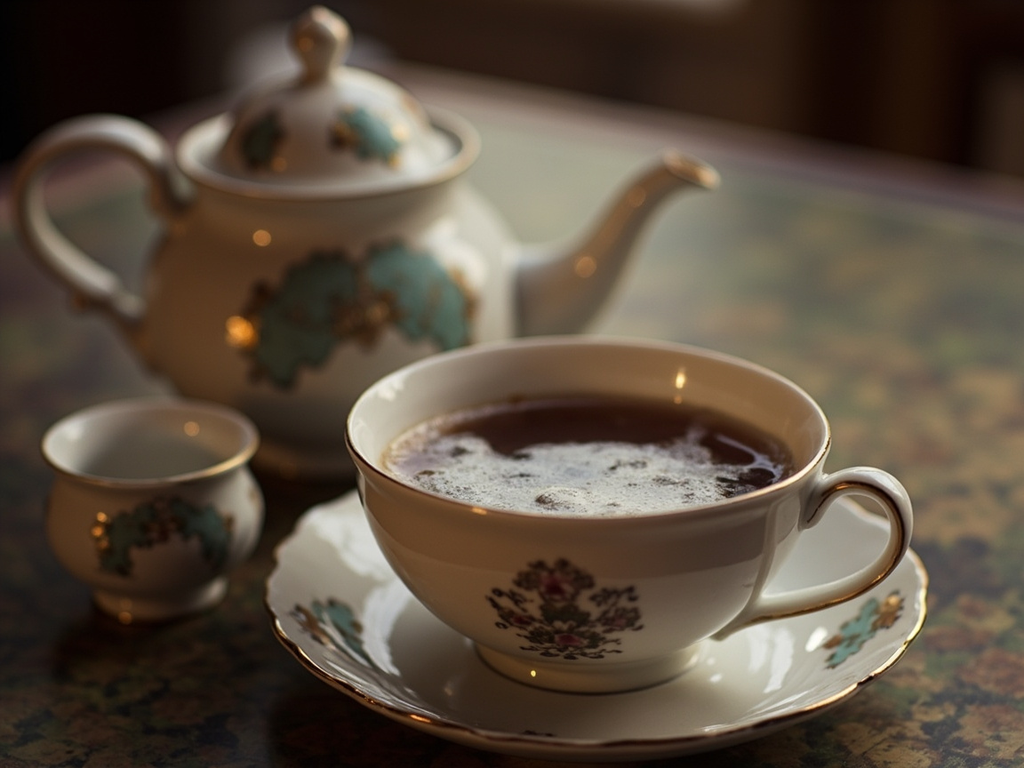
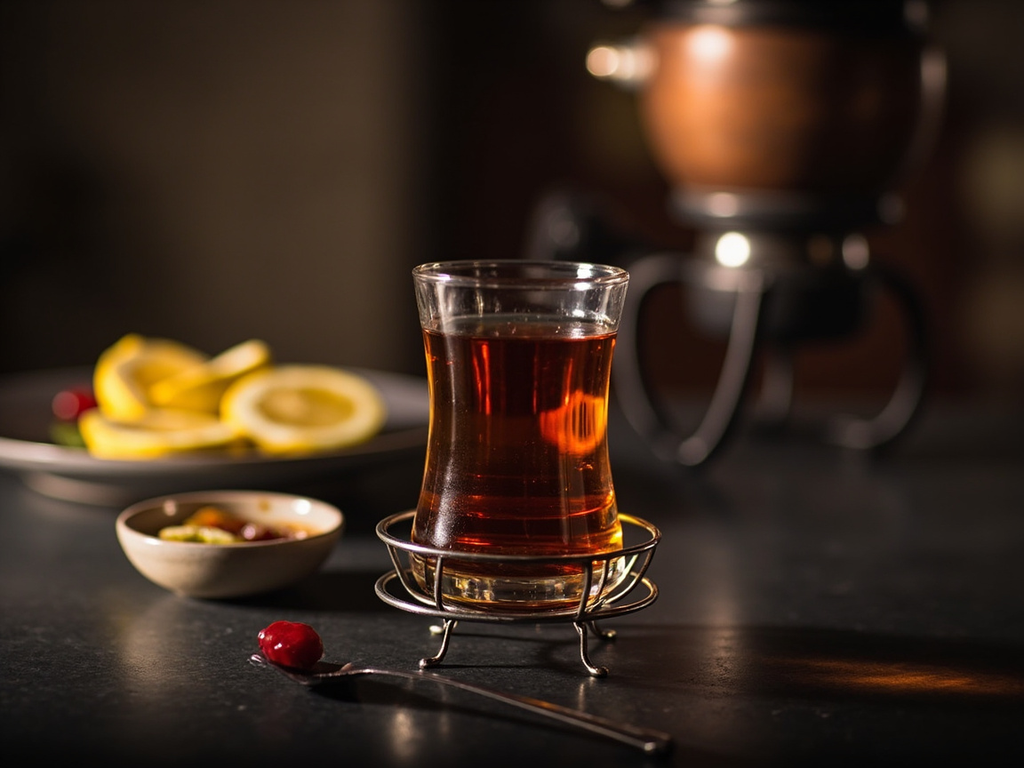
Coffee prepared the old way: coarse grounds boiled in water then left to settle, served black and strong — the drink that kept scholars awake over their equations.
They call me prolific; I will confide one of my secrets, which has nothing mathematical. When night advanced and the numbers blurred — especially after my right eye left me — a good cup of black coffee restored me to my work. One simply boiled the grounds in water, then waited for the dregs to settle at the bottom of the pot before pouring gently. Bitter, yes, but with a frank bitterness that awakens the mind better than any sermon. Drink it scalding, and may Providence guide your pen.
- •Coffee beans, freshly roasted — a good tablespoon per cup (base of the drink)
- •Spring water — according to number of cups (infusion)
- •Cane sugar or honey — to discretion (sweeten bitterness (optional))
Academy Coffee (18th-Century Style Coffee)
Coffee prepared the old way: coarse grounds boiled in water then left to settle, served black and strong — the drink that kept scholars awake over their equations.
Why this dish? Coffee in the 18th century was the fuel of academies and scholarly correspondence. Euler, prodigiously productive (over 800 memoirs) and a great letter-writer between Basel, Berlin, and St. Petersburg, fully belongs to this world of studies where a steaming cup accompanied calculation.
They call me prolific; I will confide one of my secrets, which has nothing mathematical. When night advanced and the numbers blurred — especially after my right eye left me — a good cup of black coffee restored me to my work. One simply boiled the grounds in water, then waited for the dregs to settle at the bottom of the pot before pouring gently. Bitter, yes, but with a frank bitterness that awakens the mind better than any sermon. Drink it scalding, and may Providence guide your pen.
Ingredients (period version)
- Coffee beans, freshly roasted — a good tablespoon per cup (base of the drink)
- Spring water — according to number of cups (infusion)
- Cane sugar or honey — to discretion (sweeten bitterness (optional))
Ingredients
- Coarsely ground coffee — 1 tbsp per cup (~10 g) (base)
- Water — 150 ml per cup (infusion)
- Sugar — to taste (optional)
Method
- Bring the water almost to a boil in a saucepan or pot.
- Add the ground coffee to the simmering water and let it simmer for 3 to 4 minutes, stirring once.
- Remove from heat and let rest for 2 minutes: the grounds settle to the bottom.
- Pour slowly into cups, retaining the grounds, or strain.
- Sweeten if desired and serve very hot.
How it was made : Before paper filters (20th century), coffee was drunk boiled "Turkish style" or decanted. Coffee houses and salons in Northern Europe were central intellectual exchange venues in the Age of Enlightenment.
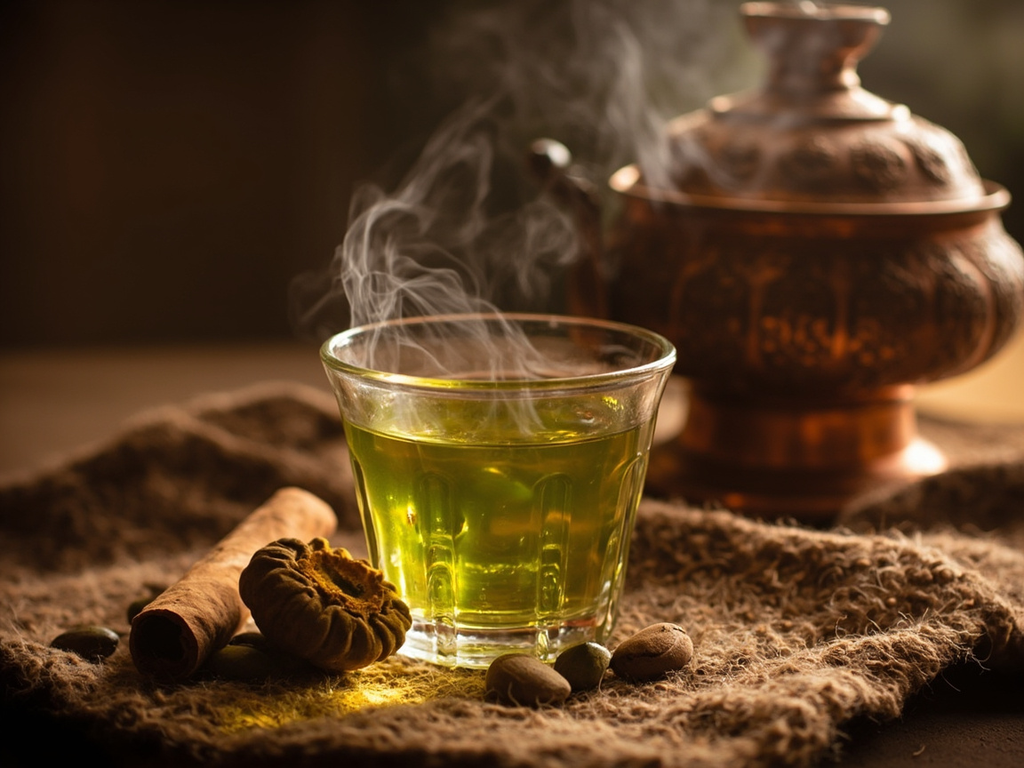
The contemporary twist : A pinch of cardamom in the grounds, a nod to the coffee trade routes of Euler's century.
Leonhard Euler · Charactorium