 flip
flipCafecito Cubano (Strong Sweetened Coffee)
Cafecito Cubano (Strong Sweetened Coffee)
Why this dish? Her file says it: strong coffee accompanied her long hours of work. Bent over the notebooks of *El Monte*, collecting the words of her informants, Cabrera drank this black, sweet Cuban coffee that rhythms all island life, from early morning to the last evening visitor.
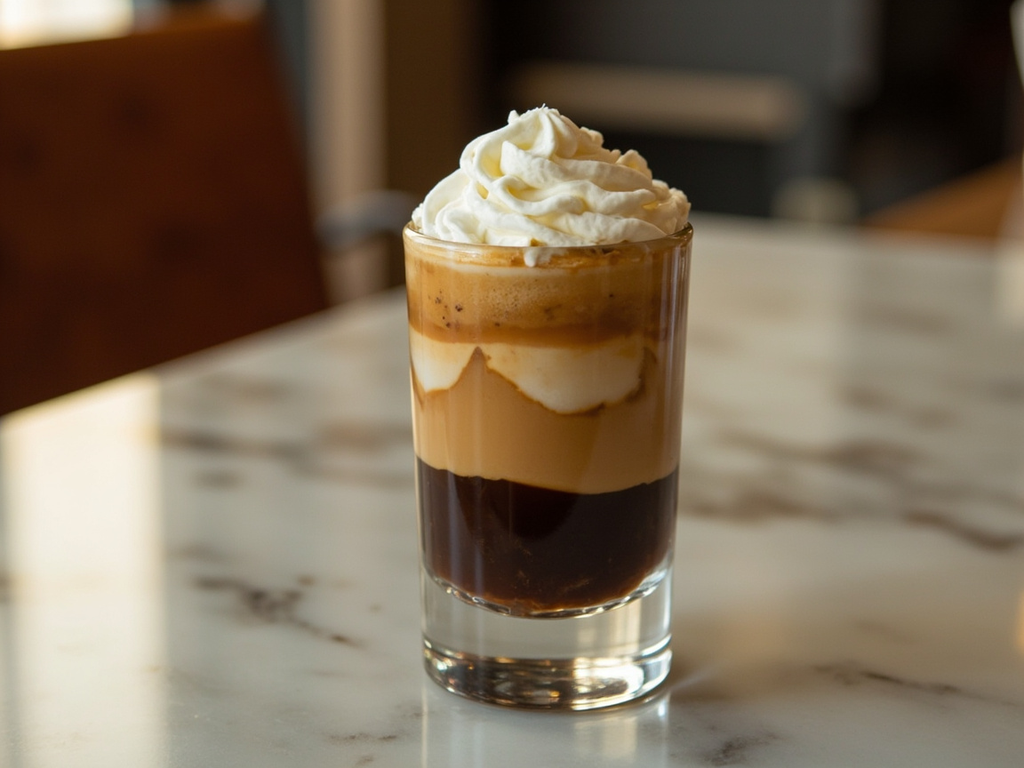
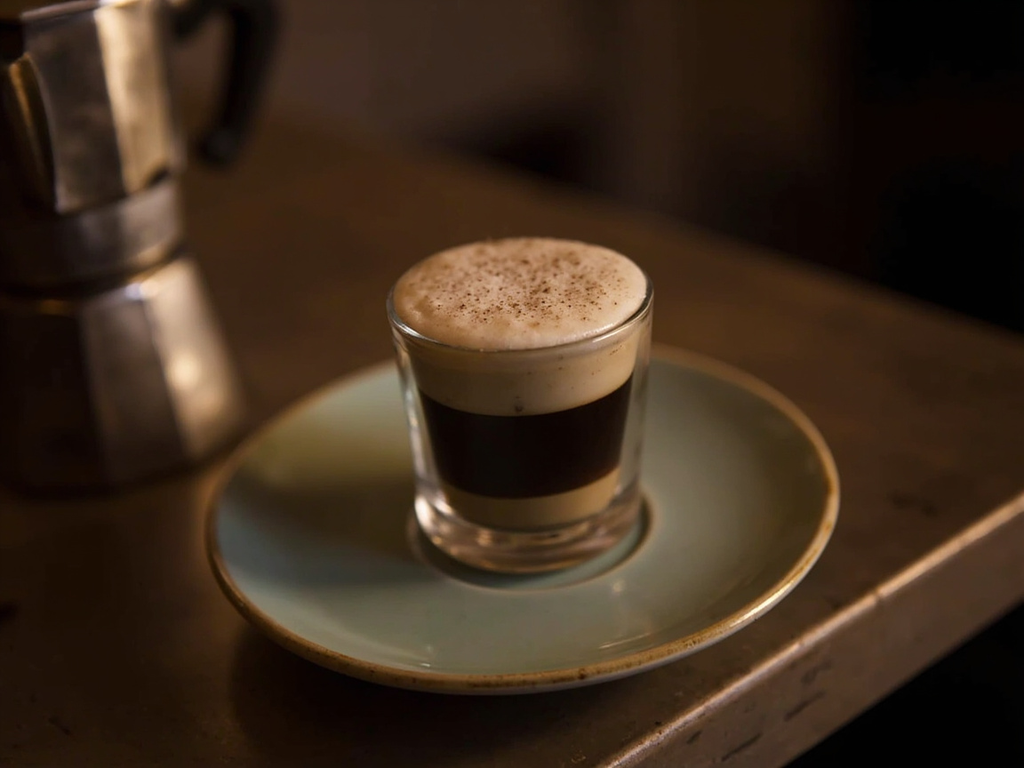
A very strong coffee, espresso-style, topped with a froth of whipped sugar (*la espumita*) that softens the bitterness and crowns it with a light veil. Small, intense, sweet: drunk in one gulp.
You never refuse a *cafecito*, never—it would be an insult to the house. Mine, I wanted it black and strong, just sweet enough so that the bitterness still bit beneath the sweetness. The secret, which every Cuban woman knows, is the *espumita*: you whip the first drops of coffee with the sugar until you get a pale cream, then pour the rest over it. How many nights did I spend like that, my steaming cup beside the notebooks, transcribing what the old ones confided to me about *El Monte*, while all Havana slept.
- •Very finely ground dark roast coffee — for one pot (base)
- •Cane sugar — generously (sweetness and *espumita*)
- •Water — according to the pot (extraction)
Cafecito Cubano (Strong Sweetened Coffee)
A very strong coffee, espresso-style, topped with a froth of whipped sugar (*la espumita*) that softens the bitterness and crowns it with a light veil. Small, intense, sweet: drunk in one gulp.
Why this dish? Her file says it: strong coffee accompanied her long hours of work. Bent over the notebooks of *El Monte*, collecting the words of her informants, Cabrera drank this black, sweet Cuban coffee that rhythms all island life, from early morning to the last evening visitor.
You never refuse a *cafecito*, never—it would be an insult to the house. Mine, I wanted it black and strong, just sweet enough so that the bitterness still bit beneath the sweetness. The secret, which every Cuban woman knows, is the *espumita*: you whip the first drops of coffee with the sugar until you get a pale cream, then pour the rest over it. How many nights did I spend like that, my steaming cup beside the notebooks, transcribing what the old ones confided to me about *El Monte*, while all Havana slept.
Ingredients (period version)
- Very finely ground dark roast coffee — for one pot (base)
- Cane sugar — generously (sweetness and *espumita*)
- Water — according to the pot (extraction)
Ingredients
- Finely ground espresso coffee (dark roast) — for 4 small cups (base)
- Blond cane sugar — 3 to 4 tsp (*espumita* and sweetness)
- Water — according to the moka pot (extraction)
Method
- Fill the reservoir of a moka pot (*greca*) and lightly tamp the coffee in the filter.
- Put the sugar in a small cup or pitcher.
- Start heating; as soon as the very first, very dark drops appear, pour a spoonful of them over the sugar.
- Vigorously whisk the sugar and first drops until a pale, frothy cream forms: the *espumita*.
- Let all the coffee brew, then gently pour it into the pitcher over the *espumita*, stirring: the foam rises to the surface.
- Serve immediately in small cups, to be drunk in one gulp.
How it was made : Cuba was a great coffee land from the 18th century onward (coffee plantations in the eastern mountains, now a UNESCO site). Coffee is drunk short and very sweet; hand-whipped *espumita* is a domestic gesture predating steam wands, passed down from kitchen to kitchen.
The contemporary twist : For a group, make a *colada*: a large sweetened coffee served in a cup with a stack of tiny cups (*tacitas*), which everyone shares standing—the coffee becomes an excuse for conversation.
Lydia Cabrera · Charactorium