 flip
flipQuimbombó with Pork (Inspired by Offerings to Changó)
Quimbombó with Pork (Inspired by Offerings to Changó)
Why this dish? In *El Monte*, Cabrera recorded the foods that tradition associates with the *orishas*: *quimbombó* (okra) is among the dishes linked to Changó, the god of thunder. Okra, a plant from Africa, is the vegetal thread between the two shores that she spent her life connecting. This recipe is presented as a culinary homage, freely inspired—not as a reproduction of a sacred ritual.
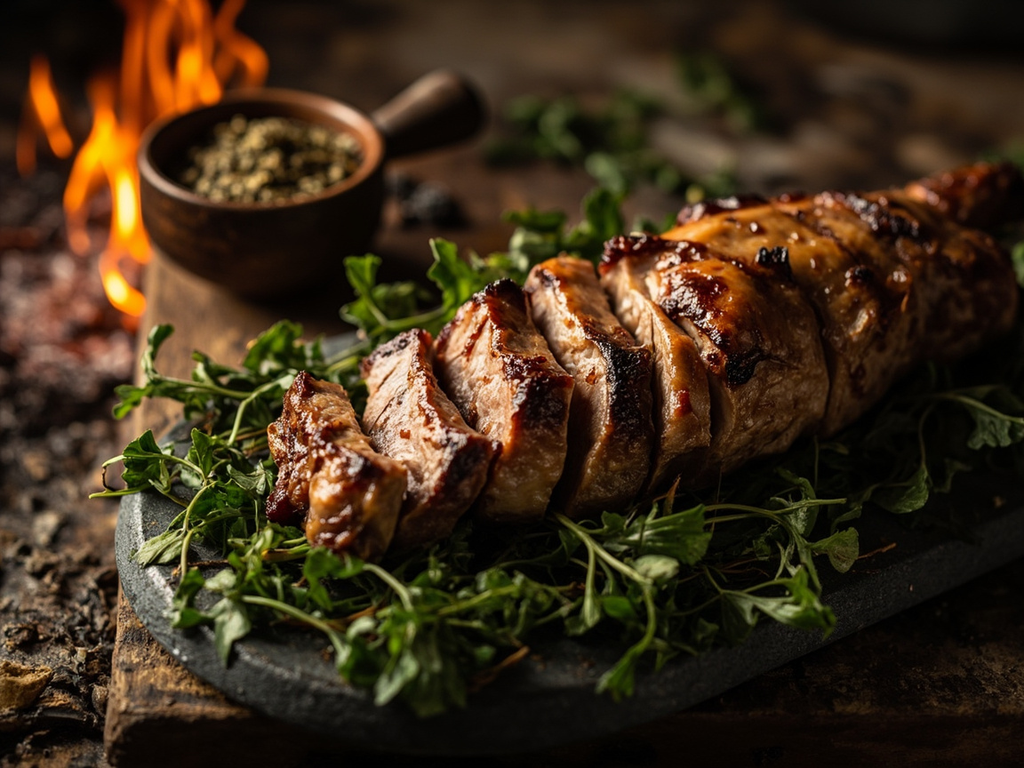
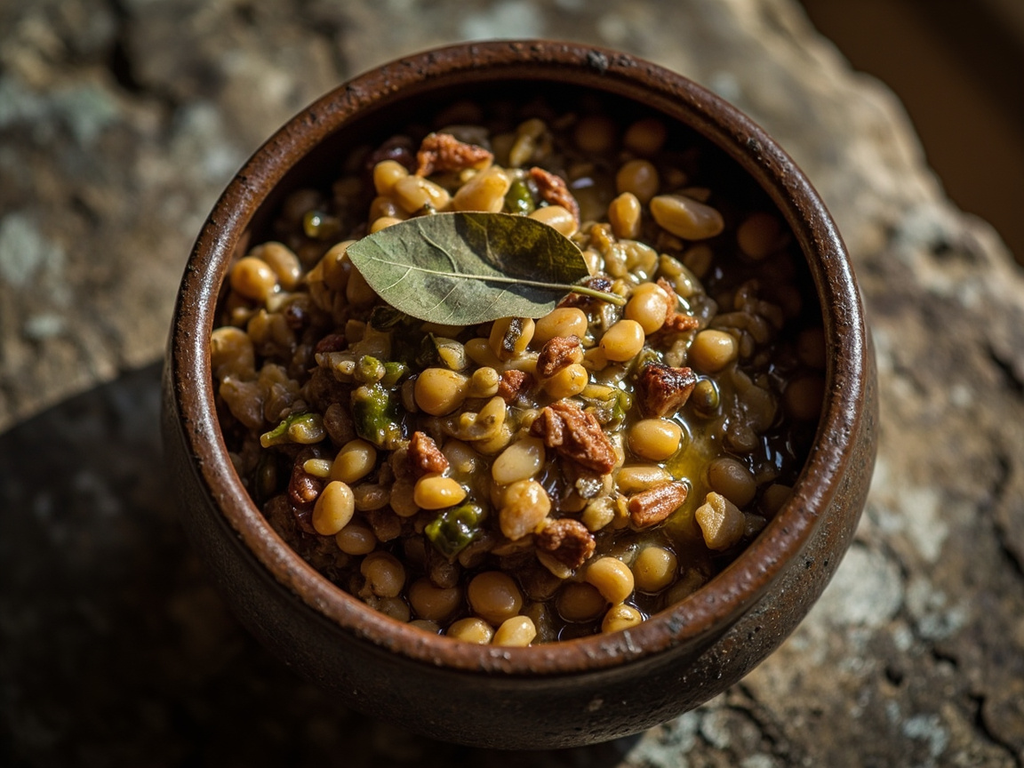
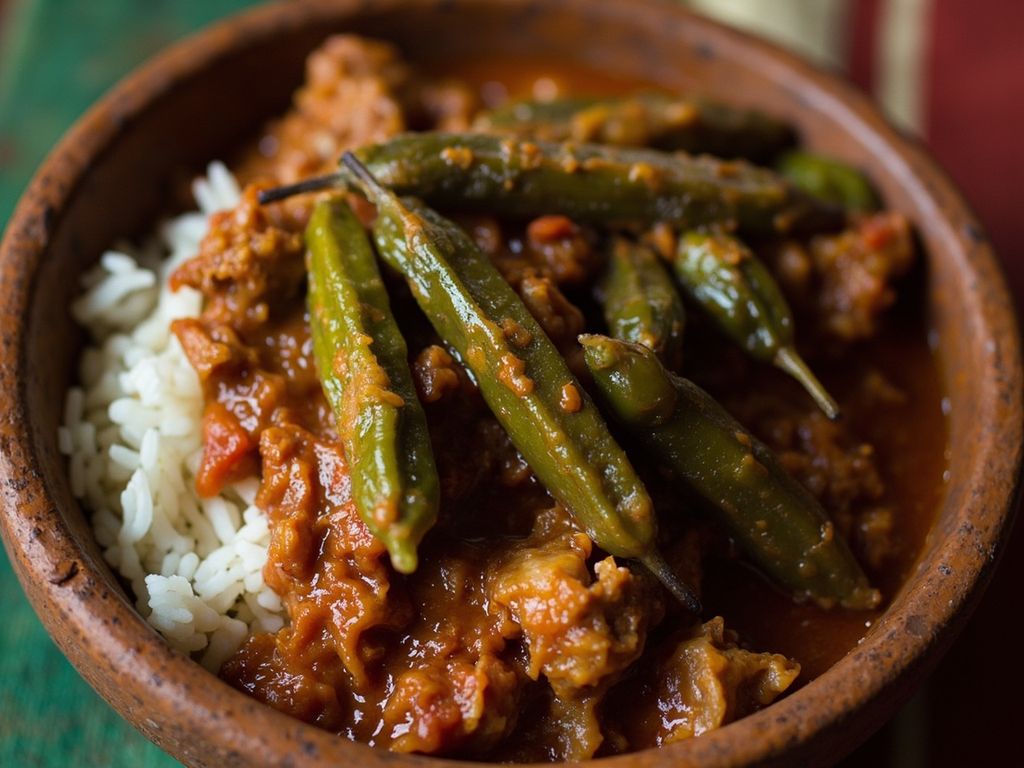
A stew of okra and pork bound by *sofrito*, where the okra gives a slightly silky thickness that coats white rice. Mild, green, deeply comforting.
*Quimbombó*, you see, is not just any vegetable in Afro-Cuban memory: it is held dear to Changó, the master of thunder, and my informants never prepared it lightly. I give you here the table version, the one eaten with family: you melt the pork in the *sofrito*, add the cut okra, and stir with restraint to keep that silky binder that is its very nature. Serve it on white rice, piping hot. And know that behind this humble dish lies an entire ocean crossed.
- •Fresh *quimbombó* (okra) — a bowlful (signature vegetable, binder)
- •Pork in pieces — a good chunk (meat)
- •Onion, garlic, bell pepper, tomato — as needed (*sofrito*)
- •Lime or sour orange juice — a dash (to cut the mucilage)
- •White rice — for serving (accompaniment)
- •Lard, salt — as needed (cooking, seasoning)
Quimbombó with Pork (Inspired by Offerings to Changó)
A stew of okra and pork bound by *sofrito*, where the okra gives a slightly silky thickness that coats white rice. Mild, green, deeply comforting.
Why this dish? In *El Monte*, Cabrera recorded the foods that tradition associates with the *orishas*: *quimbombó* (okra) is among the dishes linked to Changó, the god of thunder. Okra, a plant from Africa, is the vegetal thread between the two shores that she spent her life connecting. This recipe is presented as a culinary homage, freely inspired—not as a reproduction of a sacred ritual.
*Quimbombó*, you see, is not just any vegetable in Afro-Cuban memory: it is held dear to Changó, the master of thunder, and my informants never prepared it lightly. I give you here the table version, the one eaten with family: you melt the pork in the *sofrito*, add the cut okra, and stir with restraint to keep that silky binder that is its very nature. Serve it on white rice, piping hot. And know that behind this humble dish lies an entire ocean crossed.
Ingredients (period version)
- Fresh *quimbombó* (okra) — a bowlful (signature vegetable, binder)
- Pork in pieces — a good chunk (meat)
- Onion, garlic, bell pepper, tomato — as needed (*sofrito*)
- Lime or sour orange juice — a dash (to cut the mucilage)
- White rice — for serving (accompaniment)
- Lard, salt — as needed (cooking, seasoning)
Ingredients
- Fresh okra — 400 g (signature vegetable, binder)
- Pork shoulder, diced — 400 g (meat)
- Onion — 1 (*sofrito*)
- Garlic — 3 cloves (*sofrito*)
- Green bell pepper — 1 (*sofrito*)
- Tomato — 2 ripe (or 1 can crushed) (*sofrito*)
- Lime juice — 1 tbsp (reduce sliminess)
- Olive oil, salt, cumin — to taste (cooking)
- Cooked white rice — for serving (accompaniment)
Method
- Wash the okra, dry them (keeping them dry limits mucilage), and cut into rounds; sprinkle with lime juice.
- In a Dutch oven, sear the pork cubes in oil, then set aside.
- Make the *sofrito*: onion, garlic, bell pepper, then tomato and cumin.
- Return the pork, add a little water, cover, and simmer for 40 minutes until tender.
- Add the okra, cook uncovered for 12–15 minutes, stirring little, until tender and the sauce is thickened.
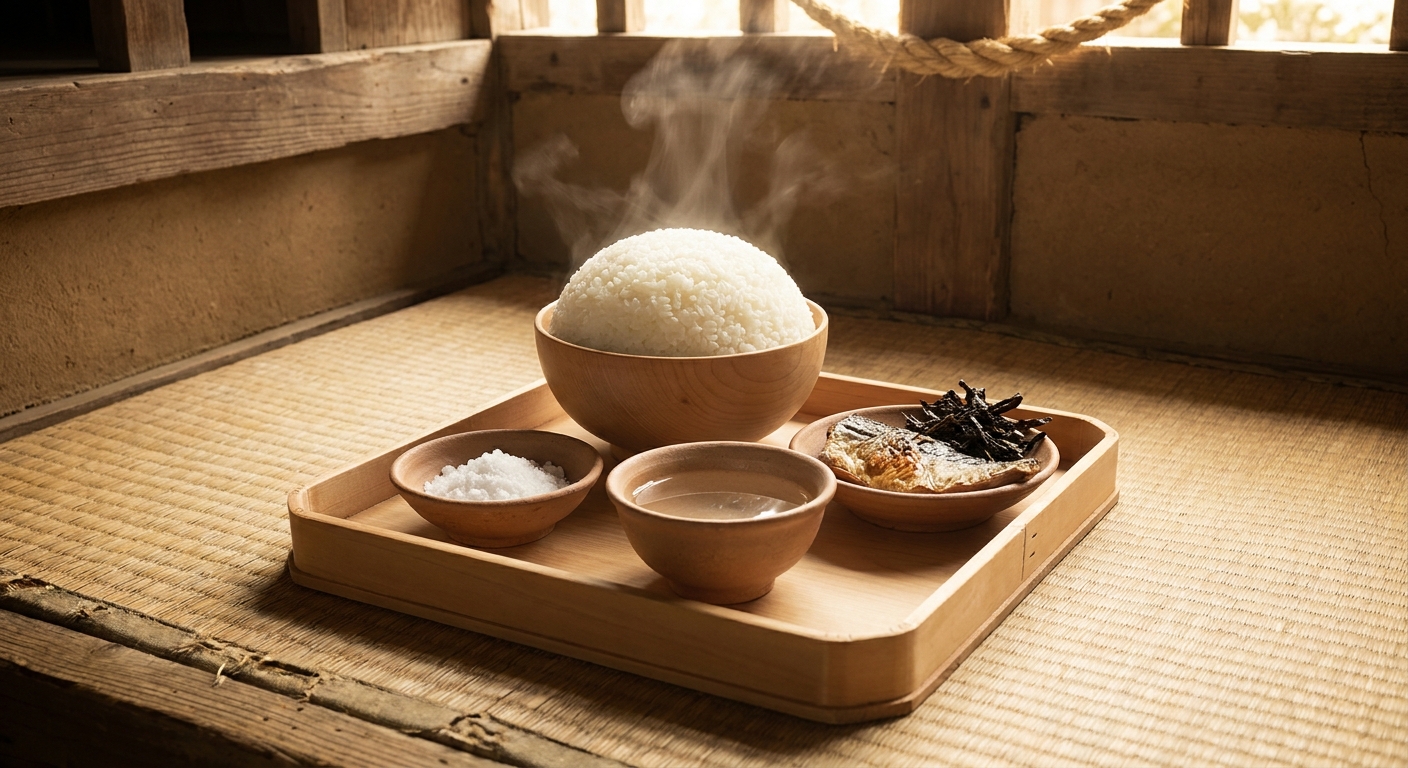
- Adjust salt and serve over hot white rice.
How it was made : Brought by the slave trade from West Africa, okra took root throughout the Caribbean. In the Santería studied by Cabrera, certain foods 'belong' to a specific *orisha*; presenting them is a matter of ritually transmitted oral knowledge. The domestic version, however, circulates freely in Creole kitchens.
The contemporary twist : A pinch of smoked chili and a few okra rounds dry-roasted as garnish, placed on the rice, for textural contrast.
Lydia Cabrera · Charactorium