 flip
flipSekanjabin (Mint Oxymel)
Sekanjabin (Mint Oxymel)
Why this dish? Oxymel — a syrup of vinegar and honey, the "sekanjabin" of Arab physicians — was a classic of the pharmacopoeia that every 12th-century practitioner, including Maimonides, prescribed to cool, quench febrile thirst, and aid digestion. In the heat of Cairo, it was as much a remedy as a pleasure.
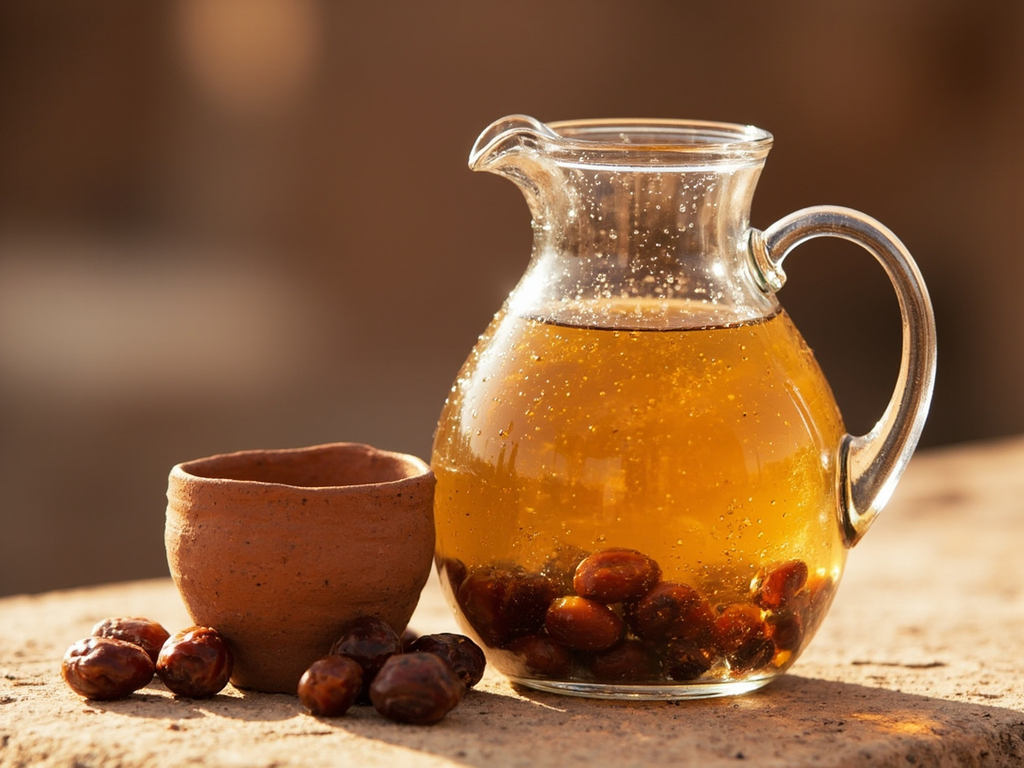
A dark syrup of honey and vinegar, infused with mint, diluted with cold water to make a tangy, refreshing drink. Invigorating and surprisingly modern.
Under the sun of Fustat, when thirst burns and the stomach grows heavy, there is nothing like sekanjabin. Boil the honey with the vinegar until it thickens, throw in fresh mint, then dilute with clear water when drinking. Physicians before me prescribed it, and I never ceased to recommend it: it cools the heated humor and restores appetite. Drink it cool, in small sips, and give thanks.
- •Honey — a good part (sweetness, syrup base)
- •Wine vinegar — a lesser part (acidity)
- •Fresh mint — a fine bunch (aroma)
- •Water — to dilute (final drink)
Sekanjabin (Mint Oxymel)
A dark syrup of honey and vinegar, infused with mint, diluted with cold water to make a tangy, refreshing drink. Invigorating and surprisingly modern.
Why this dish? Oxymel — a syrup of vinegar and honey, the "sekanjabin" of Arab physicians — was a classic of the pharmacopoeia that every 12th-century practitioner, including Maimonides, prescribed to cool, quench febrile thirst, and aid digestion. In the heat of Cairo, it was as much a remedy as a pleasure.
Under the sun of Fustat, when thirst burns and the stomach grows heavy, there is nothing like sekanjabin. Boil the honey with the vinegar until it thickens, throw in fresh mint, then dilute with clear water when drinking. Physicians before me prescribed it, and I never ceased to recommend it: it cools the heated humor and restores appetite. Drink it cool, in small sips, and give thanks.
Ingredients (period version)
- Honey — a good part (sweetness, syrup base)
- Wine vinegar — a lesser part (acidity)
- Fresh mint — a fine bunch (aroma)
- Water — to dilute (final drink)
Ingredients
- Honey — 250 g (about 180 ml) (sweetness, syrup base)
- White wine vinegar — 120 ml (acidity)
- Water — 120 ml (for the syrup) (syrup dilution)
- Fresh mint — 1 large bunch (+ a few leaves for serving) (aroma)
- Cold water — to taste when serving (final drink)
Method
- In a saucepan, combine the honey, water, and vinegar; bring to a gentle boil.
- Let reduce for 10–15 minutes until slightly thickened.
- Remove from heat, plunge the mint bunch into the hot syrup, and let infuse until cool.
- Remove the mint, pour the syrup into a clean bottle (keeps for several weeks in the fridge).
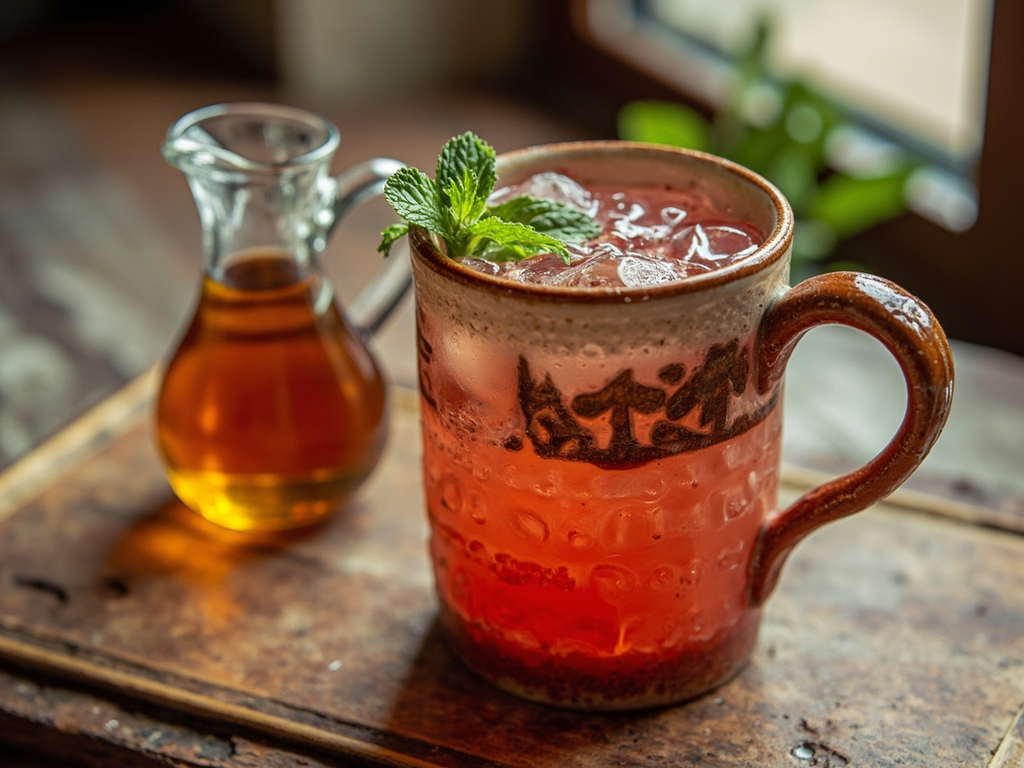
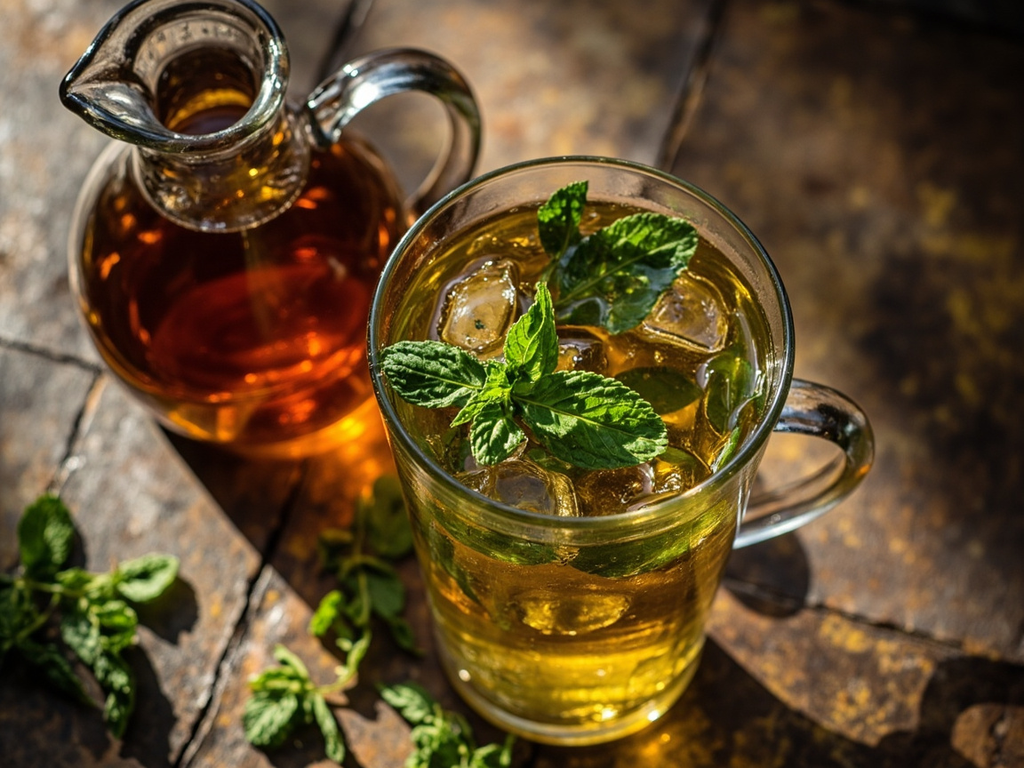
- To serve: 2–3 tablespoons of syrup in a tall glass of cold water, with a mint leaf and, in summer, some ice.
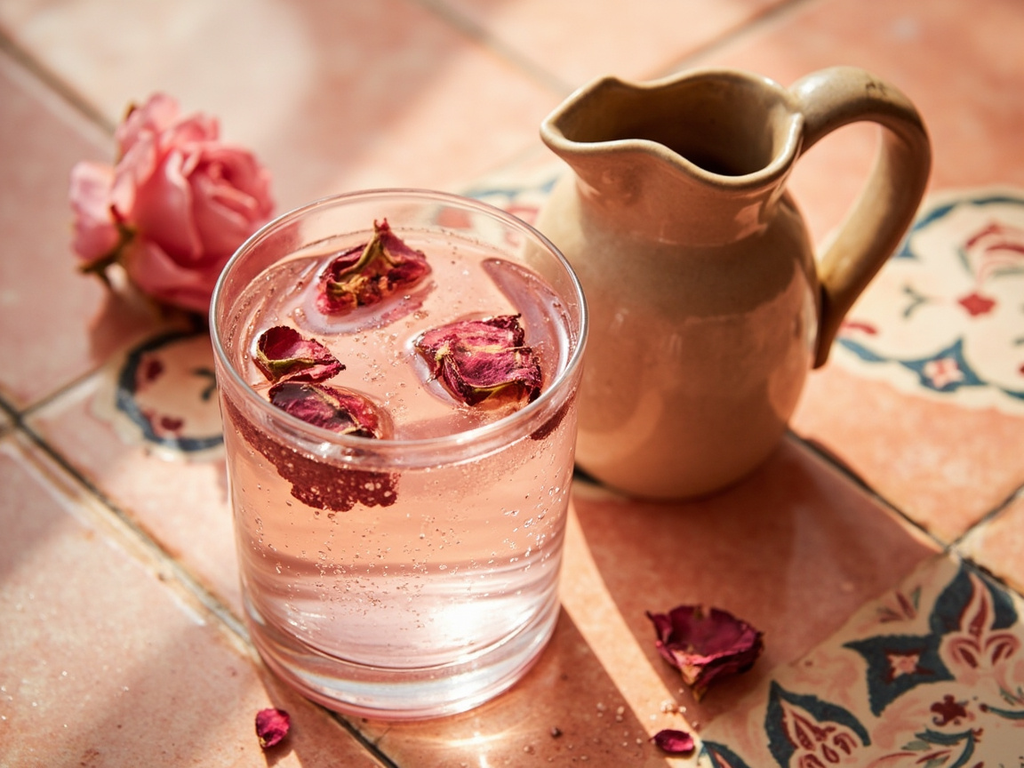
How it was made : Sekanjabin (from Arabic, itself from Persian *sirka-angubīn*, "vinegar-honey") was found throughout the medieval Islamic world. Variations included rose, quince, and cucumber. The concentrated syrup, blending the sweetness of honey and the acidity of vinegar, kept without spoiling and was reconstituted on demand — precious in great heat, before any refrigeration.
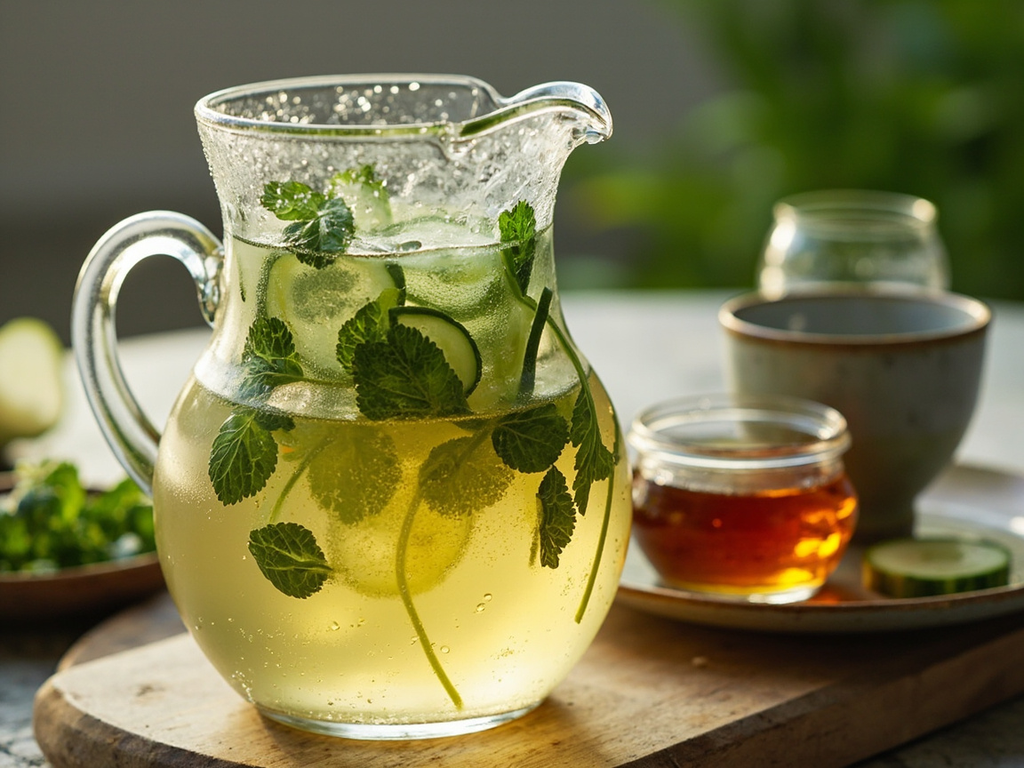
The contemporary twist : Serve as a non-alcoholic spritz: sekanjabin syrup, sparkling water, and thin cucumber ribbons — a very Instagrammable medieval lemonade.
Sources : Medieval Arab medical traditions of oxymel (sekanjabin) · Lucie Bolens, *La cuisine andalouse, un art de vivre*
Maimonides · Charactorium