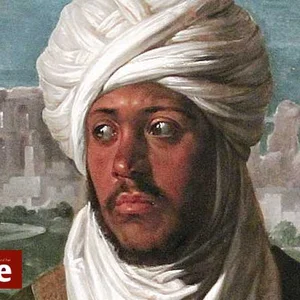
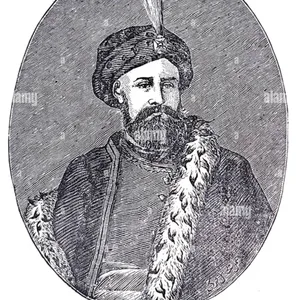
Mansa (emperor) of the Mali Empire from 1341 to 1360, Souleymane was the brother and successor of Mansa Musa. His reign was marked by rigorous administration, economic prosperity, and the Islamic prestige of the empire.
Mansa Souleymane(1400 — 1360)
Mansa Suleyman
Mali
7 min read
Frequently asked questions
Key Facts
- Reigned from 1341 to 1360 over the Mali Empire
- Brother and successor of Mansa Musa, the famous pilgrim to Mecca
- Received and described by the traveler Ibn Battuta during his stay in Mali in 1352–1353
- Maintained the prosperity and administration of the empire inherited from Mansa Musa
- His reign is one of the primary sources of knowledge about the Mali Empire, thanks to Ibn Battuta's account
Works & Achievements
Mansa Suleyman ensured the protection of the routes linking sub-Saharan Africa to the Maghreb, enabling trade in gold, salt, and luxury goods that constituted the empire's primary wealth and power.
Through the regular dispatch of ambassadors and lavish gifts, Suleyman established formal relations with Morocco, positioning the Mali Empire as a sovereign Islamic power recognized on the international stage.
A deeply devout ruler, he had places of worship built and maintained in major cities, encouraged the settlement of scholars and imams, and made Timbuktu a recognized Islamic intellectual center beyond the empire's borders.
Ibn Battuta notes that Mansa Suleyman enforced the law with rigor and fairness, guaranteeing remarkable security for travelers and merchants — a major asset for the empire's commercial appeal.
Inheriting a vast empire, Suleyman maintained the network of provincial governors (farims) and the system for collecting gold and tributes, avoiding the fragmentation that might have followed Mansa Musa's flamboyant reign.
Anecdotes
In 1352, the great Moroccan traveler Ibn Battuta arrived at the court of Mansa Souleymane after crossing the Sahara. Accustomed to the generosity of Islamic rulers, he was disappointed to receive only a dish of local food as a welcome gift. Yet he revised his judgment in his account, praising the emperor's integrity, piety, and sense of justice.
Mansa Souleymane's court operated according to an extremely codified royal protocol: the emperor received his visitors seated behind a silk curtain, a sign of his sacred dignity. His words were relayed by an official interpreter called the dugha, and courtiers were required to prostrate themselves and scatter dust on their heads as a sign of total submission.
During his reign, a serious conspiracy was foiled: his principal wife Kassi is said to have plotted to overthrow him in favor of a rival. Mansa Souleymane, informed in time, had the queen imprisoned and the conspirators punished. The affair, recounted by Ibn Battuta, reveals the dynastic tensions that existed at the very heart of the palace.
Mansa Souleymane maintained regular diplomatic relations with the Marinid sultan of Morocco. He sent him ambassadors bearing lavish gifts — gold, enslaved people, rare goods — demonstrating the prestige and power of the Mali Empire on the stage of the medieval Islamic world.
Ibn Battuta describes the court ceremonies as true spectacles of power: hundreds of soldiers and nobles formed an impressive procession, giant drums thundered, and griots sang the praises of the royal ancestors. These rituals blended Islamic protocol with ancestral Mandinka traditions, illustrating the cultural synthesis that was characteristic of the empire.
Primary Sources
This sultan is a man who loves justice. One is safe throughout his land. The traveler has nothing to fear, nor does the local inhabitant, from thief or violent man.
Mali is a vast empire whose ruler commands many kings and governors. Its revenues come mainly from the trade in gold and salt, which pass through its flourishing markets.
After Musa, his brother Sulayman took the helm of Mali. He ruled with authority and maintained the prosperity of the empire, keeping ties with the rulers of the Maghreb until his death in 1360.
Key Places
The royal city and seat of power of Mansa Suleyman, Niani was the political heart of the empire. It was here that Ibn Battuta met the emperor and described the splendor of his court and the efficiency of his administration.
A great intellectual and commercial center of the empire, Timbuktu was home to mosques, Quranic schools, and bustling markets through which gold, salt, and manuscripts flowed. It embodied the Islamic cultural influence that Mansa Suleyman worked to sustain.
A thriving trading city on the inland delta of the Niger River, Djenné was a vital commercial hub linking sub-Saharan Africa to the trans-Saharan trade routes, bringing considerable revenues to the imperial treasury.
The spiritual center of Islam, Mecca remained the absolute religious reference for Mansa Suleyman. Although his brother Musa had made the celebrated pilgrimage of 1324, Suleyman maintained close ties with the Hejaz through his envoys.
The Mali Empire's main diplomatic partner north of the Sahara, Fez welcomed ambassadors from Mansa Suleyman and served as the primary link between the African empire and the Islamic Mediterranean world.
Liens externes & ressources
Références
Œuvres
Maintien et sécurisation des routes commerciales trans-sahariennes
1341-1360
Correspondance et ambassades diplomatiques avec le sultanat mérinide
c. 1349
Soutien aux mosquées et aux savants islamiques de l'empire
1341-1360
Administration rigoureuse de la justice islamique
1341-1360
Consolidation de l'appareil gouvernemental et fiscal
1341-1360