The Cold War
Spies, leaders, dissidents and scientists at the heart of the East-West confrontation that defined the second half of the 20th century.
119 characters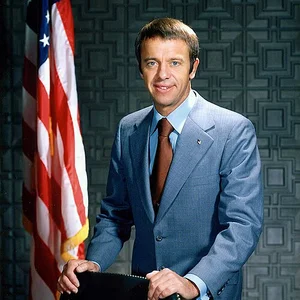

119 characters
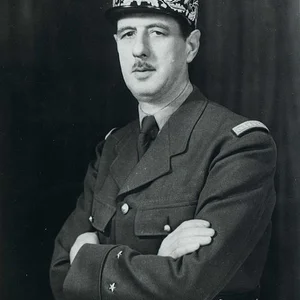
Charles de Gaulle
1890 — 1970
French military officer and statesman (1890–1970), leader of the French Resistance during World War II and founder of the Fifth Republic. A defining figure of the 20th century, he shaped French history through his unwavering commitment to national independence and the greatness of France.
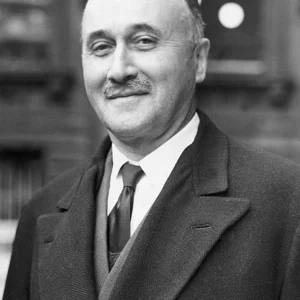
Jean Monnet
1888 — 1979
French statesman (1888–1979), Jean Monnet is regarded as one of the founding fathers of the European Union. He played a decisive role in the creation of the European Coal and Steel Community (ECSC) and championed the economic and political integration of Europe.
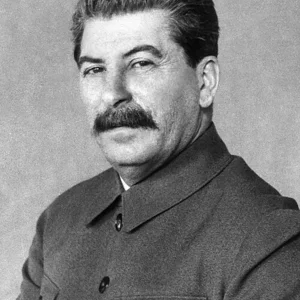
Joseph Stalin
1878 — 1953
Soviet dictator from 1922 to 1953, Joseph Stalin established a totalitarian regime characterized by massive political repression and forced industrialization. His leadership transformed the USSR into a superpower, but at the cost of millions of lives.
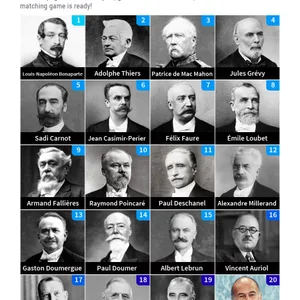
list of Presidents of the French Republic
Since 1848, France has had 25 presidents. The role, largely ceremonial under the Third and Fourth Republics, became central under the Fifth Republic established by de Gaulle in 1958.
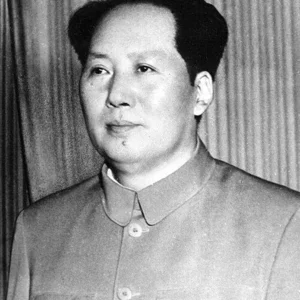
Mao Zedong
1893 — 1976
Chinese statesman (1893-1976) and founder of the People's Republic of China. Leader of the Chinese Communist Party, he established a communist regime and launched the Great Proletarian Cultural Revolution. A major figure of the 20th century, his political legacy remains complex and controversial.
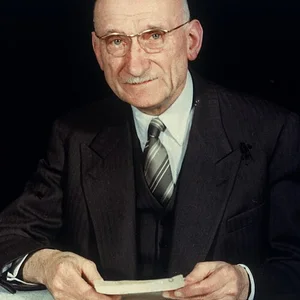
Robert Schuman
1886 — 1963
French statesman (1886-1963), Robert Schuman is one of the principal founding fathers of the European Union. As Foreign Minister, he proposed in 1950 the plan to create the European Coal and Steel Community (ECSC), laying the foundations for European integration.
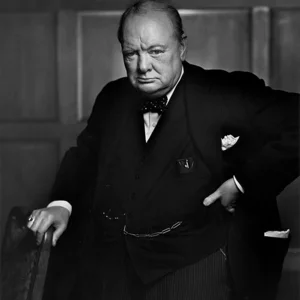
Winston Churchill
1874 — 1965
British statesman and writer (1874–1965), Winston Churchill is best known for his role as Prime Minister of the United Kingdom during the Second World War. As the leader of British resistance against Nazism, he embodied Allied resolve until victory in 1945.
Alan Shepard
1923 — 1998
Alan Shepard was the first American to travel in space, on May 5, 1961, during the suborbital flight of Freedom 7. A Navy pilot turned NASA astronaut, he also walked on the Moon in 1971 during the Apollo 14 mission.
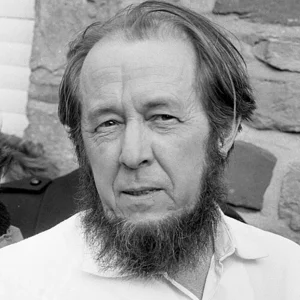
Aleksandr Solzhenitsyn
1918 — 2008
Russian writer and dissident, a former Gulag prisoner. His work denounces the Soviet prison-camp system and totalitarianism. Winner of the 1970 Nobel Prize in Literature, he was expelled from the USSR in 1974 before returning in 1994.
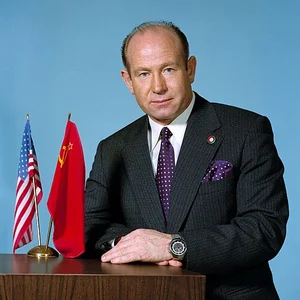
Alexei Leonov
1934 — 2019
Soviet cosmonaut Alexei Leonov was the first person to perform a spacewalk on March 18, 1965, during the Voskhod 2 mission. A trained military pilot, he embodies the boldness of the Soviet space program.
Alfred Schnittke
1934 — 1998
Alfred Schnittke (1934-1998) was a Soviet, later Russian, composer and a major figure of 20th-century music. A theorist and practitioner of “polystylism,” he blended Baroque and Romantic quotations with modern techniques in a dense, expressive body of work.
Alla Pugacheva
1949 — ?
Alla Pugacheva (born 1949) is the most famous pop singer of the Soviet Union and Russia. Nicknamed "the Primadonna," she dominated the Soviet and then Russian music scene for over forty years. Her career illustrates mass culture and the entertainment industry under a communist regime.
Andrei Tarkovsky
1932 — 1986
A major Soviet filmmaker of the 20th century, creator of a contemplative and spiritual body of work. His films such as Andrei Rublev, Solaris and Stalker left a profound mark on the history of auteur cinema.
Andriyan Nikolayev
A Soviet cosmonaut, he completed the Vostok 3 mission in 1962, making 64 orbits around Earth. In 1970, aboard Soyuz 9, he set an endurance record of 18 days in space. The husband of Valentina Tereshkova, he stands as a symbol of Soviet space exploration.
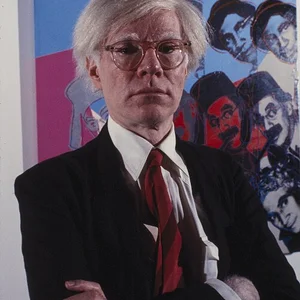
Andy Warhol
1928 — 1987
Andy Warhol (1928-1987) was the leading figure of the American Pop Art movement. He transformed images from mass culture into works of art, blurring the boundary between art and commerce.
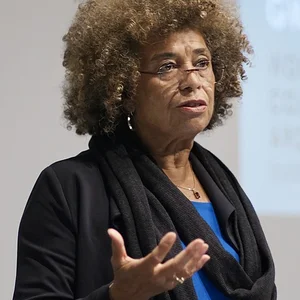
Angela Davis
1944 — ?
African-American civil rights activist, philosopher, and university professor born in 1944 in Birmingham, Alabama. An iconic figure of the Black Power movement and intersectional feminism, she was imprisoned in 1970 before being acquitted. She remains a leading voice against systemic racism and social inequality.
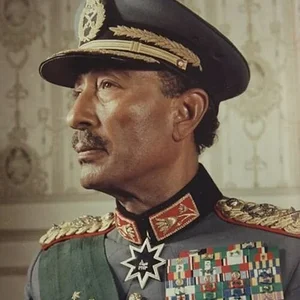
Anwar Sadat
1918 — 1981
Anwar Sadat was President of Egypt from 1970 to 1981. The architect of the Yom Kippur War and then of peace with Israel, he signed the Camp David Accords and received the Nobel Peace Prize in 1978. He was assassinated in 1981 by Islamists opposed to this peace.
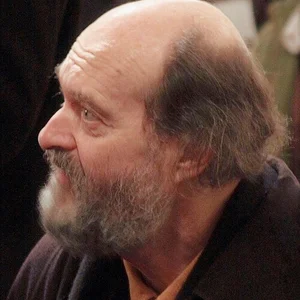
Arvo Pärt
1935 — ?
Arvo Pärt is an Estonian composer born in 1935, one of the major figures of contemporary music. After an avant-garde period, he invented the “tintinnabuli” style, founded on simplicity, resonance, and sacred inspiration. He is one of the most frequently performed living composers in the world.
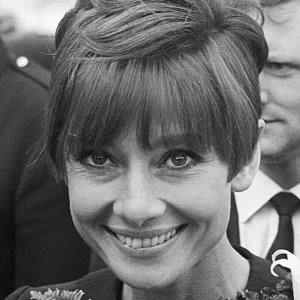
Audrey Hepburn
1929 — 1993
Audrey Hepburn (1929–1993) was a British actress and model of Belgian origin, an icon of Hollywood cinema in the 1950s and 1960s. She won the Academy Award for Roman Holiday (1953) and became synonymous with elegance and grace on screen. In her later years, she devoted herself to humanitarian work as a UNICEF Goodwill Ambassador.
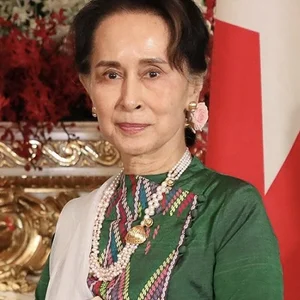
Aung San Suu Kyi
1945 — ?
Burmese democracy activist, Aung San Suu Kyi devoted her life to peaceful resistance against the military junta in Myanmar. Winner of the Nobel Peace Prize in 1991, she spent 15 years under house arrest before leading her country from 2016 to 2021.
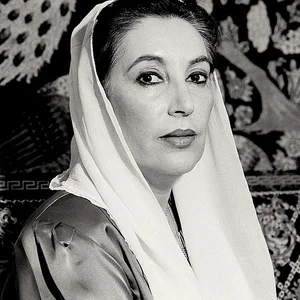
Benazir Bhutto
1953 — 2007
Benazir Bhutto was the first woman to lead a government in a Muslim-majority country, becoming Prime Minister of Pakistan in 1988. The daughter of Prime Minister Ali Bhutto, she fought against military dictatorships and became a symbol of democracy and women's rights in South Asia. Assassinated in an attack in 2007, she remains an iconic figure of political courage.
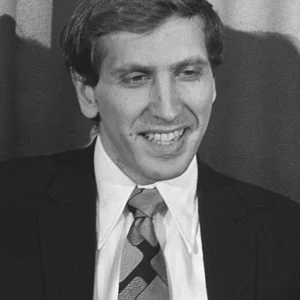
Bobby Fischer
1943 — 2008
Bobby Fischer was an American chess player, considered one of the greatest in history. In 1972, he became world champion by defeating the Soviet Boris Spassky, putting an end to decades of Soviet domination of the game.
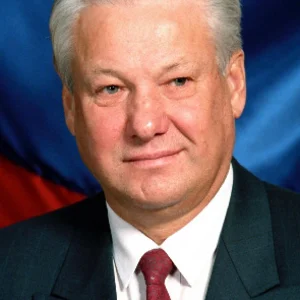
Boris Yeltsin
1931 — 2007
Russian statesman, first President of the Russian Federation (1991-1999). A key figure in the fall of the USSR, he opposed the August 1991 coup before leading Russia's transition to a market economy.
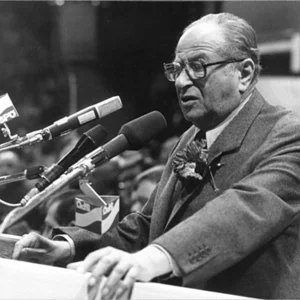
Bruno Kreisky
1911 — 1990
Austrian social-democratic statesman, Federal Chancellor of Austria from 1970 to 1983. A major figure of European social democracy, he profoundly modernized Austrian society and played an active role on the international stage, particularly in the Middle East.
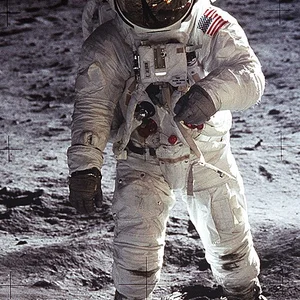
Buzz Aldrin
1930 — ?
An American astronaut, he was the second man to walk on the Moon during the Apollo 11 mission on July 20, 1969. A former combat pilot in Korea and holder of a doctorate in orbital mechanics, he contributed to the development of space rendezvous techniques.
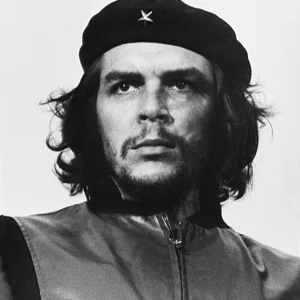
Che Guevara
1928 — 1967
Argentine Marxist revolutionary (1928–1967) and iconic figure of 20th-century guerrilla warfare. A key player in the Cuban Revolution alongside Fidel Castro, he went on to lead revolutionary movements in Africa and Latin America before his death in Bolivia.

Chen-Ning Yang
Sino-American theoretical physicist born in 1922, awarded the Nobel Prize in Physics in 1957 alongside T.D. Lee for the discovery of parity violation in weak interactions. Co-author of Yang-Mills theory, a cornerstone of the standard model of particle physics.
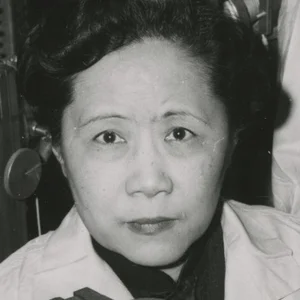
Chien-Shiung Wu
1912 — 1997
Chien-Shiung Wu was a Chinese-American experimental physicist, nicknamed "the First Lady of Physics." Her 1956 experiment disproved the law of conservation of parity, upending particle physics. Unjustly passed over for the Nobel Prize awarded to Lee and Yang for that discovery, she remains one of the most important figures in twentieth-century physics.

Corazón Aquino
1933 — 2009
Corazón Aquino, wife of assassinated political activist Benigno Aquino, became in 1986 the first female president of the Philippines after leading the “People Power Revolution” against Ferdinand Marcos's dictatorship. A symbol of democracy and civic courage, she embodies peaceful resistance and democratic transition in Southeast Asia.
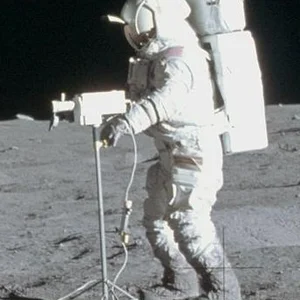
Edgar Mitchell
1930 — 2016
An American NASA astronaut, Edgar Mitchell was the sixth man to walk on the Moon during the Apollo 14 mission in February 1971. Holding a doctorate in aeronautics from MIT, he devoted his life after the space conquest to the study of human consciousness.
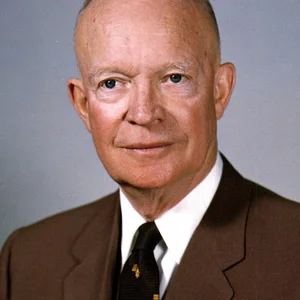
Eisenhower
American general, Supreme Commander of the Allied forces in Europe during World War II and architect of the Normandy landings. He went on to become the 34th President of the United States from 1953 to 1961.
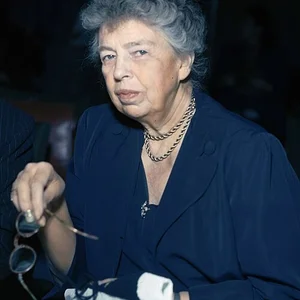
Eleanor Roosevelt
1884 — 1962
First Lady of the United States (1933–1945), Eleanor Roosevelt established herself as a tireless advocate for civil rights and social justice. She chaired the UN commission that drafted the Universal Declaration of Human Rights (1948).
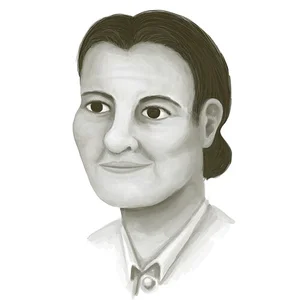
Elizabeth Anscombe
1919 — 2001
G. E. M. Anscombe (1919–2001) is one of the greatest analytic philosophers of the twentieth century. A student of Wittgenstein, she coined the term "consequentialism" and revolutionized the philosophy of action with her landmark work *Intention* (1957). A devout Catholic, she did not hesitate to publicly oppose the atomic bomb.
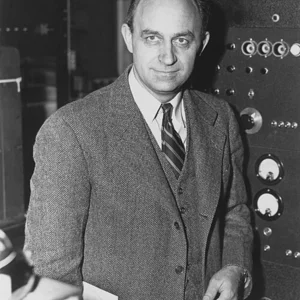
Enrico Fermi
1901 — 1954
Italian physicist (1901–1954), Nobel Prize in Physics in 1938. He achieved the first controlled nuclear chain reaction in 1942 and was one of the fathers of the atomic bomb as part of the Manhattan Project.
Erna Schneider Hoover
1926 — ?
Erna Schneider Hoover (1926-2025) was an American mathematician and computer scientist. In the 1960s she invented a computerized stored-program-controlled telephone switching system, revolutionizing the way calls were handled in telephone exchanges.
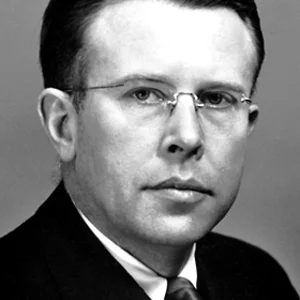
Ernest Lawrence
1901 — 1958
American physicist (1901–1958), inventor of the cyclotron, the first circular particle accelerator. Winner of the 1939 Nobel Prize in Physics, he paved the way for modern nuclear physics and contributed to the Manhattan Project.
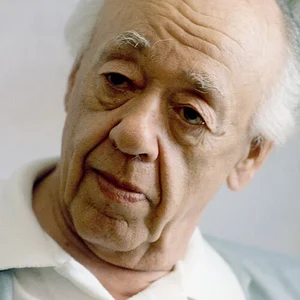
Eugène Ionesco
1909 — 1994
Franco-Romanian playwright (1909–1994), Eugène Ionesco is one of the founders of the Theatre of the Absurd. His plays, marked by humor, absurdity, and a critique of mass society, revolutionized contemporary theatre.
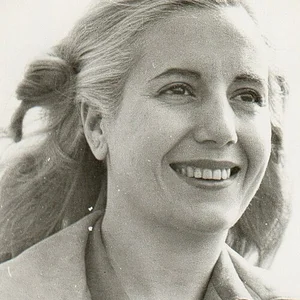
Eva Perón
1919 — 1952
Eva Perón, wife of Argentine president Juan Perón, became one of the most influential political figures in Latin America. A symbol of the descamisados (shirtless ones), she fought for workers' and women's rights, notably securing women's suffrage in Argentina in 1947.
Evelyn Berezin
1925 — 2018
Evelyn Berezin (1925-2018) was an American engineer and computer scientist, a pioneer of computing. In 1971 she designed the first computerized word processor, the Data Secretary, and founded the company Redactron to bring it to market.
Evelyn Boyd Granville
1924 — 2023
Evelyn Boyd Granville was an American mathematician, one of the first African American women to earn a doctorate in mathematics in the United States (Yale, 1949). She contributed to the American space programs by developing trajectory analyses for the Vanguard, Mercury, and Apollo missions.
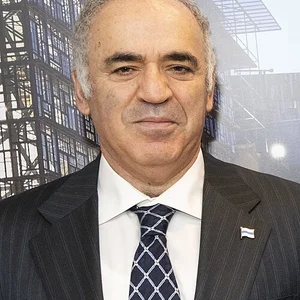
Garry Kasparov
1963 — ?
Soviet and later Russian chess player, world champion from 1985 to 2000. Regarded as one of the greatest players in history, he was the youngest world champion of his era and a pioneer in facing artificial intelligence.
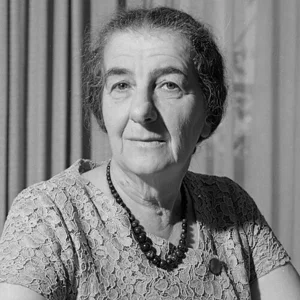
Golda Meir
1898 — 1978
Golda Meir, born in Ukraine and emigrated to Mandatory Palestine, is one of the founders of the State of Israel. The first woman Prime Minister of Israel (1969–1974), she embodies the building of the young state and faced the Yom Kippur War in 1973.
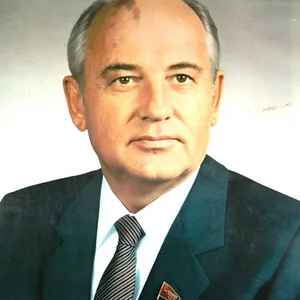
Gorbachev
1931 — 2022
Last General Secretary of the Soviet Union (1985–1991), Gorbachev initiated sweeping reforms with Perestroika and Glasnost, transforming the USSR before its dissolution in 1991. His actions marked the end of the Cold War and the restructuring of the Soviet bloc.
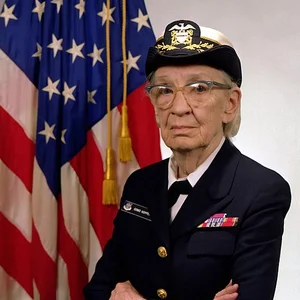
Grace Hopper
1906 — 1992
Grace Hopper, American mathematician and rear admiral, is one of the pioneers of computer science. She developed one of the first compilers and contributed to the creation of the COBOL programming language, revolutionizing programming. She popularized the term "bug" in computing after finding a real insect inside a computer.
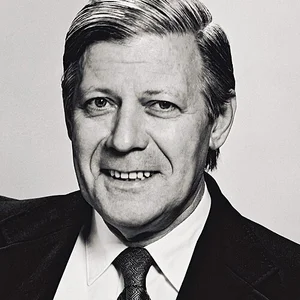
Helmut Schmidt
1918 — 2015
German statesman and Social Democrat (SPD), he served as Chancellor of the Federal Republic of Germany from 1974 to 1982. A pragmatist, he defined his tenure through his handling of economic crises and domestic terrorism.
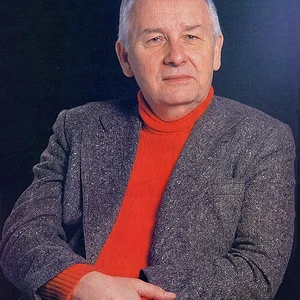
Henryk Górecki
1933 — 2010
Henryk Górecki was a Polish composer and a major figure in contemporary music during the second half of the 20th century. Initially tied to the serialist avant-garde, he evolved toward a more stripped-down and spiritual style, achieving worldwide fame with his Third Symphony.
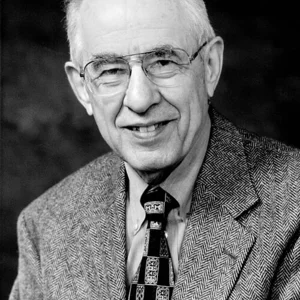
Hilary Putnam
1926 — 2016
Hilary Putnam (1926-2016) was a major American philosopher in analytic philosophy. He profoundly influenced the philosophy of mind, language, science, and mathematics, distinguished by his ability to revise his own positions throughout his career.
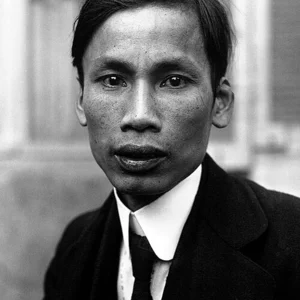
Ho Chi Minh
Vietnamese revolutionary and statesman, founder of the Indochinese Communist Party and later of the Democratic Republic of Vietnam. A leading figure in the anti-colonial struggle against France and then the United States, he embodies the independence and reunification of Vietnam.
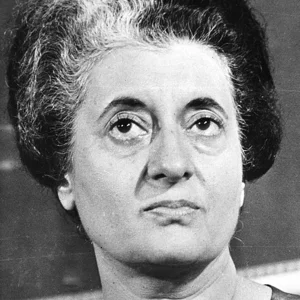
Indira Gandhi
1917 — 1984
Indira Gandhi (1917-1984) was the first female Prime Minister of India, serving from 1966 to 1977 and again from 1980 to 1984. The daughter of Jawaharlal Nehru, she left a lasting mark on history through her nationalization policies, her leadership during the 1971 war, and her authoritarian rule during the state of emergency. She was assassinated by her own bodyguards in 1984.
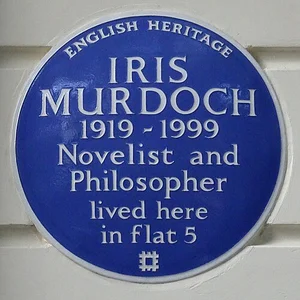
Iris Murdoch
1919 — 1999
Iris Murdoch (1919-1999) was an Irish-British philosopher and novelist, professor at Oxford, known for novels that combine moral reflection with psychological intrigue. The author of more than twenty-six novels and major philosophical works, she explores themes of love, freedom, and the Good.
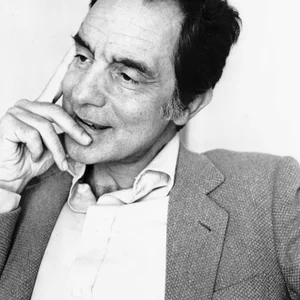
Italo Calvino
1923 — 1985
Italo Calvino (1923-1985) is one of the major Italian writers of the 20th century. Author of fantastical and combinatorial tales such as “The Baron in the Trees” and “Invisible Cities”, he blended fable, science, and literary play with boundless imagination.
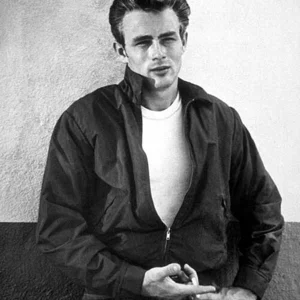
James Dean
1931 — 1955
Iconic American actor of the 1950s, James Dean embodied youth rebellion in three cult films. Dying at 24 in a car crash, he became an immortal cultural icon.
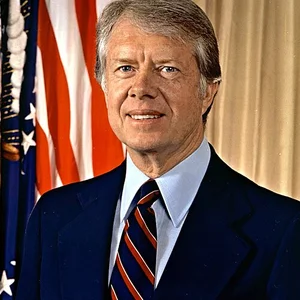
Jimmy Carter
1924 — 2024
American statesman, 39th President of the United States from 1977 to 1981. A Democrat from Georgia, he remained famous for his diplomatic work and humanitarian commitment after his presidency, crowned by the Nobel Peace Prize in 2002.
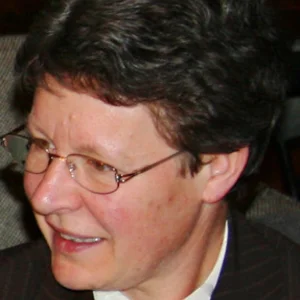
Jocelyn Bell Burnell
1943 — ?
British astrophysicist born in 1943, Jocelyn Bell discovered pulsars in 1967 — neutron stars emitting regular radio signals — during her doctoral thesis. Her thesis supervisor received the Nobel Prize for this discovery, sparking a lasting controversy over the recognition of women in science.
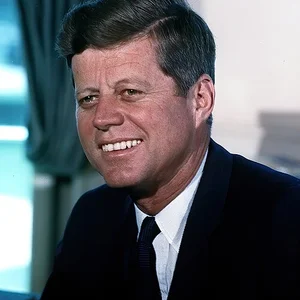
John F. Kennedy
1917 — 1963
President of the United States from 1961 to 1963, John F. Kennedy embodies the political modernity of the 20th century. His term was marked by critical moments of the Cold War, notably the Cuban Missile Crisis, and by his commitment to civil rights before his assassination in Dallas.
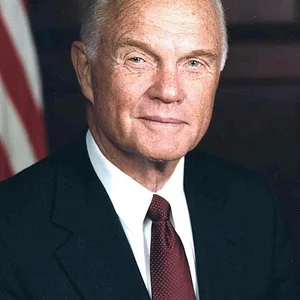
John Glenn
1921 — 2016
John Glenn was the first American to orbit the Earth on February 20, 1962, aboard the Friendship 7 capsule. A military pilot and Korean War hero, he later became a senator from Ohio and returned to space in 1998 at age 77.
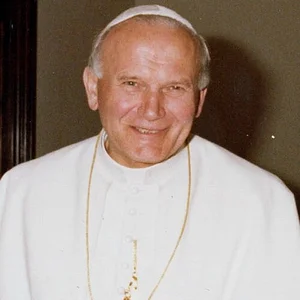
John Paul II
1920 — 2005
Polish pope from 1978 to 2005, the first non-Italian pope in more than four centuries. A major figure of the 20th century, he played a role in the fall of communism in Eastern Europe and left his mark on the Catholic Church through his very numerous travels.
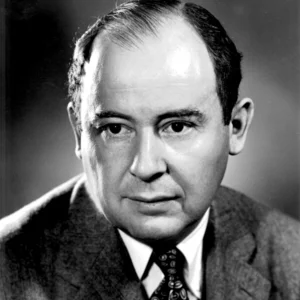
John von Neumann
1903 — 1957
Hungarian-American mathematician and physicist (1903–1957), pioneer of modern computing and game theory. He is the founding architect of the programmable digital computer and contributed to the development of nuclear energy.
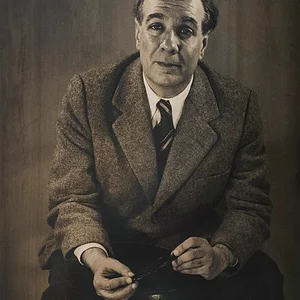
Jorge Luis Borges
1899 — 1986
Argentine writer
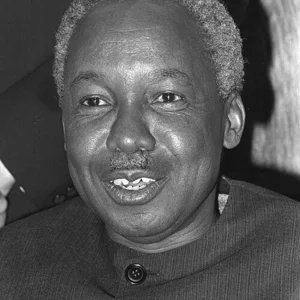
Julius Nyerere
1922 — 1999
Tanzanian statesman, the first president of Tanzania from 1964 to 1985. A major figure of Pan-Africanism and decolonization, he sought to build an African socialism founded on village solidarity (ujamaa).
Klára Dán von Neumann
American mathematician and programmer of Hungarian origin, regarded as one of the first programmers in history. She wrote and coded programs for the ENIAC computer, notably for weather calculations and simulations related to nuclear weapons.
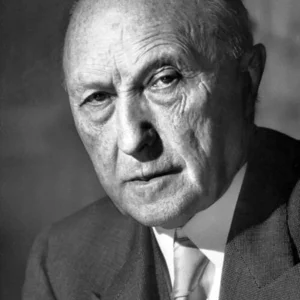
Konrad Adenauer
1876 — 1967
German statesman, first Chancellor of the Federal Republic of Germany (West Germany) from 1949 to 1963. A major figure in the rebuilding of post-war Germany, he anchored his country in the Western bloc and worked toward Franco-German reconciliation.
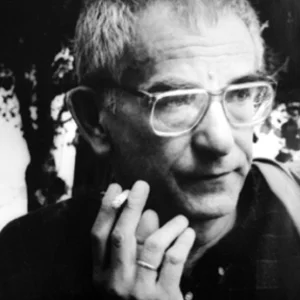
Krzysztof Kieślowski
1941 — 1996
Krzysztof Kieślowski (1941-1996) was a Polish filmmaker and a major figure in European cinema of the late twentieth century. Initially a documentarian, he made his name with the television series *The Decalogue* and then the *Three Colours: Blue, White, Red* trilogy.
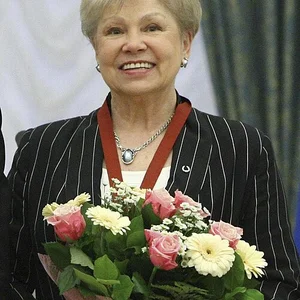
Larisa Latynina
1934 — ?
Soviet gymnast, one of the greatest champions in the history of sport. She won 18 Olympic medals between 1956 and 1964, a record that stood unmatched for a long time.
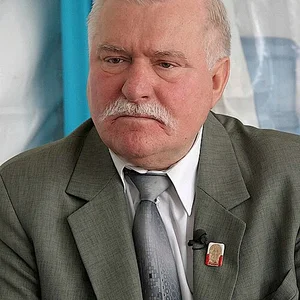
Lech Wałęsa
1943 — ?
An electrician at the Gdańsk shipyards who became the leader of the independent trade union Solidarność, the first free trade union in the Soviet bloc. A major figure in the fall of communism in Poland, he was elected the first president of the Polish Republic by universal suffrage (1990-1995).
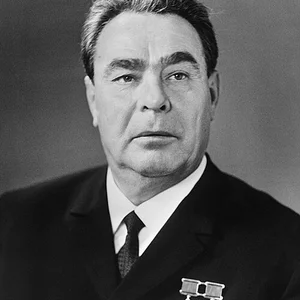
Leonid Brezhnev
1906 — 1982
Soviet statesman, General Secretary of the Communist Party of the Soviet Union from 1964 to 1982. His long rule, which followed Khrushchev's, is associated with the “stagnation” of the USSR and with the détente and subsequent renewed tensions of the Cold War.
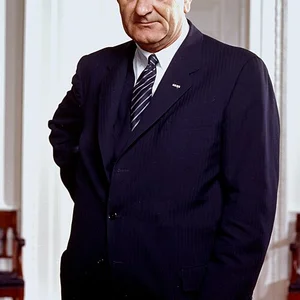
Lyndon B. Johnson
1908 — 1973
American statesman, 36th President of the United States (1963-1969) following the assassination of John F. Kennedy. He pushed through major laws against racial segregation but became bogged down in the Vietnam War.
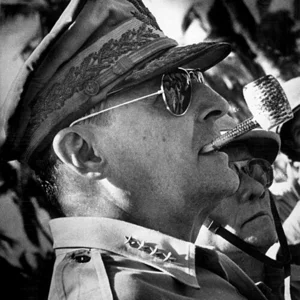
MacArthur
American general, one of the great military figures of the United States in the 20th century. Allied commander-in-chief in the Pacific during the Second World War, he then led the occupation of Japan and afterward the UN forces at the start of the Korean War.
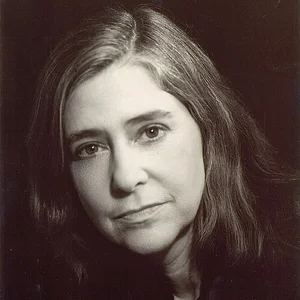
Margaret Hamilton
1936 — ?
Margaret Hamilton is a pioneering American computer scientist and engineer in the field of software engineering. She led the team that developed the onboard navigation software for the Apollo missions, directly contributing to the 1969 Moon landing. She is considered one of the founders of software engineering as a discipline.
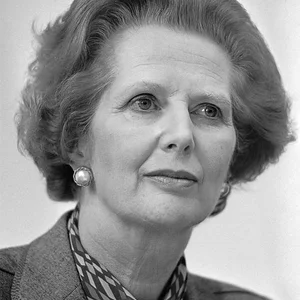
Margaret Thatcher
1925 — 2013
Margaret Thatcher, the first female Prime Minister of the United Kingdom (1979–1990), transformed the British economy through radical free-market policies. Nicknamed the “Iron Lady,” she privatized state-owned enterprises, took on the trade unions, and played a major role in ending the Cold War alongside Reagan and Gorbachev.
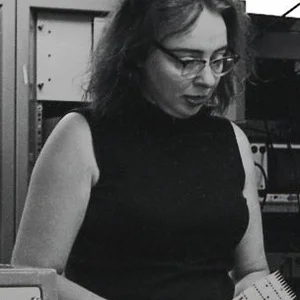
Marie Tharp
1920 — 2006
Marie Tharp was an American geologist and cartographer who produced the first scientific maps of the ocean floor. By mapping the Mid-Atlantic Ridge, she provided decisive visual proof of the theory of continental drift — long overlooked because of her status as a woman.
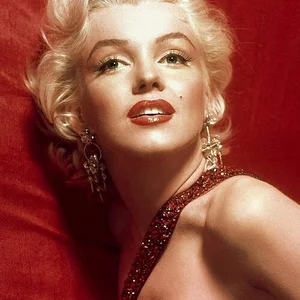
Marilyn Monroe
1926 — 1962
An American actress, model, and singer, Marilyn Monroe became one of the major cultural icons of the 20th century. A symbol of Hollywood glamour and American consumer society in the 1950s–1960s, her tragic life continues to fuel conversations about the treatment of women in the entertainment industry.
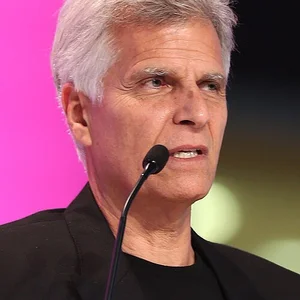
Mark Spitz
1950 — ?
American swimmer born in 1950, considered one of the greatest in the history of swimming. At the 1972 Munich Olympic Games, he won seven gold medals, each accompanied by a world record, a feat that remained unmatched until Michael Phelps.
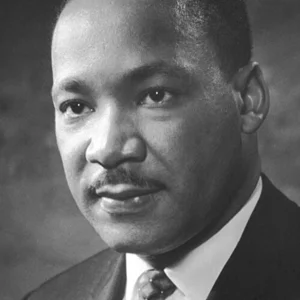
Martin Luther King
1929 — 1968
African-American Baptist pastor (1929–1968) and major leader of the civil rights movement in the United States. He championed nonviolence and racial equality, becoming one of the most influential figures of the 20th century before his assassination.
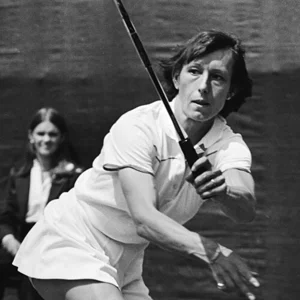
Martina Navratilova
1956 — ?
Czechoslovak then American tennis player, considered one of the greatest players in history. She dominated the women's circuit in the 1970s and 1980s, winning a record number of singles and doubles titles.
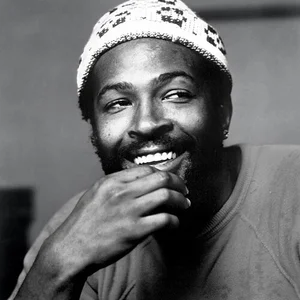
Marvin Gaye
1939 — 1984
Marvin Gaye (1939-1984) was an American singer, songwriter, and producer, a major figure in soul music and Motown. With the album *What's Going On* (1971), he transformed soul into a vehicle for social and political engagement.
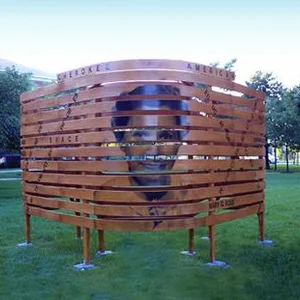
Mary Golda Ross
1908 — 2008
Mary Golda Ross (1908-2008) was an American aerospace engineer, the first female engineer of the Cherokee Nation. A pioneer of astronautics, she took part in the founding work of the American space and defense programs at Lockheed.
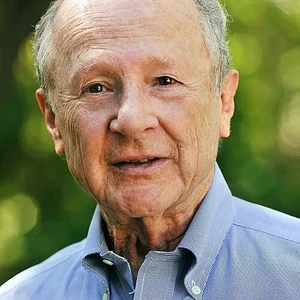
Matthew Meselson
1930 — ?
Matthew Meselson is an American geneticist and molecular biologist born in 1930. Together with Franklin Stahl, he demonstrated in 1958 the semi-conservative replication mechanism of DNA. He also became an advocate against chemical and biological weapons.
Maya Plisetskaya
Maya Plisetskaya (1925-2015) is one of the greatest ballerinas of the 20th century. A Bolshoi prima ballerina for over fifty years, she brought extraordinary virtuosity to her roles in Carmen and Swan Lake, leaving a lasting mark on the history of classical dance worldwide.
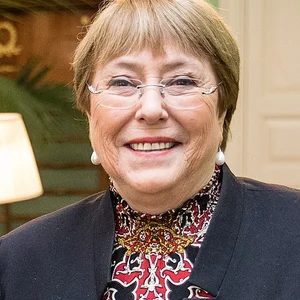
Michelle Bachelet
1951 — ?
Michelle Bachelet, born in 1951 in Chile, is a physician and politician who became the first female president of Chile (2006–2010, then 2014–2018). A human rights activist, she also led UN Women and the UN High Commissioner for Human Rights.
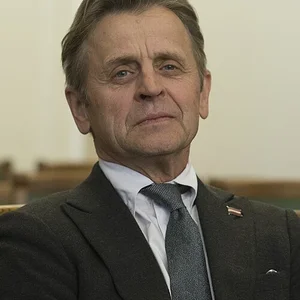
Mikhail Baryshnikov
1948 — ?
Dancer and choreographer of Latvian origin, considered one of the greatest classical dancers of the 20th century. Trained at the Vaganova school in Leningrad, he defected to the West in 1974 and became a major figure in American ballet, before turning to contemporary dance, theater, and film.
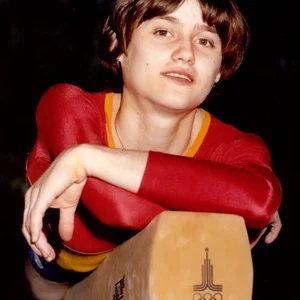
Nadia Comăneci
1961 — ?
A Romanian gymnast, at age 14 she became the first athlete in history to score a perfect 10 at the Olympic Games, in Montreal in 1976. A multiple Olympic champion, she revolutionized artistic gymnastics worldwide.
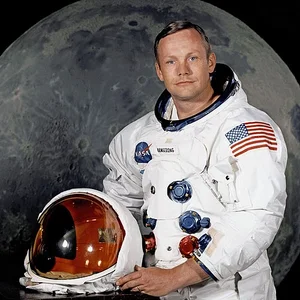
Neil Armstrong
1930 — 2012
American astronaut (1930-2012), Neil Armstrong was the first person to walk on the Moon on July 20, 1969. Commander of the Apollo 11 mission, he marked a major turning point in space exploration and the Cold War.
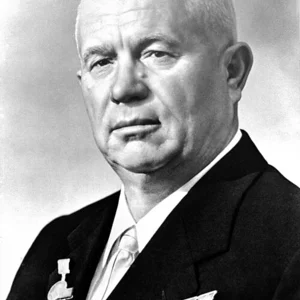
Nikita Khrushchev
1894 — 1971
Soviet leader from 1953 to 1964, Khrushchev succeeded Stalin and launched a policy of de-Stalinization. A central figure of the Cold War, he confronted the United States during the Cuban Missile Crisis of 1962.
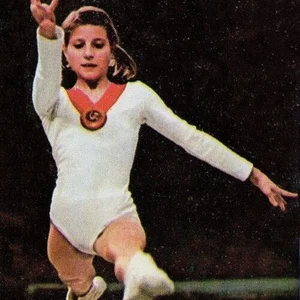
Olga Korbut
1955 — ?
Olga Korbut is a Soviet gymnast, born in 1955 in Belarus. Nicknamed “the Sparrow of Minsk,” she revolutionized artistic gymnastics at the 1972 Munich Olympic Games, where she won three gold medals and captivated audiences worldwide with her daring and her freshness.
Olga Owens Huckins
American journalist and environmental activist (1899–1968), known for writing a letter describing the devastation caused by DDT on the birds of her private sanctuary in Massachusetts. This letter, sent to her friend Rachel Carson in 1958, was the catalyst for the writing of Silent Spring.
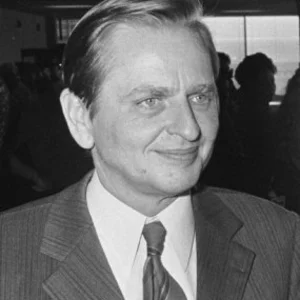
Olof Palme
1927 — 1986
Swedish social democratic statesman, twice Prime Minister of Sweden. A major figure of the European left and of Third World solidarity, he was assassinated on a Stockholm street in 1986, a crime that long remained unsolved.
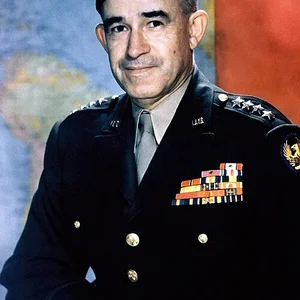
Omar Bradley
1893 — 1981
American general of World War II, he commanded U.S. ground forces during the Normandy landings in June 1944. Nicknamed "the G.I.'s general," he later became the first Chairman of the Joint Chiefs of Staff and the last five-star general in the United States.
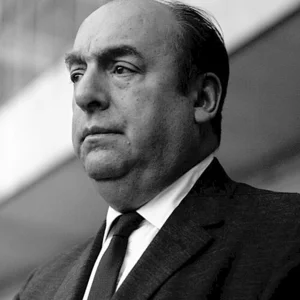
Pablo Neruda
1904 — 1973
A major Chilean poet of the 20th century (1904–1973), Pablo Neruda is celebrated for his political commitment and wide-ranging poetic work, which earned him the Nobel Prize in Literature in 1971. A Communist activist and diplomat, he embodies the engaged intellectual in Latin America.
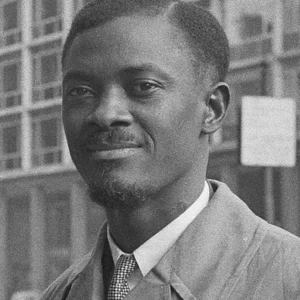
Patrice Lumumba
1925 — 1961
Patrice Lumumba was a Congolese politician and a leading figure in the independence of the Belgian Congo. As the first head of government of the Democratic Republic of the Congo in 1960, he became a symbol of African anti-colonialism before his assassination in 1961.
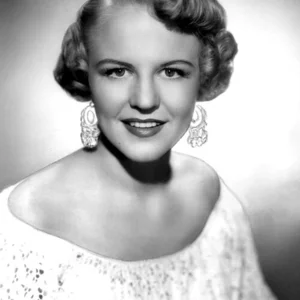
Peggy Lee
1920 — 2002
Peggy Lee (1920-2002) was an American jazz and pop singer, songwriter, and actress. Discovered with Benny Goodman's orchestra, she established herself as a soloist with hits like "Fever" and "Is That All There Is?".
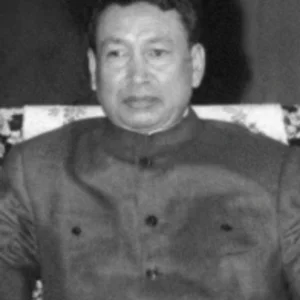
Pol Pot
1925 — 1998
Pol Pot, whose real name was Saloth Sâr, was a Cambodian statesman and revolutionary, general secretary of the Communist Party of Kampuchea. As leader of the Khmer Rouge, he ruled Cambodia from 1975 to 1979 and bears responsibility for the Cambodian genocide, which killed around 1.7 million people.
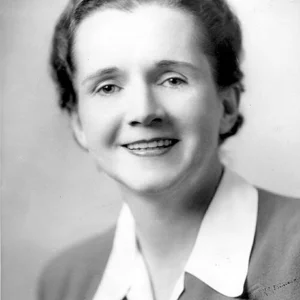
Rachel Carson
1907 — 1964
Marine biologist and American writer, Rachel Carson is the pioneer of the modern environmental movement. Her book *Silent Spring* (1962) exposed the massive use of pesticides and their devastating impact on ecosystems, sparking a global awakening on environmental protection.
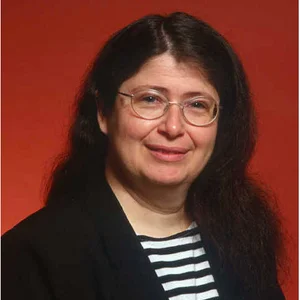
Radia Perlman
1951 — ?
Radia Perlman is an American engineer and computer scientist born in 1951, nicknamed the "Mother of the Internet." In 1985, she invented the Spanning Tree Protocol (STP), which makes computer networks stable and reliable. Her work on network security and routing protocols remains foundational to the architecture of the Internet.
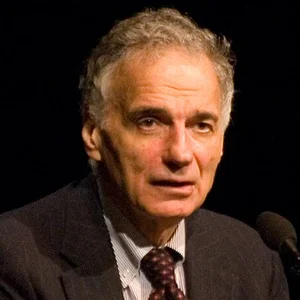
Ralph Nader
1934 — ?
Ralph Nader is an American lawyer and activist born in 1934, a pioneer of consumer advocacy. His fight for automobile safety transformed industrial regulation in the United States. He also ran for president several times.
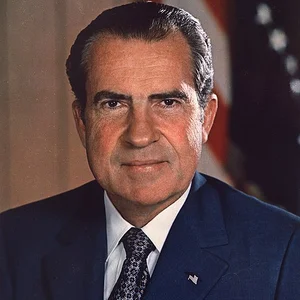
Richard Nixon
1913 — 1994
American statesman, 37th President of the United States from 1969 to 1974. He ended the Vietnam War and reopened relations with China, but resigned in the wake of the Watergate scandal.
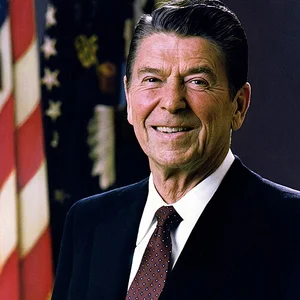
Ronald Reagan
1911 — 2004
Ronald Reagan was the 40th President of the United States (1981-1989). A former Hollywood actor who became Governor of California, he embodied American conservatism and played a major role in the final years of the Cold War.
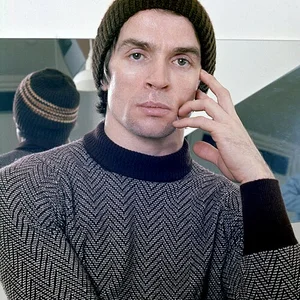
Rudolf Nureyev
1938 — 1993
A principal dancer and choreographer of Soviet origin, Rudolf Nureyev (1938-1993) was one of the greatest classical dancers of the 20th century. After defecting to the West in 1961, he revolutionized the role of the male dancer and directed the Paris Opera Ballet.
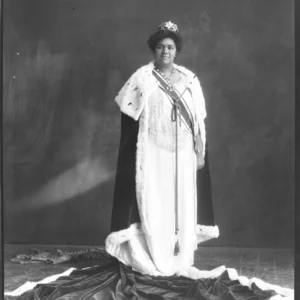
Salote Tupou III
1900 — 1965
Salote Tupou III reigned over Tonga from 1918 to 1965, becoming one of the most beloved figures in the South Pacific. At the coronation of Elizabeth II in 1953, she caused a sensation in London by braving the rain in an open carriage, winning the hearts of people worldwide. A great poet and guardian of Tongan traditions, she modernized her kingdom while preserving its cultural identity.
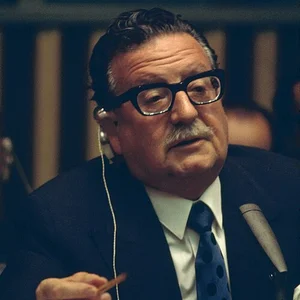
Salvador Allende
1908 — 1973
Salvador Allende (1908-1973) was a Chilean statesman and trained physician. As the first democratically elected Marxist president in Latin America in 1970, he pursued a socialist agenda before being overthrown and dying during the military coup led by General Pinochet on 11 September 1973.
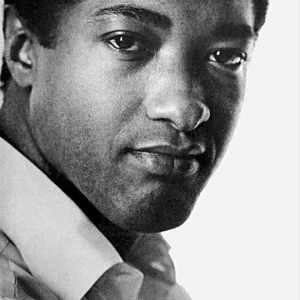
Sam Cooke
1931 — 1964
Sam Cooke (1931-1964) was an American singer, songwriter, and entrepreneur, considered one of the founding fathers of soul music. Coming from gospel, he managed to unite spirituality and popular music and became a figure in the fight for civil rights.
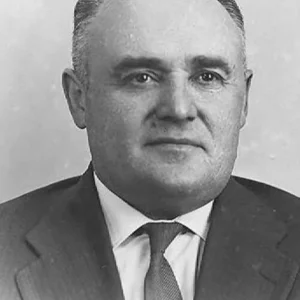
Sergei Korolev
1907 — 1966
Soviet engineer of Ukrainian origin, Korolev is the father of the Soviet space program. He designed Sputnik, the first artificial satellite, and the Vostok capsule that allowed Gagarin to fly in space.
Sirimavo Bandaranaike
1916 — 2000
Sirimavo Bandaranaike was the first woman to become head of government in the world, elected Prime Minister of Ceylon in 1960. The widow of assassinated Prime Minister Solomon Bandaranaike, she succeeded him as leader of the Sri Lanka Freedom Party and served in the role three times.
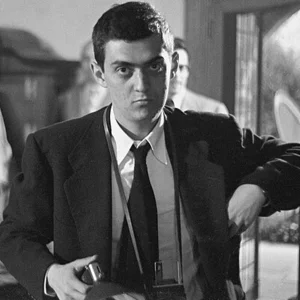
Stanley Kubrick
1928 — 1999
Stanley Kubrick (1928-1999) was an American director, screenwriter and producer. A former photographer, he became one of the most influential filmmakers of the 20th century, renowned for his perfectionism and the diversity of his genres, from war films to science fiction.
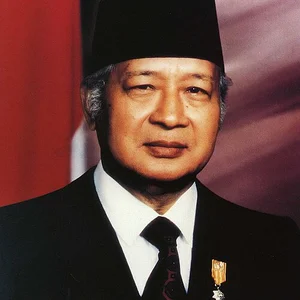
Suharto
1921 — 2008
An Indonesian general and statesman, Suharto was the second president of Indonesia from 1967 to 1998. He came to power after a bloody anti-communist purge and established an authoritarian regime known as the “New Order” before being toppled by the Asian financial crisis.
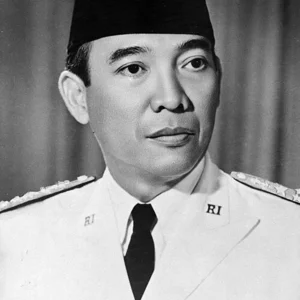
Sukarno
1901 — 1970
Indonesian statesman and leader of the nationalist movement against Dutch colonization. He proclaimed Indonesia's independence in 1945 and became its first president. A major figure of the Third World and the Non-Aligned Movement.
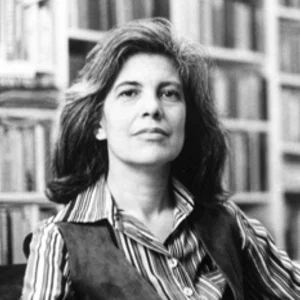
Susan Sontag
1933 — 2004
Susan Sontag (1933-2004) was a major American intellectual of the 20th century — essayist, novelist, and activist. Known for her reflections on photography, illness, and war, she profoundly shaped contemporary critical thought.
Svetlana Savitskaya
Soviet cosmonaut Svetlana Savitskaya was the second woman to travel to space and the first to perform a spacewalk (EVA). She completed two missions aboard the Salyut 7 space station in 1982 and 1984.
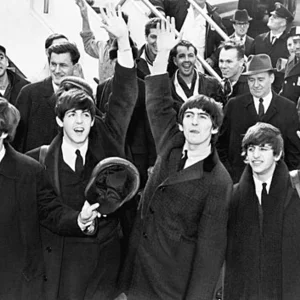
The Beatles (John Lennon)
John Lennon was a British musician, singer, and songwriter, a founding member of the Beatles, the most influential rock band of the 20th century. After the band's breakup in 1970, he pursued a solo career and became a figure of pacifism before his assassination in 1980.
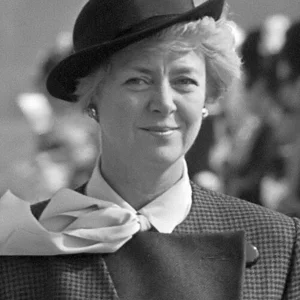
Vigdís Finnbogadóttir
1930 — ?
Vigdís Finnbogadóttir was elected President of Iceland in 1980, becoming the first woman in the world to be democratically elected head of state. Re-elected four times, she served until 1996 and became a global figure in feminism and cultural diplomacy.
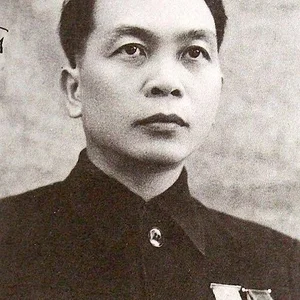
Vo Nguyen Giap
1911 — 2013
Vietnamese general and politician, the principal military leader of the Việt Minh and later of the North Vietnamese army. The architect of the victory at Diên Biên Phu against France in 1954, he was one of the strategists of both the war of independence and the Vietnam War.
Wanda Rutkiewicz
Polish mountaineer (1943–1992), she was the first woman to climb Everest in 1978 and the first European woman to reach its summit. She disappeared in 1992 during her attempt to climb Kangchenjunga.
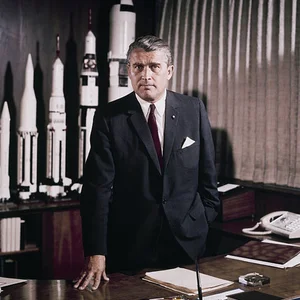
Wernher von Braun
1912 — 1977
A German-American aerospace engineer, he designed the V-2 rocket for Nazi Germany before being recruited by the United States. He then led NASA's Saturn V program, which carried Apollo 11 to the Moon in 1969.
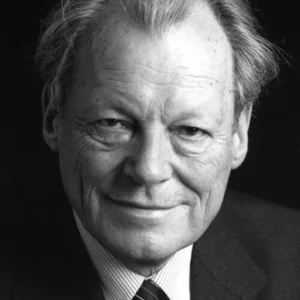
Willy Brandt
1913 — 1992
German statesman, Chancellor of the Federal Republic of Germany (FRG) from 1969 to 1974. A leading figure of social democracy, he is famous for his policy of rapprochement with the Eastern Bloc (Ostpolitik) and received the Nobel Peace Prize in 1971.
Xie Xide
1921 — 2000
Xie Xide (1921-2000) was a Chinese physicist, a pioneer of solid-state physics and semiconductors in China. The first woman to serve as president of Fudan University in Shanghai, she played a major role in the development of modern Chinese physics.
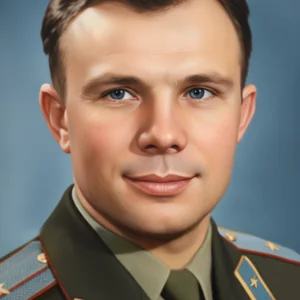
Yuri Gagarin
1934 — 1968
A Soviet cosmonaut, Yuri Gagarin became the first human to travel into space on 12 April 1961 aboard Vostok 1. His flight made him a worldwide hero and a symbol of Soviet space achievement at the height of the Cold War.
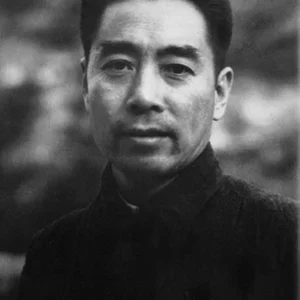
Zhou Enlai
1898 — 1976
Zhou Enlai was the first Premier of the People's Republic of China, from its founding in 1949 until his death in 1976. A skilled diplomat and loyal companion of Mao Zedong, he played a central role in Chinese foreign policy and tempered some of the excesses of the Cultural Revolution.
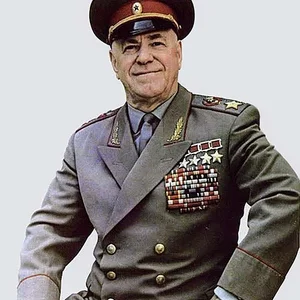
Zhukov
1896 — 1974
Marshal of the Soviet Union and the leading military commander of the Red Army during the Second World War. Victorious in decisive battles against Nazi Germany, he led the final assault on Berlin in 1945.
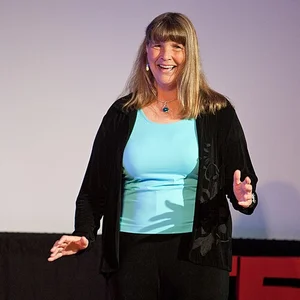
Lynne Cox
1957 — ?
An American long-distance swimmer, Lynne Cox set world records by crossing some of the coldest and most dangerous waters on Earth. She is best known for her 1987 crossing of the Bering Sea, swimming from Alaska to the USSR at the height of the Cold War.