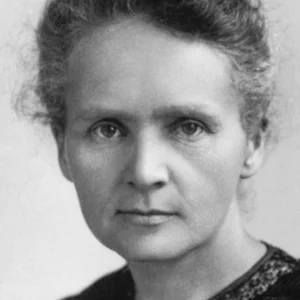

Natalia Goncharova was one of the great figures of the Russian avant-garde in the early 20th century. A painter, draftswoman, and creator of sets and costumes for Diaghilev's Ballets Russes, she blended Russian folk art, icons, and Cubo-Futurist innovations before settling in Paris.
Natalia Goncharova(1881 — 1962)
Natalia Goncharova
Russie, Ukraine
5 min read
Frequently asked questions
Key Facts
- Born in 1881 in the Tula Governorate, Russia
- Co-founded the Rayonist movement with Mikhail Larionov around 1912–1913
- From 1914, created sets and costumes for Diaghilev's Ballets Russes (Le Coq d'Or)
- Settled permanently in Paris in 1919, where she continued her career
- Died in Paris in 1962
Works & Achievements
Polyptych inspired by icons, censored for blasphemy, manifesto of his spiritual neo-primitivism.
Cubo-futurist painting depicting movement and modern urban life, one of his most famous works.
Iconic Rayonnist canvas where forms dissolve into beams of colored rays.
Neo-primitivist composition celebrating everyday objects and gestures.
Dazzling stage design for the Ballets Russes that revolutionized Western theater decor.
Series of canvases glorifying fieldwork in a monumental style inspired by folklore.
Lithographs for avant-garde collections, merging poetry and image.
Anecdotes
In 1910, several religious paintings by Natalia Goncharova were seized by tsarist censors at an exhibition in Moscow: it was deemed scandalous for a woman to paint saints and Evangelists in a style inspired by popular icons. She was even prosecuted for blasphemy but acquitted. The affair made her one of the most talked-about artists in Russia.
With her companion Mikhail Larionov, Goncharova participated in the Russian Futurist movement even on the streets: they painted their faces with flowers and symbols, paraded through Moscow, and gave lecture-performances to shock the bourgeois public. For them, art had to leave museums and invade daily life.
In 1914, Diaghilev entrusted Goncharova with the sets and costumes for the ballet-opera "The Golden Cockerel" to music by Rimsky-Korsakov. Her vibrant colors inspired by Russian peasant art caused a sensation in Paris and permanently changed Western views on stage design. This triumph launched her international career.
Goncharova proudly asserted her roots: she drew from *lubki* (popular printed images), embroidery, and icons rather than Western painting. "I turn to the East," she wrote, while most avant-gardists looked toward Paris. This fidelity to Russian folk art defined the originality of her Neo-Primitivism.
A refugee in Paris from 1919, Goncharova spent the rest of her life in a modest studio with Larionov, often in financial difficulty. The couple officially married only in 1955, after more than forty years of life together. She continued painting almost until her death in 1962.
Primary Sources
I shake the dust from my feet and walk away from the West… My path leads to the source of all arts, the East.
Rayonism is a painting based on spatial forms arising from the intersection of rays reflected by different objects.
We proclaim: the genius of our age is trousers, jackets, shoes, trams, airplanes, railways.
Key Places
Rural region where Goncharova was born in 1881; the countryside and peasant art would mark her entire œuvre.
City of her training and early career, hotbed of the Russian avant-garde (Jack of Diamonds, Donkey's Tail).
Stage where her sets for Diaghilev's Ballets Russes production of “Le Coq d'or” triumphed in 1914.
Neighborhood where she lived and worked with Larionov from 1919 until her death.
Typical Objects

A cheap printed image from Russian folklore, with bright colors and a naive style, which Goncharova directly drew upon for her Neo-Primitivism.

A holy image on wood, the visual model for her censored religious paintings of 1910, which she reinterpreted in a modern language.

Tools of the prolific painter: she exhibited nearly 800 works in her single retrospective of 1913.

Colorful drawings and patterns created for the Ballets Russes, notably *Le Coq d'Or* in 1914.

Collections of avant-garde poems that she hand-illustrated, blending text and image in a new spirit.

Motifs from Russian folk textiles that nourished her decorative forms and colors.

Flowers and signs painted on the skin during futurist happenings in the streets of Moscow.
School Curriculum
Vocabulary & Tags
Key Vocabulary
Tags
Daily Life
Morning
Gontcharova rises early in her studio cluttered with canvases, cardboard, and models. She prepares her colors and works by daylight, sometimes on several paintings at once. Coffee shared with Larionov is an opportunity to discuss ongoing projects.
Afternoon
The afternoon is spent painting, drawing costumes, or engraving illustrations for avant-garde books. In Moscow, she prepares exhibitions and hangings; in Paris, she works on commissions for theater sets. Artists and friends often drop by the studio.
Evening
In the evening, the couple attends conferences, artistic debates, and shows. Before 1915, these were the provocative Futurist evenings in Moscow; in Paris, the dress rehearsals of the Ballets Russes. Gontcharova returns late, her mind full of new ideas.
Food
Coming from the Russian countryside, she retains a taste for simple food: black bread, soups, tea drunk from a samovar. In Paris, amid the material hardship of emigration, meals remain frugal, made from modest products from the neighborhood market.
Clothing
Gontcharova dresses soberly but assertively, refusing the codes of bourgeois coquetry. During Futurist happenings, she dares to paint her face with flowers and signs. She loves patterns inspired by Russian peasant costumes.
Housing
In Moscow, she lives and works in artists' studios at the heart of avant-garde life. From 1919, she shares with Larionov a modest apartment-studio in Paris, near Saint-Germain-des-Prés, cluttered with works and often poorly heated.
Historical Timeline
Period Vocabulary
Visual Style
Un style néo-primitiviste russe aux couleurs vives cernées de noir, mêlant art populaire, icônes et géométrie cubo-futuriste.
Sound Ambience
Des cloches orthodoxes et chants paysans russes aux ateliers bruissants de Moscou, jusqu'à la rumeur d'un théâtre parisien avant un ballet de Diaghilev.
Liens externes & ressources
Références
Œuvres
Les Évangélistes (série religieuse)
1911
Le Cycliste
1913
Cats (Chats rayonnistes)
1913
La Toile / Le Linge (Linen)
1913
Décors et costumes du « Coq d'or »
1914
La Moisson (cycle paysan)
1911
Illustrations de livres futuristes russes
1912-1913