Feminism
Suffragettes, theorists, activists and pioneers — those who carried the fight for women's rights and emancipation.
145 characters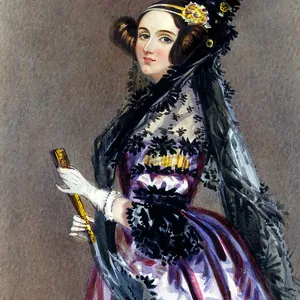
145 characters
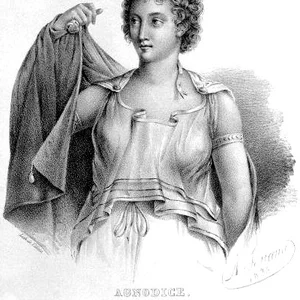
Agnodice
400 av. J.-C. — 360 av. J.-C.
Agnodice is a legendary figure from ancient Greece, presented as the first female physician and gynecologist in Athens in the 4th century BCE. According to the account of the Latin author Hyginus, she disguised herself as a man in order to study medicine under Herophilus in Alexandria, and then to practice in Athens.
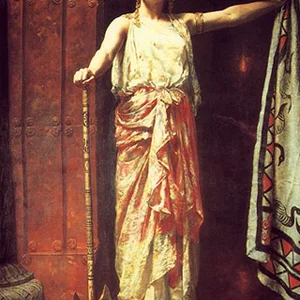
Clytemnestra
A major figure in Greek mythology, Clytemnestra is the wife of King Agamemnon of Mycenae. She murders him upon his return from the Trojan War to avenge the sacrifice of their daughter Iphigenia. She is the central character of Aeschylus's Oresteia (458 BCE).
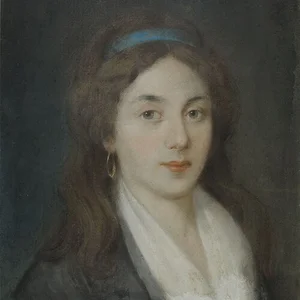
Cornelia
190 av. J.-C. — 100 av. J.-C.
Daughter of Scipio Africanus and wife of Tiberius Sempronius Gracchus, Cornelia (c. 190–100 BC) is the model of the virtuous Roman matron. She raised her twelve children alone after being widowed, refusing a royal remarriage. She is famous for pointing to her sons Tiberius and Gaius as "her most precious jewels."
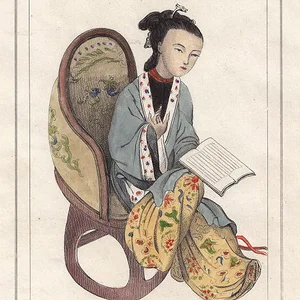
Ban Zhao
45 — 116
Ban Zhao (45–116) was China's first great female scholar, a historian and philosopher under the Eastern Han dynasty. She completed the works of her brother Ban Gu, most notably the Book of Han. Her treatise Lessons for Women (Nüjie) profoundly shaped Confucian thought on the role of women.
Hypatia of Alexandria
vers 355/370 — 415
Greek mathematician, astronomer, and philosopher of the 4th–5th centuries, she taught in Alexandria and advanced the sciences of antiquity. An iconic figure of female scholarship, she was murdered in 415 during religious unrest.
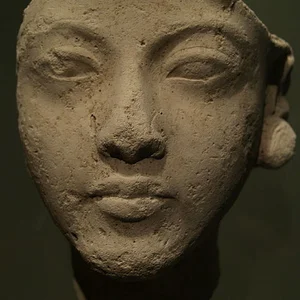
Nefertiti
1369 av. J.-C. — 1329 av. J.-C.
Nefertiti was the Great Royal Wife of Pharaoh Akhenaten, in the 14th century BC. She played an important role in the monotheistic religious reform of her era, promoting the cult of Aten, the sun god. Her idealized face, known through the famous bust, makes her one of the most depicted queens of Egypt.
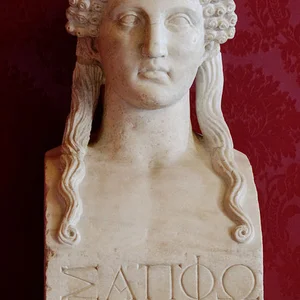
Sappho
650 av. J.-C. — 569 av. J.-C.
Greek lyric poet of the 7th century BCE, from the island of Lesbos. Recognized as one of the greatest poets of ancient Greece, she composed intimate lyric poems expressing personal emotions, particularly about love and friendship. Her work, largely lost, has profoundly influenced Western literature.
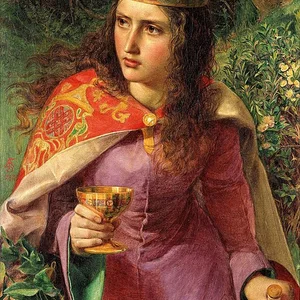
Eleanor of Aquitaine
1124 — 1204
Duchess of Aquitaine and Countess of Poitou, Eleanor of Aquitaine (1124–1204) was Queen of France through her marriage to Louis VII, then Queen of England after her union with Henry II Plantagenet. A towering figure of the Middle Ages, she wielded considerable political influence and was the mother of several kings of England.
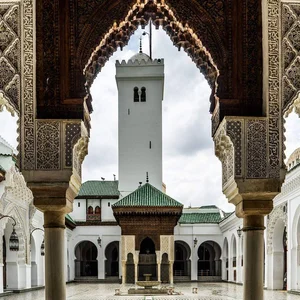
Fatima al-Fihri
A Muslim scholar and patron from Kairouan (present-day Tunisia), Fatima al-Fihri founded the al-Qarawiyyin mosque-university in Fez in 859, considered the oldest continuously operating university in the world. Born into a Berber-Arab family that emigrated to Morocco, she devoted her entire fortune to this institution of learning.
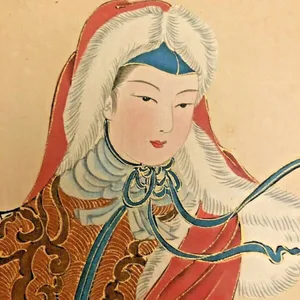
Mulan
Mulan is a legendary figure from Chinese literature — a young woman said to have disguised herself as a man to take her father's place in the army. Her story, popularized by the Disney animated film, embodies the values of filial piety and courage.
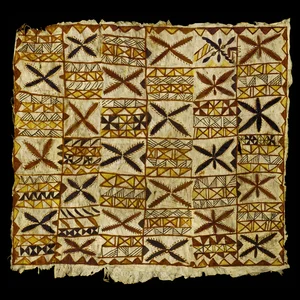
Nafanua
A warrior goddess of Samoan mythology, Nafanua is a central figure of feminine power in Polynesia. According to the oral traditions of the Samoan people, she led armies to victory and contributed to the unification of the Samoan islands in the pre-colonial era.
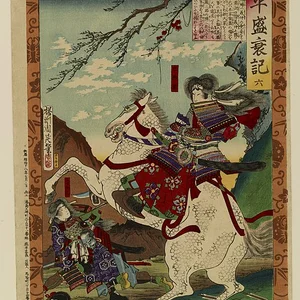
Tomoe Gozen
1157 — 1247
Tomoe Gozen is one of the rare female samurai (onna-musha) in Japanese history. An exceptional warrior in the service of Minamoto no Yoshinaka, she distinguished herself during the Genpei War (1180–1185) through her mastery of the bow, the sword, and horsemanship.
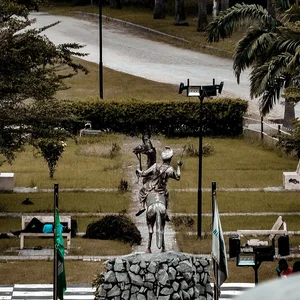
Amina of Zazzau
A Hausa warrior queen of the kingdom of Zazzau (present-day Zaria, Nigeria), Amina reigned around the 16th century according to Hausa oral traditions. She greatly expanded her kingdom's territory through military conquest and is celebrated as a symbol of female power in Hausa collective memory.
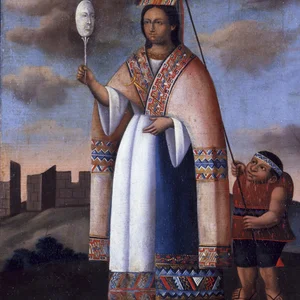
Coya Pacsa
Coya Pacsa was an Inca queen (coya), wife of the Inca Huayna Cápac, who ruled the Tawantinsuyu at the end of the 15th and beginning of the 16th century. A figure of the highest Inca nobility, she embodies the power and political role of the great royal wives in Inca civilization on the eve of the Spanish conquest. Information about her comes primarily from Quechua oral tradition and Spanish colonial chronicles.
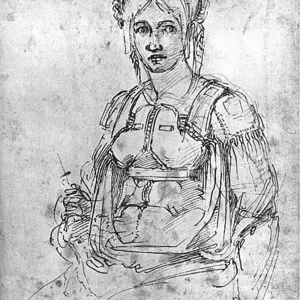
Properzia de' Rossi
1490 — 1530
A Bolognese sculptor of the Renaissance (c. 1490–1530), Properzia de' Rossi is considered the first professional female sculptor in Europe. She is celebrated for her marble bas-reliefs and miniature sculptures carved on apricot pits.
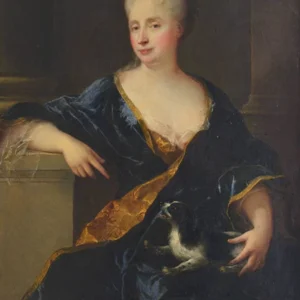
Anne Thérèse de Marguenat de Courcelles, marquise de Lambert
A Parisian writer and salon hostess (1647–1733), she presided over one of the most influential literary salons of the Regency period, frequented by Fontenelle, Montesquieu, and Marivaux. A pioneer in thinking about women's education, she championed their access to intellectual life.
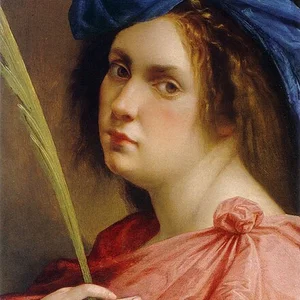
Artemisia Gentileschi
1593 — 1653
Italian painter
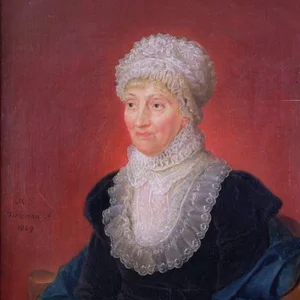
Caroline Herschel
1750 — 1848
A pioneering astronomer from Hanover, Caroline Herschel discovered eight comets and helped map the sky alongside her brother William. She was the first woman to receive the Gold Medal of the Royal Astronomical Society, in 1828.
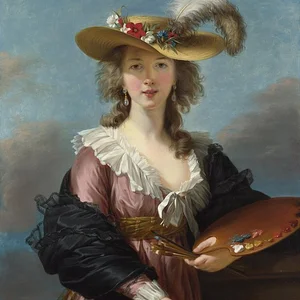
Élisabeth Vigée Le Brun
1755 — 1842
Élisabeth Vigée Le Brun (1755–1842) was one of the greatest portrait painters of the 18th century. Official painter to Marie Antoinette, she completed more than 660 portraits before fleeing the French Revolution. The first woman admitted to the Royal Academy of Painting, she embodied female excellence in an artistic world dominated by men.
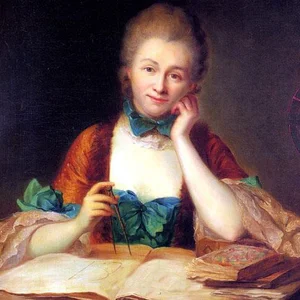
Émilie du Châtelet
1706 — 1749
Émilie du Châtelet (1706-1749) was a French physicist and mathematician of the Enlightenment. She translated and annotated Newton's Principia Mathematica, a work that remained the standard French reference until the 19th century. Voltaire's companion, she demonstrated that kinetic energy is proportional to the square of velocity.
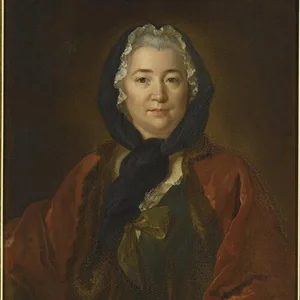
Françoise de Graffigny
1695 — 1758
French writer (1695-1758), pioneer of the epistolary novel in the 18th century. She is best known for her Letters from a Peruvian Woman, a major work of Enlightenment literature that critiques French society through the discerning gaze of an exotic heroine.
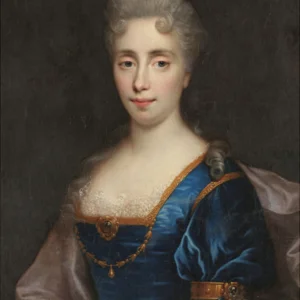
Madame de La Fayette
1634 — 1693
17th-century French writer and pioneer of the psychological novel. Author of The Princess of Clèves, a landmark work exploring the inner feelings and intimate conflicts of its characters. A prominent figure in the literary and cultural life of Louis XIV's court.
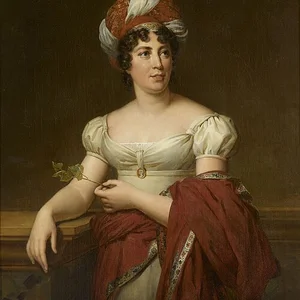
Madame de Staël
1766 — 1817
Germaine de Staël, daughter of minister Necker, was one of the great intellectual voices of her era. A novelist, essayist, and salon hostess, she stood up to Napoleon, who exiled her, and helped introduce German Romanticism to France with her work *De l'Allemagne*.
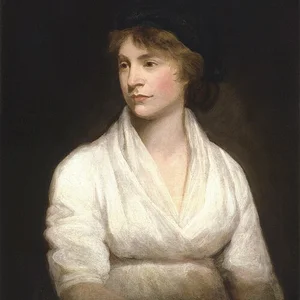
Mary Wollstonecraft
1759 — 1797
Mary Wollstonecraft was an 18th-century British philosopher and writer, a pioneer of feminism. Her landmark work, *A Vindication of the Rights of Woman* (1792), demands equal education and civil rights for women. She embodies Enlightenment thinking applied to the condition of women.
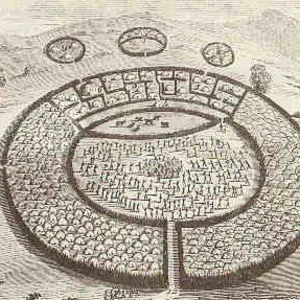
Mkabayi kaJama
1750 — 1843
Zulu princess (c. 1750–1843), influential aunt and advisor to King Shaka, and a major figure in Zulu oral tradition. Born among the Zulu people of southern Africa, she wielded considerable political power within the royal household, particularly during royal successions.
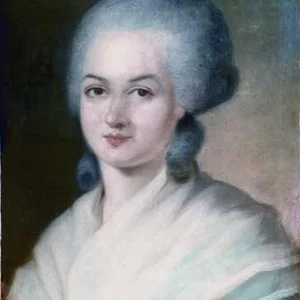
Olympe de Gouges
1748 — 1793
French author, politician and pamphleteer (1748–1793), Olympe de Gouges campaigned for women's rights and the abolition of slavery during the French Revolution. She wrote the Declaration of the Rights of Woman and of the Female Citizen in 1791, a founding document of feminism.
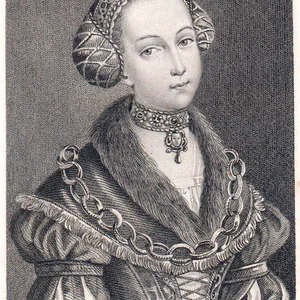
Sidonie von Borcke
A Pomeranian noblewoman born around 1590, Sidonie von Borcke was accused of witchcraft and sentenced to death. Beheaded in 1620 in Stettin, her trial illustrates the violence of persecutions against women in the early modern period.
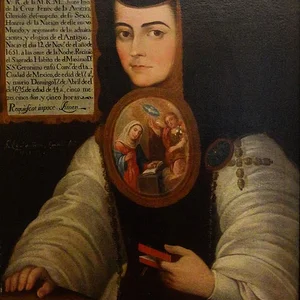
Sor Juana Inés de la Cruz
1651 — 1695
Juana Inés de la Cruz was a Mexican poet and playwright of the 17th century, a towering figure of Hispanic Baroque literature. A self-taught nun in New Spain, she championed women's right to knowledge in a colonial society dominated by men.
Ada Lovelace
1815 — 1852
British mathematician (1815-1852), pioneer of computing and programming. She wrote the first algorithm intended to be executed by a machine, working on Charles Babbage's Analytical Engine. Her legacy makes her a founding figure of theoretical computer science.
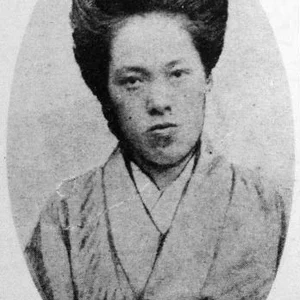
Akiko Yosano
1878 — 1942
Japanese poet and novelist (1878–1942), a major figure in the revival of waka poetry during the Meiji era. A committed feminist, she advocated for women's emancipation and opposed Japanese militarist nationalism.
Alexandra David-Néel
1868 — 1969
French explorer and writer (1868-1969), Alexandra David-Néel was the first Western woman to reach Lhasa, the capital of Tibet, in 1924. A passionate Orientalist, she devoted her life to exploring and studying Asian cultures, particularly Tibetan Buddhism.
Alexandra Kollontai
1872 — 1952
A Russian Bolshevik revolutionary, Alexandra Kollontai was one of the first women in the world to hold a diplomatic post. A theorist of socialist feminism, she championed women's emancipation and freedom from traditional marriage.
Amelia Earhart
1897 — 1939
A pioneering American aviator of the 20th century, Amelia Earhart made history in aviation by becoming the first woman to cross the Atlantic by plane in 1928. She disappeared in 1937 during an attempt to circumnavigate the globe along the equator, becoming a legendary figure in the history of aerial exploration.
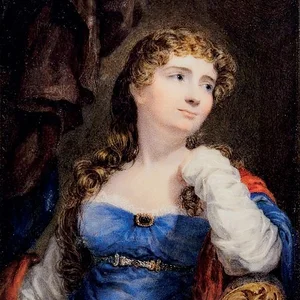
Annabella Milbanke
1792 — 1860
British aristocrat (1792–1860), self-taught mathematician and philanthropist, she married the poet Lord Byron in 1815 before separating from him a year later. She went on to dedicate herself to popular education and social reform, and is the mother of Ada Lovelace, pioneer of computing.
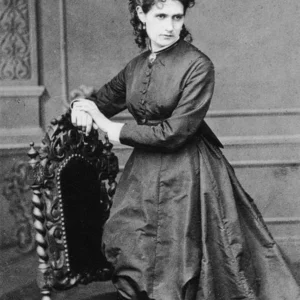
Berthe Morisot
1841 — 1895
Berthe Morisot (1841–1895) is one of the leading figures of French Impressionism. The first woman to exhibit with the Impressionist group from 1874 onward, she developed a luminous style centered on intimate life, motherhood, and gardens. Sister-in-law of Édouard Manet, she established herself as a fully independent artist in a world dominated by men.

Bronisława Dłuska
Polish physician (1865-1939), elder sister of Marie Curie, she funded her sister's studies in Paris. A pioneer of women's medicine in Poland, she ran a clinic in Zakopane and campaigned for women's emancipation.
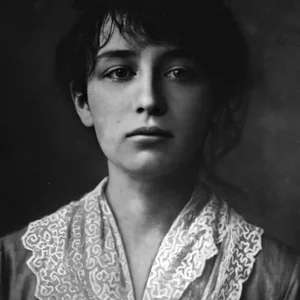
Camille Claudel
1864 — 1943
French sculptor and painter (1864–1943), she is one of the great artists of the late 19th century. A student and collaborator of Auguste Rodin, she developed her own artistic language before being gradually forgotten and committed to an asylum in 1913.
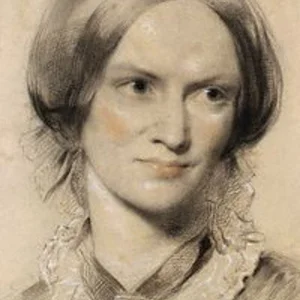
Charlotte Brontë
1816 — 1855
Charlotte Brontë was a 19th-century British novelist, author of Jane Eyre (1847), a masterpiece of Victorian literature. The daughter of a clergyman in Yorkshire, she published under a male pseudonym (Currer Bell) to gain acceptance in the literary world. Her work powerfully explores the feminine condition, independence, and passion.
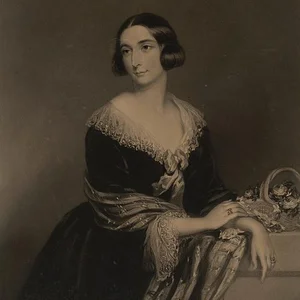
Charlotte Guest
1812 — 1895
British translator and businesswoman (1812–1895), celebrated for her English translation of the Mabinogion, a foundational collection of medieval Welsh myths and legends. She also managed the Dowlais ironworks in Wales, becoming one of the first women to run a major industrial enterprise.
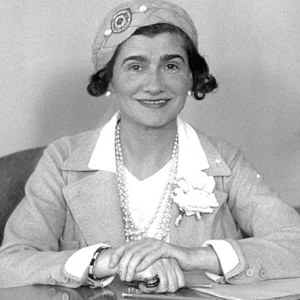
Coco Chanel
1883 — 1971
Revolutionary French fashion designer (1883–1971), Coco Chanel transformed women's fashion by offering simple, comfortable, and elegant clothing. Founder of the eponymous fashion house, she established modern style and freedom of movement as the new standards of elegance.
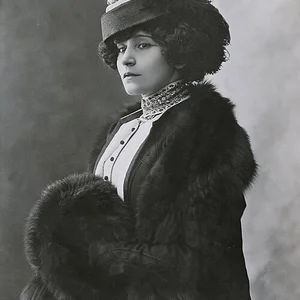
Colette
1873 — 1954
French novelist, playwright, and journalist (1873–1954), Colette is a towering figure of twentieth-century French literature. A prolific author, she explores themes of sensibility, nature, and female freedom through poetic, sensory prose.
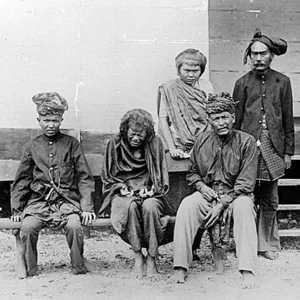
Cut Nyak Dhien
1848 — 1908
An Indonesian national heroine, Cut Nyak Dhien led armed resistance against Dutch occupation in the Aceh region (Sumatra) following the death of her husband. A symbol of Indonesian nationalism, she fought until her capture in 1905 despite serious illness.
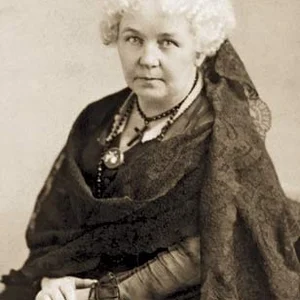
Elizabeth Cady Stanton
1815 — 1902
American women's rights activist (1815–1902), she co-organized the Seneca Falls Convention in 1848, the first major gathering for women's suffrage in the United States. Author of the Declaration of Sentiments, she devoted her life to the civic and political equality of women.
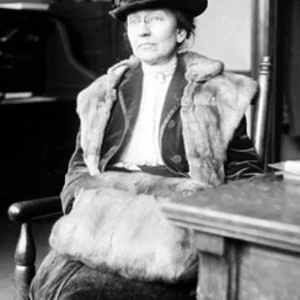
Ellen Gates Starr
1859 — 1940
American social reformer, co-founder with Jane Addams of Hull House in Chicago in 1889. An activist in the Arts and Crafts movement and workers' rights, she worked for popular education and improving the living conditions of immigrants.
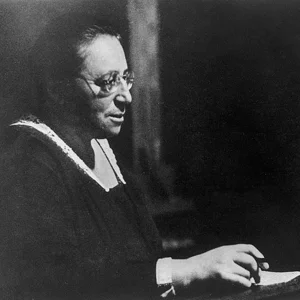
Emmy Noether
1882 — 1935
German mathematician (1882–1935) considered one of the greatest mathematicians of the 20th century. She revolutionized abstract algebra, and her landmark theorem established the deep connection between symmetries and conservation laws in physics.
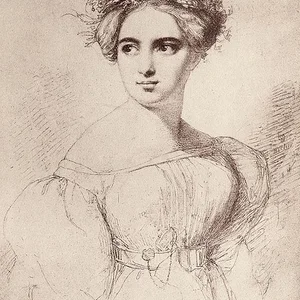
Fanny Mendelssohn
1805 — 1847
Fanny Mendelssohn (1805–1847) was a German composer and virtuoso pianist, sister of Felix Mendelssohn. Despite exceptional talent recognized from childhood, the conventions of the era long prevented her from publishing her works under her own name. She composed more than 460 pieces, including lieder, chamber music, and piano works.
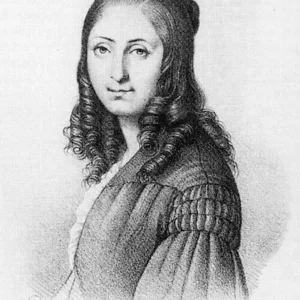
Flora Tristan
1803 — 1844
French journalist and feminist activist (1803–1844), Flora Tristan championed the emancipation of women and the condition of the working class in the 19th century. She was a pioneer of feminism and socialism, placing the question of women at the heart of political and social debate.
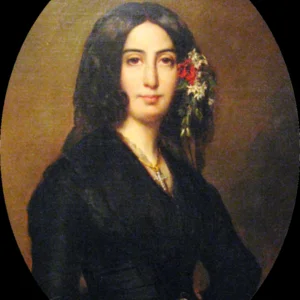
George Sand
1804 — 1876
A French novelist of the 19th century, George Sand (1804-1876) was one of the most prolific and innovative writers of her era. A champion of individual freedom and equal rights, she left a lasting mark on Romantic literature through her social novels and a life that openly defied the conventions of her time.
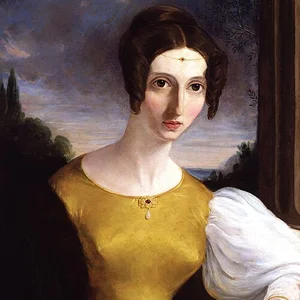
Harriet Taylor Mill
1807 — 1858
Harriet Taylor Mill (1807-1858) was a British philosopher and feminist, a major figure in 19th-century liberal thought. A collaborator and wife of John Stuart Mill, she profoundly influenced his works, particularly on individual liberty and the emancipation of women.
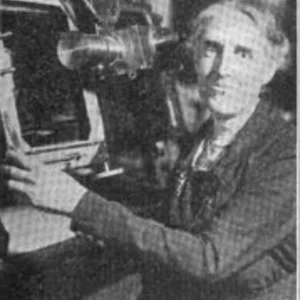
Henrietta Leavitt
1868 — 1921
Henrietta Swan Leavitt (1868-1921) was an American astronomer who discovered the period-luminosity relationship of Cepheid stars, giving humanity a tool to measure distances across the universe. Working as a "human computer" at the Harvard Observatory, she transformed astronomy despite the discrimination she faced because of her gender.
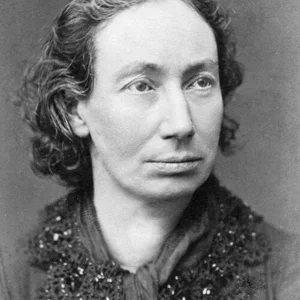
Louise Michel
1830 — 1905
Teacher and leading figure of the French anarchist movement (1830–1905), Louise Michel dedicated herself to educating poor children before becoming one of the heroines of the Paris Commune. Exiled and imprisoned for her revolutionary actions, she devoted her life to the struggle for social equality and the emancipation of the oppressed.
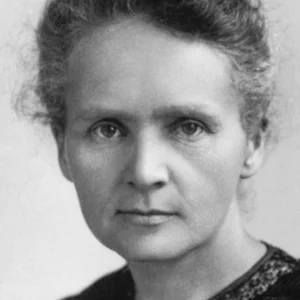
Marie Curie
1867 — 1934
Polish-born French physicist and chemist (1867–1934). A pioneer in the study of radioactivity, she was the first woman to receive a Nobel Prize and the only person to receive two Nobel Prizes in different scientific fields. Her discoveries revolutionized modern physics and chemistry.
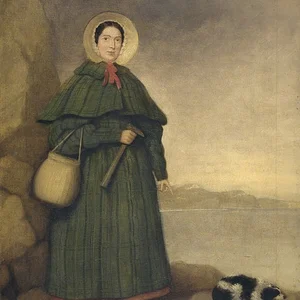
Mary Anning
1799 — 1843
Mary Anning was a self-taught English paleontologist who, from childhood, collected fossils along the cliffs of Lyme Regis. She discovered the first complete skeletons of an ichthyosaur and a plesiosaur, revolutionizing the understanding of extinct species. Despite her major contributions, she was long excluded from scientific circles because of her sex and her modest background.
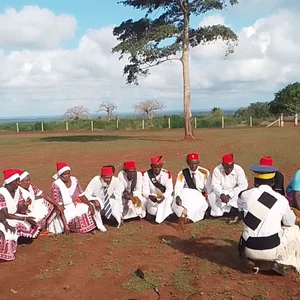
Mekatilili wa Menza
1840 — 1925
A Giriama woman from Kenya, Mekatilili wa Menza led the resistance against British colonial rule during the 1913–1914 revolt. Arrested and deported, she escaped and continued fighting for her people's freedom.
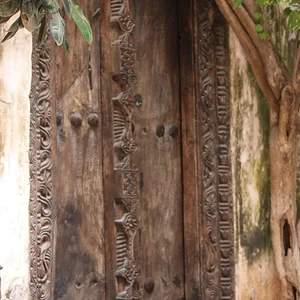
Mwana Kupona
1810 — 1860
A 19th-century Swahili poet born on the island of Pate (present-day Kenya), belonging to the Swahili culture of the East African coast. She is the author of the celebrated Utendi wa Mwana Kupona, a long didactic poem composed around 1858 for her daughter, first transmitted orally and later written down.
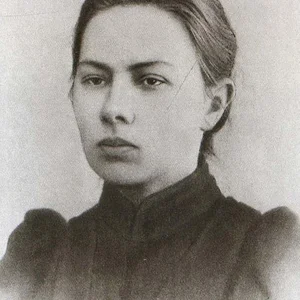
Nadezhda Krupskaya
1869 — 1939
Russian revolutionary and educator (1869–1939), wife of Lenin and Bolshevik activist. She played a central role in Soviet educational policy after 1917, particularly in mass literacy campaigns and the reform of public schooling.

Nana Asma'u
1793 — 1864
Princess, poet, and Fulani scholar of the Sokoto Caliphate (present-day Nigeria), daughter of reformer Usman dan Fodio. She wrote in Arabic, Fulfulde, and Hausa, and founded a network of traveling female teachers to educate rural women. A major figure of West African Islam in the 19th century.
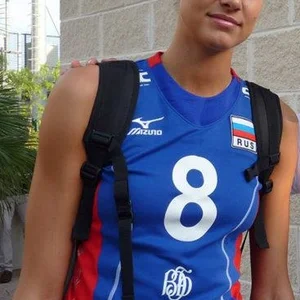
Natalia Goncharova
1881 — 1962
Natalia Goncharova was one of the great figures of the Russian avant-garde in the early 20th century. A painter, draftswoman, and creator of sets and costumes for Diaghilev's Ballets Russes, she blended Russian folk art, icons, and Cubo-Futurist innovations before settling in Paris.
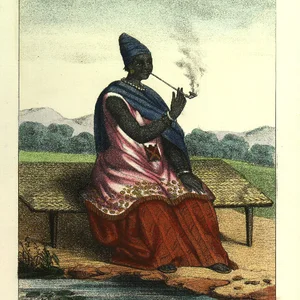
Ndate Yalla Mbodj
The last queen (linguère) of the Waalo, a Wolof kingdom in Senegal, Ndate Yalla Mbodj fiercely resisted French expansion in the 1840s–1850s. An iconic figure of African pre-colonial resistance, she is celebrated in Wolof and Toucouleur oral traditions.
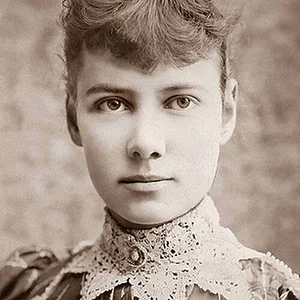
Nellie Bly
1864 — 1922
A pioneering American journalist, Nellie Bly made her mark through undercover investigative journalism, most notably by having herself committed to a psychiatric asylum to expose its conditions. In 1889, she traveled around the world in 72 days, breaking the fictional record of Phileas Fogg.
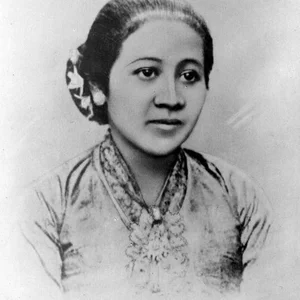
Raden Ajeng Kartini
1879 — 1904
Raden Ajeng Kartini is a Javanese aristocrat from the Dutch East Indies who became a pioneer of women's emancipation in Southeast Asia. Through her letters to Dutch correspondents, she denounced the condition of women in colonial society and advocated for their access to education. Dying at age 25, she remains a national symbol in Indonesia.
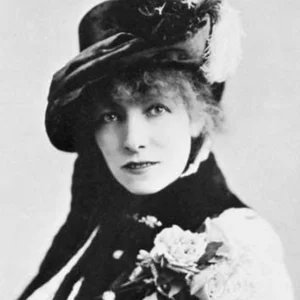
Sarah Bernhardt
1844 — 1923
painter (born 1989)
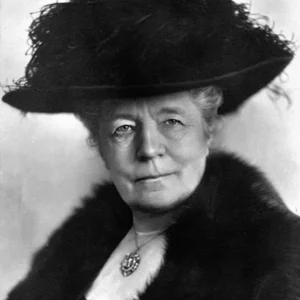
Selma Lagerlöf
1858 — 1940
Selma Lagerlöf (1858-1940) was the first woman to receive the Nobel Prize in Literature, awarded in 1909. This Swedish author is best known for her novel 'The Wonderful Adventures of Nils', which has become a worldwide classic of children's literature.
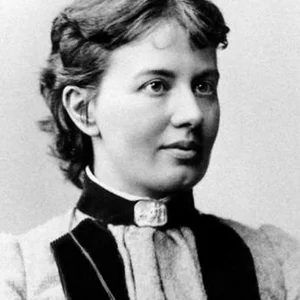
Sofia Kovalevskaya
1850 — 1891
Sofia Kovalevskaya (1850–1891) was the first woman to earn a doctorate in mathematics in Europe and the first female professor of mathematics at a modern university. A pioneer in analysis and mechanics, she broke through the barriers of the male academic world to establish herself as a leading mathematician.
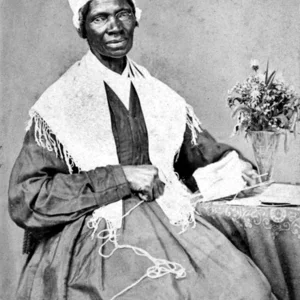
Sojourner Truth
1797 — 1883
African-American abolitionist and women's rights activist

Stella Zeehandelaar
Dutch-born anarchist and feminist militant who emigrated to the United States, known for her correspondence with Emma Goldman in the 1890s–1900s. A prominent figure in New York's anarchist and labor circles at the end of the nineteenth century.
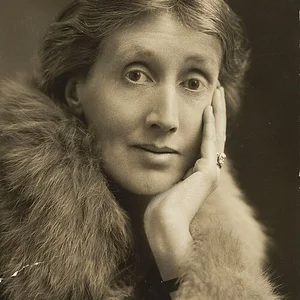
Virginia Woolf
1882 — 1941
British author (1882–1941), Virginia Woolf is one of the most important figures in 20th-century modernist literature. Author of Mrs Dalloway and Orlando, she revolutionized the novel through her use of stream of consciousness and her pioneering reflections on feminism and the condition of women.
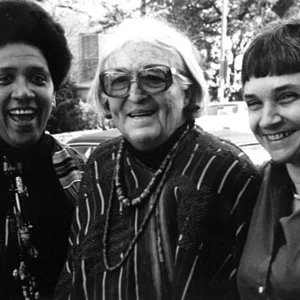
Adrienne Rich
1929 — 2012
American poet and essayist (1929-2012), a major figure of literary feminism. Her work explores female identity, sexuality, and political commitment. She received the National Book Award in 1974 for “Diving into the Wreck”.
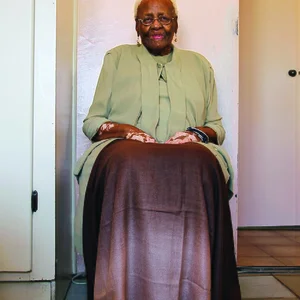
Amina Cachalia
1930 — 2013
A South African anti-apartheid activist of Indian descent, Amina Cachalia devoted her life to fighting racial segregation in South Africa. A close ally of Nelson Mandela and the ANC, she was a leading figure in the Federation of South African Women.
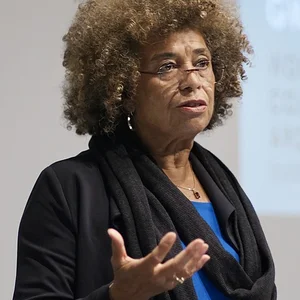
Angela Davis
1944 — ?
African-American civil rights activist, philosopher, and university professor born in 1944 in Birmingham, Alabama. An iconic figure of the Black Power movement and intersectional feminism, she was imprisoned in 1970 before being acquitted. She remains a leading voice against systemic racism and social inequality.
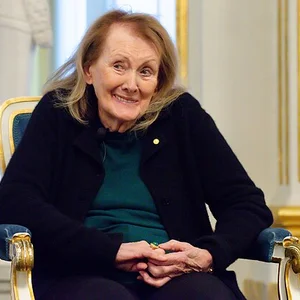
Annie Ernaux
1940 — ?
French writer born in 1940, Annie Ernaux is known for her innovative approach to autofiction and auto-sociobiography. Her major work, A Man's Place (1983), traces her father's story and social journey, marking a turning point in contemporary French literature.
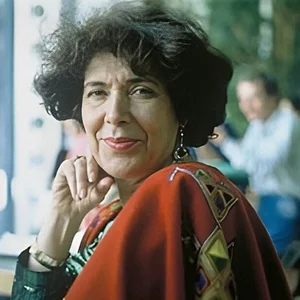
Assia Djebar
1936 — 2015
Assia Djebar, whose real name was Fatima-Zohra Imalayen, was an Algerian novelist and filmmaker who wrote in French. A pioneer of North African women's literature, she gave voice to Algerian women through a body of work blending memory, History, and feminism. In 2005, she became the first North African woman elected to the Académie française.
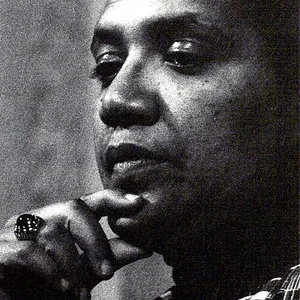
Audre Lorde
1934 — 1992
Audre Lorde (1934-1992) was an American poet, essayist, and activist, a leading figure in Black feminism and the civil rights struggle. She theorized intersectionality before the term existed, championing the rights of Black women, LGBT people, and the oppressed.
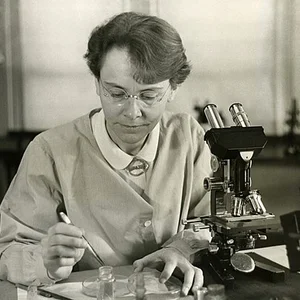
Barbara McClintock
1902 — 1992
Barbara McClintock is a pioneering American geneticist who discovered transposable elements, known as "jumping genes," in maize as early as the 1940s. Long overlooked by the scientific community, she received the Nobel Prize in Physiology or Medicine in 1983, the only woman to have received it unshared in that discipline.
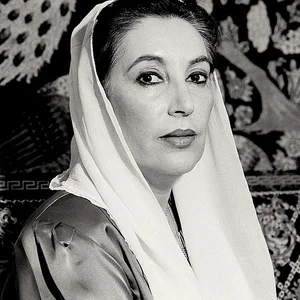
Benazir Bhutto
1953 — 2007
Benazir Bhutto was the first woman to lead a government in a Muslim-majority country, becoming Prime Minister of Pakistan in 1988. The daughter of Prime Minister Ali Bhutto, she fought against military dictatorships and became a symbol of democracy and women's rights in South Asia. Assassinated in an attack in 2007, she remains an iconic figure of political courage.
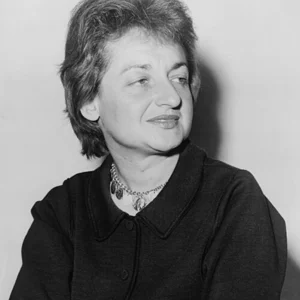
Betty Friedan
1921 — 2006
American essayist and feminist activist (1921–2006), Betty Friedan transformed society with her book The Feminine Mystique (1963), which ignited the second wave of feminism in the United States. Co-founder of the National Organization for Women (NOW), she fought for equal rights for women.
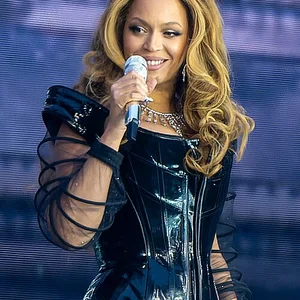
Beyoncé
1981 — ?
Beyoncé is an American singer, songwriter, and producer born in 1981 in Houston, Texas. A former member of Destiny's Child, she became one of the most influential solo artists of the 21st century, blending R&B, pop, and hip-hop.
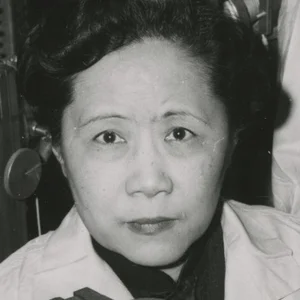
Chien-Shiung Wu
1912 — 1997
Chien-Shiung Wu was a Chinese-American experimental physicist, nicknamed "the First Lady of Physics." Her 1956 experiment disproved the law of conservation of parity, upending particle physics. Unjustly passed over for the Nobel Prize awarded to Lee and Yang for that discovery, she remains one of the most important figures in twentieth-century physics.
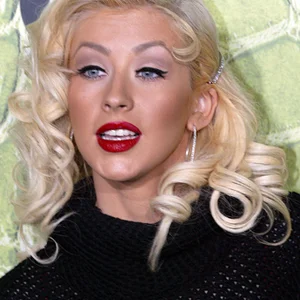
Christina Aguilera
1980 — ?
Christina Aguilera is an American singer, songwriter, and actress born in 1980. Breaking through in 1999, she established herself as one of the most powerful voices of her generation, blending pop, R&B, and soul. She became a symbol of female empowerment in the music industry at the turn of the 21st century.
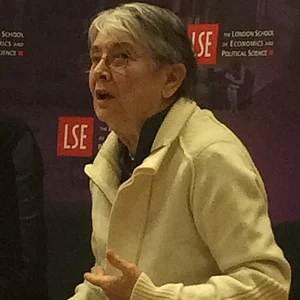
Christine Delphy
1941 — ?
French materialist feminist sociologist, Christine Delphy co-founded the Women's Liberation Movement in 1970. She theorized patriarchy as a system of economic exploitation of women and developed the concept of the domestic mode of production.
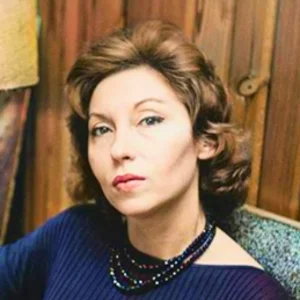
Clarice Lispector
1920 — 1977
Clarice Lispector, born in Ukraine and raised in Brazil, is one of the greatest Portuguese-language writers of the 20th century. Her work, deeply introspective, renews Brazilian prose through a unique poetic and philosophical style.
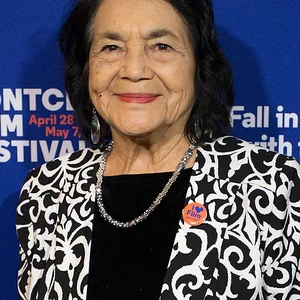
Dolores Huerta
1930 — ?
Dolores Huerta, born in 1930 in New Mexico, is an American labor and civil rights activist. Co-founder alongside César Chávez of the United Farm Workers (UFW), she championed the rights of migrant farmworkers, predominantly Latino. Her slogan “Sí, se puede!” has become a global symbol of the struggle for social justice.
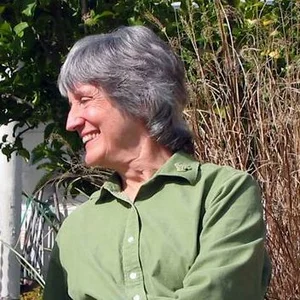
Donna Haraway
1944 — ?
Donna Haraway is an American academic, feminist theorist, and historian of science. Known for her “Cyborg Manifesto” (1985), she questions the boundaries between human, animal, and machine, and rethinks the relationships between nature, technology, and feminism.
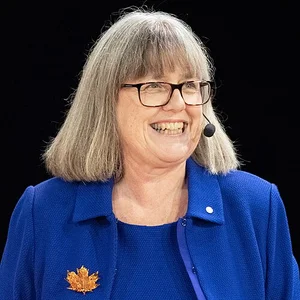
Donna Strickland
1959 — ?
Donna Strickland is a Canadian physicist and pioneer in the field of ultra-intense lasers. In 1985, she co-developed with Gérard Mourou the technique of chirped pulse amplification (CPA), revolutionizing laser physics. In 2018, she received the Nobel Prize in Physics, becoming only the third woman ever to receive this distinction.
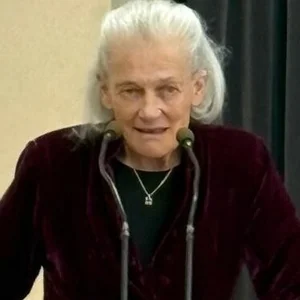
Élisabeth Badinter
1944 — ?
French philosopher and historian, born in 1944, heiress to the Publicis group. She profoundly renewed thinking on the female condition, motherhood and identity, championing a universalist and republican feminism.
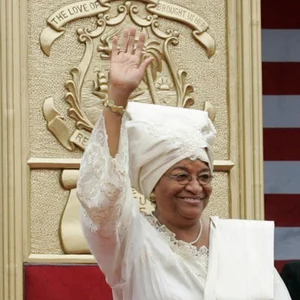
Ellen Johnson Sirleaf
1938 — ?
Ellen Johnson Sirleaf became in 2006 the first woman elected president of an African state, leading Liberia after a long civil war. A trained economist, she worked to rebuild the country and foster national reconciliation, receiving the Nobel Peace Prize in 2011.
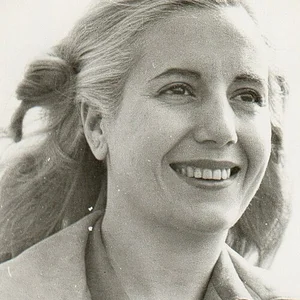
Eva Perón
1919 — 1952
Eva Perón, wife of Argentine president Juan Perón, became one of the most influential political figures in Latin America. A symbol of the descamisados (shirtless ones), she fought for workers' and women's rights, notably securing women's suffrage in Argentina in 1947.
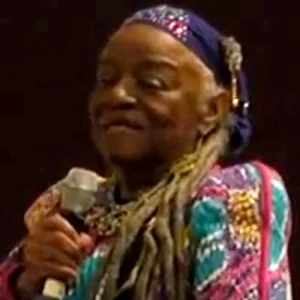
Faith Ringgold
1930 — 2024
Faith Ringgold (1930-2024) was an African American artist, painter, and mixed-media artist, famous for her “story quilts”—narrative quilts blending painting, fabric, and text. Committed to the civil rights and feminist movements, she was also an author of children's books.
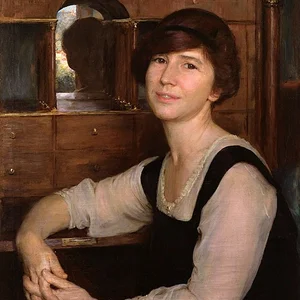
Freya Stark
1893 — 1993
Freya Stark was a British explorer and writer who travelled through the most remote regions of the Middle East in the twentieth century. The first Western woman to reach certain valleys of Arabia and Iran, she published numerous travel narratives combining scholarship and adventure. Her work helped introduce the Arab world to European readers.
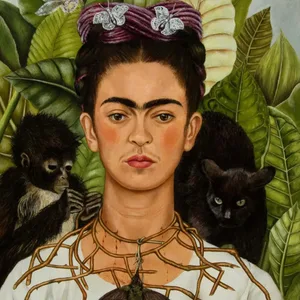
Frida Kahlo
1907 — 1954
Mexican painter (1907–1954), renowned for her expressionist self-portraits and works exploring physical pain and identity. An iconic figure of surrealism and feminism, she transformed her personal suffering into major artistic creation.
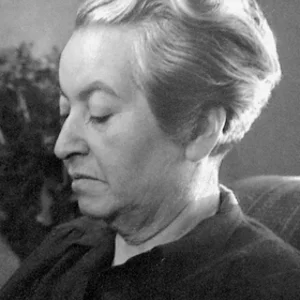
Gabriela Mistral
1889 — 1957
Gabriela Mistral, born Lucila Godoy Alcayaga, was a Chilean poet and diplomat. The first Latin American to receive the Nobel Prize in Literature in 1945, she devoted her work to themes of maternal love, childhood, and Latin American identity.
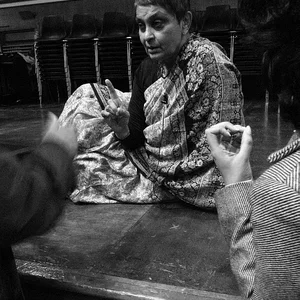
Gayatri Spivak
1942 —
Gayatri Chakravorty Spivak is an Indian philosopher and literary critic, a founding figure in postcolonial studies. Known for her essay "Can the Subaltern Speak?" (1988), she questions whether the dominated can make themselves heard within Western discourses. She is also the English translator of Derrida's *Of Grammatology*.
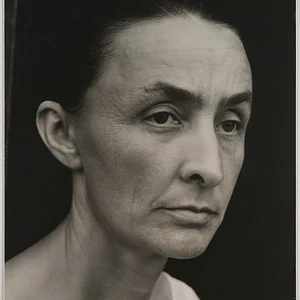
Georgia O'Keeffe
1887 — 1986
Georgia O'Keeffe was a pioneering American painter of modern art, celebrated for her abstract close-up depictions of flowers and her landscapes of New Mexico. Regarded as the "Mother of American Modernism," she asserted a singular style — balancing figuration and abstraction — over a career spanning more than seven decades.
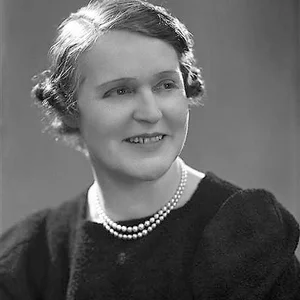
Germaine Tailleferre
1892 — 1983
Germaine Tailleferre (1892-1983) was the only woman in the famous French musical collective known as 'Les Six'. A prolific composer, she created works for piano, orchestra, and opera, maintaining an elegant neoclassical style throughout a career spanning nearly seven decades.
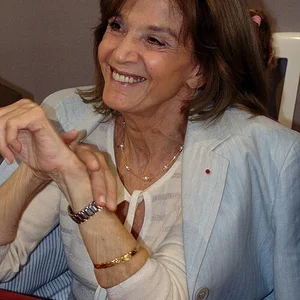
Gisèle Halimi
1927 — 2020
A Franco-Tunisian lawyer and feminist activist, Gisèle Halimi championed the rights of women and colonized peoples throughout the twentieth century. She is best known for the Bobigny trial (1972) and her fight to decriminalize abortion in France.
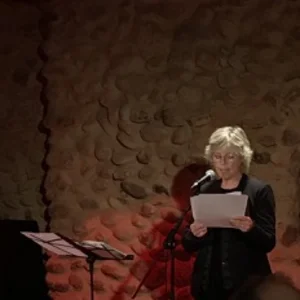
Hélène Dorion
1958 — ?
A Quebec poet and writer born in 1958, Hélène Dorion is a leading figure in contemporary French-Canadian poetry. Her work, marked by introspection and meditation on nature and identity, explores themes of belonging and freedom.
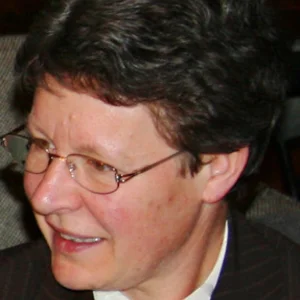
Jocelyn Bell Burnell
1943 — ?
British astrophysicist born in 1943, Jocelyn Bell discovered pulsars in 1967 — neutron stars emitting regular radio signals — during her doctoral thesis. Her thesis supervisor received the Nobel Prize for this discovery, sparking a lasting controversy over the recognition of women in science.
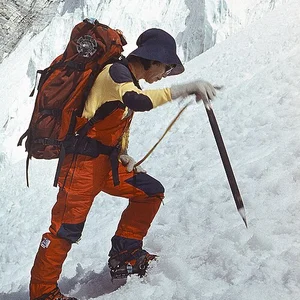
Junko Tabei
1939 — 2016
Junko Tabei (1939–2016) was a Japanese mountaineer who became, in 1975, the first woman to reach the summit of Everest. Founder of the first all-women mountaineering club in Japan, she also climbed the highest peaks on all seven continents. She was a committed advocate for the protection of mountain environments.

Kakutani Yoshie
A twentieth-century Japanese mathematician, Kakutani Yoshie contributed to the growth of modern mathematics in Japan. She worked in an academic environment largely dominated by men, paving the way for women in the exact sciences in Japan.

Kamala Sohonie
1911 — 1998
Kamala Sohonie was an Indian biochemist, the first Indian woman to earn a doctorate in science. She broke down gender barriers in scientific research and studied the nutritional value of local foods.
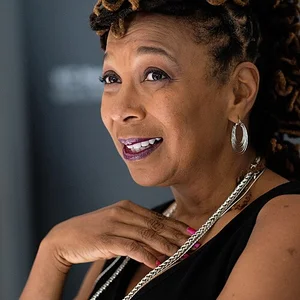
Kimberlé Crenshaw
1959 — ?
American legal scholar and theorist born in 1959, she coined the concept of intersectionality in 1989, showing how racial, gender, and class discrimination intersect and mutually reinforce one another. A professor at UCLA and Columbia, she is one of the founders of Critical Race Theory.
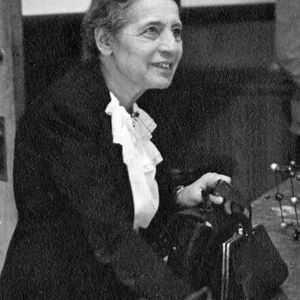
Lise Meitner
1878 — 1968
Austro-Swedish physicist
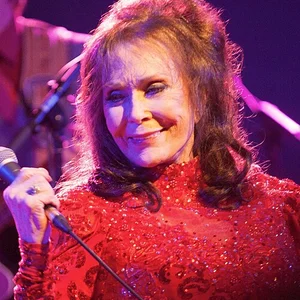
Loretta Lynn
1932 — 2022
American singer-songwriter, Loretta Lynn is one of the founding figures of country music. Born into a poor family in the Appalachians, she authentically sang about the lives of rural American women, their joys and struggles.
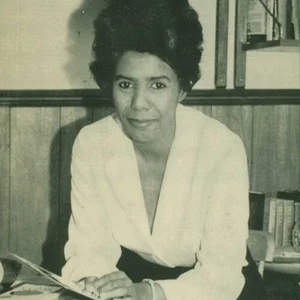
Lorraine Hansberry
1930 — 1965
American playwright and author (1930–1965), Lorraine Hansberry was the first Black woman to have a play produced on Broadway with *A Raisin in the Sun* (1959). A civil rights activist, she wove art and political commitment together in her fight against racial segregation.
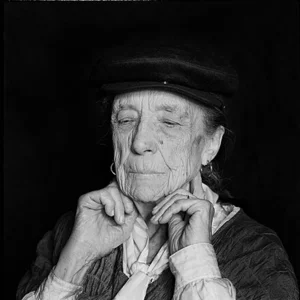
Louise Bourgeois
1911 — 2010
Franco-American sculptor
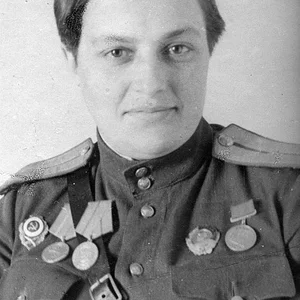
Lyudmila Pavlichenko
1916 — 1974
Lyudmila Pavlichenko is the deadliest sniper in history, credited with 309 confirmed kills on the Soviet-German front. Nicknamed “Lady Death,” she became a symbol of Soviet resistance and an international ambassador as early as 1942.
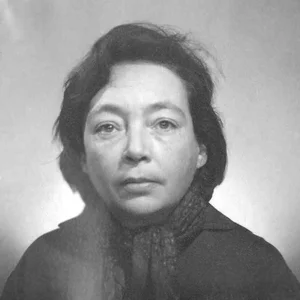
Marguerite Duras
1914 — 1996
French writer, playwright, screenwriter, and filmmaker (1914–1996), Marguerite Duras is a major figure in contemporary literature. Author of The Lover, she revolutionized the novel form by exploring psychological introspection and the formal ruptures of the Nouveau Roman.
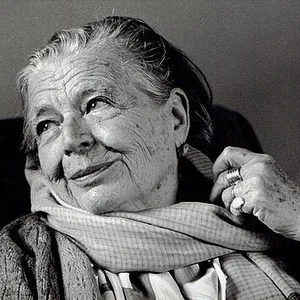
Marguerite Yourcenar
1903 — 1987
French writer (1903–1987), Marguerite Yourcenar is the author of Memoirs of Hadrian, a masterpiece of 20th-century literature. The first woman elected to the Académie française in 1980, she left a lasting mark on literature through her reflections on history and humanity.
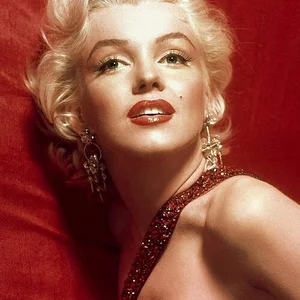
Marilyn Monroe
1926 — 1962
An American actress, model, and singer, Marilyn Monroe became one of the major cultural icons of the 20th century. A symbol of Hollywood glamour and American consumer society in the 1950s–1960s, her tragic life continues to fuel conversations about the treatment of women in the entertainment industry.
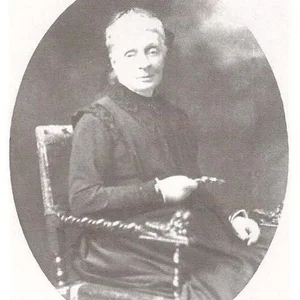
Marquise de Belbeuf
French aristocrat, daughter of the Duke of Morny, known by the nickname “Missy.” A sculptor and music-hall performer, she lived openly dressed as a man and had a famous relationship with the writer Colette, sparking the Moulin Rouge scandal of 1907.
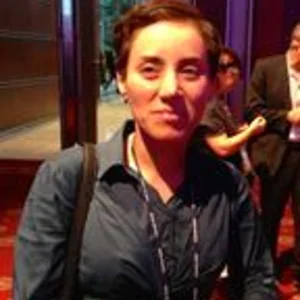
Maryam Mirzakhani
1977 — 2017
Maryam Mirzakhani is the first woman to win the Fields Medal in 2014, the highest honor in mathematics. Born in Iran, she revolutionized the understanding of Riemann surfaces and hyperbolic geometry. A professor at Stanford, she passed away from cancer at just 40 years old, leaving behind a landmark body of mathematical work.
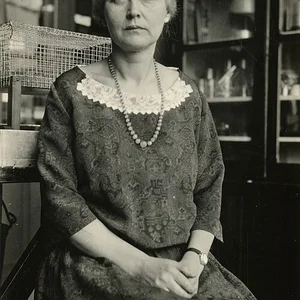
Maud Menten
1879 — 1960
Maud Menten (1879-1960) was a pioneering Canadian biochemist and physician. She co-authored the Michaelis-Menten law of enzyme kinetics (1913), a cornerstone of biochemistry. She was one of the first Canadian women to earn a doctorate in medicine.
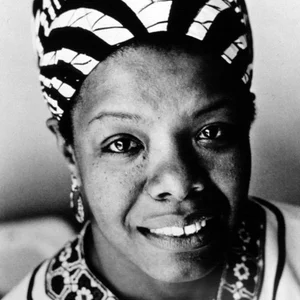
Maya Angelou
1928 — 2014
African-American poet, memoirist, and activist (1928–2014), Maya Angelou is best known for her autobiography I Know Why the Caged Bird Sings. A committed figure in the civil rights movement alongside Martin Luther King Jr., she became one of the most important voices in 20th-century American literature.
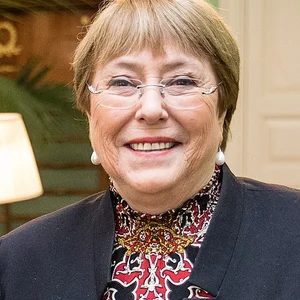
Michelle Bachelet
1951 — ?
Michelle Bachelet, born in 1951 in Chile, is a physician and politician who became the first female president of Chile (2006–2010, then 2014–2018). A human rights activist, she also led UN Women and the UN High Commissioner for Human Rights.
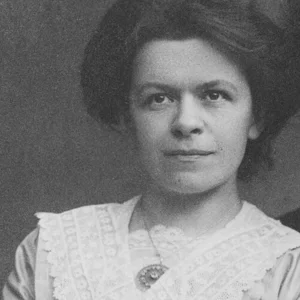
Mileva Marić
1875 — 1948
Serbian mathematician and physicist (1875–1948), the first woman admitted to the physics program at the Zurich Polytechnic. First wife of Albert Einstein, she collaborated on his *annus mirabilis* papers of 1905, though her exact contribution remains debated.
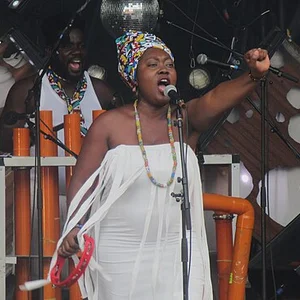
Nana Benz
Collective nickname for the prominent Togolese businesswomen who dominated the wax fabric market in Lomé from the 1960s onward. Iconic figures of female entrepreneurship in West Africa, they earned their nickname from the Mercedes-Benz cars they could afford thanks to their commercial fortunes.

Naomi Ōsaka
1997 — ?
Naomi Ōsaka is a Japanese-American professional tennis player born in 1997 in Osaka. A former world number 1, she has won four Grand Slam titles. She has also been a vocal advocate for social justice and athletes' mental health.
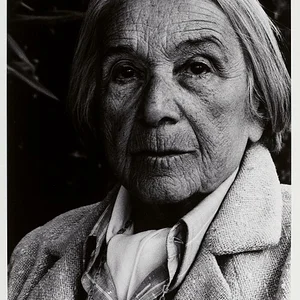
Nathalie Sarraute
1900 — 1999
French writer of Russian origin (1900-1999), Nathalie Sarraute is a major figure of the French Nouveau Roman. She revolutionized the novel form by exploring movements of consciousness and the 'sub-conversations' that animate human relationships.
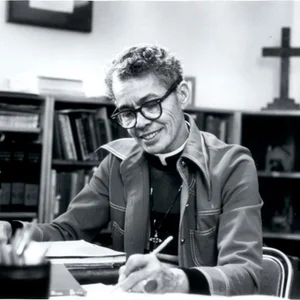
Pauli Murray
1910 — 1985
Lawyer, civil rights activist, and African American feminist, Pauli Murray fought simultaneously against racial segregation and gender discrimination. In 1977, she became the first Black woman ordained as a priest in the American Episcopal Church.
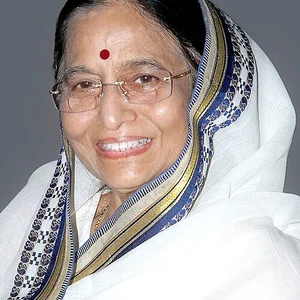
Pratibha Patil
1934 — ?
Pratibha Patil is an Indian politician born in 1934 who became the first female President of India from 2007 to 2012. Trained as a lawyer, she was active within the Indian National Congress party and held numerous government positions before reaching the country's highest office.
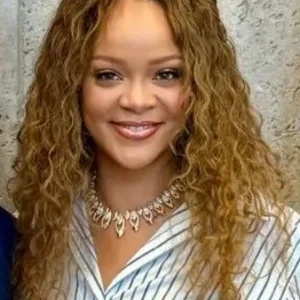
Rihanna
1988 — ?
Rihanna is a Barbadian singer, actress, and businesswoman born in 1988. She rose to international fame in the 2000s and became one of the best-selling music artists in history. She is also the founder of the Fenty Beauty and Savage X Fenty brands.
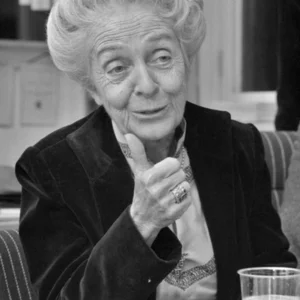
Rita Levi-Montalcini
1909 — 2012
An Italian-American neurologist, Rita Levi-Montalcini discovered nerve growth factor (NGF), revolutionizing neurobiology. She won the Nobel Prize in Medicine in 1986, and continued her research despite fascist racial laws that forced her to work in secret. She remained active in science past the age of 100.
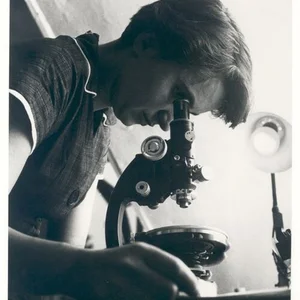
Rosalind Franklin
1920 — 1958
British molecular biologist (1920–1958), Rosalind Franklin made essential contributions to our understanding of DNA structure through her X-ray crystallography work. She is best known for Photo 51, a landmark image that revealed the double helix structure of DNA.
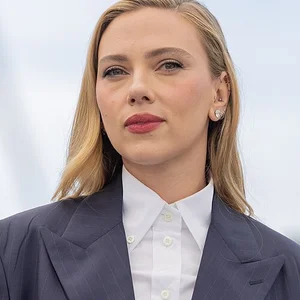
Scarlett Johansson
1984 — ?
An American-Danish actress and singer born in 1984 in New York, Scarlett Johansson established herself in the 2000s as one of Hollywood's most influential actresses. She is also a producer and an advocate for feminist causes.
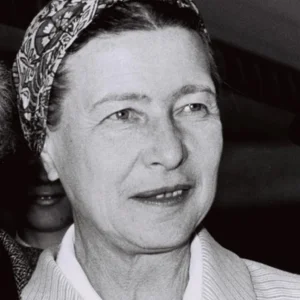
Simone de Beauvoir
1908 — 1986
French philosopher and novelist (1908–1986), Simone de Beauvoir is a towering figure of existentialism and modern feminism. Author of The Second Sex, a foundational essay on the condition of women, she profoundly shaped philosophical thought and emancipatory movements throughout the 20th century.
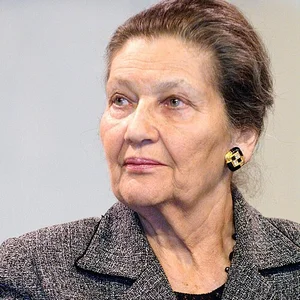
Simone Veil
1927 — 2017
French politician (1927-2017), Holocaust survivor, and Minister of Health under Valéry Giscard d'Estaing. She is celebrated for championing the law decriminalizing abortion in France in 1975, a landmark victory for women's rights.
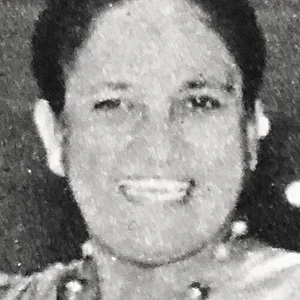
Sirimavo Bandaranaike
1916 — 2000
Sirimavo Bandaranaike was the first woman to become head of government in the world, elected Prime Minister of Ceylon in 1960. The widow of assassinated Prime Minister Solomon Bandaranaike, she succeeded him as leader of the Sri Lanka Freedom Party and served in the role three times.
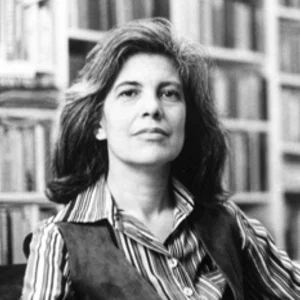
Susan Sontag
1933 — 2004
Susan Sontag (1933-2004) was a major American intellectual of the 20th century — essayist, novelist, and activist. Known for her reflections on photography, illness, and war, she profoundly shaped contemporary critical thought.

Svetlana Savitskaya
Soviet cosmonaut Svetlana Savitskaya was the second woman to travel to space and the first to perform a spacewalk (EVA). She completed two missions aboard the Salyut 7 space station in 1982 and 1984.
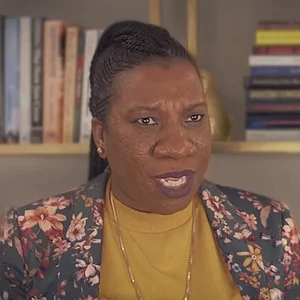
Tarana Burke
1973 — ?
Tarana Burke is an American civil rights activist and founder of the #MeToo movement in 2006. She has dedicated her life to supporting survivors of sexual violence, particularly in underprivileged Black communities.
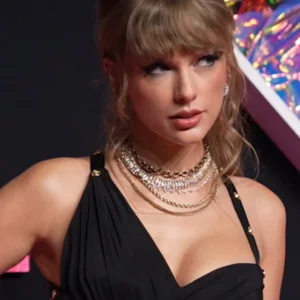
Taylor Swift
1989 — ?
Taylor Swift is an American singer-songwriter born in 1989 in Pennsylvania. She began her career in country music before becoming one of the most influential pop artists of her generation. Her work explores universal themes such as love, identity, and female empowerment.
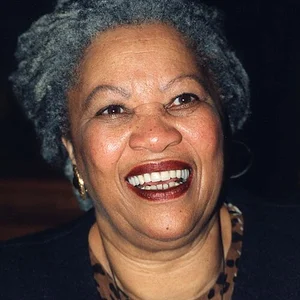
Toni Morrison
1931 — 2019
A towering figure of 20th-century African American literature, Toni Morrison wrote landmark novels exploring the Black American experience, particularly slavery and its lasting trauma. She received the Nobel Prize in Literature in 1993, becoming the first Black woman to be awarded that honor.
Valerie Solanas
1936 — 1988
Valerie Solanas (1936-1988) was an American writer and radical feminist activist. The author of the provocative pamphlet SCUM Manifesto (1967), she remains famous for attempting to assassinate the artist Andy Warhol in 1968.
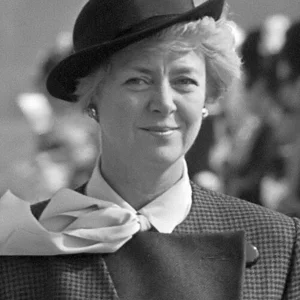
Vigdís Finnbogadóttir
1930 — ?
Vigdís Finnbogadóttir was elected President of Iceland in 1980, becoming the first woman in the world to be democratically elected head of state. Re-elected four times, she served until 1996 and became a global figure in feminism and cultural diplomacy.

Wanda Rutkiewicz
Polish mountaineer (1943–1992), she was the first woman to climb Everest in 1978 and the first European woman to reach its summit. She disappeared in 1992 during her attempt to climb Kangchenjunga.
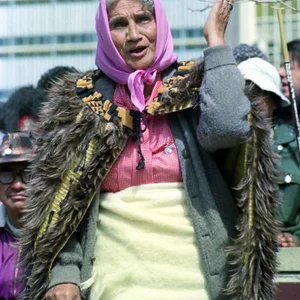
Whina Cooper
1895 — 1994
A New Zealand Māori activist, Whina Cooper dedicated her life to defending her people's land rights. In 1975, at the age of 80, she led the great Māori Land March from Te Hapua to Wellington. Regarded as the 'Mother of the Nation' of the Māori people, she remains a symbol of peaceful resistance.

Xie Xide
1921 — 2000
Xie Xide (1921-2000) was a Chinese physicist, a pioneer of solid-state physics and semiconductors in China. The first woman to serve as president of Fudan University in Shanghai, she played a major role in the development of modern Chinese physics.
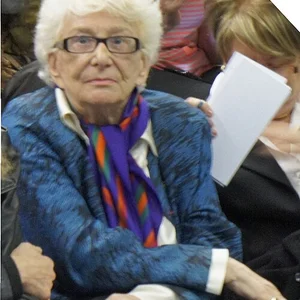
Yvette Roudy
1929 — ?
French politician, feminist activist, and France's first Minister for Women's Rights (1981–1986) under François Mitterrand. She passed legislation against sexism and strengthened the Veil law on abortion.
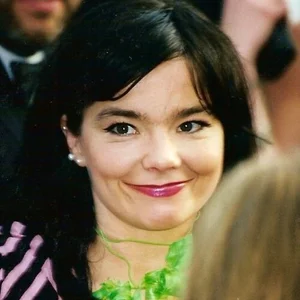
Björk
1965 — ?
Icelandic singer, composer, and artist born in 1965 in Reykjavík, pioneer of experimental electronic music and avant-garde pop. She is also an actress, awarded at Cannes in 2000 for Dancer in the Dark.
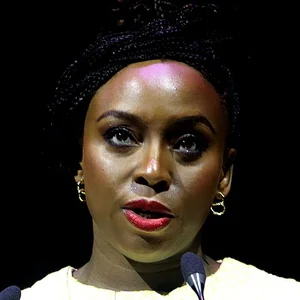
Chimamanda Ngozi Adichie
1977 —
Nigerian writer

Leymah Gbowee
Liberian pacifist activist, she led the women's peace movement in Liberia, helping to end the second civil war in 2003. Nobel Peace Prize in 2011.
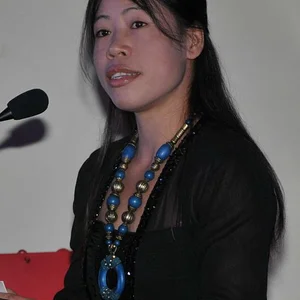
Mary Kom
1982 — ?
Mary Kom is an Indian boxer born in 1983 in the state of Manipur. A six-time amateur world champion and Olympic bronze medalist in 2012, she became an icon of women's sport in India. Nicknamed "Magnificent Mary," she also serves as a member of parliament in the Rajya Sabha.

Solange Knowles
1986 — ?
Solange Knowles is an American singer, songwriter, and producer, a leading figure in alternative R&B and contemporary soul music. The younger sister of Beyoncé, she has established herself as a avant-garde artist celebrated for her album A Seat at the Table (2016).
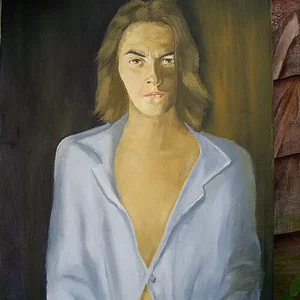
Tracey Emin
1963 — ?
Tracey Emin is a British contemporary artist and a leading figure of the Young British Artists. Her deeply autobiographical work explores intimacy, sexuality and personal suffering through installation, neon, drawing and embroidery.
Wangechi Mutu
1972 — ?
Wangechi Mutu is a Kenyan-American visual artist born in 1972 in Nairobi. She is famous for her monumental collages, sculptures, and installations that explore the Black female body, post-colonialism, and African identity.