Russia
Tsars, revolutionaries, writers, composers and scientists — a thousand years of Russian and Soviet history.
106 characters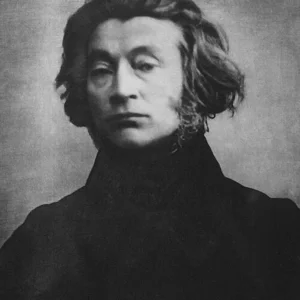
106 characters
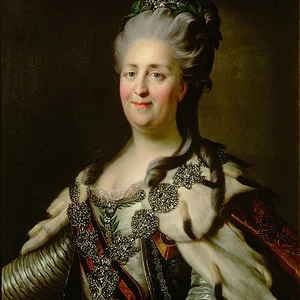
Catherine II of Russia
1729 — 1796
Catherine II, known as Catherine the Great, was Empress of Russia from 1762 to 1796. Of German origin, she overthrew her husband Peter III and modernized the Russian Empire by drawing on the ideas of Enlightenment philosophers, while strengthening autocratic power.
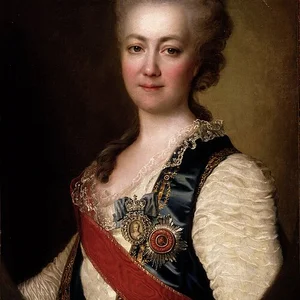
Ekaterina Vorontsova-Dashkova
1743 — 1810
A learned Russian aristocrat and close associate of Catherine II, she played a part in the coup d'état of 1762. The first woman to head the Russian Academy of Sciences, she founded the Russian Academy devoted to the language.
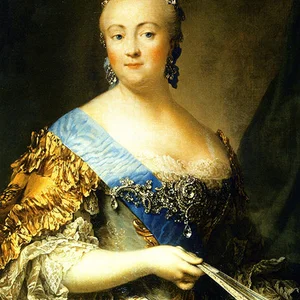
Elizabeth I of Russia
1709 — 1762
Daughter of Peter the Great, Elizabeth I ruled Russia from 1741 to 1762. Her reign was marked by a flourishing of culture, the founding of Moscow University, and Russia's victorious participation in the Seven Years' War.
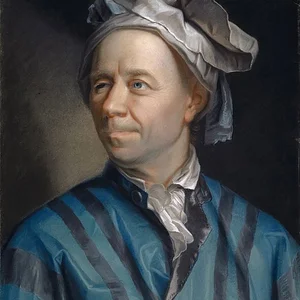
Leonhard Euler
1707 — 1783
Swiss mathematician, physicist, and engineer (1707–1783), Euler is one of the greatest scientists of the 18th century. Prolific and innovative, he contributed to nearly every field of mathematics and physics, despite the blindness that affected him from 1738 onward.
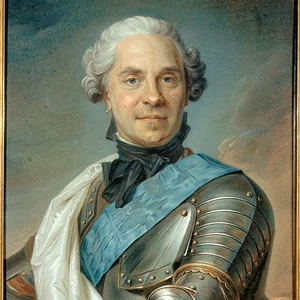
Maurice de Saxe
1696 — 1750
Marshal General of France and illegitimate son of Augustus II of Saxony-Poland. Regarded as one of the greatest military commanders of the 18th century, he distinguished himself with his decisive victory at Fontenoy in 1745 during the War of the Austrian Succession.
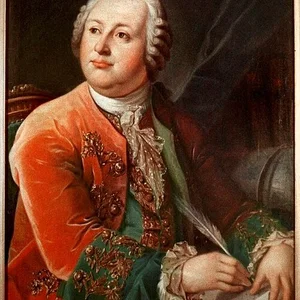
Mikhail Lomonosov
1711 — 1765
An 18th-century Russian scholar — chemist, physicist, and astronomer. A pioneer of Russian science, he formulated a principle of conservation of matter and helped found Moscow University.
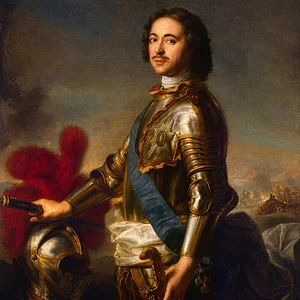
Peter I of Russia
1672 — 1725
Tsar and first Emperor of Russia (1682–1725), Peter I undertook a radical modernization of his empire inspired by Western European models. He founded Saint Petersburg, reformed the army and administration, and transformed Russia into a major European power.
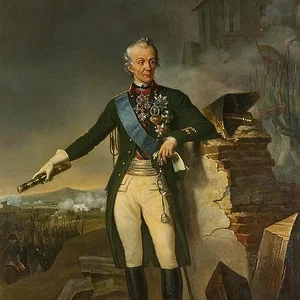
Suvorov
1730 — 1800
18th-century Russian generalissimo, considered one of the greatest military commanders in Russian history. Reputedly undefeated in more than sixty battles, he distinguished himself under the reigns of Catherine II and then Paul I, notably during the wars against the Ottoman Empire and Revolutionary France.
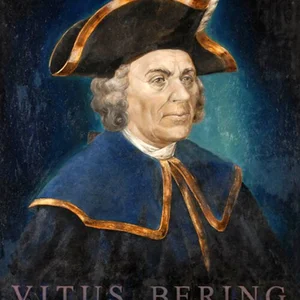
Vitus Bering
1681 — 1741
A Danish navigator and explorer in the service of Imperial Russia, Vitus Bering led two major expeditions to the Russian Far East. He explored the coasts of Siberia and Alaska, and gave his name to the strait separating Asia from America.
Adam Mickiewicz
1798 — 1855
Adam Mickiewicz (1798-1855) is Poland's greatest national poet and a major figure of European Romanticism. His epic and lyrical work expresses nostalgia for occupied Poland and the aspiration for national freedom.
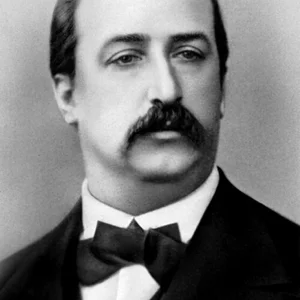
Alexander Borodin
1833 — 1887
A 19th-century Russian composer and member of The Five, he was also a renowned chemist. He pursued scientific and musical careers side by side, leaving behind the unfinished opera *Prince Igor*.
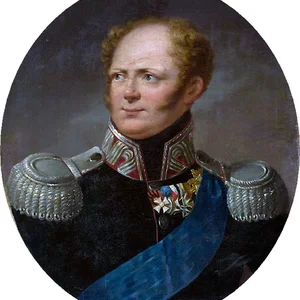
Alexander I
1777 — 1825
Emperor of Russia from 1801 to 1825, Alexander I was one of Napoleon's chief adversaries. Victorious in the campaign of 1812, he played a major role at the Congress of Vienna and founded the Holy Alliance.
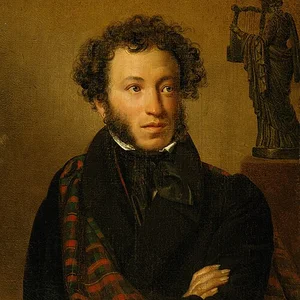
Alexander Pushkin
1799 — 1837
Considered the father of modern Russian literature, Pushkin (1799–1837) wrote foundational works such as Eugene Onegin and The Queen of Spades. Killed in a duel at 37, he embodies Russian Romanticism.
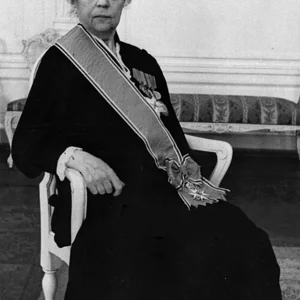
Alexandra Kollontai
1872 — 1952
A Russian Bolshevik revolutionary, Alexandra Kollontai was one of the first women in the world to hold a diplomatic post. A theorist of socialist feminism, she championed women's emancipation and freedom from traditional marriage.
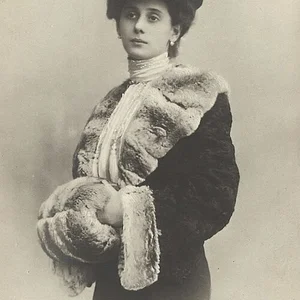
Anna Pavlova
1881 — 1931
Anna Pavlova (1881-1931) was a Russian ballerina considered one of the greatest classical dancers in history. Trained at the Imperial Ballet School in Saint Petersburg, she conquered stages around the world and helped bring the art of classical ballet to an international audience.
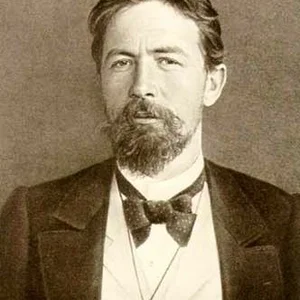
Anton Chekhov
1860 — 1904
Russian writer and playwright, a master of the short story and of modern theatre. Trained as a physician, he renewed dramatic art with plays built on atmosphere and the unspoken rather than on plot, such as The Cherry Orchard and The Three Sisters.
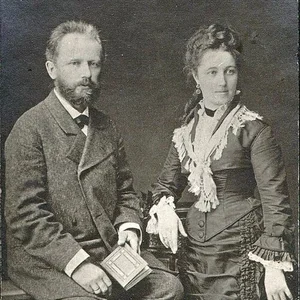
Antonina Miliukova
1848 — 1917
Russian pianist born in 1848, known primarily for marrying composer Pyotr Ilyich Tchaikovsky in 1877. Their union was brief and unhappy, with Tchaikovsky leaving her shortly after the wedding.
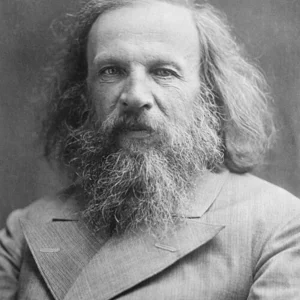
Dmitri Mendeleev
1834 — 1907
Russian chemist (1834–1907), he established in 1869 the periodic table of chemical elements, classifying elements by increasing atomic mass and recurring properties. His table even made it possible to predict the existence of then-unknown elements.
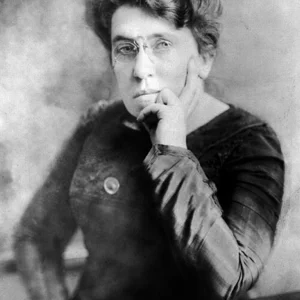
Emma Goldman
1869 — 1940
Emma Goldman (1869-1940) was a Lithuanian-born anarchist and feminist activist who emigrated to the United States. A leading figure in the American labor movement, she championed individual freedom, women's emancipation, and opposed war and capitalism.
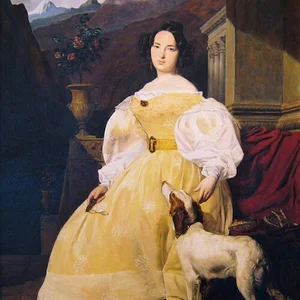
Ewelina Hańska
1805 — 1882
Polish countess famous for her long correspondence with the writer Honoré de Balzac, whom she married in 1850 after eighteen years of exchanging letters. Her relationship with the novelist fed an important part of Balzac's correspondence.
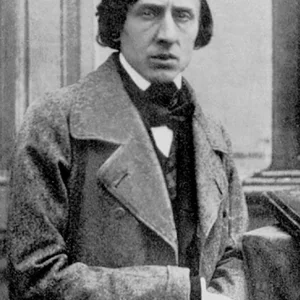
Frédéric Chopin
1810 — 1849
French-Polish composer and pianist
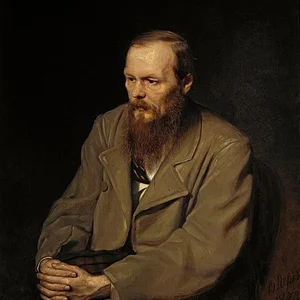
Fyodor Dostoevsky
1821 — 1881
Russian writer
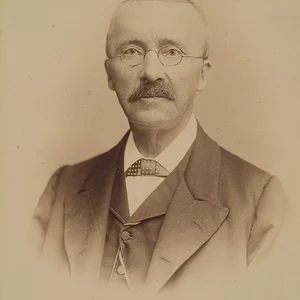
Heinrich Schliemann
1822 — 1890
A self-taught German archaeologist (1822–1890), he devoted his fortune to finding the Homeric Troy. His excavations at Hisarlik in Turkey revealed several superimposed cities, one of which he identified — incorrectly — as the Troy of the *Iliad*.
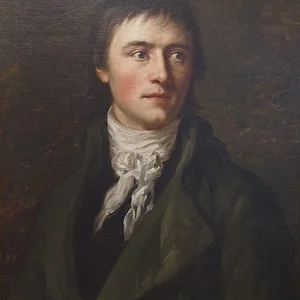
Heinrich von Kleist
1777 — 1811
Heinrich von Kleist (1777-1811) was a German writer, the author of plays, tales, and short stories. A singular figure between Classicism and Romanticism, he is famous for his tragedies and his tautly plotted short stories, before taking his own life at the age of 34.
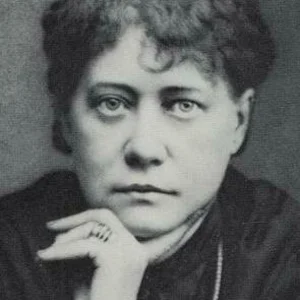
Helena Blavatsky
1831 — 1891
Helena Blavatsky (1831-1891) was a Russian occultist, philosopher, and writer who co-founded the Theosophical Society in 1875. A tireless traveler, she synthesized Eastern spiritualities and Western esotericism in her major works.
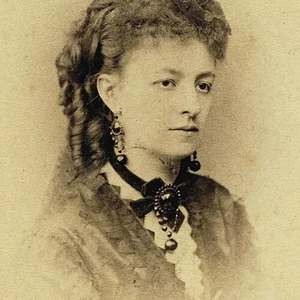
Helena Modrzejewska
1840 — 1909
Polish actress regarded as one of the greatest tragediennes of her time. After emigrating to the United States in 1876, she pursued a brilliant career under the name Helena Modjeska, particularly in Shakespearean roles. She inspired Susan Sontag's novel 'In America'.
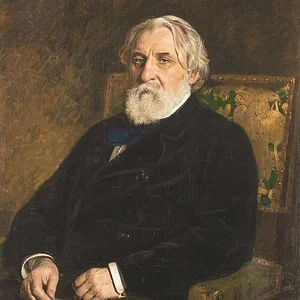
Ivan Turgenev
1818 — 1883
Ivan Turgenev was a 19th-century Russian writer, novelist, and playwright. A major figure of Russian realism, he is the author of *Fathers and Sons* and helped introduce Russian literature to Western Europe.
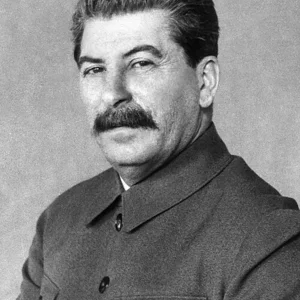
Joseph Stalin
1878 — 1953
Soviet dictator from 1922 to 1953, Joseph Stalin established a totalitarian regime characterized by massive political repression and forced industrialization. His leadership transformed the USSR into a superpower, but at the cost of millions of lives.
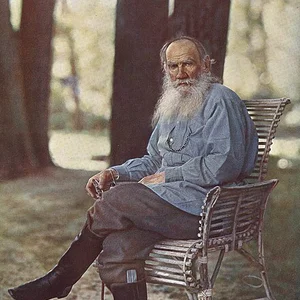
Leo Tolstoy
1828 — 1910
Russian writer, 19th - early 20th c.
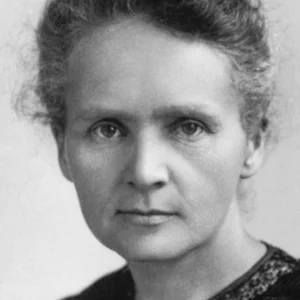
Marie Curie
1867 — 1934
Polish-born French physicist and chemist (1867–1934). A pioneer in the study of radioactivity, she was the first woman to receive a Nobel Prize and the only person to receive two Nobel Prizes in different scientific fields. Her discoveries revolutionized modern physics and chemistry.
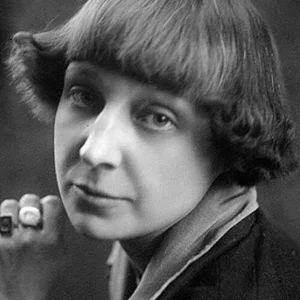
Marina Tsvetaeva
1892 — 1941
One of the greatest Russian poets of the 20th century, Marina Tsvetaeva was born in Moscow in 1892. Exiled in Europe after the Bolshevik Revolution, she returned to the USSR in 1939 and took her own life in 1941, leaving behind a body of lyric poetry of rare intensity.
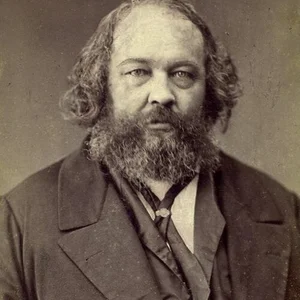
Mikhail Bakunin
1814 — 1876
Russian revolutionary and philosopher, a major figure of anarchism and libertarian socialism in the 19th century. An opponent of Marx within the First International, he advocated the abolition of the State and of all authority in favor of a federalist and collectivist society.
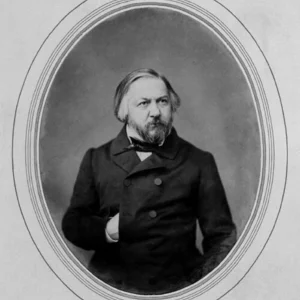
Mikhail Glinka
1804 — 1857
Russian composer regarded as the father of Russian classical music. His operas inspired an entire generation of Russian nationalist composers and founded a distinctly Russian school of music.
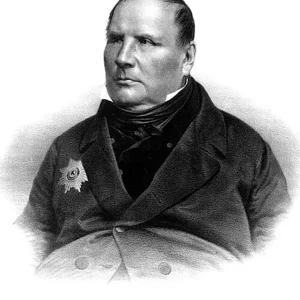
Mikhail Ostrogradsky
1801 — 1862
Russian mathematician and physicist (of Ukrainian origin), a major figure of the Saint Petersburg mathematical school. He is known for his work in mathematical analysis, mechanics, and mathematical physics, notably the divergence theorem.
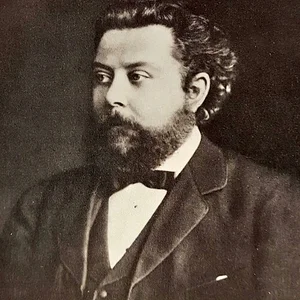
Modest Mussorgsky
1839 — 1881
Modest Mussorgsky was a 19th-century Russian composer and member of “The Five,” a group that sought to create a distinctly Russian national music. He is famous for his opera Boris Godunov and his piano suite Pictures at an Exhibition.
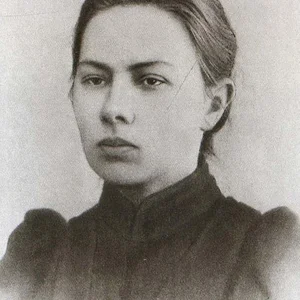
Nadezhda Krupskaya
1869 — 1939
Russian revolutionary and educator (1869–1939), wife of Lenin and Bolshevik activist. She played a central role in Soviet educational policy after 1917, particularly in mass literacy campaigns and the reform of public schooling.
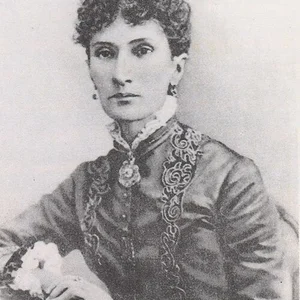
Nadezhda von Meck
1831 — 1894
A wealthy Russian widow and businesswoman, patron of Pyotr Ilyich Tchaikovsky, whom she supported financially for thirteen years. Their relationship, kept strictly to letters by mutual agreement, produced more than 1,200 letters.
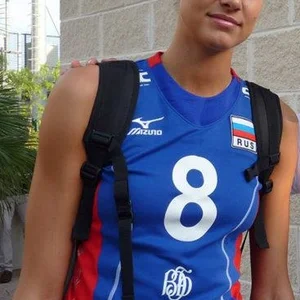
Natalia Goncharova
1881 — 1962
Natalia Goncharova was one of the great figures of the Russian avant-garde in the early 20th century. A painter, draftswoman, and creator of sets and costumes for Diaghilev's Ballets Russes, she blended Russian folk art, icons, and Cubo-Futurist innovations before settling in Paris.
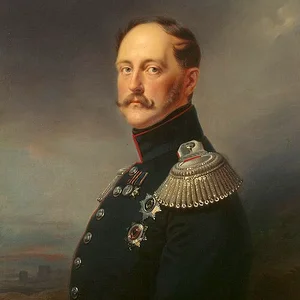
Nicholas I of Russia
1796 — 1855
Nicholas I (1796-1855) was Emperor of Russia, King of Poland, and Grand Duke of Finland from 1825. An autocratic and conservative sovereign, he crushed the Decembrist revolt upon his accession and embodied a reactionary monarchy founded on order, orthodoxy, and nationality.
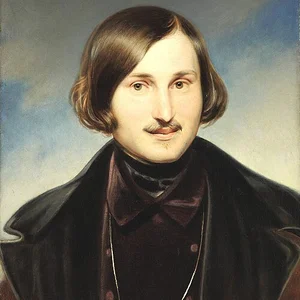
Nikolai Gogol
1809 — 1852
Russian writer and playwright of Ukrainian origin, a major figure of 19th-century Russian literature. A master of satirical realism and the grotesque, he denounced the failings of society and of the imperial Russian administration.
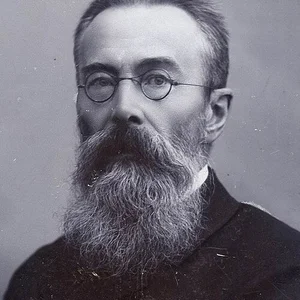
Nikolai Rimsky-Korsakov
1844 — 1908
Russian composer of the 19th century and member of The Five. An undisputed master of orchestration, he is famous for his symphonic suite Scheherazade and his many operas inspired by Russian folklore.
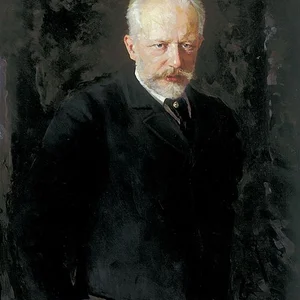
Pyotr Tchaikovsky
1840 — 1893
Swan Lake, The Nutcracker, symphonies
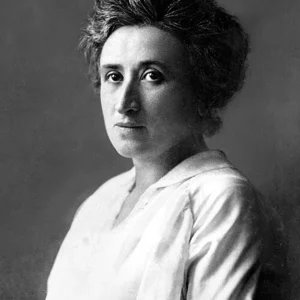
Rosa Luxemburg
1871 — 1919
Rosa Luxemburg was a Polish-born revolutionary activist and Marxist theorist who became a naturalized German citizen. Co-founder of the Communist Party of Germany (KPD), she championed a socialist revolution rooted in the mass consciousness of the working class. Arrested during the Spartacist uprising of January 1919, she was murdered by paramilitary soldiers.
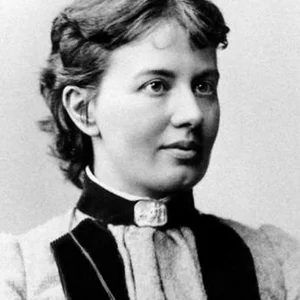
Sofia Kovalevskaya
1850 — 1891
Sofia Kovalevskaya (1850–1891) was the first woman to earn a doctorate in mathematics in Europe and the first female professor of mathematics at a modern university. A pioneer in analysis and mechanics, she broke through the barriers of the male academic world to establish herself as a leading mathematician.
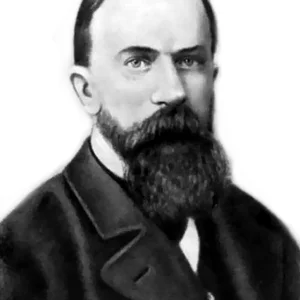
Vladimir Kovalevski
1842 — 1883
Vladimir Kovalevski was a Russian paleontologist, considered one of the founders of evolutionary paleontology. He notably studied the evolution of hoofed mammals from fossils, drawing on the theories of Darwin.
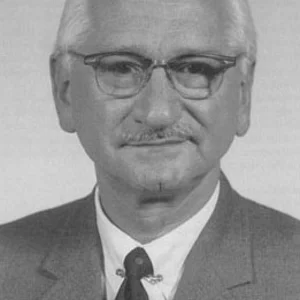
Albert Sabin
1906 — 1993
American physician and virologist of Polish origin. In the 1950s he developed the live attenuated oral vaccine against poliomyelitis, administered on a sugar cube, which made possible mass vaccination campaigns around the world.
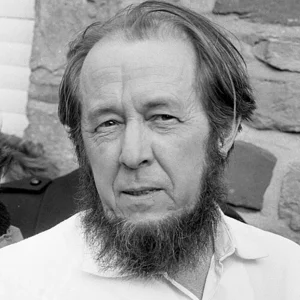
Aleksandr Solzhenitsyn
1918 — 2008
Russian writer and dissident, a former Gulag prisoner. His work denounces the Soviet prison-camp system and totalitarianism. Winner of the 1970 Nobel Prize in Literature, he was expelled from the USSR in 1974 before returning in 1994.
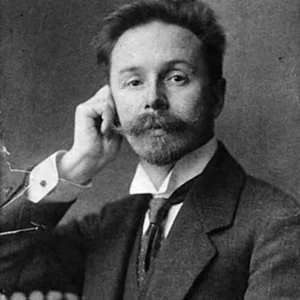
Alexander Scriabin
1872 — 1915
Alexander Scriabin (1872-1915) was a Russian pianist and composer. A figure of late post-Romanticism and Symbolism, he evolved toward a daring harmonic language and a synesthetic mysticism, associating sounds with colors.
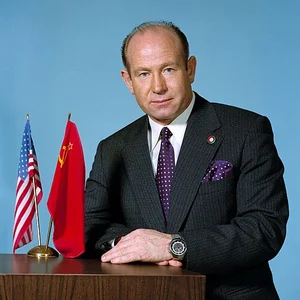
Alexei Leonov
1934 — 2019
Soviet cosmonaut Alexei Leonov was the first person to perform a spacewalk on March 18, 1965, during the Voskhod 2 mission. A trained military pilot, he embodies the boldness of the Soviet space program.
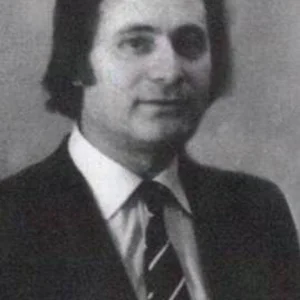
Alfred Schnittke
1934 — 1998
Alfred Schnittke (1934-1998) was a Soviet, later Russian, composer and a major figure of 20th-century music. A theorist and practitioner of “polystylism,” he blended Baroque and Romantic quotations with modern techniques in a dense, expressive body of work.
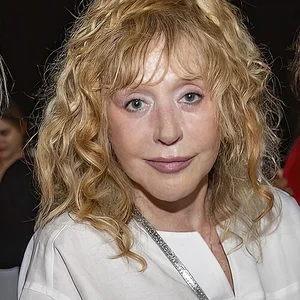
Alla Pugacheva
1949 — ?
Alla Pugacheva (born 1949) is the most famous pop singer of the Soviet Union and Russia. Nicknamed "the Primadonna," she dominated the Soviet and then Russian music scene for over forty years. Her career illustrates mass culture and the entertainment industry under a communist regime.
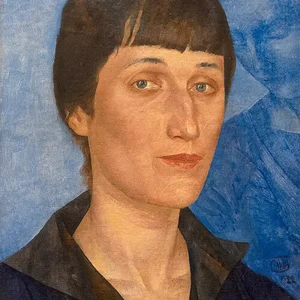
Anna Akhmatova
1889 — 1966
Major Russian poet of the 20th century and a leading figure of Acmeism. Her work *Requiem* bears witness to Stalinist persecution and the suffering of the Soviet people. She resisted Soviet censorship throughout her life.
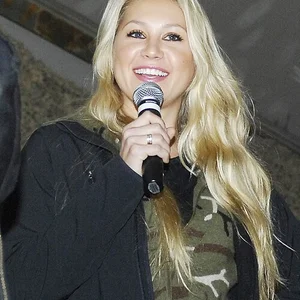
Anna Kournikova
1981 — ?
Anna Kournikova is a Russian tennis player born in 1981 in Moscow. Turning professional at just 14, she reached the world top 10 and won two Grand Slam doubles titles at the French Open and Wimbledon alongside Martina Hingis. A media icon of the 1990s and 2000s, she came to embody the intersection of sport and popular culture.
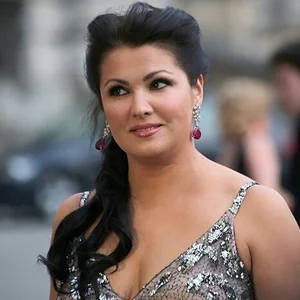
Anna Netrebko
1971 — ?
Anna Netrebko is a Russian-Austrian soprano born in 1971, considered one of the greatest opera singers of her generation. Trained at the Saint Petersburg Conservatory, she has conquered the world's most prestigious stages — the Metropolitan Opera, La Scala in Milan, and the Vienna State Opera.
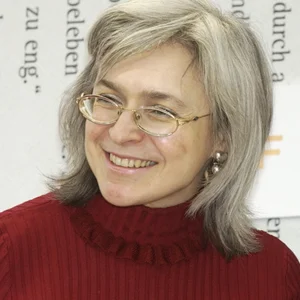
Anna Politkovskaya
1958 — 2006
Russian journalist and activist, Anna Politkovskaya distinguished herself through her courageous reporting on the Chechen wars and human rights abuses under Putin. Assassinated in Moscow in 2006, she became a symbol of press freedom and resistance against authoritarian regimes.
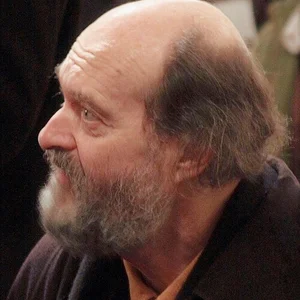
Arvo Pärt
1935 — ?
Arvo Pärt is an Estonian composer born in 1935, one of the major figures of contemporary music. After an avant-garde period, he invented the “tintinnabuli” style, founded on simplicity, resonance, and sacred inspiration. He is one of the most frequently performed living composers in the world.
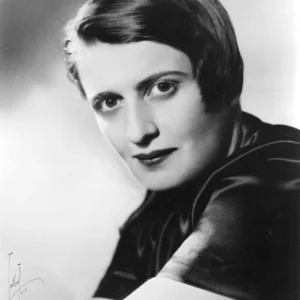
Ayn Rand
1905 — 1982
An American philosopher, novelist, and screenwriter of Russian origin, Ayn Rand is the founder of Objectivism, a philosophy championing reason, individualism, and capitalism. Her bestselling novels, including 'The Fountainhead' and 'Atlas Shrugged,' have had a lasting influence on American libertarian thought.
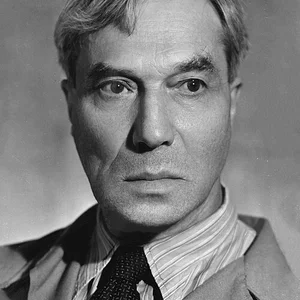
Boris Pasternak
1890 — 1960
A Soviet Russian writer and poet, Boris Pasternak is the author of the novel *Doctor Zhivago*, a sweeping portrait of Russia swept up in the 1917 revolution and the civil war. Awarded the Nobel Prize in Literature in 1958, he was forced by the Soviet authorities to decline it.
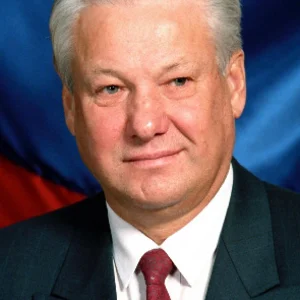
Boris Yeltsin
1931 — 2007
Russian statesman, first President of the Russian Federation (1991-1999). A key figure in the fall of the USSR, he opposed the August 1991 coup before leading Russia's transition to a market economy.
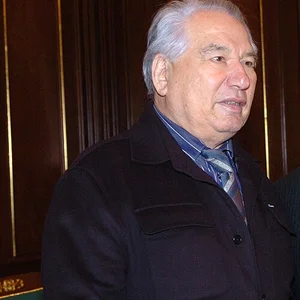
Chingiz Aitmatov
1928 — 2008
Chingiz Aitmatov (1928-2008) was a Kyrgyz writer who wrote in both Kyrgyz and Russian, a major figure of Soviet literature. His novels blend realism, ancestral legends, and social criticism, celebrating the nomadic culture of Central Asia.
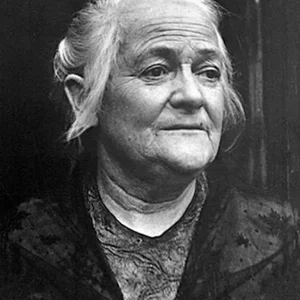
Clara Zetkin
1857 — 1933
German socialist and feminist activist (1857–1933), Clara Zetkin was the driving force behind International Women's Day. A leading figure of the Second International, she championed the emancipation of women within the framework of the class struggle.
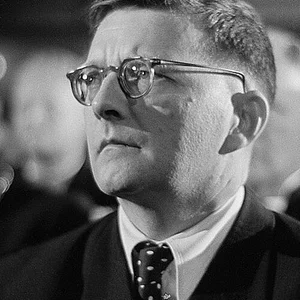
Dmitri Shostakovich
1906 — 1975
Soviet Russian composer, one of the greatest symphonists of the 20th century. His work, marked by a conflicted relationship with the Stalinist regime, swings between apparent conformity and a tragic expression of the human condition.
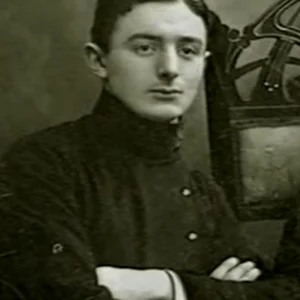
Dziga Vertov
1896 — 1954
Soviet avant-garde filmmaker (1896–1954), pioneer of documentary cinema and theorist of the "Cine-Eye." He revolutionized cinematic language with his Cine-Pravda newsreels and his masterpiece Man with a Movie Camera (1929).
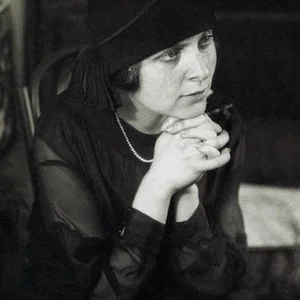
Elsa Triolet
1896 — 1970
Elsa Triolet (1896–1970) was a French novelist of Russian origin, partner of the poet Louis Aragon. The first woman to receive the Prix Goncourt, in 1945 for her short story collection 'A Fine of Two Hundred Francs', she was also a committed figure in the Resistance and the Communist movement.
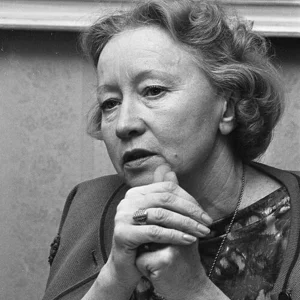
Galina Ulanova
1910 — 1998
Soviet ballerina considered one of the greatest classical dancers of the 20th century. Prima ballerina of the Bolshoi, she embodied Giselle and Juliet with incomparable expressiveness. The first dancer to receive the title of Hero of Socialist Labor twice.
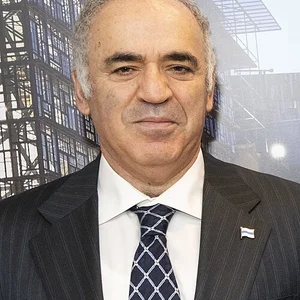
Garry Kasparov
1963 — ?
Soviet and later Russian chess player, world champion from 1985 to 2000. Regarded as one of the greatest players in history, he was the youngest world champion of his era and a pioneer in facing artificial intelligence.
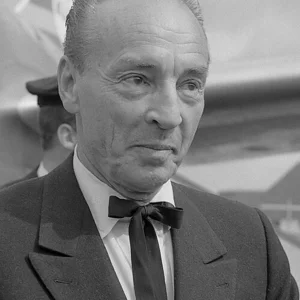
George Balanchine
1904 — 1983
George Balanchine (1904-1983) was a Georgian-born dancer and choreographer, trained in Saint Petersburg before emigrating to the United States. A co-founder of the New York City Ballet, he is considered the father of American neoclassical ballet.
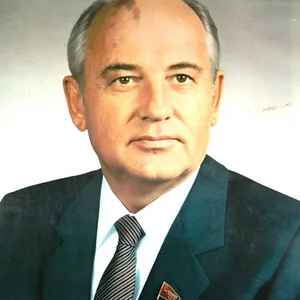
Gorbachev
1931 — 2022
Last General Secretary of the Soviet Union (1985–1991), Gorbachev initiated sweeping reforms with Perestroika and Glasnost, transforming the USSR before its dissolution in 1991. His actions marked the end of the Cold War and the restructuring of the Soviet bloc.
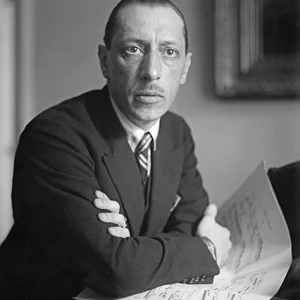
Igor Stravinsky
1882 — 1971
Igor Stravinsky is one of the most influential composers of the 20th century. With his ballets for the Ballets Russes — *The Firebird*, *Petrushka*, and above all *The Rite of Spring* — he revolutionized musical language through bold rhythms and dissonances. Naturalized as a French then American citizen, he traversed all the major aesthetic movements of his time.
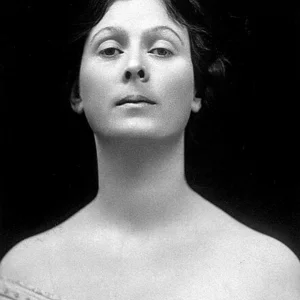
Isadora Duncan
1877 — 1927
American dancer (1877-1927)
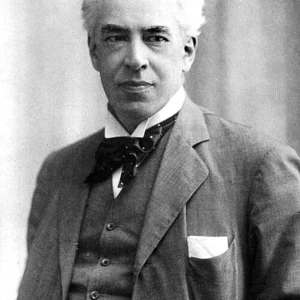
Konstantin Stanislavski
1863 — 1938
Russian actor, director and theorist, co-founder of the Moscow Art Theatre in 1898. He developed an acting method grounded in emotional sincerity that revolutionized dramatic art worldwide.
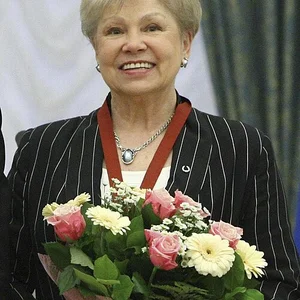
Larisa Latynina
1934 — ?
Soviet gymnast, one of the greatest champions in the history of sport. She won 18 Olympic medals between 1956 and 1964, a record that stood unmatched for a long time.
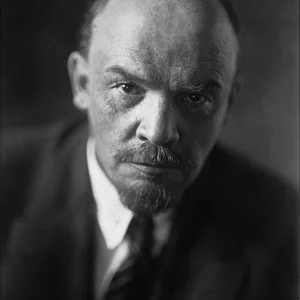
Lenin
1870 — 1924
Russian revolutionary and statesman, theorist of Marxism. He led the October Revolution of 1917 and founded the USSR, the first communist state in history, of which he became the first head of government.
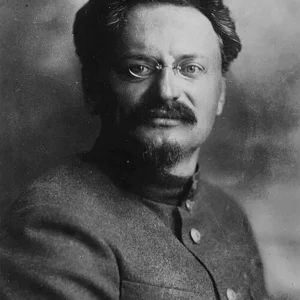
Leon Trotsky
1879 — 1940
Russian revolutionary, Marxist theorist, and organizer of the Red Army, Leon Trotsky was one of the chief architects of the October Revolution of 1917 alongside Lenin. Ousted from power by Stalin and later exiled, he continued his political struggle until his assassination in Mexico City in 1940.
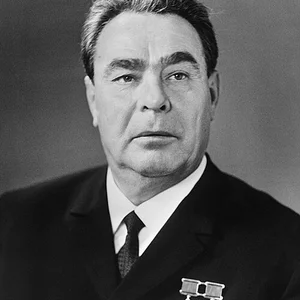
Leonid Brezhnev
1906 — 1982
Soviet statesman, General Secretary of the Communist Party of the Soviet Union from 1964 to 1982. His long rule, which followed Khrushchev's, is associated with the “stagnation” of the USSR and with the détente and subsequent renewed tensions of the Cold War.
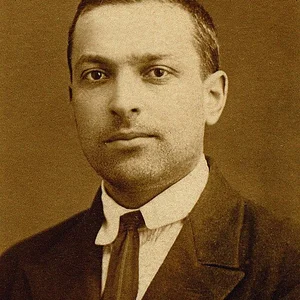
Lev Vygotsky
1896 — 1934
Soviet psychologist of Belarusian origin, founder of the cultural-historical approach to the development of the mind. He showed that higher mental functions are built through social interactions and language. He died prematurely of tuberculosis at the age of 37.
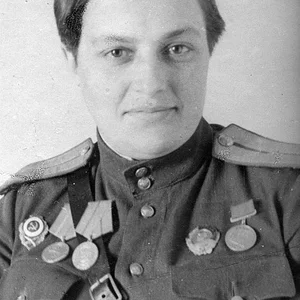
Lyudmila Pavlichenko
1916 — 1974
Lyudmila Pavlichenko is the deadliest sniper in history, credited with 309 confirmed kills on the Soviet-German front. Nicknamed “Lady Death,” she became a symbol of Soviet resistance and an international ambassador as early as 1942.
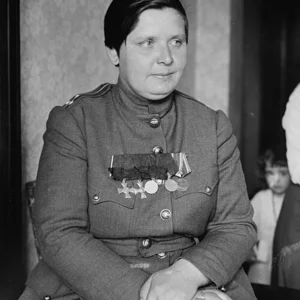
Maria Bochkareva
1889 — 1920
Maria Bochkareva was a Russian soldier of peasant origin who fought during the First World War. In 1917, she founded and commanded the first women's “Battalion of Death” in the Russian army, a unit meant to rally troops demoralized by the revolution.
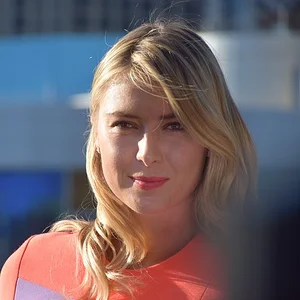
Maria Sharapova
1987 — ?
A Russian tennis player born in 1987, Maria Sharapova is one of the most decorated athletes of her generation. A former world number 1, she won five Grand Slam titles before retiring in 2020.
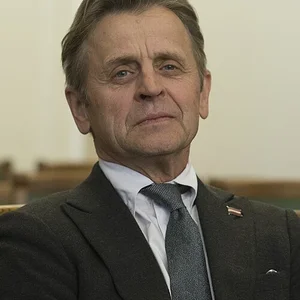
Mikhail Baryshnikov
1948 — ?
Dancer and choreographer of Latvian origin, considered one of the greatest classical dancers of the 20th century. Trained at the Vaganova school in Leningrad, he defected to the West in 1974 and became a major figure in American ballet, before turning to contemporary dance, theater, and film.
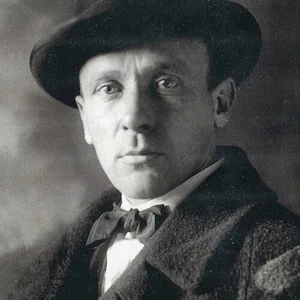
Mikhail Bulgakov
1891 — 1940
A Soviet writer and playwright of Ukrainian origin, originally trained as a doctor. Censored under Stalin, he is famous for his satirical and fantastical novel *The Master and Margarita*, published only after his death.
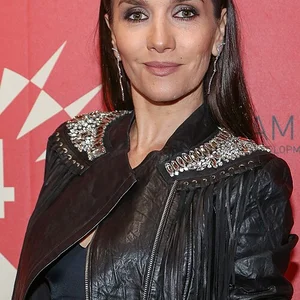
Natalia Oreiro
1977 — ?
Natalia Oreiro is a Uruguayan actress and singer born in 1977 in Montevideo. She gained international fame through Argentine telenovelas of the 1990s and 2000s, and a music career that made her especially popular in Eastern Europe.
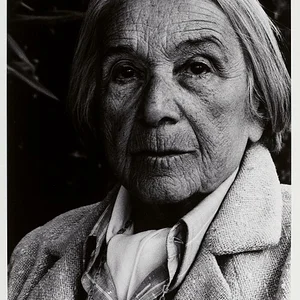
Nathalie Sarraute
1900 — 1999
French writer of Russian origin (1900-1999), Nathalie Sarraute is a major figure of the French Nouveau Roman. She revolutionized the novel form by exploring movements of consciousness and the 'sub-conversations' that animate human relationships.
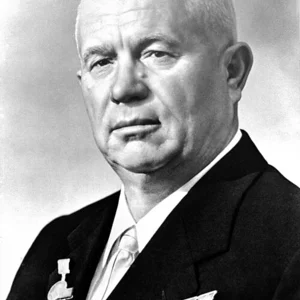
Nikita Khrushchev
1894 — 1971
Soviet leader from 1953 to 1964, Khrushchev succeeded Stalin and launched a policy of de-Stalinization. A central figure of the Cold War, he confronted the United States during the Cuban Missile Crisis of 1962.
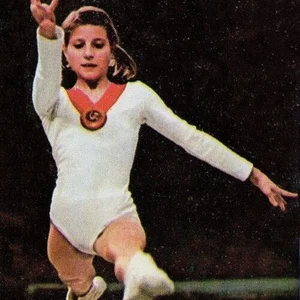
Olga Korbut
1955 — ?
Olga Korbut is a Soviet gymnast, born in 1955 in Belarus. Nicknamed “the Sparrow of Minsk,” she revolutionized artistic gymnastics at the 1972 Munich Olympic Games, where she won three gold medals and captivated audiences worldwide with her daring and her freshness.
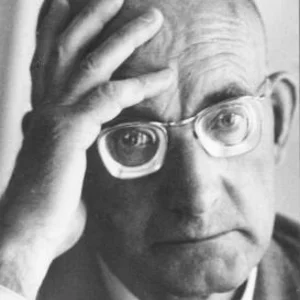
Pavel Alexandrov
1896 — 1982
Russian and later Soviet mathematician, one of the founders of modern topology. A professor at Moscow University, he left a deep mark on the Soviet school of mathematics in the 20th century.
Romain Gary
1914 — 1980
Romain Gary, born Roman Kacew in Vilnius in 1914, was a French novelist, aviator, and diplomat. He is the only author to have won the Prix Goncourt twice, one of them under the pen name Émile Ajar.
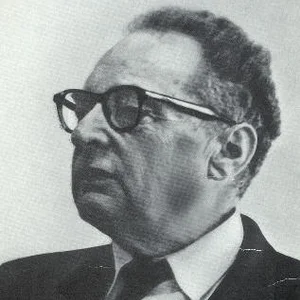
Roman Jakobson
1896 — 1982
Russian-American linguist and theorist, a major figure of structuralism. Founder of the Prague Linguistic Circle, he revolutionized phonology and proposed a model of the functions of language that left its mark on the linguistics, poetics, and humanities of the 20th century.
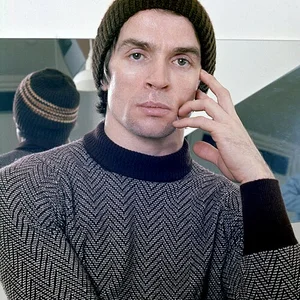
Rudolf Nureyev
1938 — 1993
A principal dancer and choreographer of Soviet origin, Rudolf Nureyev (1938-1993) was one of the greatest classical dancers of the 20th century. After defecting to the West in 1961, he revolutionized the role of the male dancer and directed the Paris Opera Ballet.
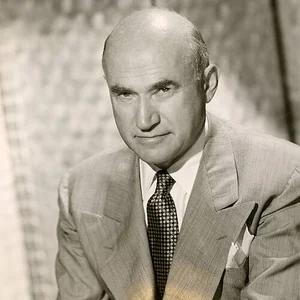
Samuel Goldwyn
1879 — 1974
A Polish-born Hollywood producer, Samuel Goldwyn was one of the founders of the American film industry. He co-founded several major studios and produced hundreds of films that shaped the golden age of Hollywood.
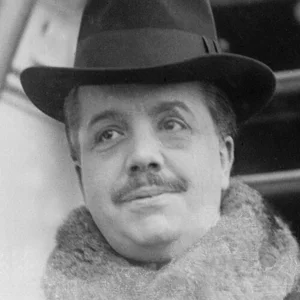
Serge de Diaghilev
1872 — 1929
Russian impresario and patron of the arts, Diaghilev founded the Ballets Russes in 1909, revolutionizing choreographic art by bringing together the greatest artists of his era. He collaborated with Stravinsky, Picasso, Matisse, and Nijinsky to create total spectacles blending dance, music, and the visual arts.
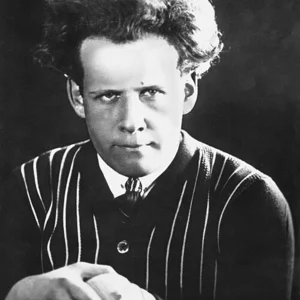
Sergei Eisenstein
1898 — 1948
Soviet filmmaker and theorist, a pioneer of cinematic language. He revolutionized the art of film through his theory of the montage of attractions, illustrated in works such as Battleship Potemkin.
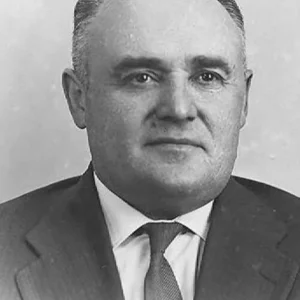
Sergei Korolev
1907 — 1966
Soviet engineer of Ukrainian origin, Korolev is the father of the Soviet space program. He designed Sputnik, the first artificial satellite, and the Vostok capsule that allowed Gagarin to fly in space.
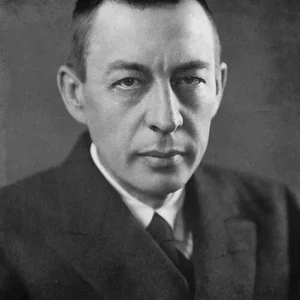
Sergei Rachmaninoff
1873 — 1943
Russian composer, virtuoso pianist, and conductor, one of the last great representatives of late Romanticism. After emigrating in the wake of the 1917 revolution, he continued his career in the United States, where he became one of the most famous pianists of his time.
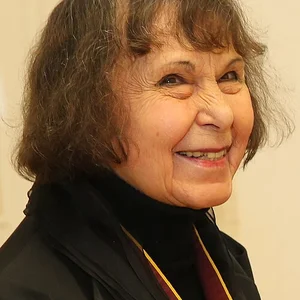
Sofia Gubaidulina
1931 — 2025
A Russian-Tatar composer born in 1931, Sofia Gubaidulina is one of the leading figures of contemporary music. Her deeply spiritual work blends Eastern and Western influences, and was long marginalized in the USSR.
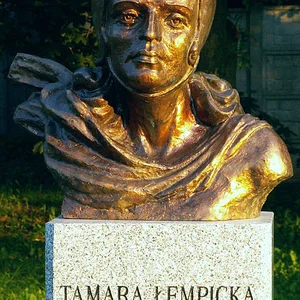
Tamara de Lempicka
1898 — 1980
Polish-born painter (1898-1980)
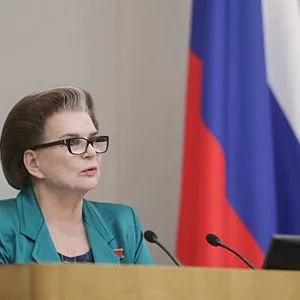
Valentina Tereshkova
1937 —
Russian cosmonaut and politician, first woman in space
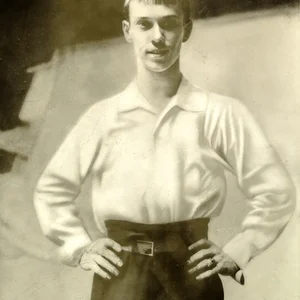
Vaslav Nijinsky
1889 — 1950
Russian dancer and choreographer of Polish descent, a leading figure of Sergei Diaghilev's Ballets Russes. His technical virtuosity and revolutionary choreographies (*The Rite of Spring*) profoundly reshaped dance in the early 20th century.
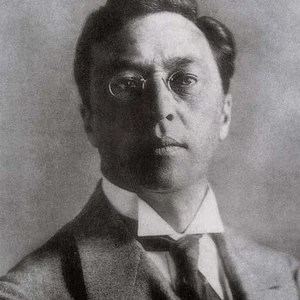
Vassily Kandinsky
1866 — 1944
Russian-born painter who was naturalized German and then French (1866–1944), Kandinsky is one of the pioneers of abstract art. He theorized the connection between color, form, and emotion, laying the groundwork for a radically new aesthetic.
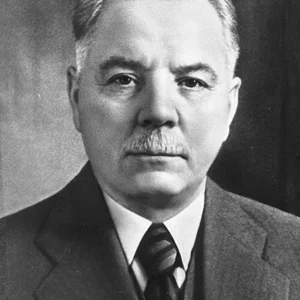
Voroshilov
1881 — 1969
Soviet marshal and statesman, one of the first Marshals of the Soviet Union appointed in 1935. A close associate of Stalin, he served as People's Commissar for Defence and later as the nominal head of the Soviet state from 1953 to 1960.
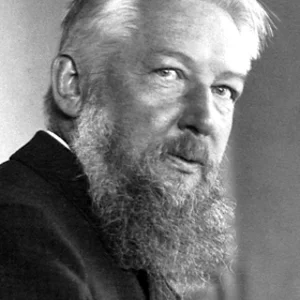
Wilhelm Ostwald
1853 — 1932
Wilhelm Ostwald was a Baltic German chemist, one of the founding fathers of physical chemistry. He received the Nobel Prize in Chemistry in 1909 for his work on catalysis, chemical equilibria and reaction rates.
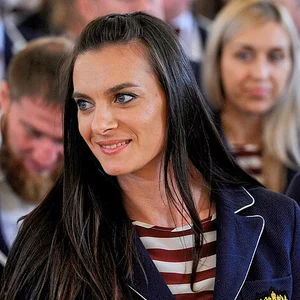
Yelena Isinbayeva
1982 — ?
Russian pole vaulter born in 1982, Yelena Isinbayeva is considered the greatest athlete in the history of women's pole vault. A two-time Olympic champion and three-time world champion, she set 28 world records over the course of her career.
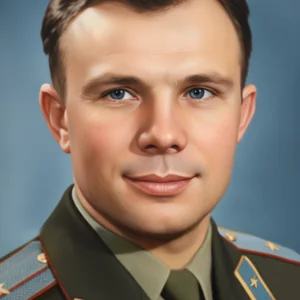
Yuri Gagarin
1934 — 1968
A Soviet cosmonaut, Yuri Gagarin became the first human to travel into space on 12 April 1961 aboard Vostok 1. His flight made him a worldwide hero and a symbol of Soviet space achievement at the height of the Cold War.
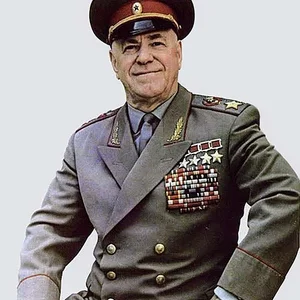
Zhukov
1896 — 1974
Marshal of the Soviet Union and the leading military commander of the Red Army during the Second World War. Victorious in decisive battles against Nazi Germany, he led the final assault on Berlin in 1945.
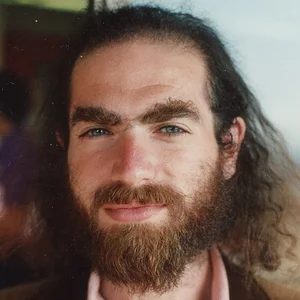
Grigori Perelman
1966 — ?
Russian mathematician born in 1966, famous for proving the Poincaré conjecture in 2003, one of the seven Millennium Prize Problems. He refused the Fields Medal (2006) and the Clay Prize of one million dollars (2010).
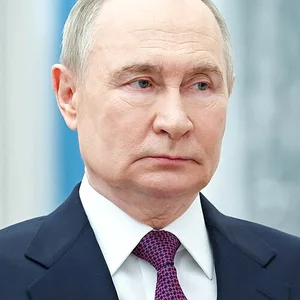
Vladimir Putin
1952 — ?
Russian statesman, President of the Russian Federation since 2000 (with an interlude as Prime Minister from 2008 to 2012). A former KGB officer, he concentrated power, pursued authoritarian policies, and launched the invasion of Ukraine in 2022.