 flip
flipSharbat-e sekanjabin (شربت سکنجبین)
Sharbat-e sekanjabin (شربت سکنجبین)
Why this dish? Nizami, a man of the pen and sobriety, did not drink wine — unlike his predecessor Omar Khayyam. Sekanjabin (honey vinegar) is one of the oldest drinks of the Persian world, both refreshment and remedy. Nizami, who incorporates Galenic medicine into his verses, knew the virtues that Persian physicians (Avicenna foremost) attributed to sekanjabin: balancing humors, calming yellow bile in summer.
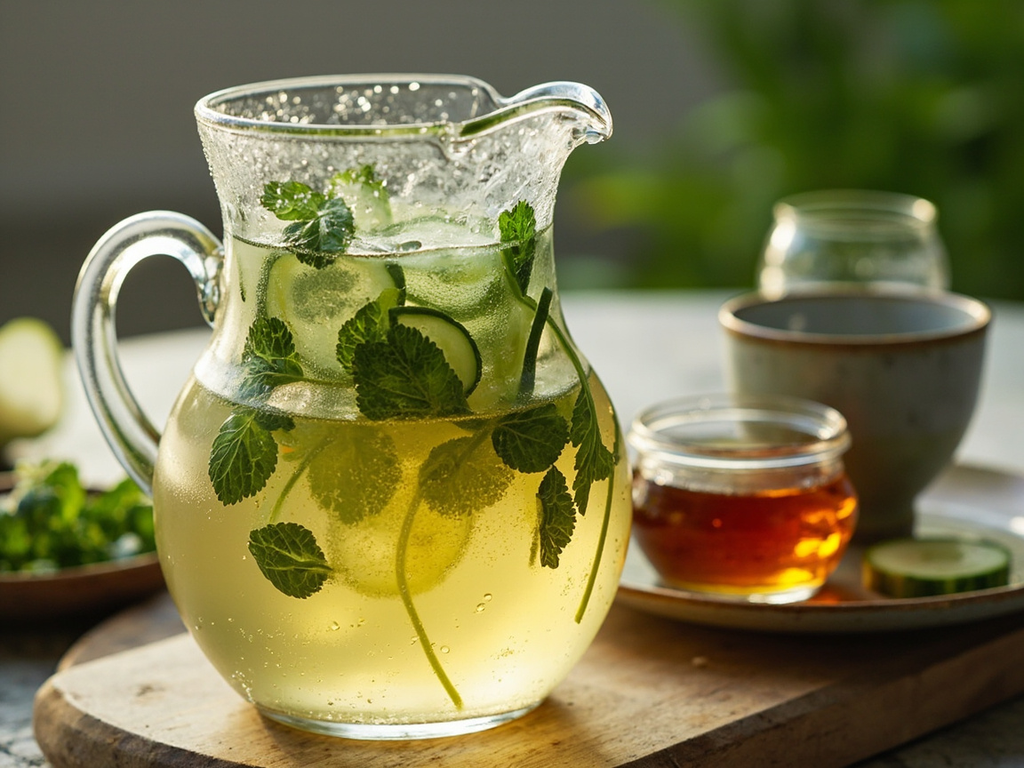
Syrup of honey (or sugar) and vinegar, diluted in cold water, perfumed with mint. A sweet-sour and thirst-quenching drink, served chilled with mint leaves or cucumber slices.
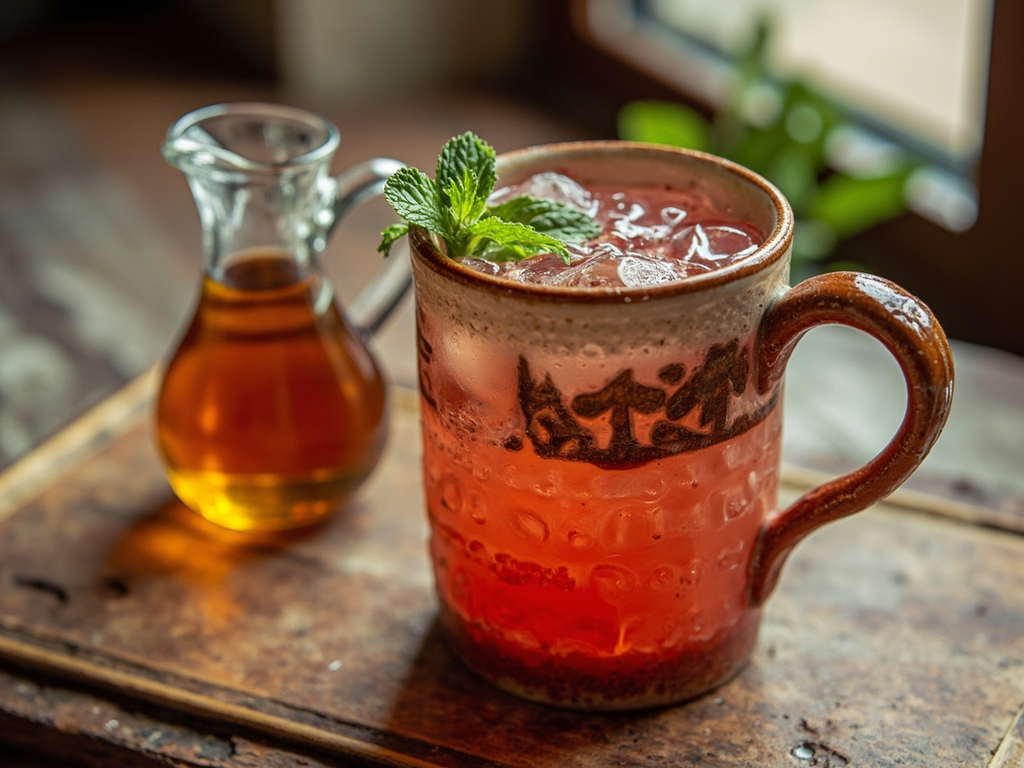
I am sometimes reproached for not singing of wine as the great Khayyam did. But why burn one's spirit when sekanjabin cools it? The honey of the Caucasus, the aged vinegar, a bunch of mint from the garden — that is the beverage I take when the heat of Ganja oppresses and my hand struggles to hold the calamus. Ibn Sina himself prescribed this drink against yellow bile, and who am I to contradict the Prince of Physicians? I drink it cold, in an earthen bowl, and the words return flowing like water from a spring.
- •Honey — one bowl (main sweetener)
- •Aged wine vinegar — half a bowl (acidity)
- •Water — two bowls (dilution of syrup)
- •Fresh mint — one bunch (flavor, freshness)
Sharbat-e sekanjabin (شربت سکنجبین)
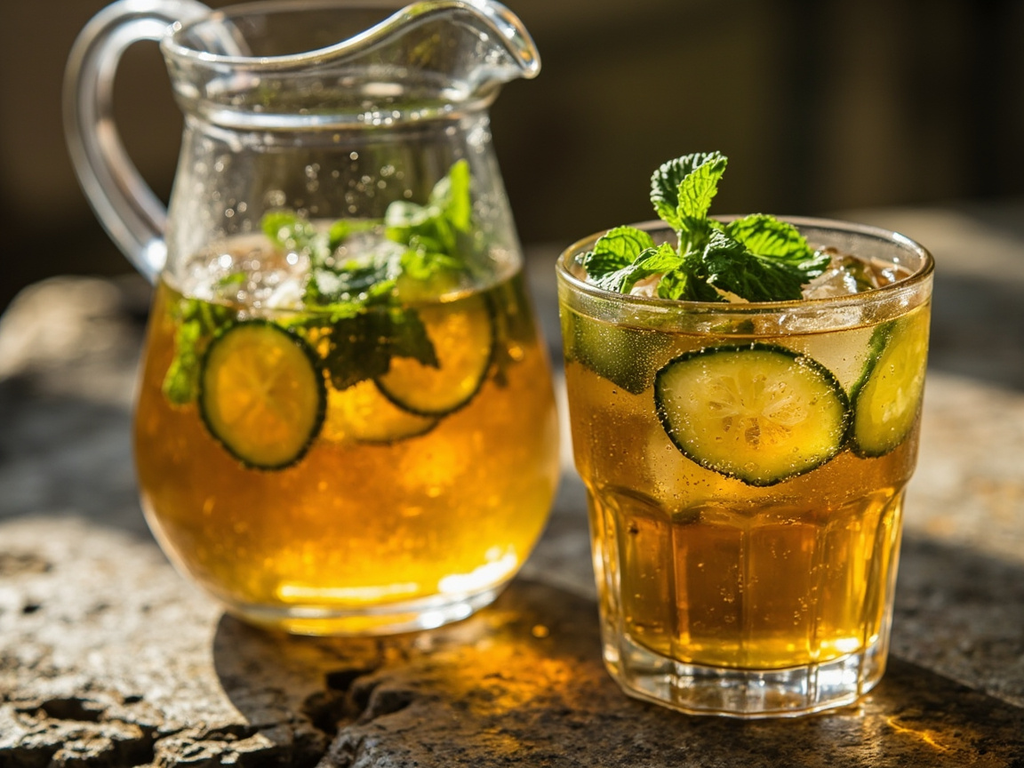
Syrup of honey (or sugar) and vinegar, diluted in cold water, perfumed with mint. A sweet-sour and thirst-quenching drink, served chilled with mint leaves or cucumber slices.
Why this dish? Nizami, a man of the pen and sobriety, did not drink wine — unlike his predecessor Omar Khayyam. Sekanjabin (honey vinegar) is one of the oldest drinks of the Persian world, both refreshment and remedy. Nizami, who incorporates Galenic medicine into his verses, knew the virtues that Persian physicians (Avicenna foremost) attributed to sekanjabin: balancing humors, calming yellow bile in summer.
I am sometimes reproached for not singing of wine as the great Khayyam did. But why burn one's spirit when sekanjabin cools it? The honey of the Caucasus, the aged vinegar, a bunch of mint from the garden — that is the beverage I take when the heat of Ganja oppresses and my hand struggles to hold the calamus. Ibn Sina himself prescribed this drink against yellow bile, and who am I to contradict the Prince of Physicians? I drink it cold, in an earthen bowl, and the words return flowing like water from a spring.
Ingredients (period version)
- Honey — one bowl (main sweetener)
- Aged wine vinegar — half a bowl (acidity)
- Water — two bowls (dilution of syrup)
- Fresh mint — one bunch (flavor, freshness)
Ingredients
- Liquid honey — 250 g (sweetener)
- Cider or white wine vinegar — 80 ml (acidity)
- Water — 200 ml (for syrup) + cold water for serving (dilution)
- Fresh mint — 1 large bunch (flavor)
- Cucumber (optional) — a few slices (freshness)
Method
- In a saucepan, dissolve the honey in 200 ml water over low heat. Bring to a gentle simmer and cook for 5 minutes, skimming if needed.
- Remove from heat, add the vinegar, and mix. Let cool slightly.
- Submerge the washed mint bunch in the warm syrup. Cover and let infuse for at least 1 hour (ideally overnight in the refrigerator).
- Remove the mint. The syrup keeps for several weeks in the refrigerator in a jar.
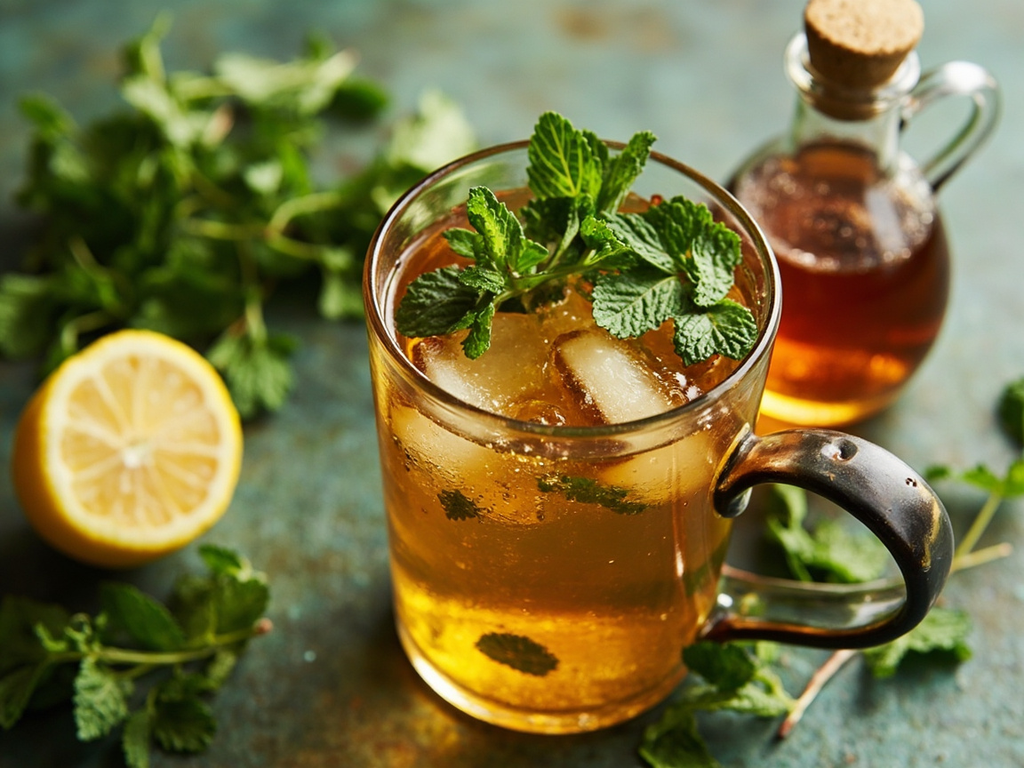
- To serve: dilute 2 to 3 tablespoons of syrup in a large glass of very cold water. Add ice cubes, mint leaves, and cucumber slices.
How it was made : Sekanjabin is one of the oldest documented oxymels: its name comes from Persian serkeh (vinegar) and angabin (honey). It is described in Avicenna's Canon of Medicine (11th century) as a digestive and febrifuge remedy. Al-Baghdadi's Kitâb al-Tabîkh gives a recipe nearly identical to today's. It was the non-alcoholic drink of reference throughout the medieval Persian and Arab world.
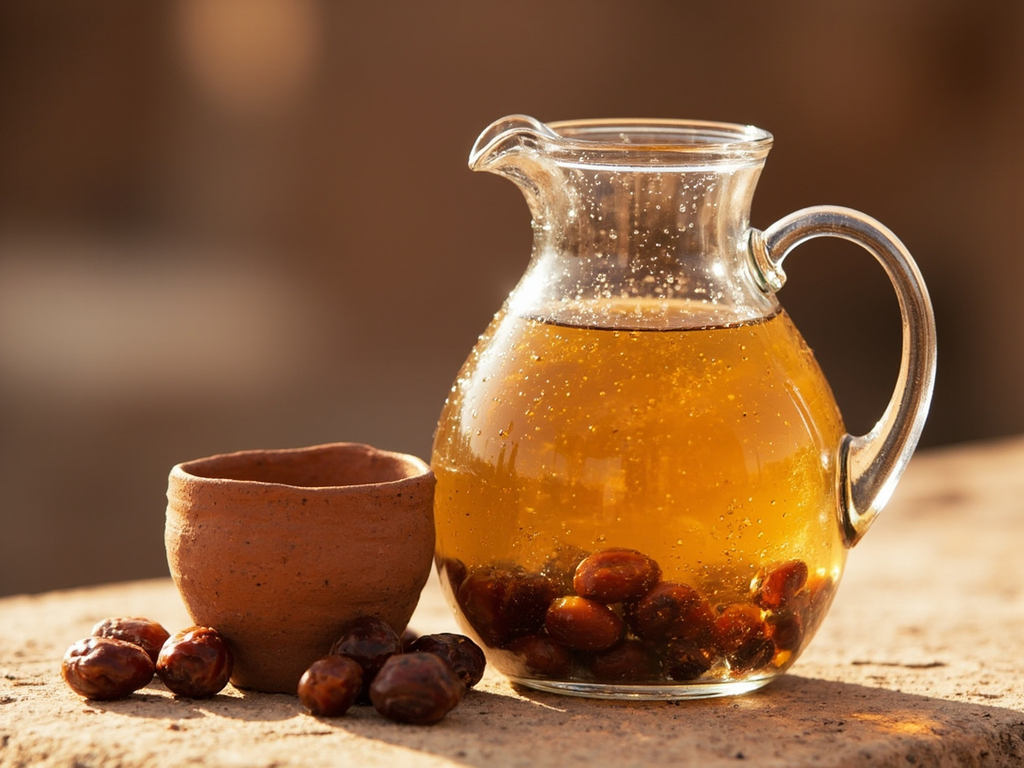
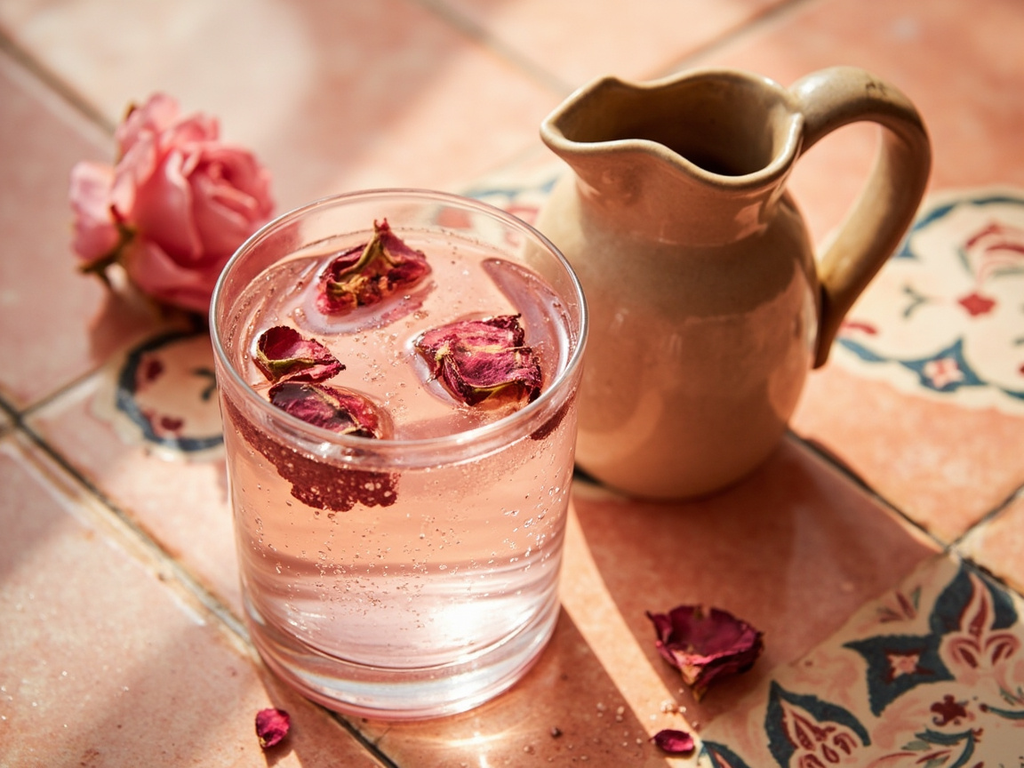
The contemporary twist : Serve in a clear pitcher with mint leaves suspended and ice cubes, “scholar's lemonade” style. A dash of rose water can be added for floral fragrance.
Sources : Ibn Sīnā (Avicenna), “al-Qānūn fī al-Ṭibb” (Canon of Medicine, 11th century) · Muhammad ibn al-Hasan al-Baghdadi, “Kitāb al-Ṭabīkh” (1226)
Nizami Ganjavi · Charactorium