 flip
flipSekanjabin — Mint, Vinegar, and Honey Syrup
Sekanjabin — Mint, Vinegar, and Honey Syrup
Why this dish? Sekanjabin (from Arabic *sikanjabin*, from Persian *sekanjabin* = vinegar + honey) was both a refreshment and a remedy in the Arab-Persian medicine of Avicenna and his successors — believed to cool the body and aid digestion. For a man from Khorasan living under the heat of Baghdad and the Hijaz, it was the temperance drink par excellence: neither wine (forbidden) nor excess.
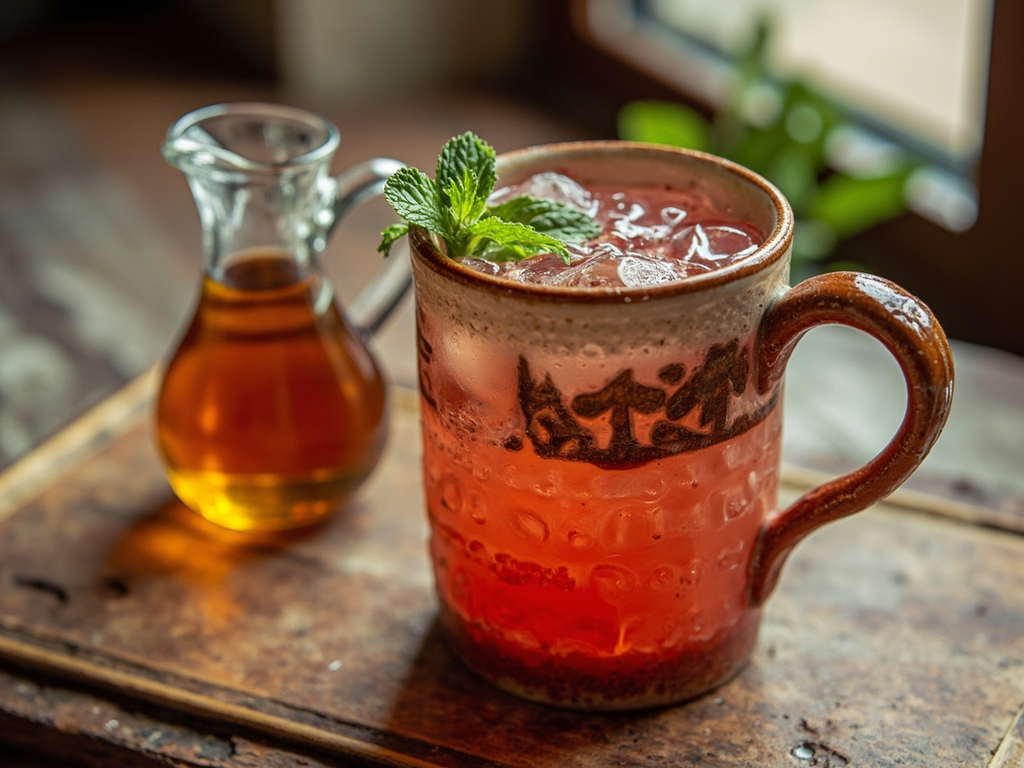
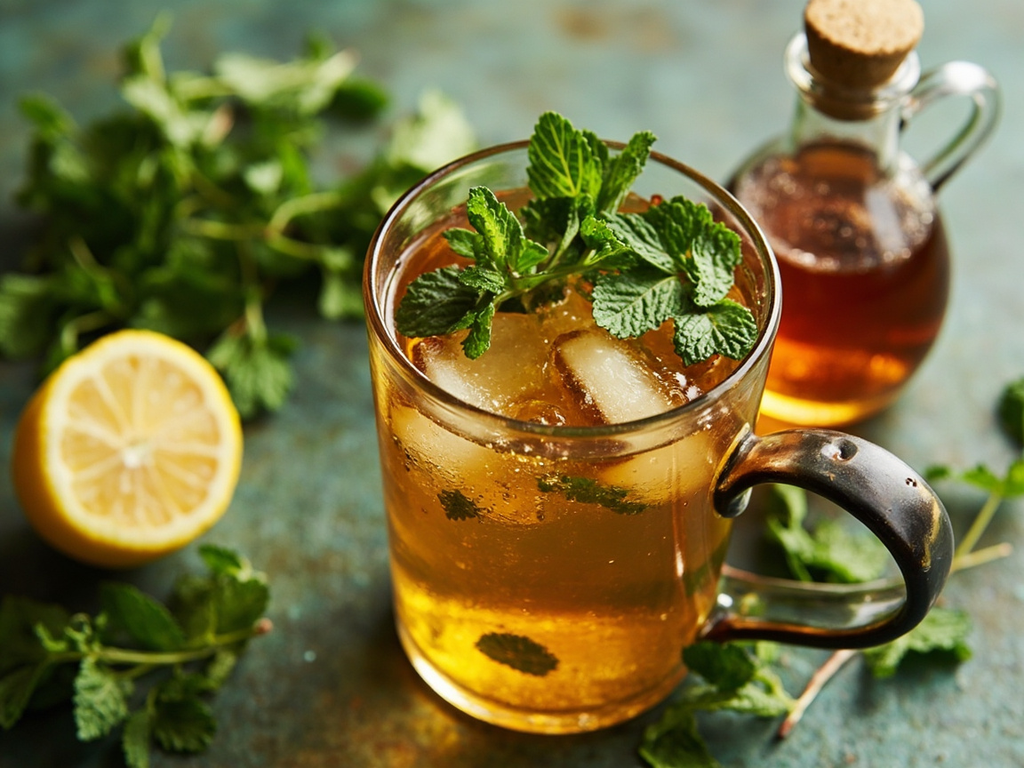
An amber syrup of honey and vinegar, scented with mint, diluted with fresh water to obtain a lively, tangy, and refreshing drink. A tonic for the traveler as well as the sick.
Wine is forbidden to us, O thirsty one, but God has not deprived man of all sweetness: take honey and vinegar, thicken them over a gentle fire, throw in mint from the garden, and you will have a drink that cools the heated liver. Physicians prescribe it against bile and excess humors; I found in it something to quench my soul without weighing it down. Dilute it with water from the cistern, and drink while giving thanks.
- •Honey — two measures (sweetness, base)
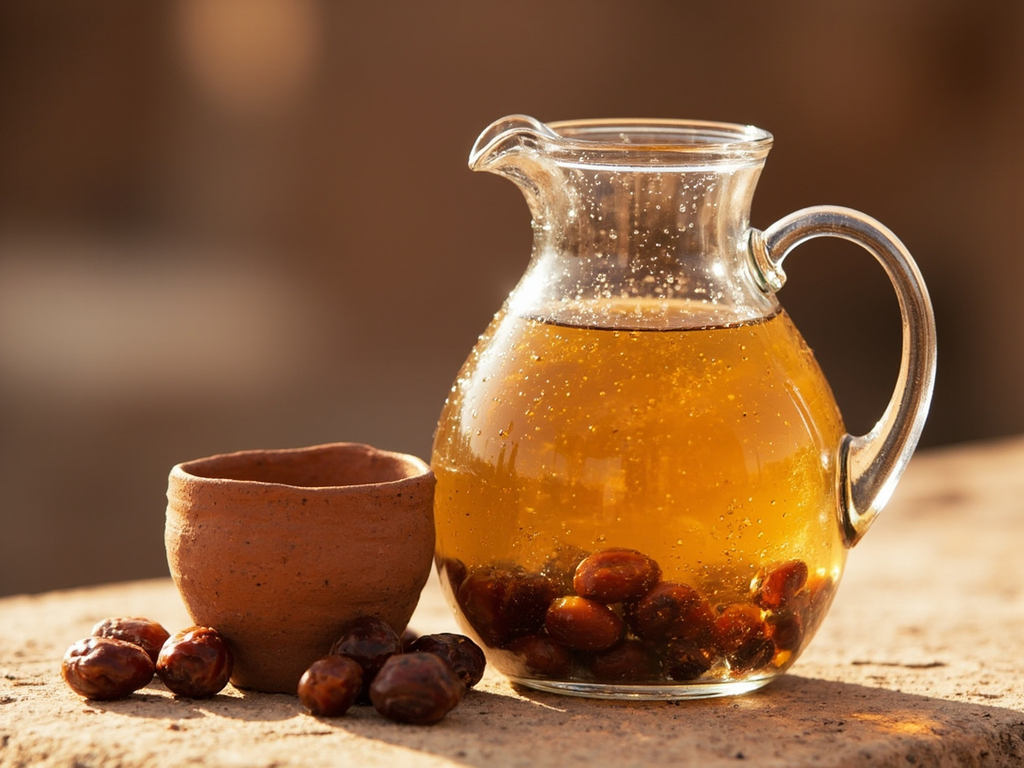
- •Wine or date vinegar — one measure (acidity)
- •Fresh mint — a bunch (flavor)
- •Fresh water — to dilute at serving (drink)
Sekanjabin — Mint, Vinegar, and Honey Syrup
An amber syrup of honey and vinegar, scented with mint, diluted with fresh water to obtain a lively, tangy, and refreshing drink. A tonic for the traveler as well as the sick.
Why this dish? Sekanjabin (from Arabic *sikanjabin*, from Persian *sekanjabin* = vinegar + honey) was both a refreshment and a remedy in the Arab-Persian medicine of Avicenna and his successors — believed to cool the body and aid digestion. For a man from Khorasan living under the heat of Baghdad and the Hijaz, it was the temperance drink par excellence: neither wine (forbidden) nor excess.
Wine is forbidden to us, O thirsty one, but God has not deprived man of all sweetness: take honey and vinegar, thicken them over a gentle fire, throw in mint from the garden, and you will have a drink that cools the heated liver. Physicians prescribe it against bile and excess humors; I found in it something to quench my soul without weighing it down. Dilute it with water from the cistern, and drink while giving thanks.
Ingredients (period version)
- Honey — two measures (sweetness, base)
- Wine or date vinegar — one measure (acidity)
- Fresh mint — a bunch (flavor)
- Fresh water — to dilute at serving (drink)
Ingredients
- Honey — 250 g (sweetness, base)
- White wine vinegar — 120 ml (acidity)
- Water — 150 ml (for syrup) (dissolution)
- Fresh mint — 1 large handful (flavor)
- Fresh or sparkling water — to taste (dilution at serving)
Method
- In a saucepan, dissolve the honey in water and bring to a simmer.
- Reduce for 10 minutes, skimming, to obtain a light syrup.
- Add the vinegar and continue for 5 minutes (the sharp smell softens).
- Remove from heat, add the mint, and let infuse until cool, then remove the mint.
- Store the syrup in a bottle in the fridge.
- To serve, pour 2 to 3 tablespoons of syrup into a glass of cold water, add a mint leaf.
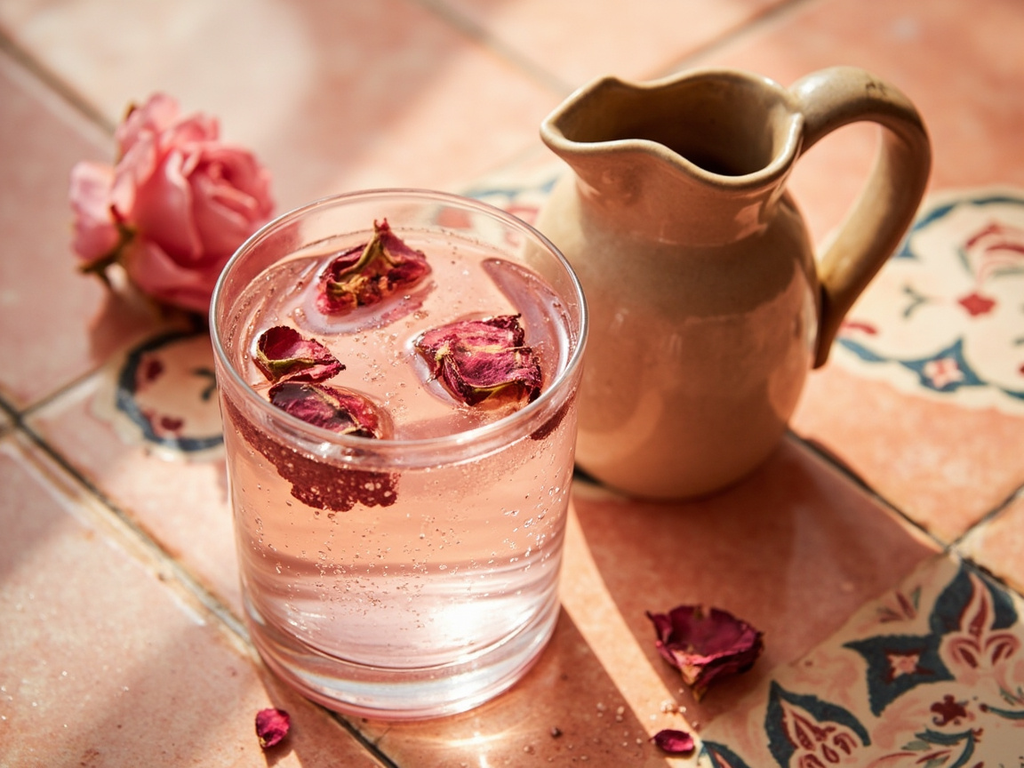
How it was made : Oxymel (honey + vinegar) runs through all ancient and medieval medicine, from the Greeks to Avicenna. In Islamic lands, where wine is prohibited, syrups (*sharab*, from which our word 'syrup' derives) and medicinal drinks reached an extreme refinement: rose, tamarind, quince, lemon.
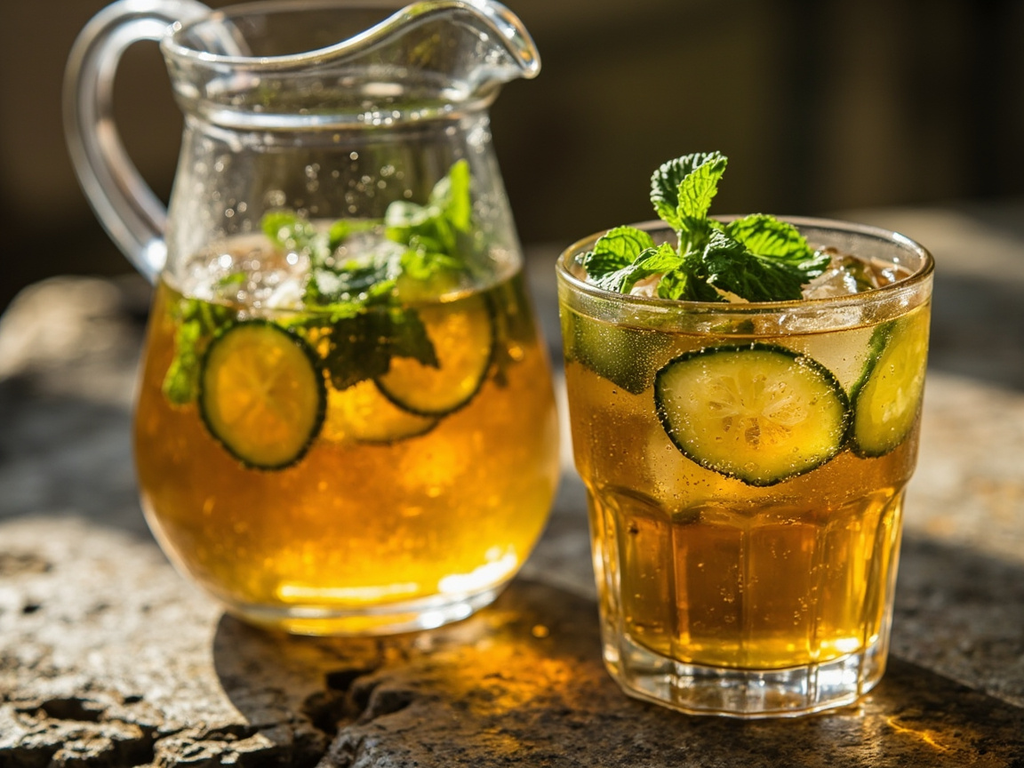
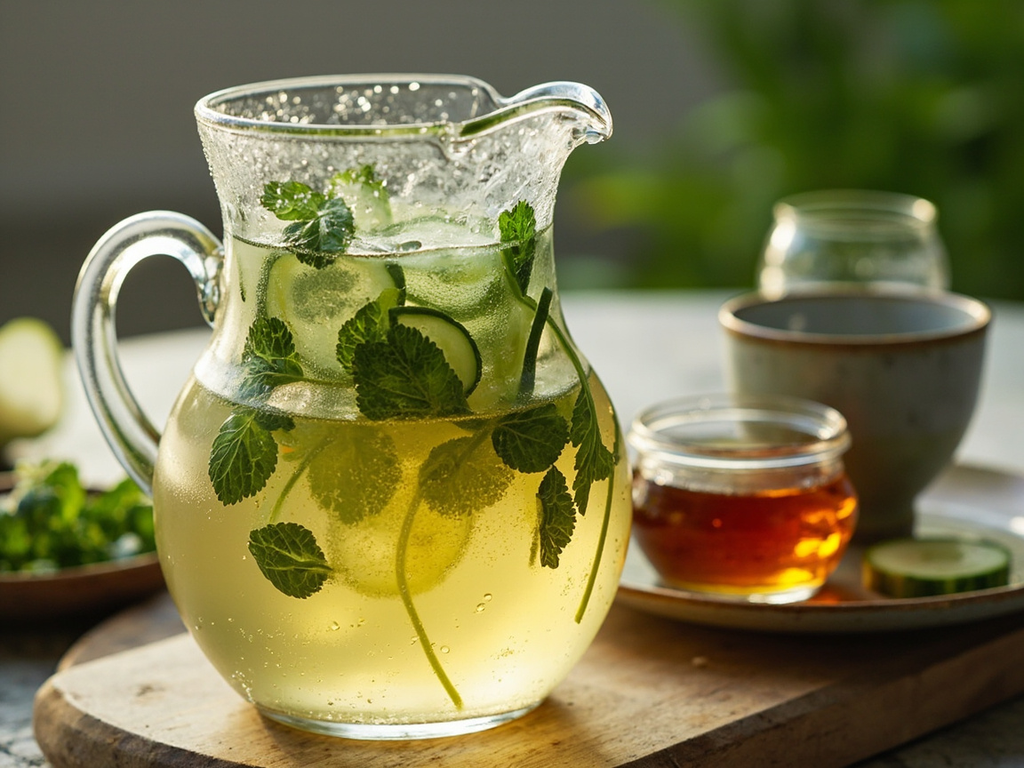
The contemporary twist : Topped with sparkling water and ice, sekanjabin becomes a historical 'mocktail' perfect for summer — serve with a cucumber stick, as is still done in Iran.
Al-Ghazali · Charactorium