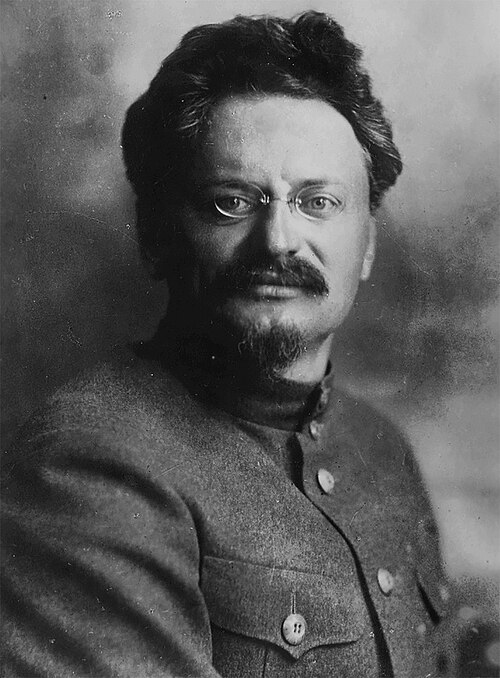
Paul Vaillant-Couturier(1892 — 1937)
Paul Vaillant-Couturier
France
8 min read
French writer, journalist, and politician (1892–1937), co-founder of the French Communist Party and editor-in-chief of L'Humanité. A World War I veteran, he was a leading figure of pacifism and the workers' left during the interwar period.
Frequently asked questions
Famous Quotes
« Peace is a daily conquest.»
« Childhood is the homeland of all humankind.»
Key Facts
- 1892: born in Paris
- 1914–1918: fought on the front lines, a defining experience that shaped his pacifism
- 1920: co-founder of the French Communist Party at the Congrès de Tours
- 1926–1937: editor-in-chief of L'Humanité
- 1937: died prematurely at age 44; his state funeral was attended by hundreds of thousands
Works & Achievements
An autobiographical novel evoking his Parisian childhood in an artistic milieu. Considered his literary masterpiece, it reveals a sensitive and humanist writer, far removed from the image of the mere political polemicist.
Hundreds of articles, editorials, and social investigations published over sixteen years at the helm of the newspaper. This journalistic corpus is an essential source for understanding the French working-class left of the interwar period.
A decisive oral address at the founding of the PCF, transcribed in the official congress proceedings. This speech marks his entry into the grand narrative of French political history and remains a key reference document on the birth of French communism.
A collection of articles, testimonies, and opinion pieces published in the militant press on the experience of the trenches and the rejection of war. These texts made Vaillant-Couturier a major voice of post-war working-class pacifism.
Contributions to various satirical publications as a caricaturist, prior to his career as a political journalist. This graphic talent attests to the breadth of his means of expression in the service of social criticism.
Anecdotes
A volunteer soldier in 1914 at just 22 years old, Paul Vaillant-Couturier endured the hell of the trenches throughout the Great War. This traumatic experience transformed him profoundly: confronted daily with the deaths of his comrades in the mud of the front lines, he became one of the most ardent champions of pacifism and international workers' solidarity.
At the Tours Congress in December 1920, Vaillant-Couturier played a decisive role in the founding of the French Communist Party. Before an electrified hall, he passionately argued for joining the Third International in Moscow and helped persuade the majority of socialist delegates to vote for the historic split from the old SFIO, thereby giving birth to the PCF.
As editor-in-chief of *L'Humanité* from 1921, Vaillant-Couturier transformed the daily newspaper into a true weapon in the fight against rising fascism. In the 1930s, as Hitler was seizing power in Germany and far-right leagues were growing stronger in France, his biting editorials rallied hundreds of thousands of working-class readers every day.
In 1935, he published *Enfance* (Childhood), an autobiographical novel in which he recounted with genuine emotion his Parisian childhood in the world of artists. The book reveals a little-known side of the activist: that of a sensitive writer attuned to human beings, who saw literature as a tool for popular emancipation as much as a political act.
Vaillant-Couturier was one of the architects of the Popular Rally that would lead to the Popular Front's victory in May 1936. He did not live to see the great strikes of June 1936 or the first major social legislation: his health was failing rapidly, and he died on **October 10, 1937**, at the age of 45, worn out by years of intense political struggle.
Primary Sources
We want lasting peace, and we know it can only be achieved through the victory of the organized international proletariat. That is why we are joining the Communist International founded in Moscow.
My father was a sculptor. He lived in that world of plaster and clay where shapes slowly come to life beneath one's hands. I grew up surrounded by those white faces that seemed to be waiting for something.
Fascism is war. Wherever it triumphs, it brings misery, terror, and death. The working class of France will not allow Hitler's Germany to become the model for tomorrow.
We who have known the trenches, we who have watched our brothers die in the mud for interests that were never ours, have a duty to tell the youth: never again that war.
Key Places
Birthplace of Paul Vaillant-Couturier on January 8, 1892, in a milieu of artists and intellectuals. His father was a sculptor, giving him a childhood steeped in artistic creation — an experience he would later evoke in *Enfance*.
Venue of the Congress of Tours (December 25–30, 1920), where the French Communist Party was founded. Vaillant-Couturier spoke there with great passion, urging socialist delegates to join the Third International in Moscow.
The center of his journalistic and political activity from 1921 onward. It was from this newspaper that he waged sixteen years of campaigns against fascism, in defense of peace and workers' rights.
Sectors of the front where Vaillant-Couturier fought as a soldier between 1914 and 1918. This direct experience of the trenches, the mud, and death marked him for life and fueled his radical pacifism.
Vaillant-Couturier traveled to the Soviet Union several times for congresses of the Communist International. These trips deepened his conviction that the Soviet revolution represented a beacon of hope for workers around the world.