 flip
flipMaza, the Citizen's Barley Cake
Maza, the Citizen's Barley Cake
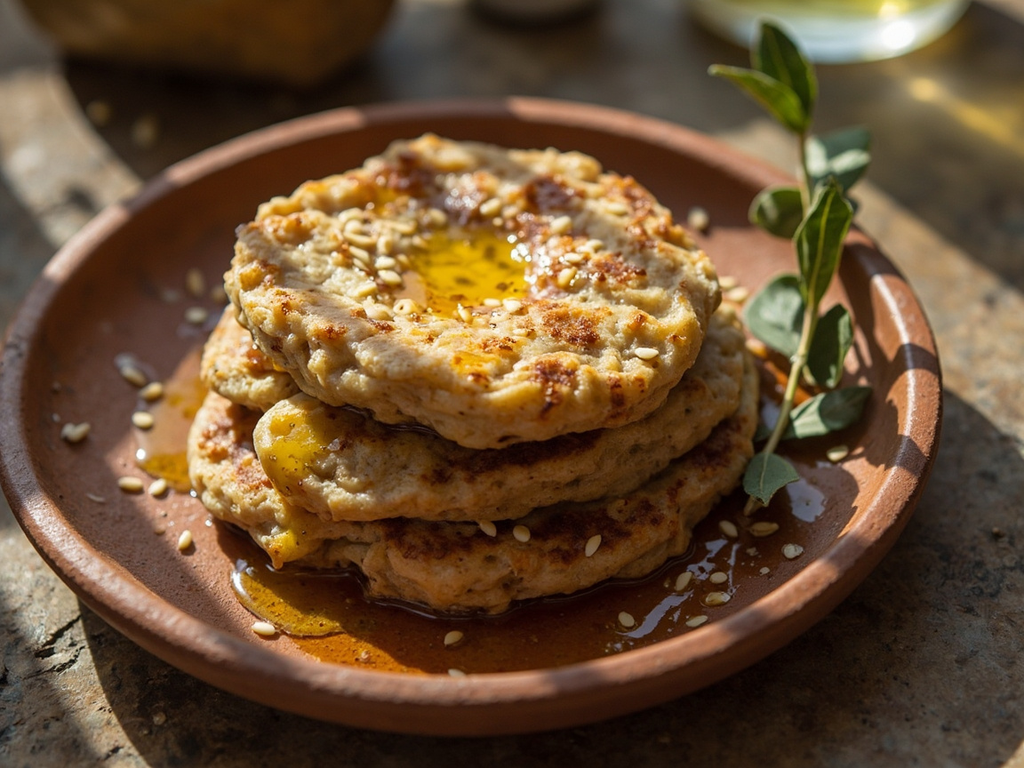
Why this dish? Maza is the daily bread of the average Athenian, the demos that Pericles defended at the Pnyx. He himself, reputed sober and unpretentious in his home at Cholargos, shared this frugal barley base that nourished both the rower at Piraeus and the general.
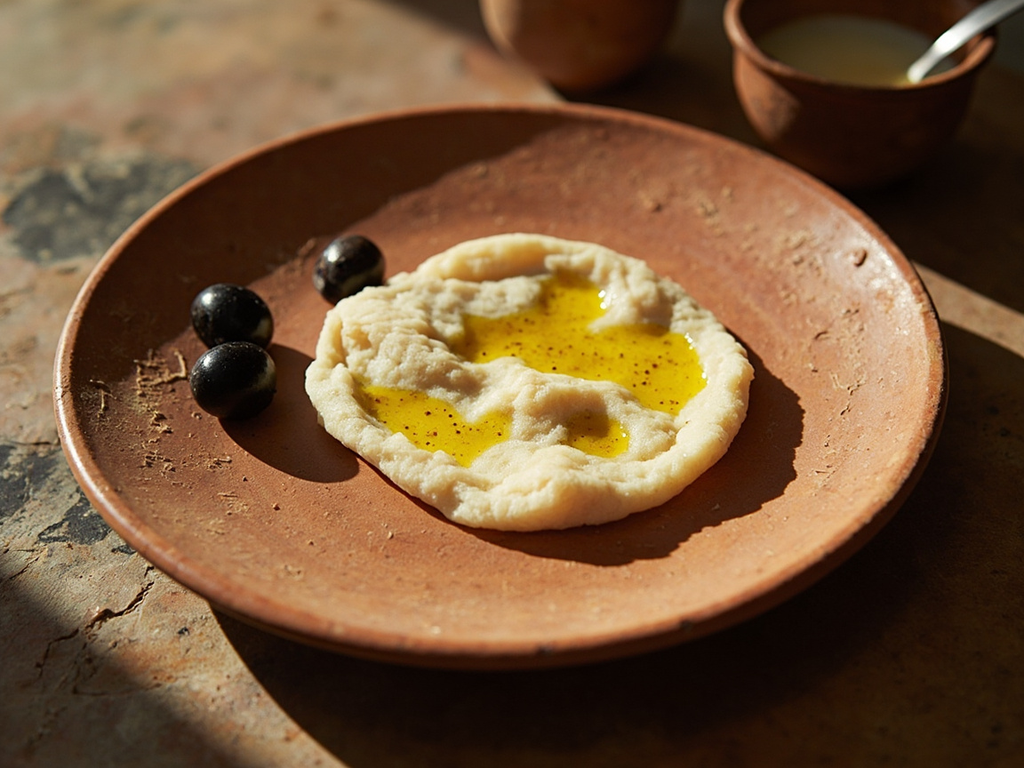
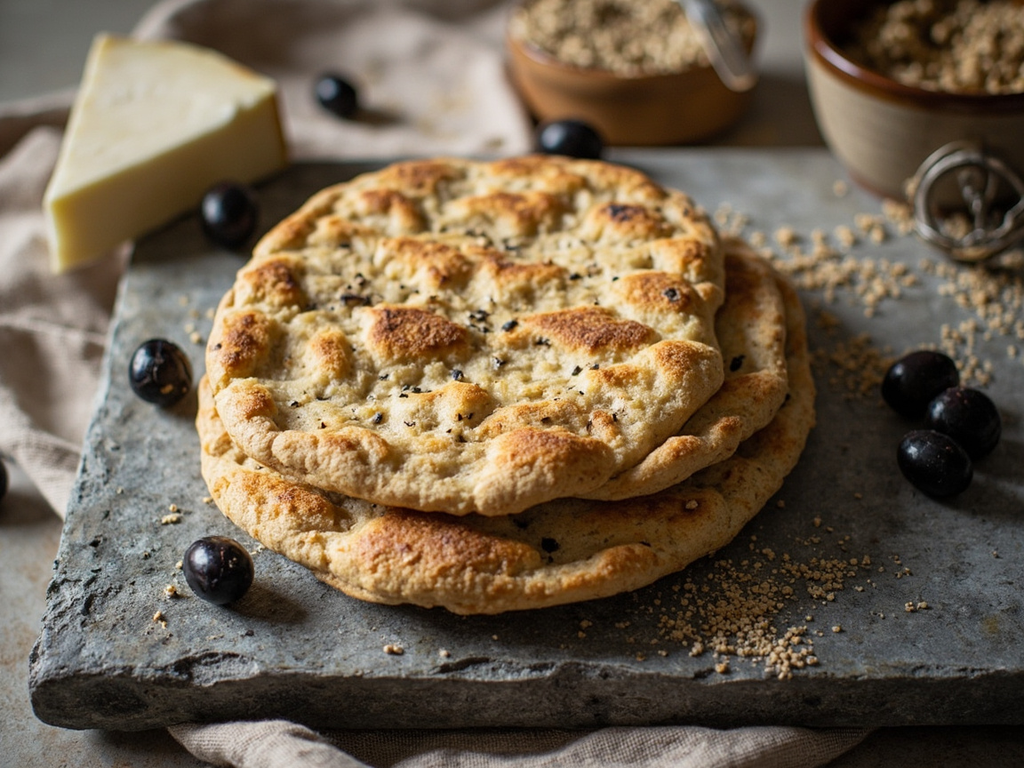
A dense cake of toasted barley, kneaded and barely cooked, broken to soak up oil and accompany opson. It is the very foundation of Greek diet, more common than wheat bread reserved for festive days.
Citizen, do not despise this humble barley cake: it is the bread of the entire city, from the farmer of Attica to the rower who powers our triremes. At my table in Cholargos, no sumptuous dishes were laid; I hold that a man who serves the polis must keep his belly sober and his mind clear. Toast your barley before grinding, as our mothers do, so it releases that scent of fire; moisten it with a stream of our oil, gift of Athena, and you will taste the frugality that befits free men.
- •Toasted barley flour (alphita) — two generous handfuls (cereal base)
- •Spring water — enough to bind (binder)
- •Sea salt — a pinch (seasoning)
- •Attic olive oil — a drizzle (binder and flavor (signature))
Maza, the Citizen's Barley Cake
A dense cake of toasted barley, kneaded and barely cooked, broken to soak up oil and accompany opson. It is the very foundation of Greek diet, more common than wheat bread reserved for festive days.
Why this dish? Maza is the daily bread of the average Athenian, the demos that Pericles defended at the Pnyx. He himself, reputed sober and unpretentious in his home at Cholargos, shared this frugal barley base that nourished both the rower at Piraeus and the general.
Citizen, do not despise this humble barley cake: it is the bread of the entire city, from the farmer of Attica to the rower who powers our triremes. At my table in Cholargos, no sumptuous dishes were laid; I hold that a man who serves the polis must keep his belly sober and his mind clear. Toast your barley before grinding, as our mothers do, so it releases that scent of fire; moisten it with a stream of our oil, gift of Athena, and you will taste the frugality that befits free men.
Ingredients (period version)
- Toasted barley flour (alphita) — two generous handfuls (cereal base)
- Spring water — enough to bind (binder)
- Sea salt — a pinch (seasoning)
- Attic olive oil — a drizzle (binder and flavor (signature))
Ingredients
- Barley flour — 250 g (cereal base)
- Warm water — 120 to 150 ml (binder)
- Salt — 1 tsp (seasoning)
- Extra virgin olive oil — 3 tbsp (binder and flavor)
Method
- Toast the barley flour dry in a pan for a few minutes, stirring, until it smells nutty, then let cool slightly.
- Mix the flour, salt, oil, and warm water gradually to form a firm, slightly sticky dough.
- Knead briefly, shape into flat palm-sized cakes about a finger thick.
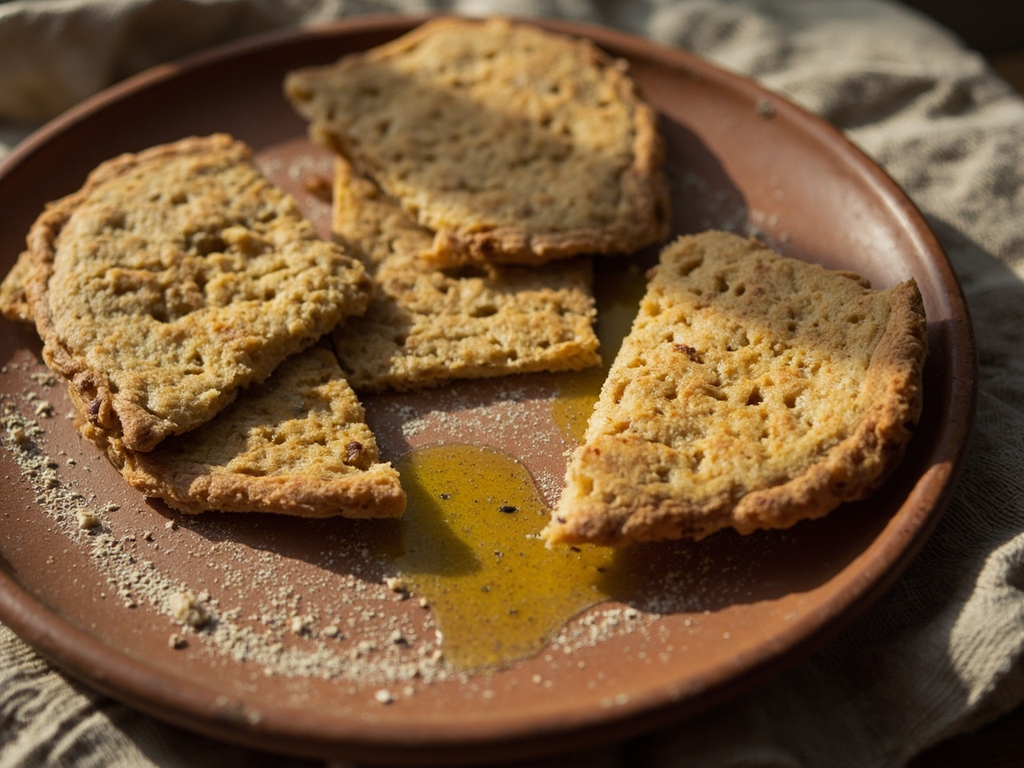
- Cook on a hot stone or dry pan for 3–4 minutes per side, until browned.
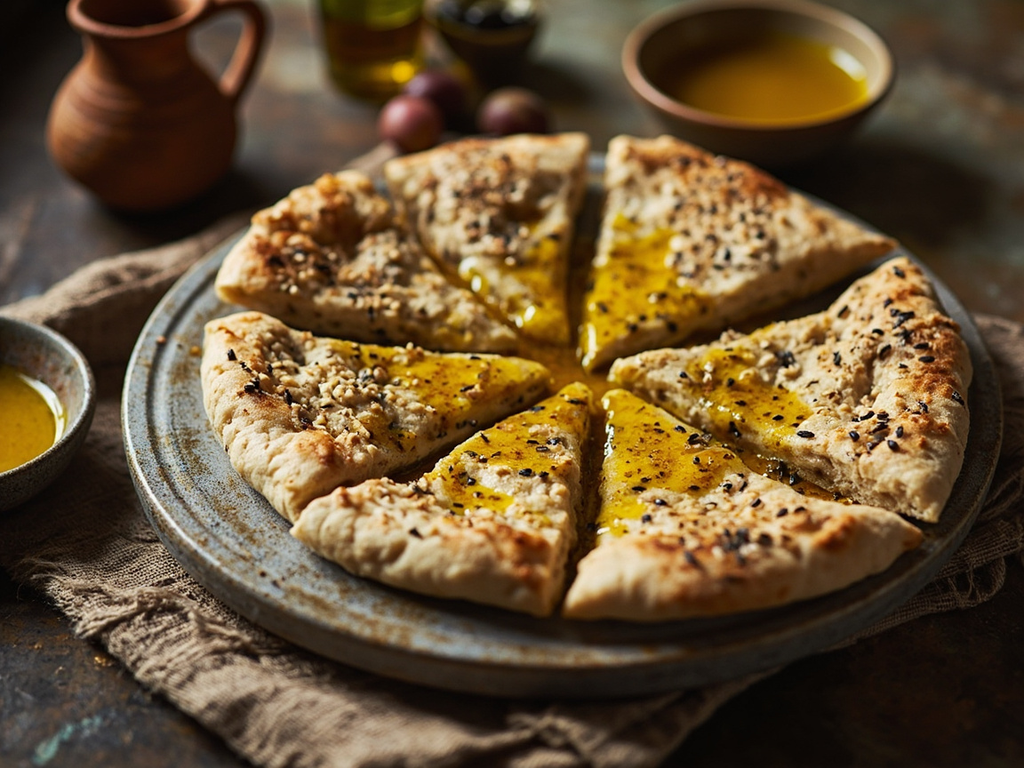
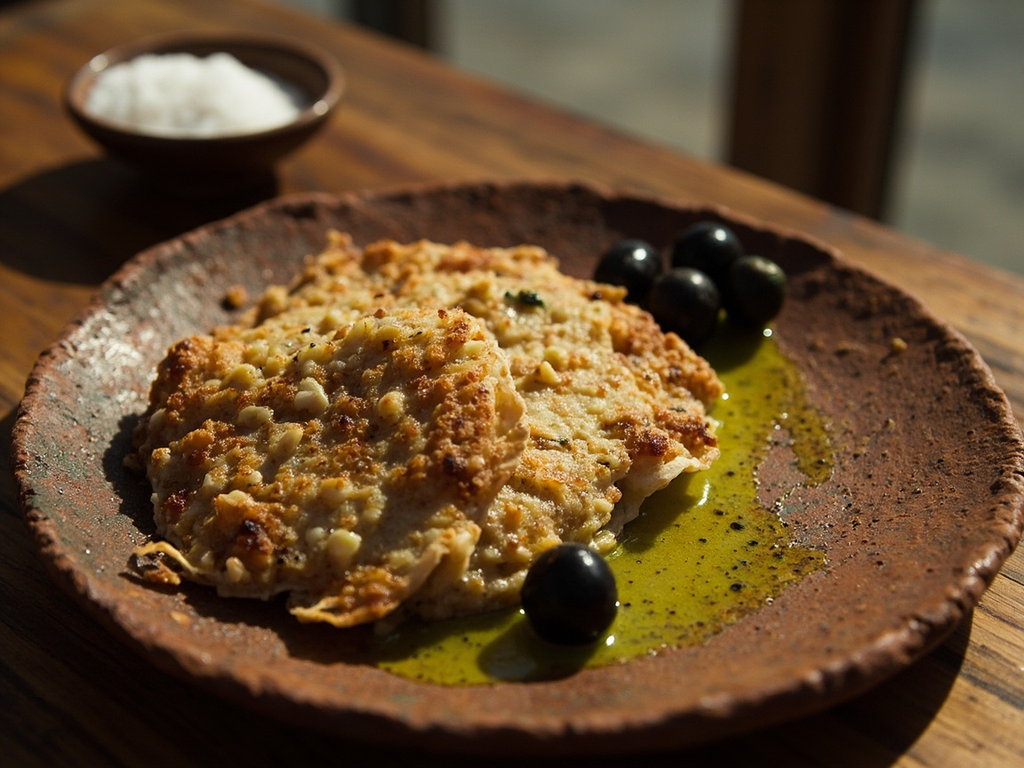
- Serve warm, drizzled with olive oil, to soak up or accompany an opson.
How it was made : Barley grew better than wheat on the poor soils of Attica. It was toasted before grinding (alphita), allowing it to be consumed without actual oven baking: simply kneaded with water, sometimes wine or milk. Maza was the staple food, less prestigious than wheat bread (artos), but daily fare for the vast majority of Athenians.
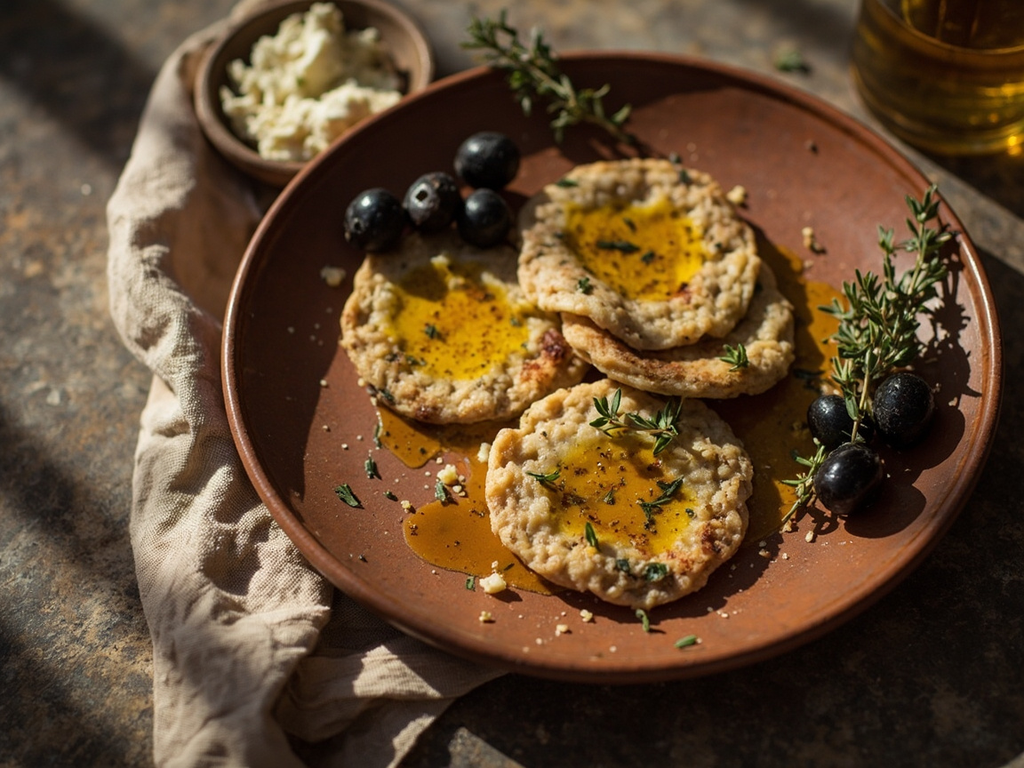
The contemporary twist : Serve it on an "ancient appetizer board" with olives, fresh cheese, and oil, letting each person break off a piece by hand, as at the Pnyx.
Sources : Andrew Dalby, Siren Feasts: A History of Food and Gastronomy in Greece · Aristophanes, comedies (mentions of maza and alphita)
Pericles · Charactorium