 flip
flipFigs with honey and sesame for the gods
Figs with honey and sesame for the gods
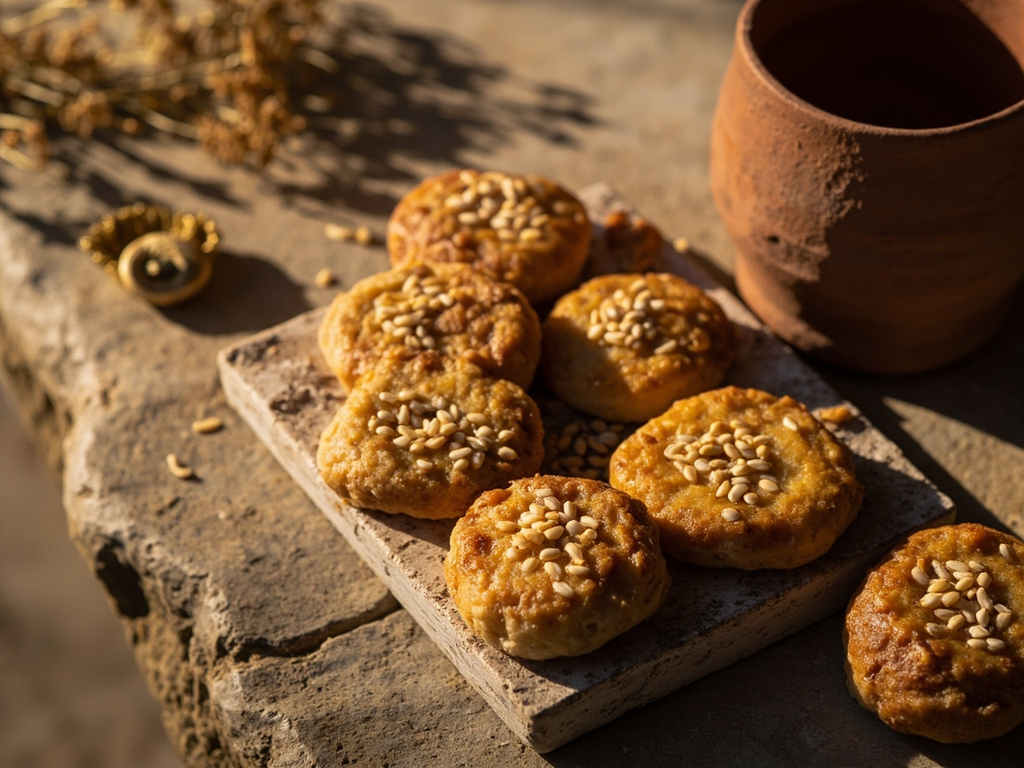
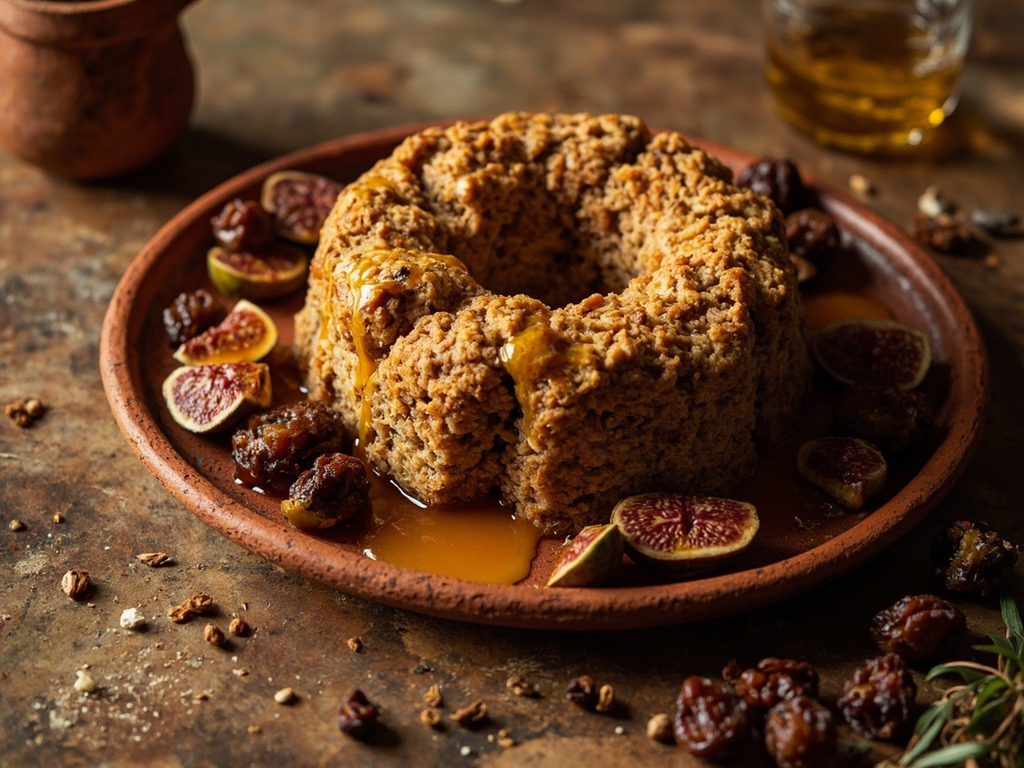
Why this dish? Figs were so dear to Athenians that they were said to be the food of the wise; they were placed, along with honey and sesame cakes, on domestic altars. In the "healthy" city of the Republic, Plato lists figs, honey, and myrtle among the goods of a happy and measured life. Inspired by Greek domestic offerings, without reproducing a sacred rite.
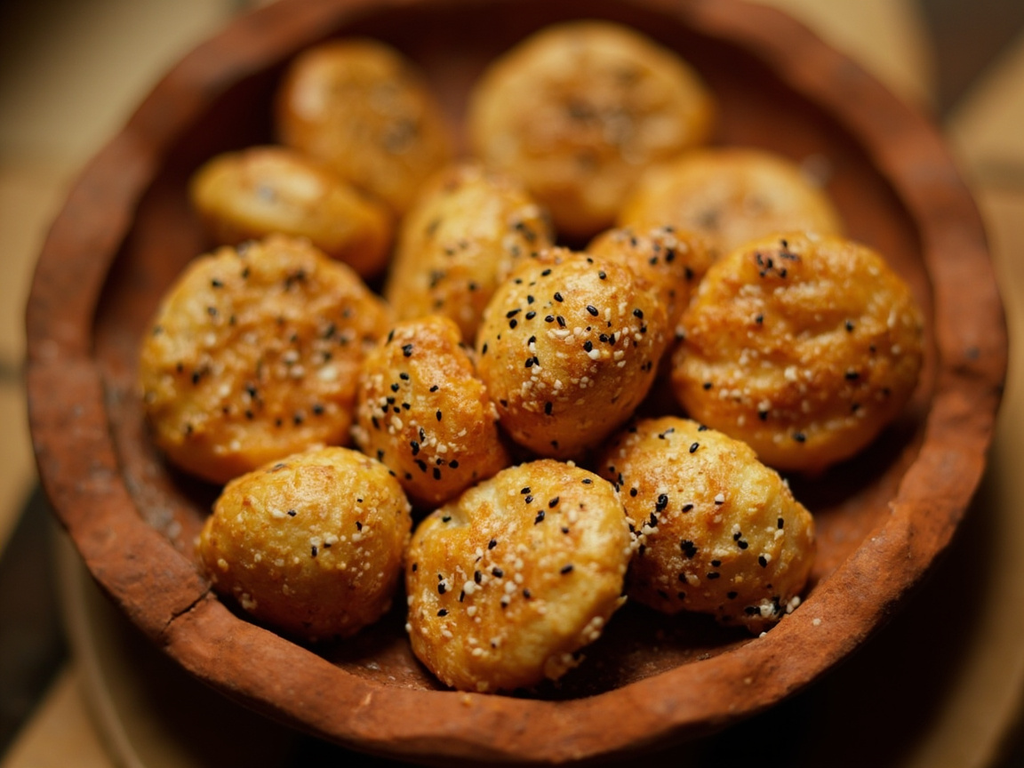
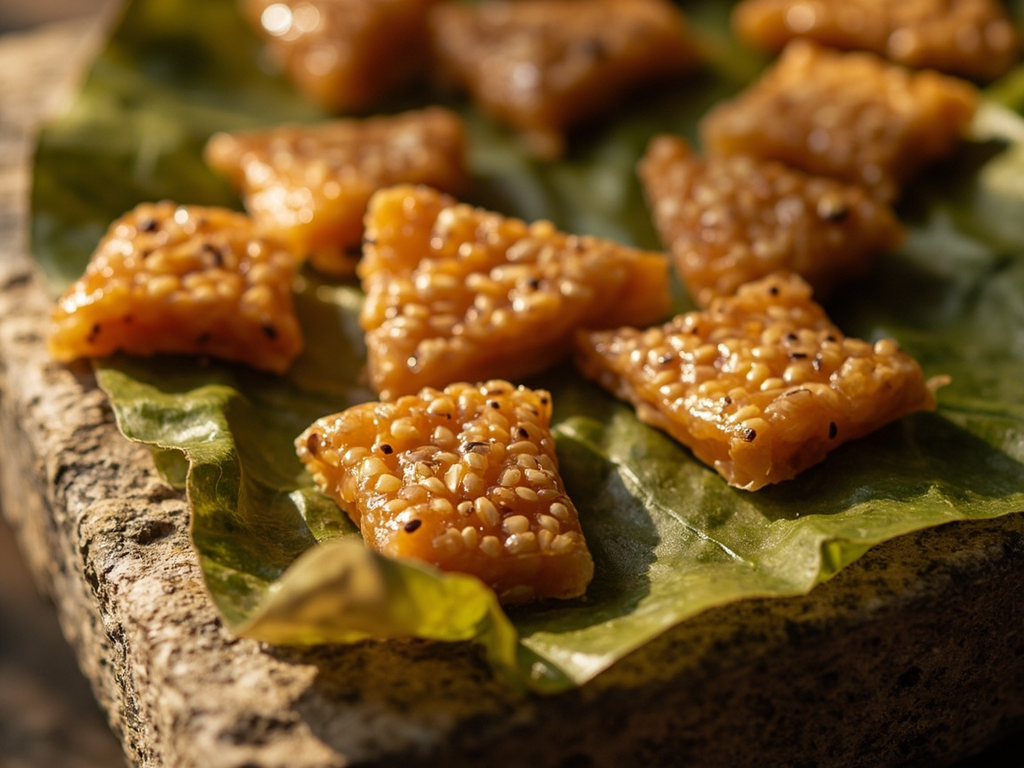
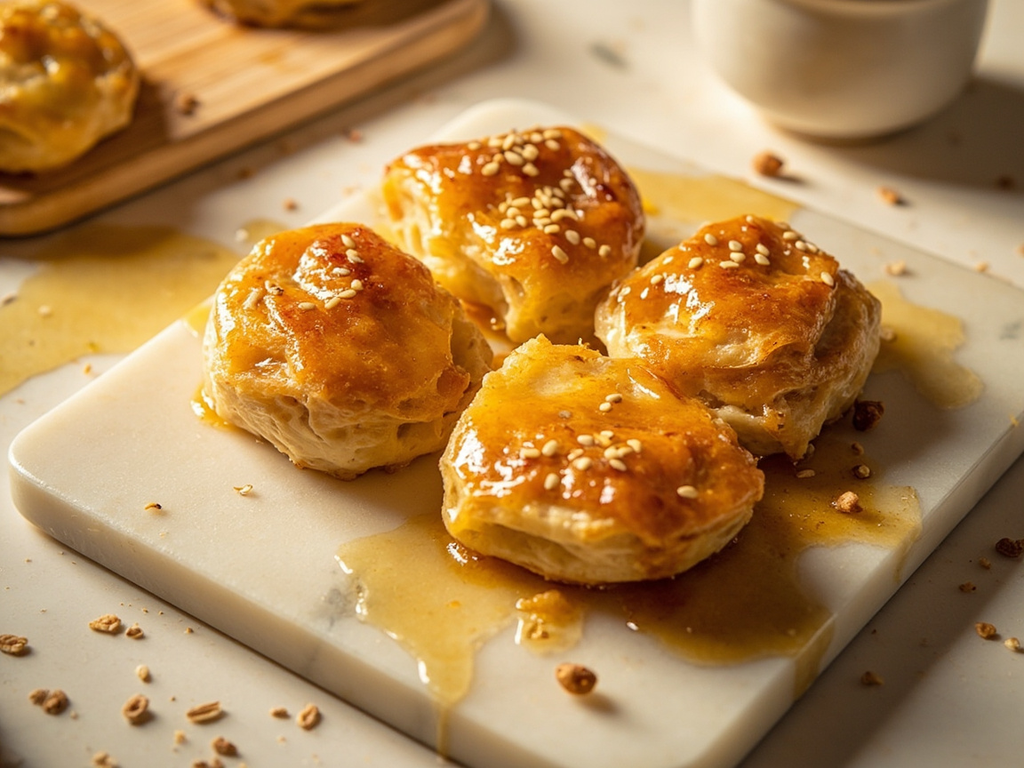
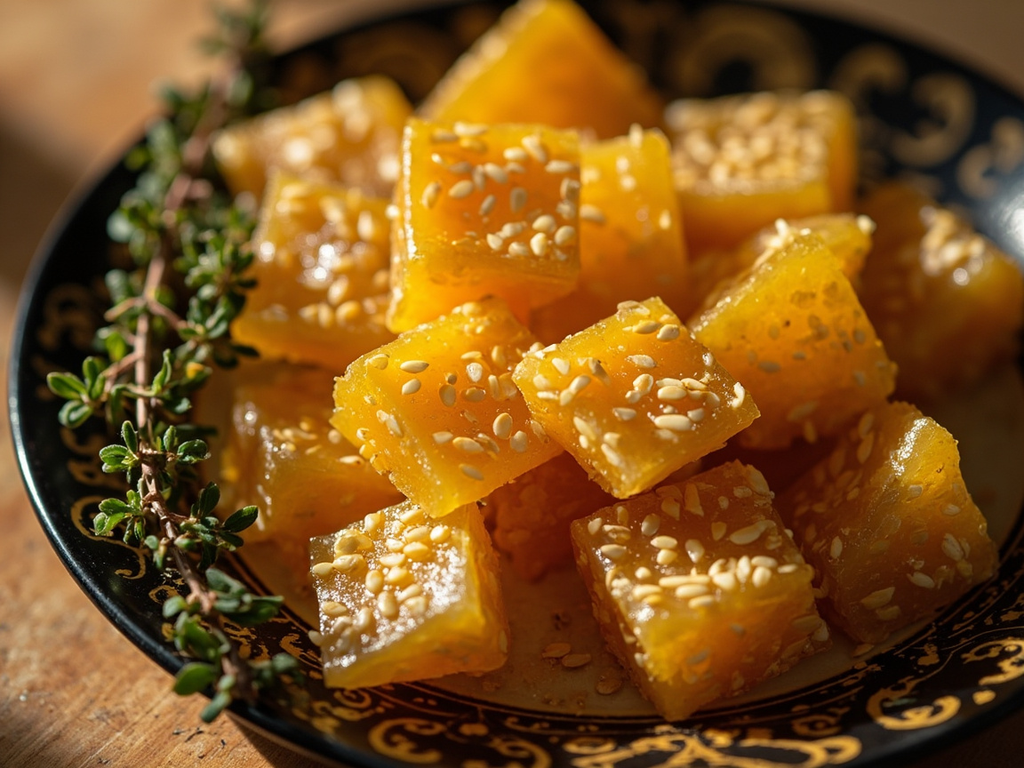
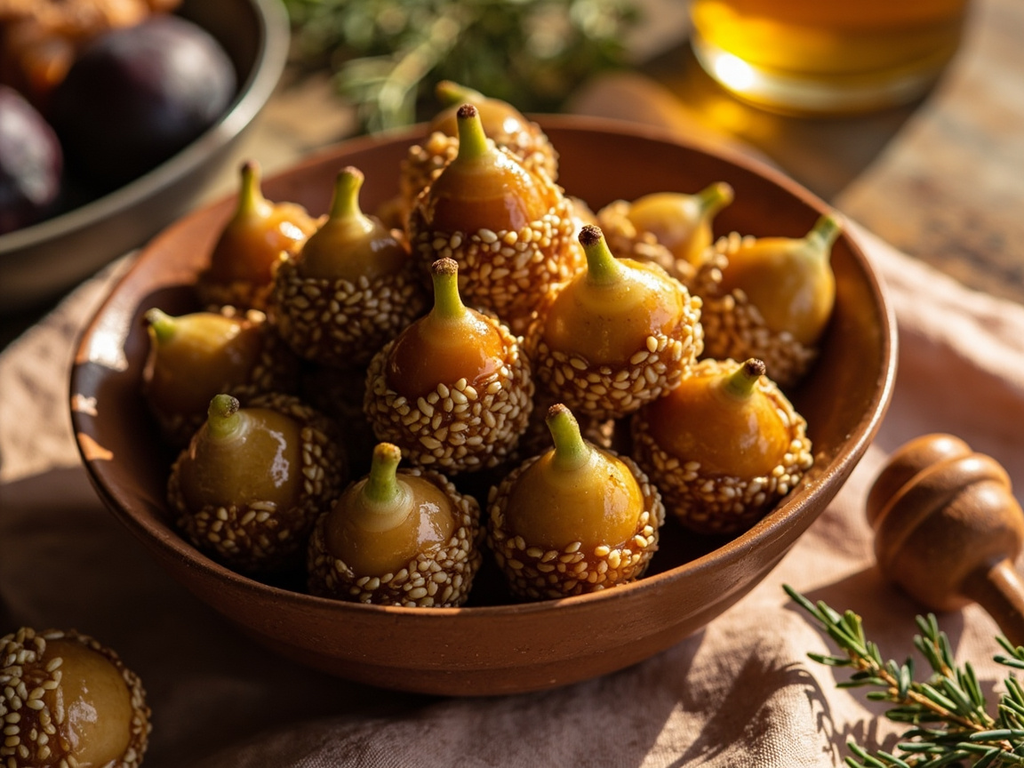
Fresh or dried figs drizzled with honey from Mount Hymettus and rolled in toasted sesame, sometimes formed into small cakes. Pure sweetness, fragrance of honey and flowers, crunch of sesame: the treat of the second tables and the simplest offering to the household gods.
Look at these figs glistening with honey: there is no sweeter gift to place on the hearth altar, nor any dish more beloved by Athenians. In the city I dream of as just and healthy, people are content with figs, honey, and peas — and they live long and happy, at peace with the gods. Roll them in toasted sesame, offer the Immortals their share before tasting yourself: for gratitude, you see, is the first nourishment of the soul. Then taste, slowly, and bless the measure that makes this little so delicious.
- •Fresh or dried figs — a dozen (sweet core)
- •Honey (from Hymettus) — to drizzle (sweet binder and flavor)
- •Sesame seeds — a handful (crunch and flavor)
- •Thyme or flowering oregano — a pinch (optional) (aromatic note)
Figs with honey and sesame for the gods
Fresh or dried figs drizzled with honey from Mount Hymettus and rolled in toasted sesame, sometimes formed into small cakes. Pure sweetness, fragrance of honey and flowers, crunch of sesame: the treat of the second tables and the simplest offering to the household gods.
Why this dish? Figs were so dear to Athenians that they were said to be the food of the wise; they were placed, along with honey and sesame cakes, on domestic altars. In the "healthy" city of the Republic, Plato lists figs, honey, and myrtle among the goods of a happy and measured life. Inspired by Greek domestic offerings, without reproducing a sacred rite.
Look at these figs glistening with honey: there is no sweeter gift to place on the hearth altar, nor any dish more beloved by Athenians. In the city I dream of as just and healthy, people are content with figs, honey, and peas — and they live long and happy, at peace with the gods. Roll them in toasted sesame, offer the Immortals their share before tasting yourself: for gratitude, you see, is the first nourishment of the soul. Then taste, slowly, and bless the measure that makes this little so delicious.
Ingredients (period version)
- Fresh or dried figs — a dozen (sweet core)
- Honey (from Hymettus) — to drizzle (sweet binder and flavor)
- Sesame seeds — a handful (crunch and flavor)
- Thyme or flowering oregano — a pinch (optional) (aromatic note)
Ingredients
- Ripe fresh figs (or rehydrated dried figs) — 12 (sweet core)
- Flower honey (thyme preferred) — 4 tbsp (sweet binder and flavor)
- Sesame seeds — 4 tbsp (crunch and flavor)
- Fresh thyme — a few leaves (aromatic note)
Method
- Toast the sesame seeds in a dry pan until golden and fragrant.
- If using dried figs: rehydrate them in warm water for 10 minutes, then drain.
- Warm the honey to make it runny, dip each fig in it.
- Roll the figs in the toasted sesame to coat.
- Arrange in a small pyramid, sprinkle with thyme and a final drizzle of honey; let set before serving.
How it was made : Tragemata ("second tables") closed the Greek meal: figs, nuts, sesame and honey cakes (like sêsamê or itrion). Honey replaced sugar, unknown to the Greeks. On domestic altars, fruits, cakes, and libations were placed as a sign of gratitude before consumption — a gesture of sharing with the divine.
The contemporary twist : Arranged on skewers as "offering" with a bay leaf slipped between the figs, presented on a bed of sesame like a small edible altar.
Sources : Plato, Republic, Book II · Andrew Dalby, Siren Feasts (1996)
Plato · Charactorium