Bicerin
A hot Turin drink served in layers in a small glass (bicerin means 'small glass' in Piedmontese): thick hot chocolate at the bottom, coffee in the middle, whipped milk cream on top, not to be stirred.
A hot Turin drink served in layers in a small glass (bicerin means 'small glass' in Piedmontese): thick hot chocolate at the bottom, coffee in the middle, whipped milk cream on top, not to be stirred.
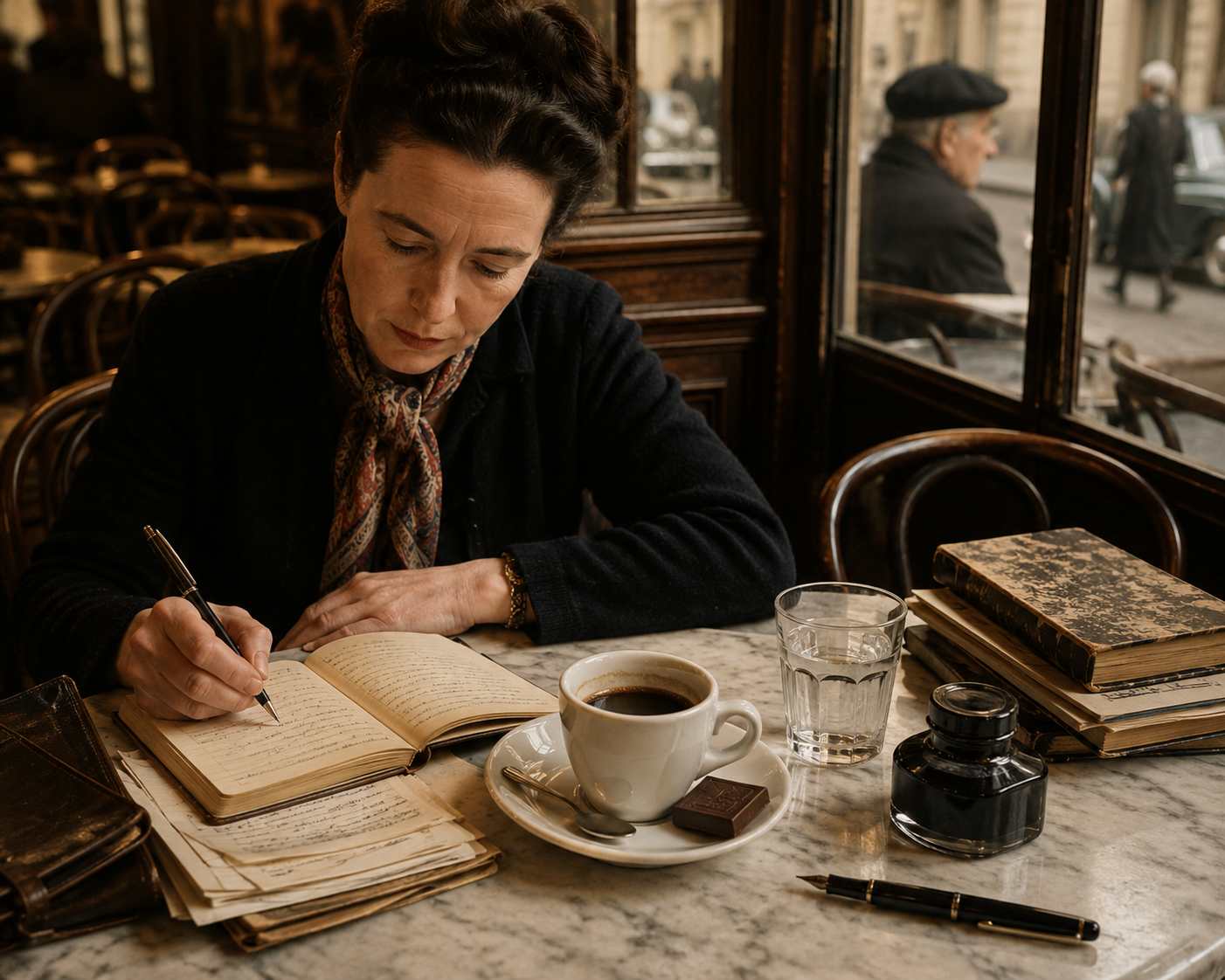
In Turin, you see, the bicerin is as much an institution as a drink. They bring it to you in a small glass — bicerin means 'small glass' in our dialect — and the rule is not to stir it: the dense chocolate stays at the bottom, the coffee in the middle, and the cream floats on top like snow. You drink it that way, by layers, in the warmth of a café with old mirrors, on a winter morning when the fog swallows the Po. It is, I believe, the very image of my city: serious, a little grave, and yet secretly indulgent.
- •Chocolate (Turin gianduja) — one portion, melted (bottom layer)
- •Strong coffee — a small glass (middle layer)
- •Milk cream — one spoonful (top layer)
- •Sugar — to taste (sweetness)
Bicerin
A hot Turin drink served in layers in a small glass (bicerin means 'small glass' in Piedmontese): thick hot chocolate at the bottom, coffee in the middle, whipped milk cream on top, not to be stirred.
Why this dish? Bicerin is the iconic drink of Turin's historic cafés, Primo Levi's hometown. Coffee, chocolate, and cream in layers in a small glass: it is the warm comfort of the gianduja chocolate capital, the civilized, literary Turin that Levi inhabited all his life as a chemist-writer.
In Turin, you see, the bicerin is as much an institution as a drink. They bring it to you in a small glass — bicerin means 'small glass' in our dialect — and the rule is not to stir it: the dense chocolate stays at the bottom, the coffee in the middle, and the cream floats on top like snow. You drink it that way, by layers, in the warmth of a café with old mirrors, on a winter morning when the fog swallows the Po. It is, I believe, the very image of my city: serious, a little grave, and yet secretly indulgent.
Ingredients (period version)
- Chocolate (Turin gianduja) — one portion, melted (bottom layer)
- Strong coffee — a small glass (middle layer)
- Milk cream — one spoonful (top layer)
- Sugar — to taste (sweetness)
Ingredients
- Dark chocolate — 60 g (bottom layer)
- Milk — 100 ml (for the hot chocolate)
- Espresso coffee, very strong — 2 cups (middle layer)
- Heavy cream — 100 ml, barely whipped (top layer)
- Sugar — 1 to 2 tsp (sweetness)
Method
- Melt the dark chocolate with the milk over low heat to obtain a thick hot chocolate; sweeten lightly.
- Prepare a very strong, hot espresso.
- Pour the hot chocolate into the bottom of small heat-resistant glasses.
- Gently add the coffee on top, using a spoon to keep the layers.
- Top with barely whipped cream, without stirring; serve immediately.
How it was made : Bicerin descends from the bavareisa, an 18th-century Turin drink mixing coffee, chocolate, and milk. It is associated with the café Al Bicerin, opened in 1763, and Turin's chocolate tradition, birthplace of gianduja born from the combination of cocoa and Piedmontese hazelnuts. Cocoa, a New World product, was of course perfectly common in Levi's 20th century.
The contemporary twist : Serve in a clear double-walled glass to showcase the three coffee-chocolate-cream layers, coffee-shop style.
Primo Levi · Charactorium