 flip
flipSaffron Frumenty
Saffron Frumenty
Why this dish? Frumenty was the staple of the English table in Richard's time: a creamy wheat porridge served to both humble and king, gilded with saffron on days when the lord wished to show off. It is the everyday dish of the kingdom he governed without residing there much.
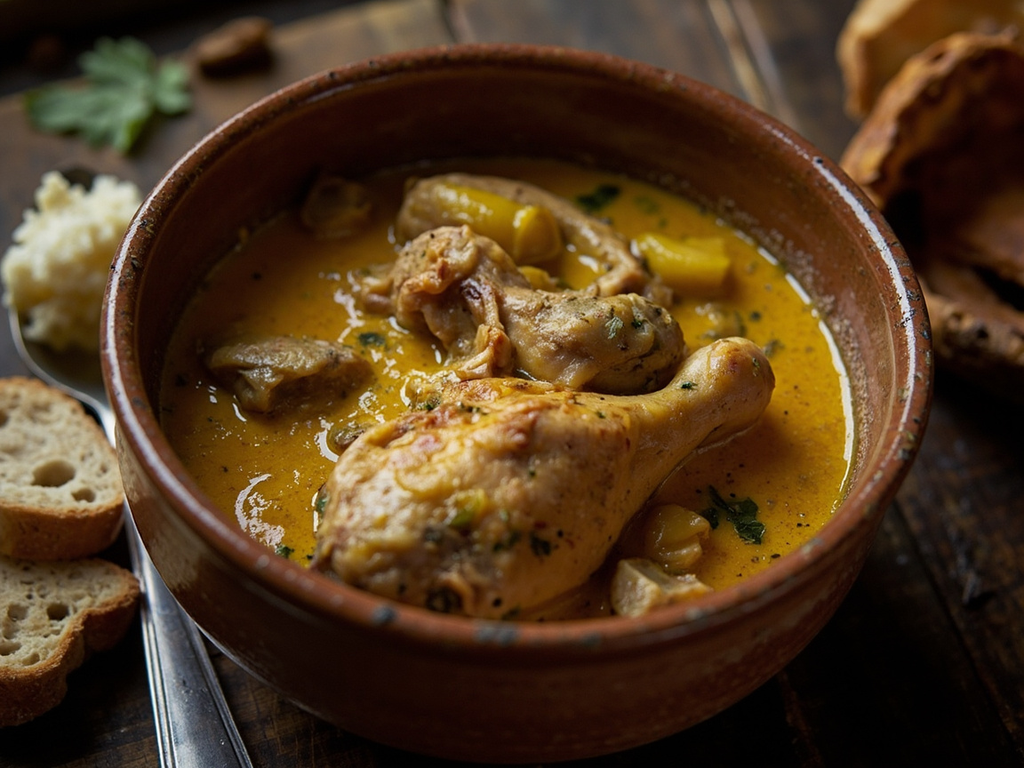
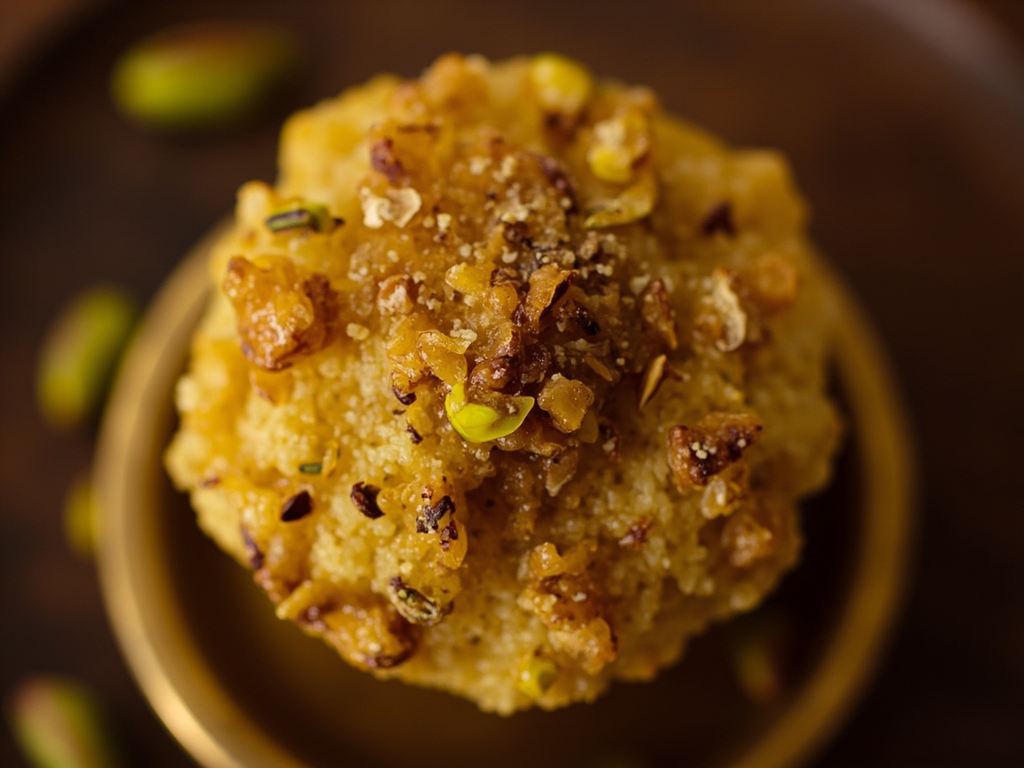
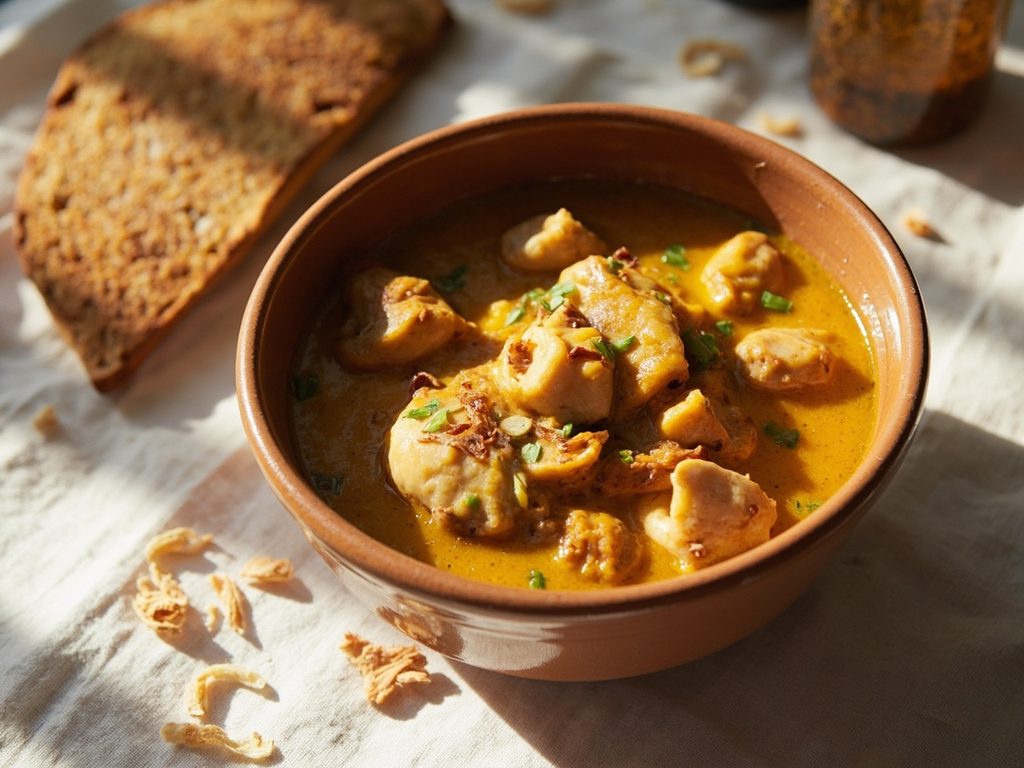
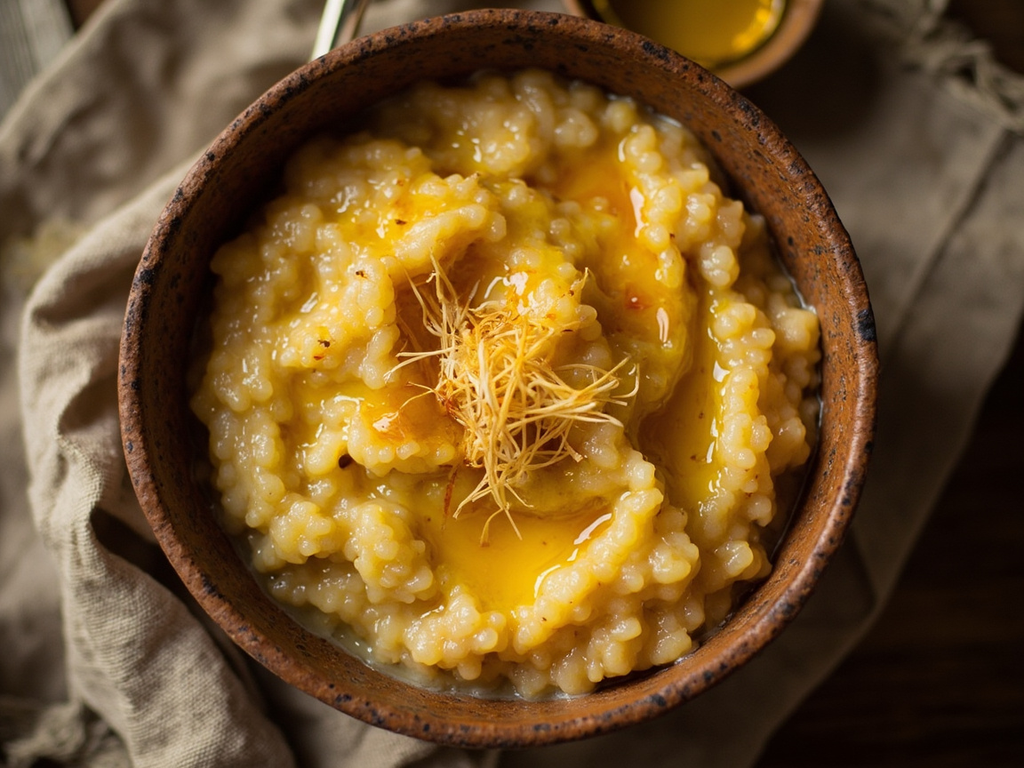
A porridge of cracked wheat cooked long in milk, thickened with egg yolks, gilded and scented with saffron. Sweet and comforting, it was the 'liquid bread' of medieval England, a required accompaniment to game on feast days, a simple dish on others.
My kingdom of England, I have seen little of it, but its frumenty I know well. We take the good wheat of my lands, we crack it in milk until it becomes tender as snow, and we cast in a few strands of that golden saffron worth its weight. Poor plowman or crusader king, each eats it as he pleases: plain for the serf, gilded with spices for my bowl. It is the dish that satisfies without fuss, and comforts the weary man.
- •Cracked wheat (hulled wheat) — a full bowl (grain base)
- •Milk — to cover (creamy cooking)
- •Egg yolks — a few (thickener)
- •Saffron — a few strands (color and aroma)
- •Honey — to taste (sweetness (feast days))
Saffron Frumenty
A porridge of cracked wheat cooked long in milk, thickened with egg yolks, gilded and scented with saffron. Sweet and comforting, it was the 'liquid bread' of medieval England, a required accompaniment to game on feast days, a simple dish on others.
Why this dish? Frumenty was the staple of the English table in Richard's time: a creamy wheat porridge served to both humble and king, gilded with saffron on days when the lord wished to show off. It is the everyday dish of the kingdom he governed without residing there much.
My kingdom of England, I have seen little of it, but its frumenty I know well. We take the good wheat of my lands, we crack it in milk until it becomes tender as snow, and we cast in a few strands of that golden saffron worth its weight. Poor plowman or crusader king, each eats it as he pleases: plain for the serf, gilded with spices for my bowl. It is the dish that satisfies without fuss, and comforts the weary man.
Ingredients (period version)
- Cracked wheat (hulled wheat) — a full bowl (grain base)
- Milk — to cover (creamy cooking)
- Egg yolks — a few (thickener)
- Saffron — a few strands (color and aroma)
- Honey — to taste (sweetness (feast days))
Ingredients
- Soft cracked wheat or coarse bulgur — 200 g (base)
- Whole milk — 750 ml (cooking)
- Egg yolks — 2 (thickener)
- Saffron — 1 good pinch of threads (color/flavor)
- Honey — 1 to 2 tbsp (sweetness)
- Salt — 1 pinch (balance)
Method
- Soak the cracked wheat for a few hours, then drain.
- Cook it gently in milk with saffron and a pinch of salt, stirring, until tender and creamy (30-40 minutes).
- Off the heat, stir in the egg yolks beaten with a little warm porridge to prevent curdling, then reheat without boiling.
- Sweeten with honey and serve hot, alongside meat or on its own.
How it was made : Frumenty is one of the best-documented dishes of medieval England: the wheat was first 'burst' in boiling water, then finished in milk, sometimes with meat broth. Saffron, a luxury, marked the high-day version.
The contemporary twist : Pour the frumenty warm into a glass, honey and saffron on top, as a 'royal porridge' for brunch.
Sources : The Forme of Cury (English collection, late 14th c.) · C. M. Woolgar, The Culture of Food in England 1200-1500
Richard the Lionheart · Charactorium