 flip
flipWalnut Electuary with Honey and Herbs
Walnut Electuary with Honey and Herbs
Why this dish? A wounded or exhausted knight sought strength and comfort. Electuaries — pastes of honey, walnuts, and herbs — were as much remedy as treat, passed down by monks who tended the Emperor's warriors.
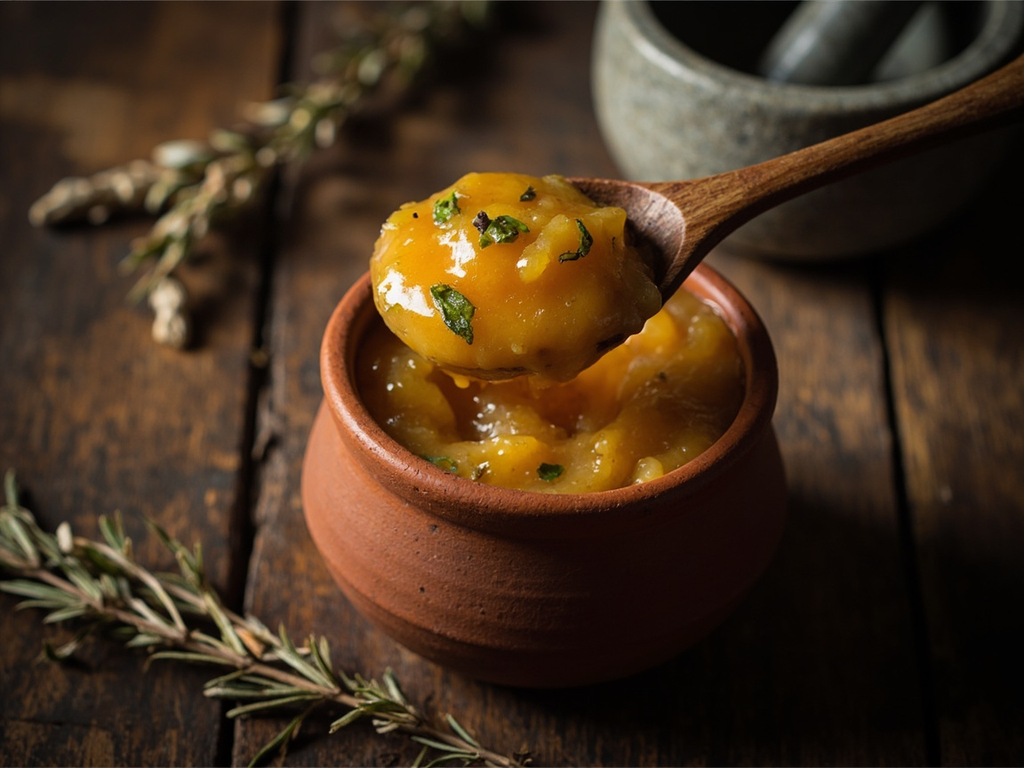
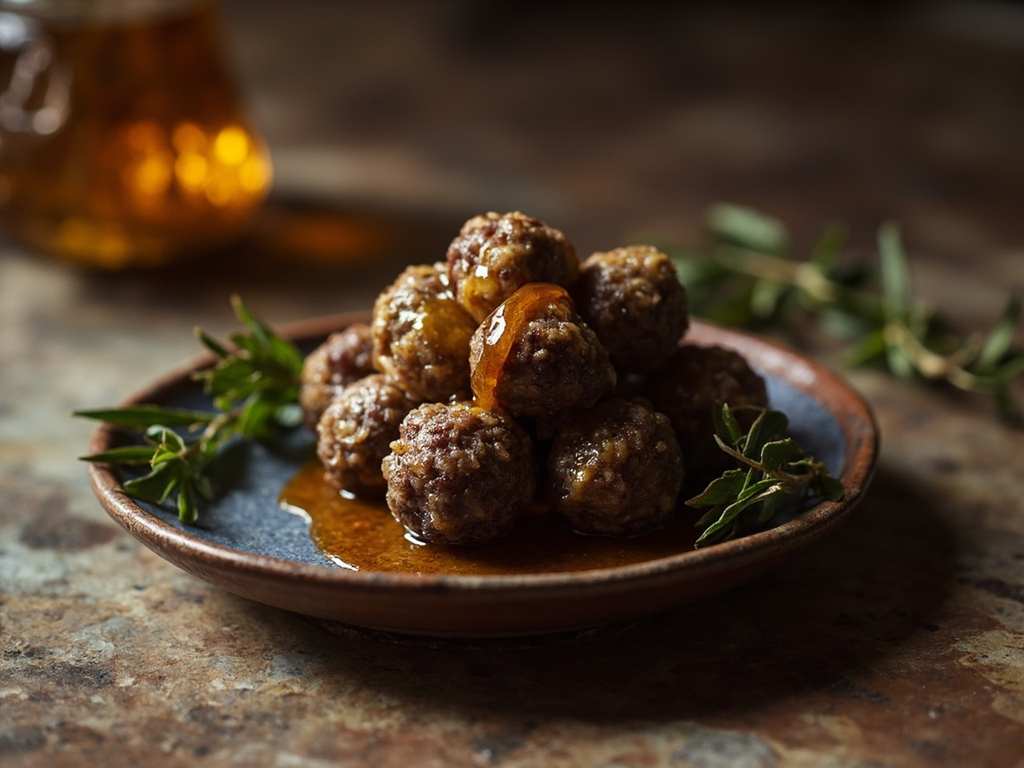
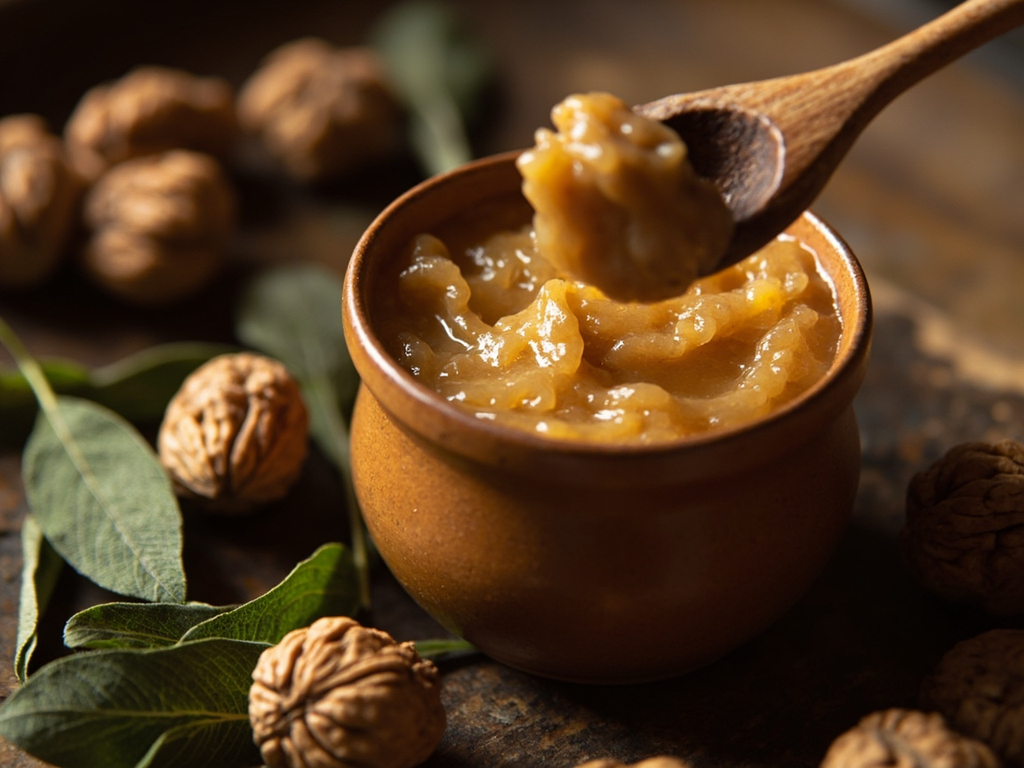
A thick paste of honey, crushed walnuts, and bitter herbs, taken by the spoonful as a fortifying remedy. Half-sweet, half-medicine, in the manner of early medieval monastic preparations.
After the fray, when the body is broken and the heart heavy, listen to the advice the good monks gave me. Pound autumn walnuts, mix them with honey until a thick paste forms, add the bitter herbs from the garden. A spoonful in the morning, and vigor returns to weary limbs. It is neither wholly sweet nor wholly remedy — but by my faith, it revives a man better than a long prayer on an empty stomach.
- •Walnuts — a handful (strength and substance)
- •Honey — enough to bind (base and preservation)
- •Bitter herbs (sage, rue, lovage) — a little (medicinal virtue)
- •Cumin — a pinch (digestive aromatic)
Walnut Electuary with Honey and Herbs
A thick paste of honey, crushed walnuts, and bitter herbs, taken by the spoonful as a fortifying remedy. Half-sweet, half-medicine, in the manner of early medieval monastic preparations.
Why this dish? A wounded or exhausted knight sought strength and comfort. Electuaries — pastes of honey, walnuts, and herbs — were as much remedy as treat, passed down by monks who tended the Emperor's warriors.
After the fray, when the body is broken and the heart heavy, listen to the advice the good monks gave me. Pound autumn walnuts, mix them with honey until a thick paste forms, add the bitter herbs from the garden. A spoonful in the morning, and vigor returns to weary limbs. It is neither wholly sweet nor wholly remedy — but by my faith, it revives a man better than a long prayer on an empty stomach.
Ingredients (period version)
- Walnuts — a handful (strength and substance)
- Honey — enough to bind (base and preservation)
- Bitter herbs (sage, rue, lovage) — a little (medicinal virtue)
- Cumin — a pinch (digestive aromatic)
Ingredients
- Walnut halves — 100 g (strength and substance)
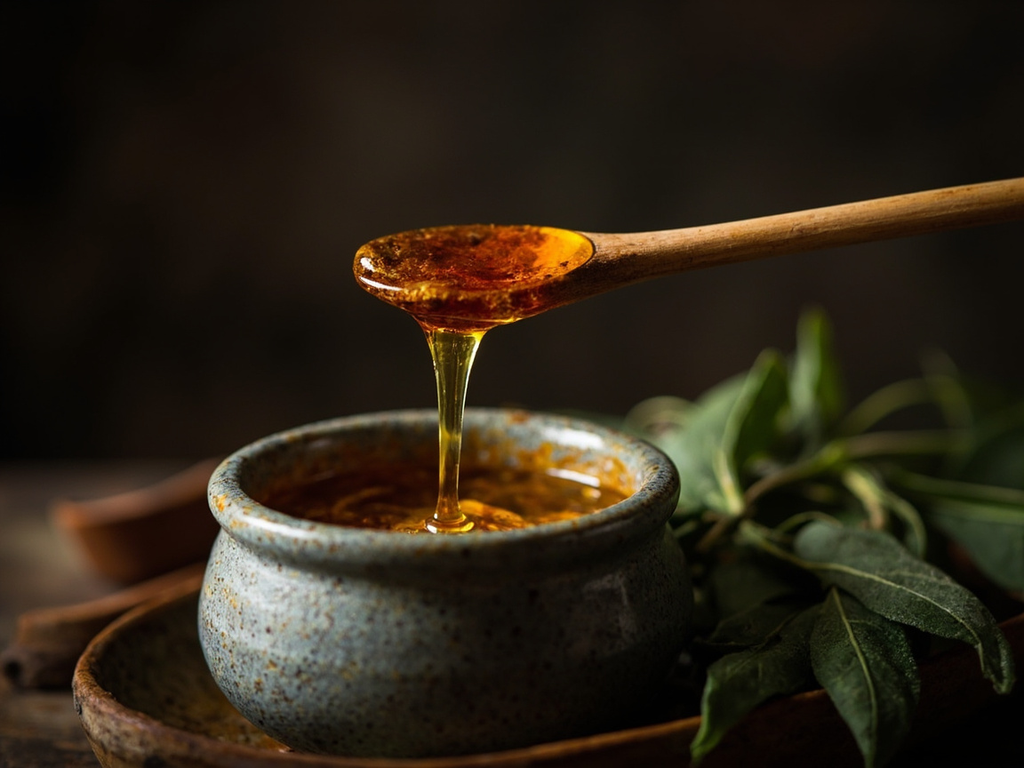
- Honey — 150 g (base and preservation)
- Fresh sage — 4 leaves, finely chopped (aromatic herb)
- Ground cumin — 1/4 tsp (digestive aromatic)
- A pinch of pepper — optional (warmth)
Method
- Pound or coarsely chop the walnuts.
- Gently warm the honey without boiling.
- Mix in the walnuts, chopped sage, and cumin until a thick paste forms.
- Pour into a small clean jar and let set in a cool place.
- Take by the spoonful, or spread on dark bread; keeps for several weeks thanks to the honey.
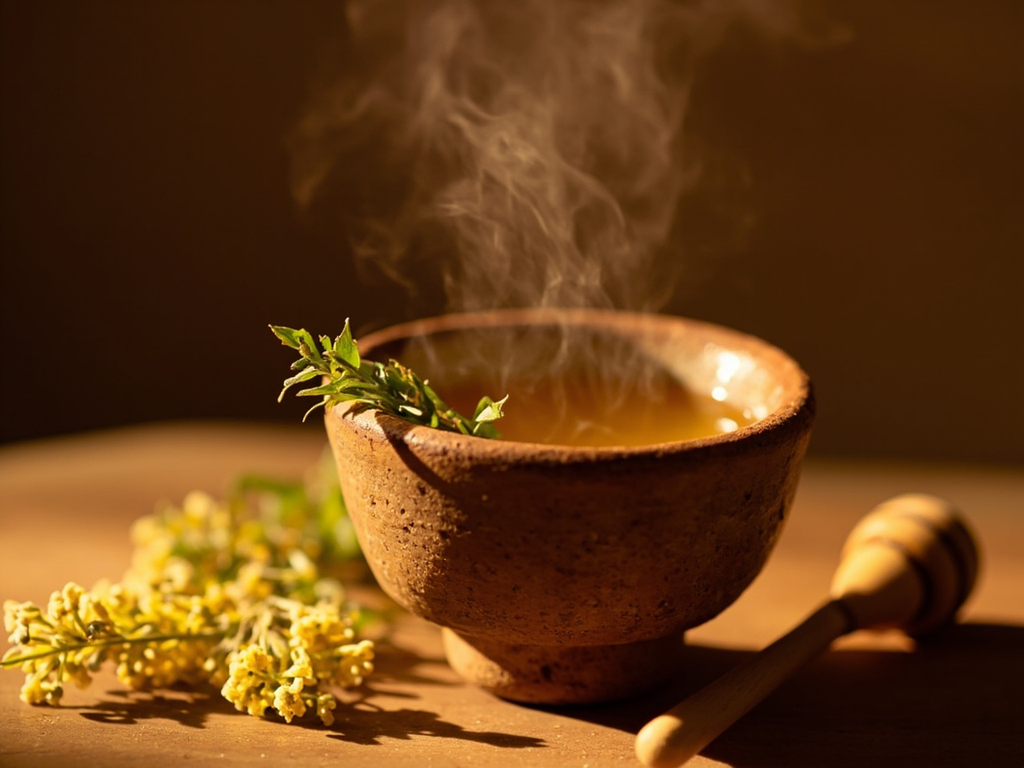
How it was made : Electuaries — mixtures of honey, dried fruits, and plants — were both sweets and medicines. Monasteries, which held medical knowledge and maintained herb gardens (as recommended by the Plan of Saint Gall), prepared them to strengthen the sick and travelers. Honey served as a natural preservative and carrier for the virtues attributed to herbs.
The contemporary twist : Presented in a small jar sealed with a wax disc, with a handwritten label in medieval apothecary style: a "fortifying honey" to give as a gift.
Sources : Plan of Saint Gall (c. 820), monastic herb garden · *Capitulare de villis* (c. 795)
Roland · Charactorium