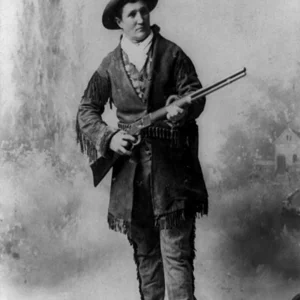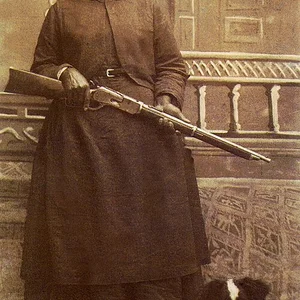

Born into slavery in Tennessee around 1832, Mary Fields became in 1895 the first African American woman mail carrier (Star Route) in the United States, in Montana. Nicknamed “Stagecoach Mary,” she became a legendary figure of the American conquest of the West.
Stagecoach Mary(1832 — 1914)
Mary Fields
États-Unis
6 min read
Frequently asked questions
Key Facts
- Born into slavery in Tennessee around 1832, she was freed after the abolition of slavery in the United States (1865).
- Settled in Montana, where she worked notably alongside the Ursuline nuns of the Saint Peter's Mission.
- In 1895, at over sixty years of age, she became the first African American woman (and the second woman) employed as a Star Route mail carrier for the U.S. Postal Service.
- Known for never missing a route despite snow and harsh weather, driving her postal stagecoach, which earned her the nickname “Stagecoach Mary.”
- Died in 1914 in Cascade, Montana, where she was a popular local figure.
Works & Achievements
By securing this postal contract, Mary became the first African-American woman and the second woman in the United States to carry mail on a rural route. A major symbol in an America still scarred by segregation.
For roughly eight years, Mary ran her route almost never missing a delivery, despite the snow, the cold, and the dangerous trails. Her reliability earned the trust of isolated residents.
After her postal career, Mary opened a laundry in town, staying active and independent well into old age.
Her story, told notably by actor Gary Cooper, made her a lasting icon of the Wild West and a symbol of freedom and courage.
Anecdotes
When the snow was too deep for the horses, Mary Fields strapped on snowshoes and carried the mail sacks on her back to cover the last few miles. It was this unfailing reliability, summer and winter alike, that earned her the nickname “Stagecoach Mary.”
Standing nearly six feet tall and powerfully built, Mary smoked cigars, carried a revolver, and wore an apron over her men's clothing. In Cascade, Montana, the mayor granted her a special exemption: she was the only woman in town allowed to drink in the saloons.
Before becoming a mail carrier, Mary worked at the Ursuline convent of St. Peter's Mission. Her fierce temper got her into trouble: after an argument that reportedly escalated into an exchange of gunfire with a hired hand, the bishop dismissed her from the convent around 1894. That is what pushed her, at over sixty years old, to apply for the mail route.
Mary won the Star Route contract because she was said to be the fastest of all the applicants at hitching a team of six horses. For about eight years, she almost never missed a delivery, earning the trust of the region's isolated farmers.
A devoted baseball fan, Mary supported the local Cascade team: she gave the players bouquets of flowers from her garden and made buttonholes for those who played a good game. When she died in 1914, the whole town paid tribute to her.
Primary Sources
Mary Fields appears as a resident of Cascade, working independently, born in Tennessee around 1832 — one of the few administrative records attesting to her existence and her age.
“Born a slave somewhere in Tennessee, Mary lived to become one of the freest souls ever to draw a breath, or a .38.” The actor, who grew up near Cascade, recounts his childhood memories of the mail carrier.
The nuns describe Mary's arrival in Montana to help an ailing Mother Amadeus, as well as the heavy labor she performed for the mission (hauling, repairs, livestock).
Key Places
Southern state where Mary Fields was born into slavery around 1832. She spent her early years there before abolition.
Ursuline mission and convent where Mary joined Mother Amadeus and carried out heavy labor. She was dismissed from it around 1894 after a conflict.
Small town where her mail route began and where she later settled as a laundress. She became a beloved figure of the whole community there.
City where Mary worked for the Ursulines at the convent before leaving for Montana, after having served the family of Judge Dunne.
Large town near Cascade, the region's commercial and railroad hub through which part of the mail of the era passed.
Typical Objects
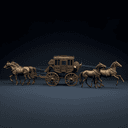
A mail coach drawn by several horses that Mary drove along the trails of Montana. Her mastery of the team earned her the nickname “Stagecoach Mary.”
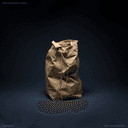
The sealed mailbags Mary had to deliver along her rural postal route. She sometimes carried them on her back in snowshoes when snow blocked the stagecoach.
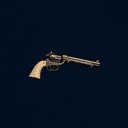
A handgun Mary carried at all times to protect herself from wild animals and bandits on the deserted roads. She knew, it is said, exactly how to use it.
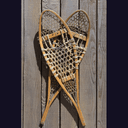
Equipment that let Mary walk on deep snow when the horses could no longer move forward. Thanks to them, she delivered the mail even in the depths of a Montana winter.
📷 CC BY-SA 4.0 · Wikimedia Commons ↗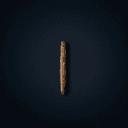
Mary smoked cigars in public, a rare act for a woman of her time. It is part of her image as an independent, free-spirited figure of the Wild West.
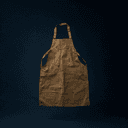
Mary worked in trousers, boots and a man's coat, with an apron over them. This practical outfit stood in sharp contrast to the dresses expected of women in the 19th century.
School Curriculum
Vocabulary & Tags
Key Vocabulary
Tags
Daily Life
Morning
Mary rose before dawn to harness her horses and load the mail sacks. In all weathers, she set out at first light to reach the outlying farms within the day.
Afternoon
Her afternoons were spent on the trails, driving the stagecoach, delivering letters and parcels, and watching over the load. In winter, she sometimes had to climb down and finish the journey on foot in snowshoes.
Evening
When evening came, Mary liked to stop at a saloon in Cascade, smoke a cigar, and chat with the locals. Later in her life, she spent her evenings tending her garden and following the news of the local baseball team.
Food
Like the people of the frontier, she ate mostly hearty foods: meat, bread, beans, strong coffee. The saloons and roadhouses along the stage stops provided simple meals for travelers.
Clothing
Mary wore practical men's clothing — trousers, boots, a thick coat — with an apron over it and a revolver at her belt. This outfit suited the physical work and the harsh climate of Montana.
Housing
She first lived at the Ursuline mission, then in a modest house in Cascade. Her home, plain and simple, also served as the base for her laundry business.
Historical Timeline
Period Vocabulary
Liens externes & ressources
Références
Œuvres
Première factrice afro-américaine sur une Star Route
1895
Une route postale jamais interrompue
1895-1903
Blanchisserie de Cascade
vers 1903
Figure légendaire de la conquête de l'Ouest
XXe siècle