 flip
flipConditum, spiced honeyed wine
Conditum, spiced honeyed wine
Why this dish? At imperial banquets where Theodora sat as equal to Justinian, precious imported wines mixed with aromatics were served. This honeyed, spiced wine, opening the feasts, is the drink of the powerful — worthy of an empress who loved the splendor of the court.
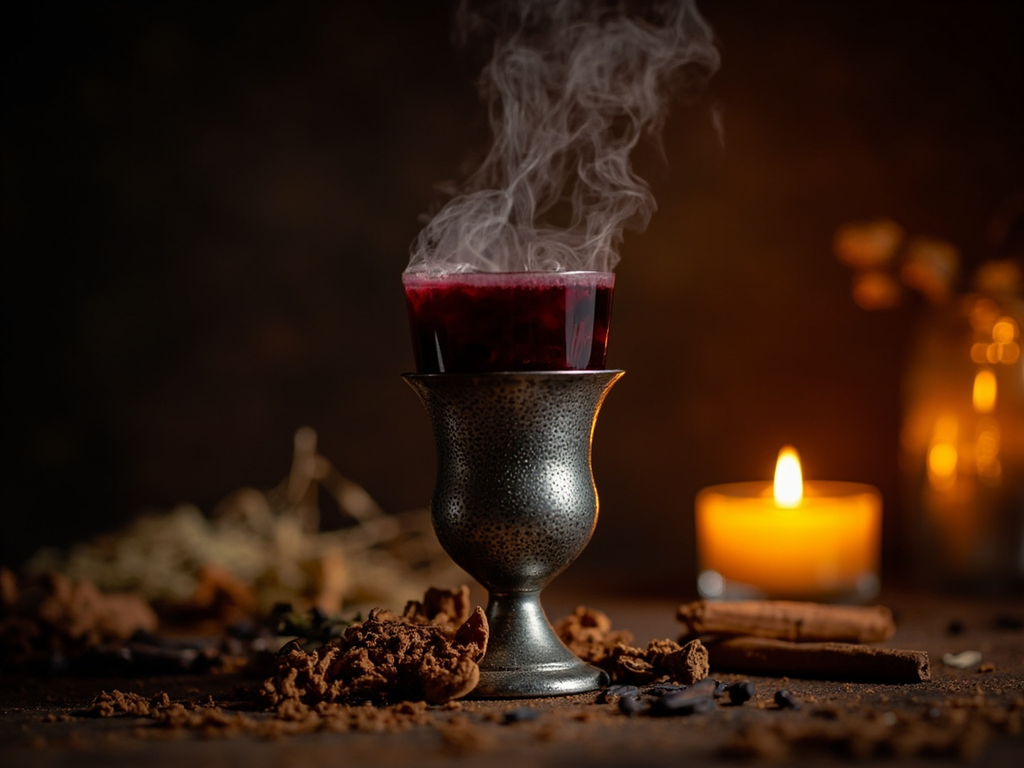
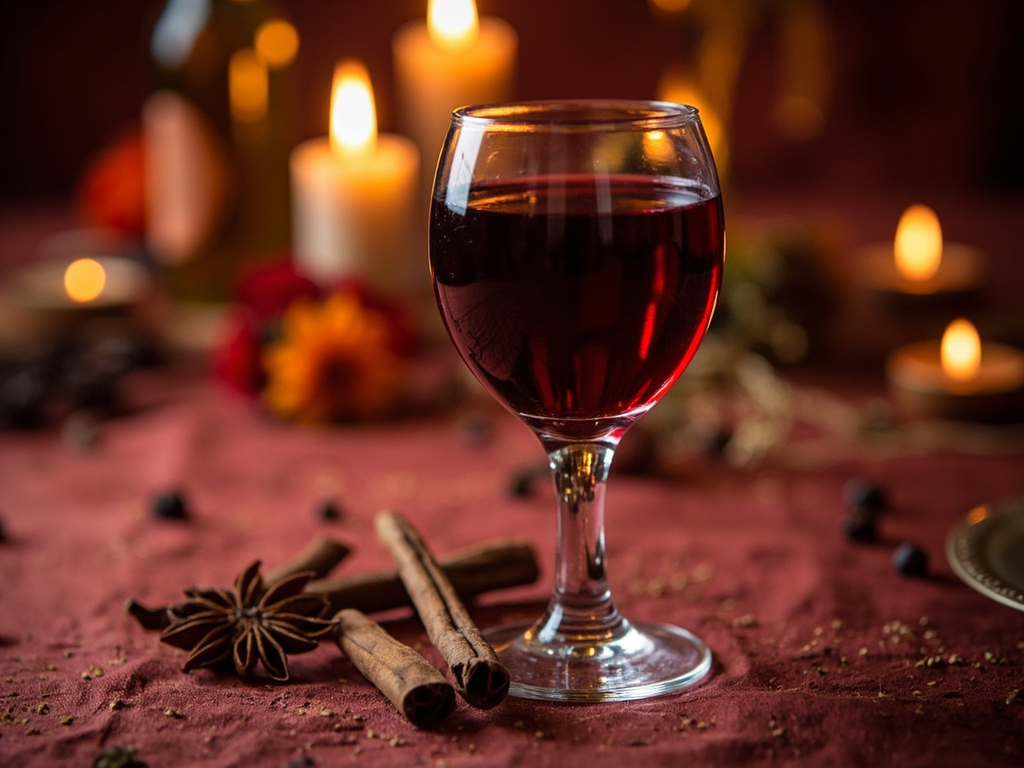
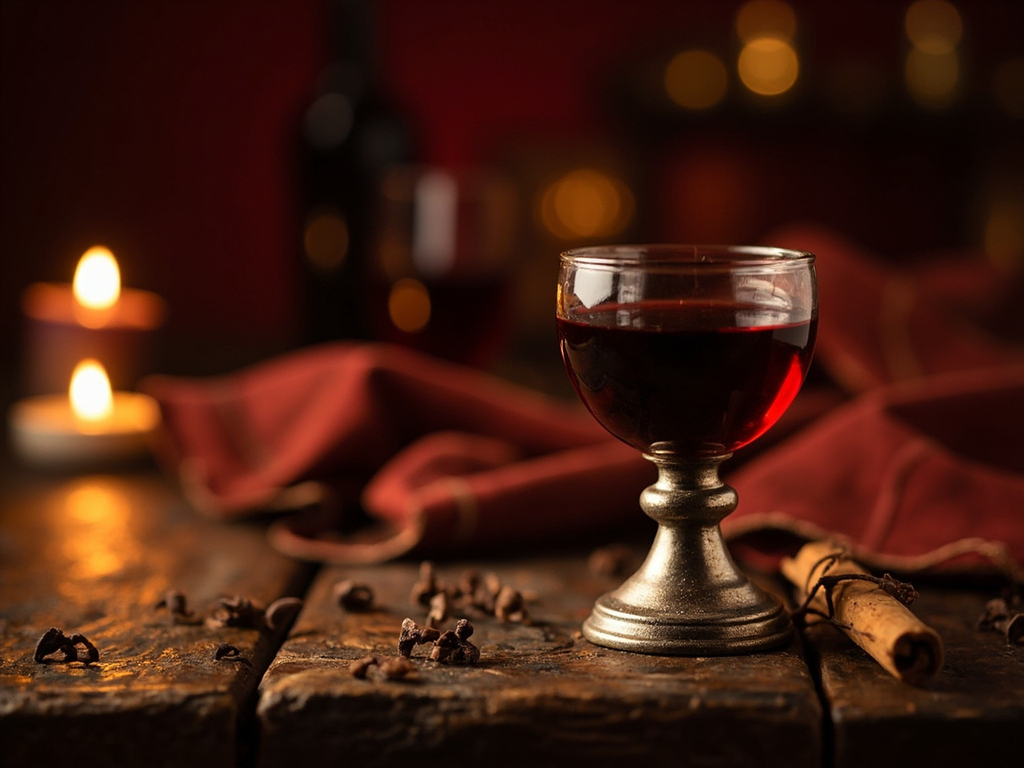
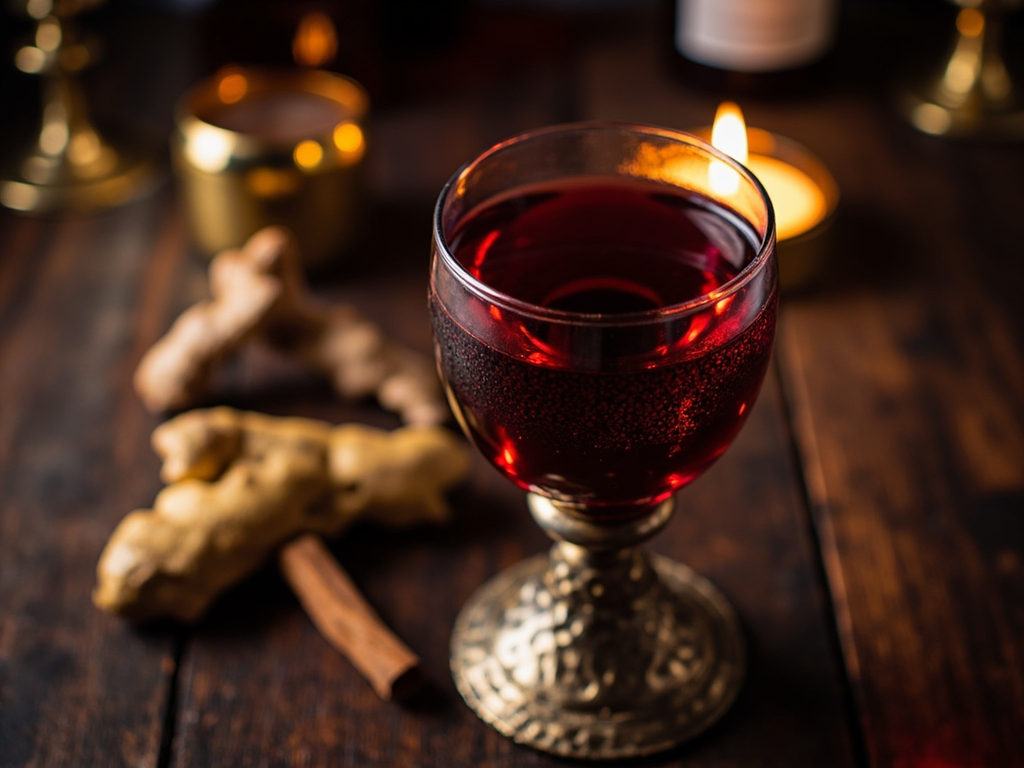
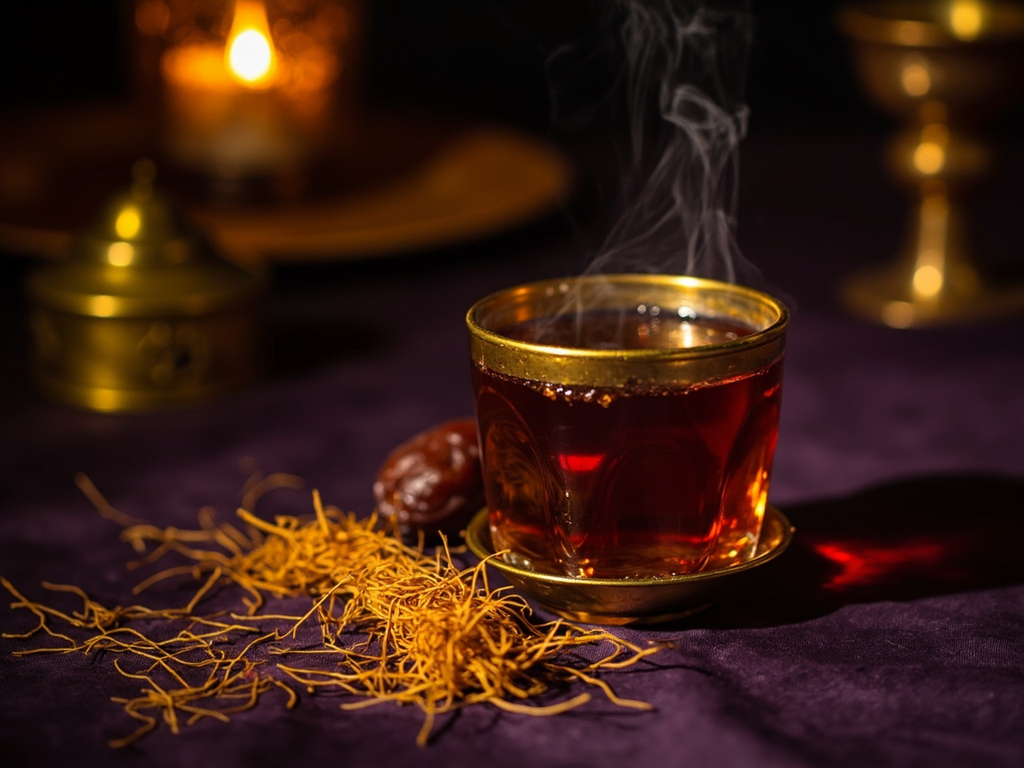
A warm (or chilled) wine infused with honey, pepper, saffron, and dates: sweet, fragrant, heady. The opening beverage of grand meals.
Raise your cup with me. This wine is not drunk pure like barbarians do: it is married to honey, pepper, saffron worth its weight in gold, and a few dates from the East brought by our ships. It is strained again and again until it is clear and fragrant. At my table, it opened the feasts — and believe me, under the Purple, one quickly learns that sweetness often hides strength.
- •Wine — a pitcher (base)
- •Honey — a good portion (sweetness)
- •Pepper — a few grains (warm spice)
- •Saffron — a few filaments (fragrance and color)
- •Dates — a handful (sweet roundness)
- •Bay leaves, mastic — a little (aromatics)
Conditum, spiced honeyed wine
A warm (or chilled) wine infused with honey, pepper, saffron, and dates: sweet, fragrant, heady. The opening beverage of grand meals.
Why this dish? At imperial banquets where Theodora sat as equal to Justinian, precious imported wines mixed with aromatics were served. This honeyed, spiced wine, opening the feasts, is the drink of the powerful — worthy of an empress who loved the splendor of the court.
Raise your cup with me. This wine is not drunk pure like barbarians do: it is married to honey, pepper, saffron worth its weight in gold, and a few dates from the East brought by our ships. It is strained again and again until it is clear and fragrant. At my table, it opened the feasts — and believe me, under the Purple, one quickly learns that sweetness often hides strength.
Ingredients (period version)
- Wine — a pitcher (base)
- Honey — a good portion (sweetness)
- Pepper — a few grains (warm spice)
- Saffron — a few filaments (fragrance and color)
- Dates — a handful (sweet roundness)
- Bay leaves, mastic — a little (aromatics)
Ingredients
- Medium-bodied red or white wine — 75 cl (base)
- Honey — 4 to 6 tbsp (sweetness)
- Peppercorns — 6 (warm spice)
- Saffron — 1 pinch (fragrance and color)
- Pitted dates — 4 (sweet roundness)
- 1 bay leaf — 1 (aromatic)
Method
- Gently heat part of the wine with the honey until dissolved, without boiling.
- Add crushed pepper, bay leaf, crushed dates, and saffron; infuse over very low heat for 10 min.
- Pour in the remaining wine, stir, and let rest.
- Strain carefully through a fine cloth to obtain a clear liquid.
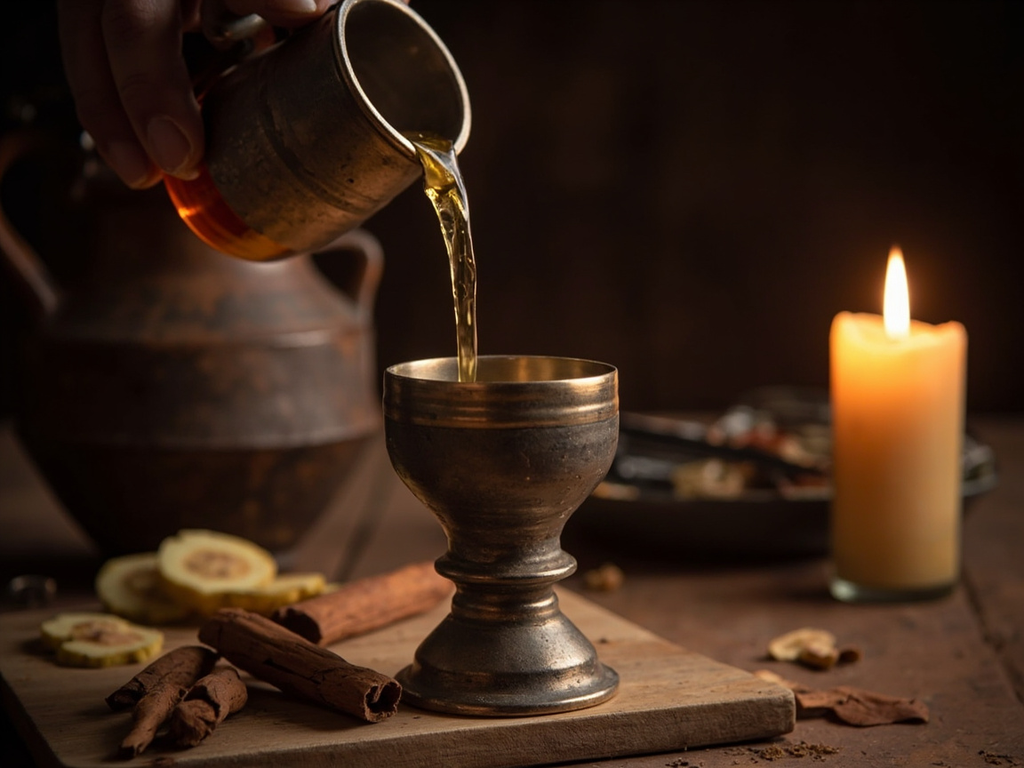
- Serve warm in winter or chilled in summer, in small cups.
How it was made : The recipe for conditum paradoxum appears in Apicius: wine, honey, pepper, mastic, nard, saffron, dates, and bay leaves, long infused then strained. The Byzantines preserved these flavored wines, a sign of refinement, sometimes prescribed as fortifiers.
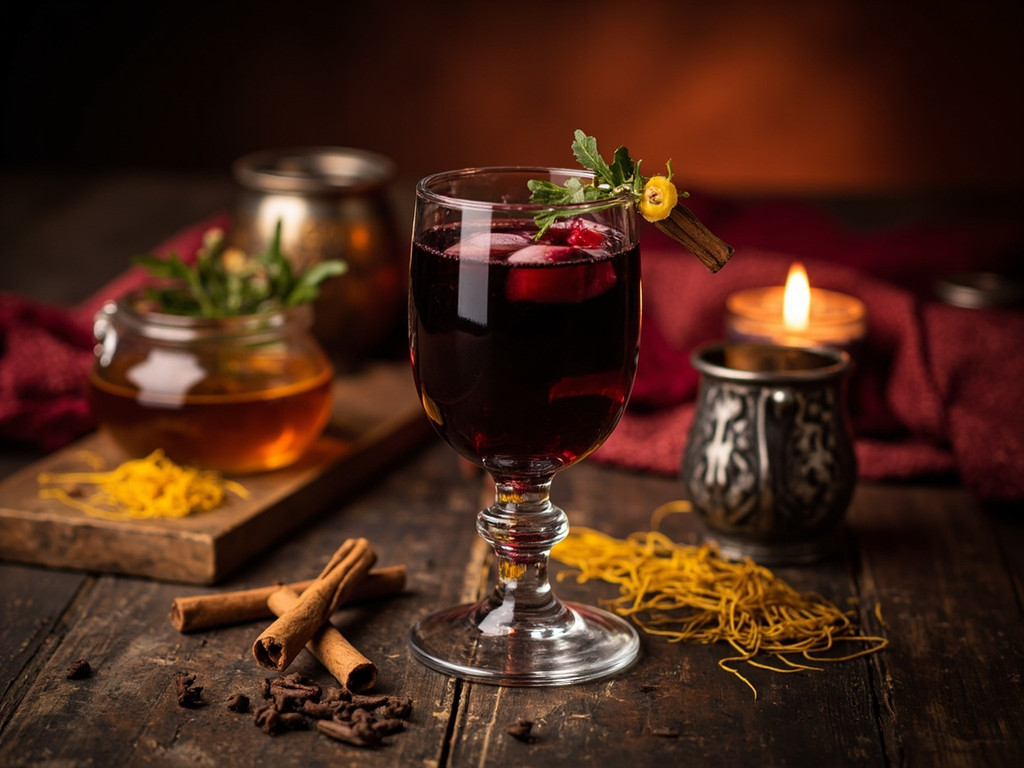
The contemporary twist : Served warm in small golden cups, it is an imperial 'mulled wine' that eclipses those of Christmas markets.
Sources : Apicius, De re coquinaria (Conditum paradoxum)
Theodora · Charactorium