 flip
flipTonjiki — salted warrior rice balls
Tonjiki — salted warrior rice balls
Why this dish? Tonjiki, the ancestor of onigiri, was the ration of samurai on the march. For Tomoe, riding toward the Battle of Uji River, these compact rice balls slipped into a satchel were the fuel of the battlefield.
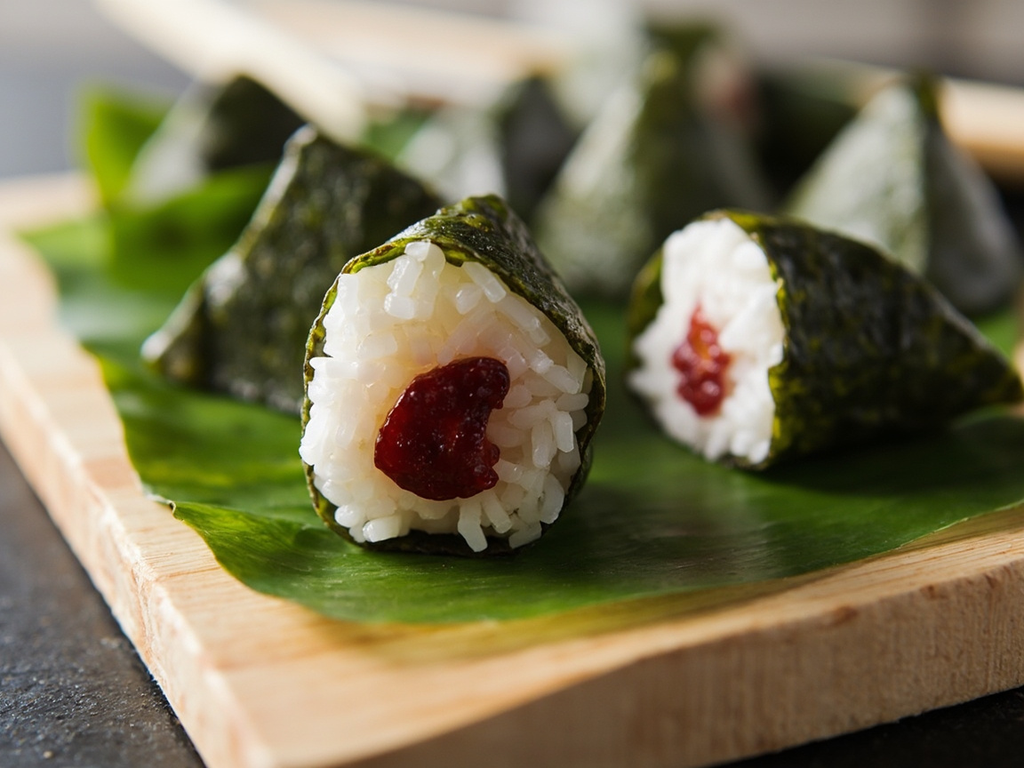
Firmly pressed rice balls, salted, sometimes wrapped in a leaf for the road. Easy to carry, they are eaten with one hand, in the saddle or between assaults.
This, I would grip in my hand before mounting my horse. See how the rice holds firm: press it hard, salt it well, for salt keeps the rice good longer and restores strength to the body sweating under armor. When we sped toward Uji, I had no leisure to sit at a table — a ball in the palm, and you ride on. A warrior who knows how to feed his mount and his belly outlives the one who thinks only of his sword.
- •Cooked rice, still warm — one generous handful per ball (body of the ration)
- •Sea salt — a pinch per ball (seasoning and preservation)
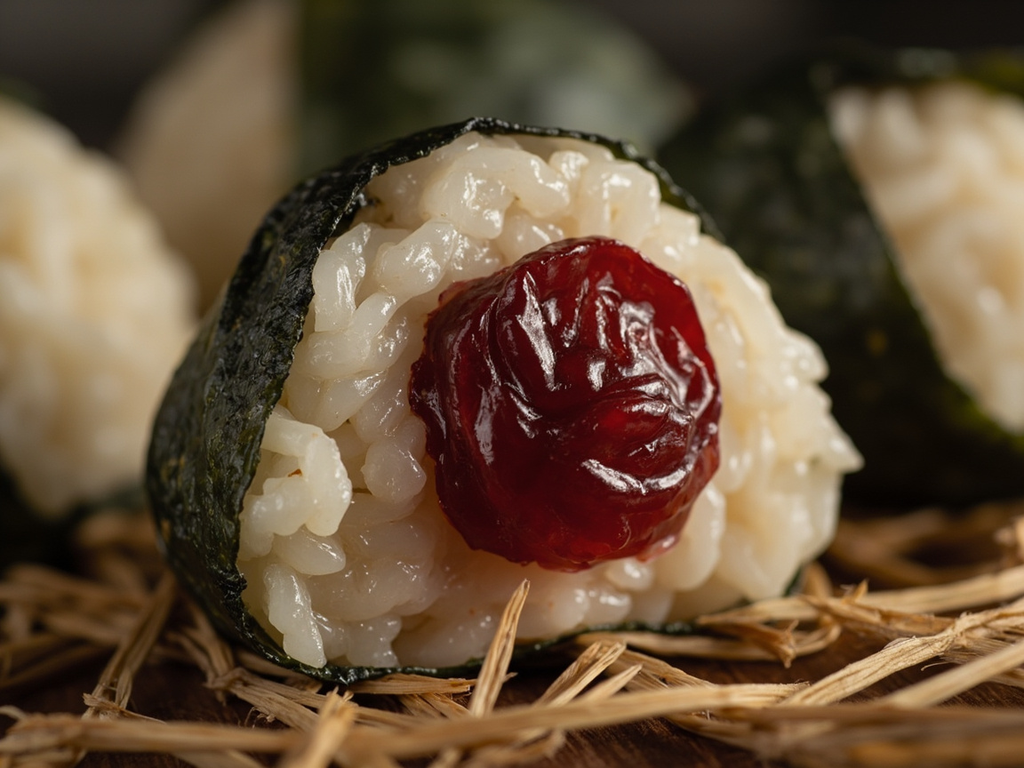
- •Umeboshi (salted plum), optional — one in the center (tangy core, preservation)
- •Bamboo leaf — one per ball (transport wrapping)
Tonjiki — salted warrior rice balls
Firmly pressed rice balls, salted, sometimes wrapped in a leaf for the road. Easy to carry, they are eaten with one hand, in the saddle or between assaults.
Why this dish? Tonjiki, the ancestor of onigiri, was the ration of samurai on the march. For Tomoe, riding toward the Battle of Uji River, these compact rice balls slipped into a satchel were the fuel of the battlefield.
This, I would grip in my hand before mounting my horse. See how the rice holds firm: press it hard, salt it well, for salt keeps the rice good longer and restores strength to the body sweating under armor. When we sped toward Uji, I had no leisure to sit at a table — a ball in the palm, and you ride on. A warrior who knows how to feed his mount and his belly outlives the one who thinks only of his sword.
Ingredients (period version)
- Cooked rice, still warm — one generous handful per ball (body of the ration)
- Sea salt — a pinch per ball (seasoning and preservation)
- Umeboshi (salted plum), optional — one in the center (tangy core, preservation)
- Bamboo leaf — one per ball (transport wrapping)
Ingredients
- Japanese short-grain rice — 300 g (uncooked) (body of the ration)
- Fine sea salt — 1 tsp (seasoning)
- Umeboshi — 4 plums (tangy interior garnish)
- Nori seaweed (optional) — 2 sheets (wrapping)
Method
- Cook the short-grain rice and let it cool for a few minutes (it should be sticky but manageable).
- Wet your hands and sprinkle them with a little salt.
- Take a handful of rice, place an umeboshi in the center, close the rice over it.
- Press firmly into a ball or triangle shape, turning between your palms.
- Wrap with a strip of nori (or a bamboo leaf for authenticity) just before leaving.
How it was made : Tonjiki is attested from the Heian period as portable food offered to servants and carried by warriors. The salted rice was pressed to compact and preserve it; the umeboshi, very acidic and salty, prevented spoilage and quenched thirst. It is the direct ancestor of onigiri.
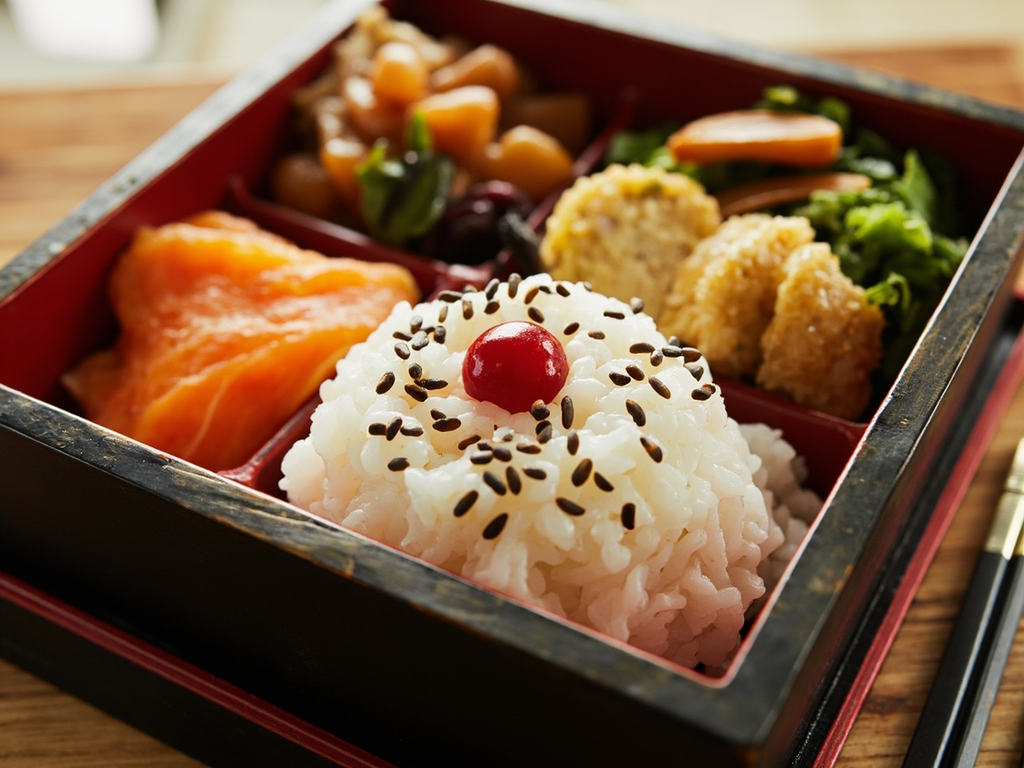
The contemporary twist : Mold into a neat triangle, attach the nori strip straight: today's hiking and bento format, identical to that of the samurai.
Tomoe Gozen · Charactorium