 flip
flipThe Exile's Orange Marmalade
The Exile's Orange Marmalade
Why this dish? In exile on the Channel Islands (Jersey then Guernsey), Hugo lived closely with British culture, where bitter orange marmalade reigns supreme. The orange — a fruit he reportedly loved so much he sometimes bit into the peel — becomes here a preserved sweet born of his island years.
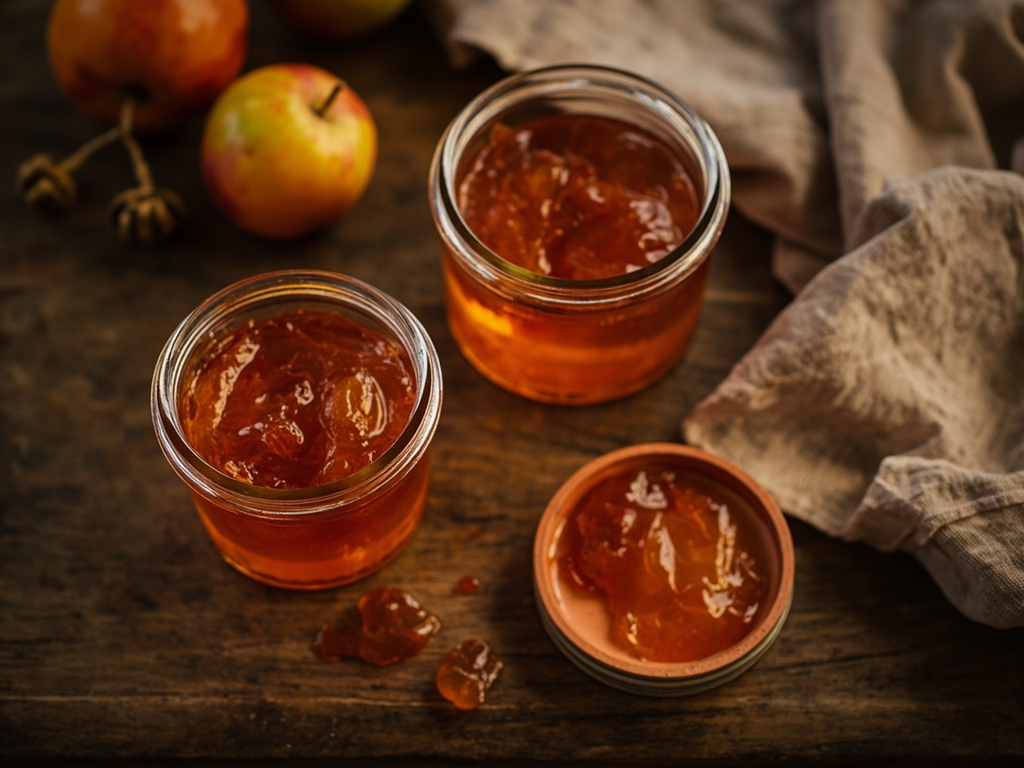
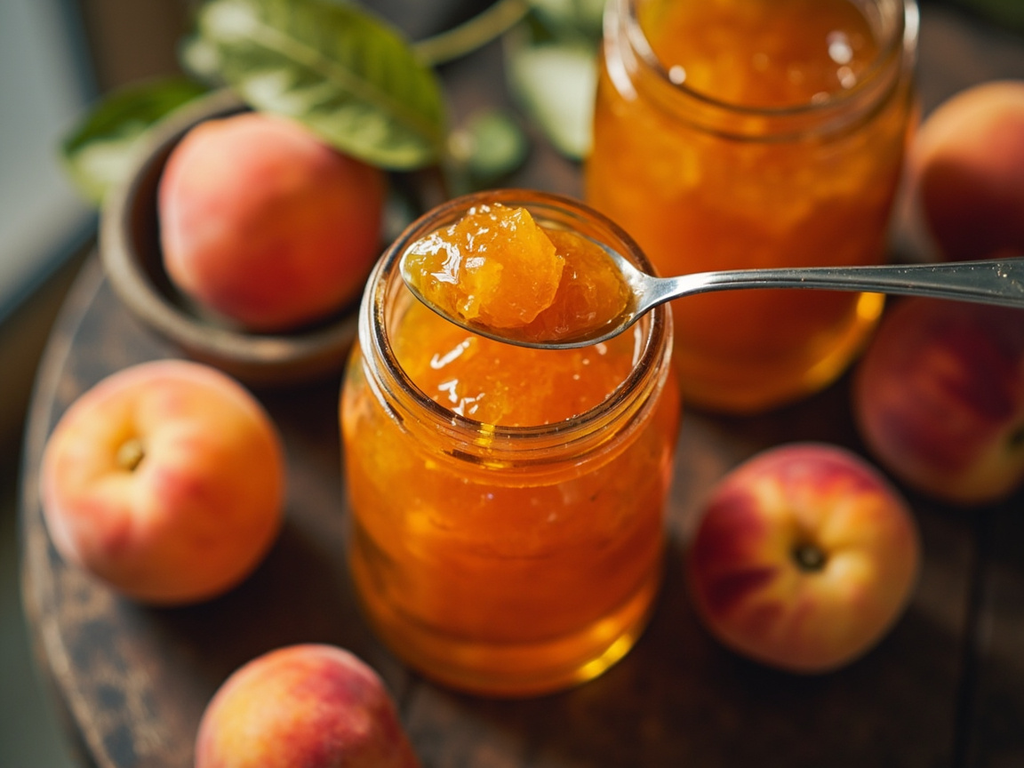
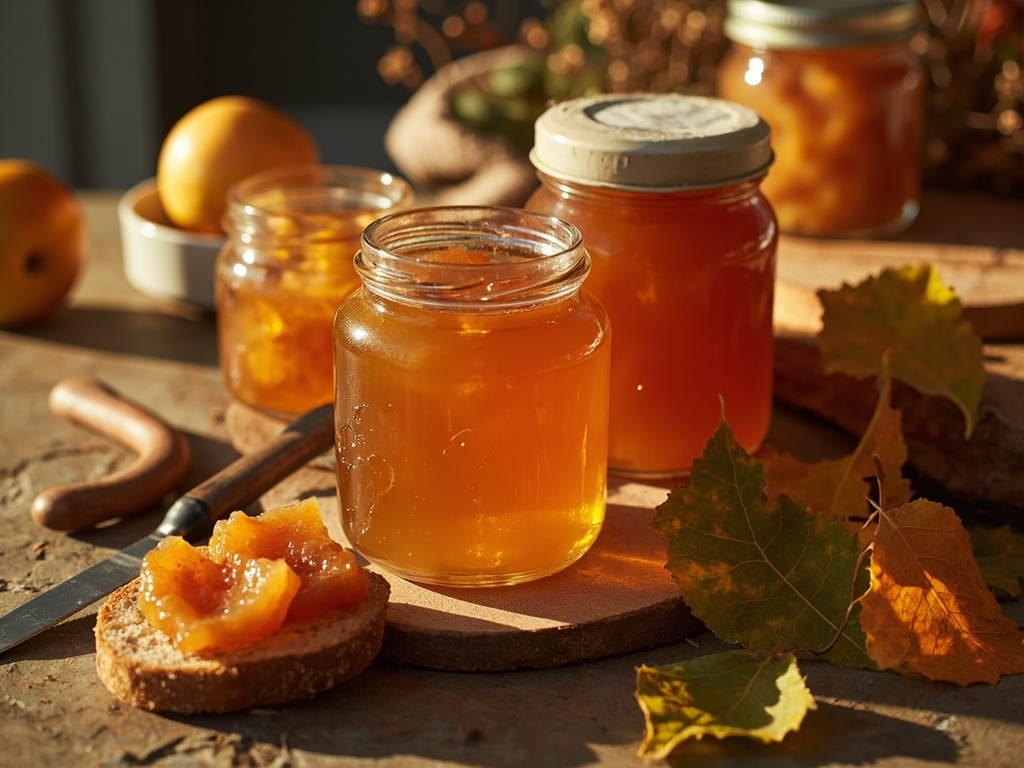
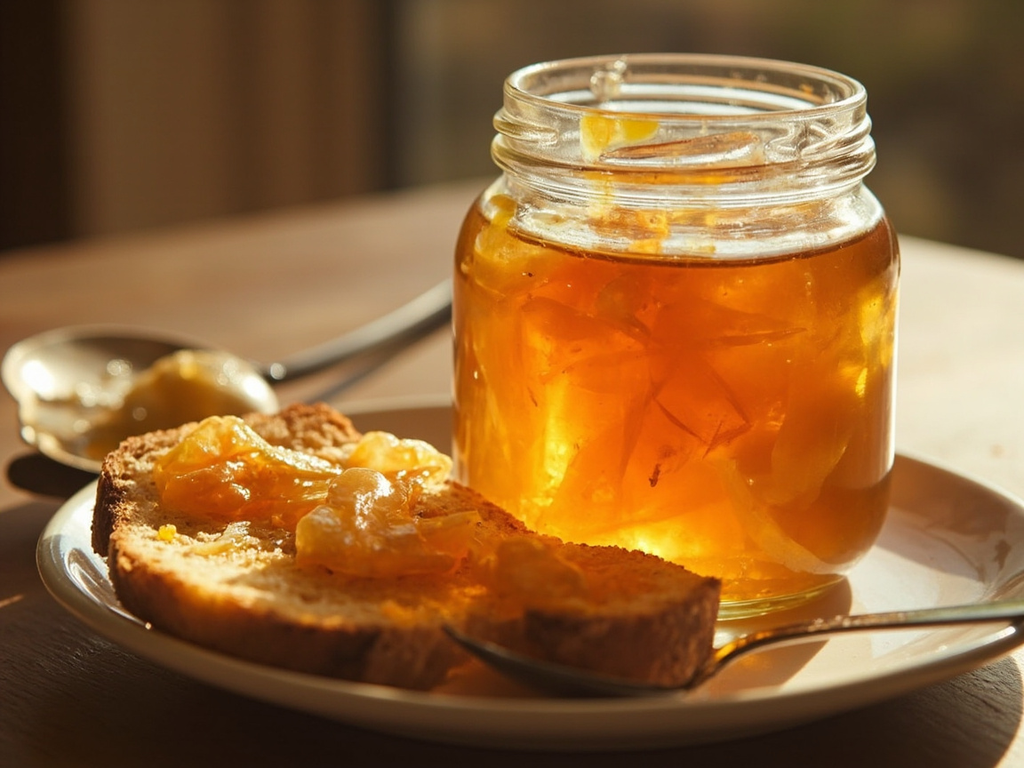
An orange jam where the candied peel brings a delicate bitterness that balances the sugar and acidity of the fruit. Kept in jars all winter, to spread on morning bread.
Exile has this bitterness that it resembles the peel of this fruit: one must candy it long before it becomes sweet. On my rock in the Channel, I learned from the English to turn the orange into trembling gold in glass jars. One boils the pulp and peel with sugar until the spoon traces its furrow, and one locks summer in the jar for winter mornings. Thus with the homeland: one keeps it within, and it preserves.
- •Oranges (including some bitter ones) — a dozen (fruit)
- •Lemons — two (acidity and setting)
- •Sugar — equal weight of prepared fruit (preservation and sweetness)
- •Water — as needed (cooking the peels)
The Exile's Orange Marmalade
An orange jam where the candied peel brings a delicate bitterness that balances the sugar and acidity of the fruit. Kept in jars all winter, to spread on morning bread.
Why this dish? In exile on the Channel Islands (Jersey then Guernsey), Hugo lived closely with British culture, where bitter orange marmalade reigns supreme. The orange — a fruit he reportedly loved so much he sometimes bit into the peel — becomes here a preserved sweet born of his island years.
Exile has this bitterness that it resembles the peel of this fruit: one must candy it long before it becomes sweet. On my rock in the Channel, I learned from the English to turn the orange into trembling gold in glass jars. One boils the pulp and peel with sugar until the spoon traces its furrow, and one locks summer in the jar for winter mornings. Thus with the homeland: one keeps it within, and it preserves.
Ingredients (period version)
- Oranges (including some bitter ones) — a dozen (fruit)
- Lemons — two (acidity and setting)
- Sugar — equal weight of prepared fruit (preservation and sweetness)
- Water — as needed (cooking the peels)
Ingredients
- Unwaxed oranges (ideally Seville bitter oranges) — 1 kg (fruit)
- Lemons — 2 (acidity and setting (pectin))
- Granulated sugar — 1 kg (preservation and sweetness)
- Water — 1 litre (cooking the peels)
Method
- Wash the fruit. Remove the zest/peel and cut into thin strips; squeeze the juice, reserve the seeds (rich in pectin).
- Soak the peels and seeds (tied in cheesecloth) in the water and juice overnight.
- The next day, cook everything at a simmer for 1 hour until the peels are very tender; remove the cheesecloth of seeds, pressing it well.
- Add the sugar, stir until dissolved, then bring to a rolling boil.
- Cook until set (105 °C, or a drop that gels on a cold plate), about 15 to 25 minutes.
- Immediately pour into sterilized jars, seal, and turn upside down until cooled.
How it was made : Bitter orange marmalade is a British specialty of the 18th-19th centuries, popularized notably in Dundee, and ubiquitous on the tables of the Channel Islands where Hugo spent nearly twenty years of exile. Preserving fruit in sugar was then the great method of domestic conservation, allowing the flavor of winter citrus to be kept well beyond its season.
The contemporary twist : A touch of finely grated zest added off the heat revives the fragrance; serve on warm brioche bread, Hauteville House breakfast style.
Victor Hugo · Charactorium