 flip
flipNewfoundland-style salt cod, preserved in salt
Newfoundland-style salt cod, preserved in salt
Why this dish? Salt cod is the thread linking Schœlcher's two worlds: caught off Newfoundland, salted to cross the seas, it fed sailors, the poor of Paris, and, by the barrel, the slaves of the plantations. Preserving and preparing this cod is to touch the very economy he denounced — one that reduced men to the cheapest ration.
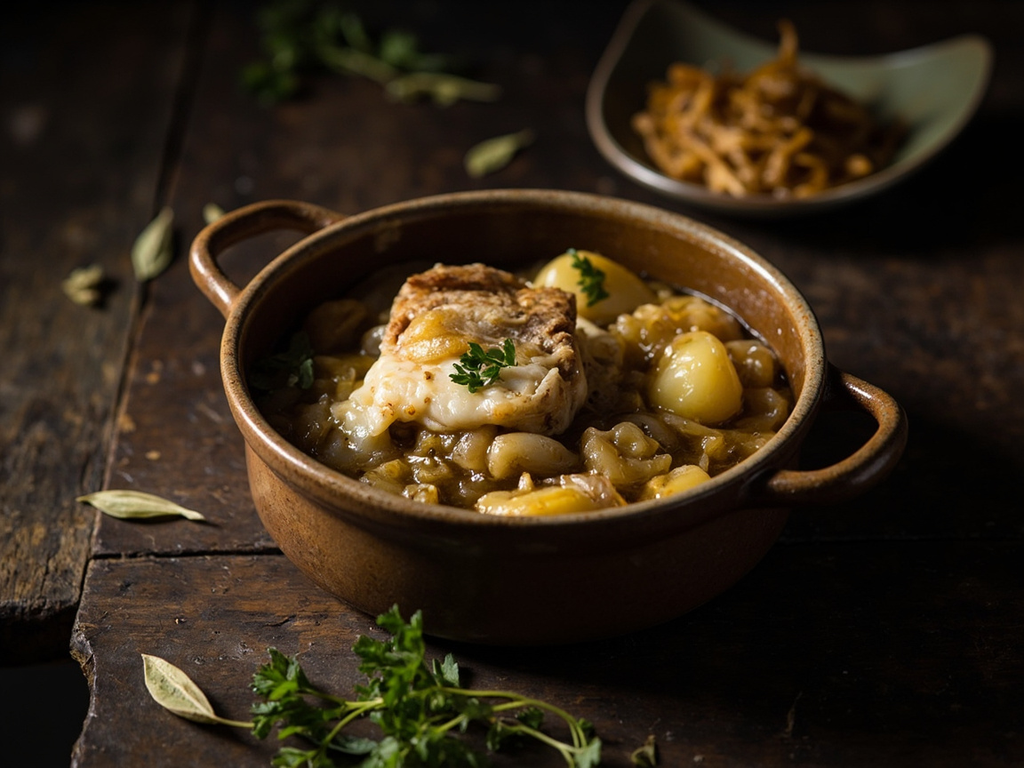
Fish preserved for months with salt, then desalted and gently cooked with onions, garlic, and oil. A pantry staple that crossed oceans and winters.
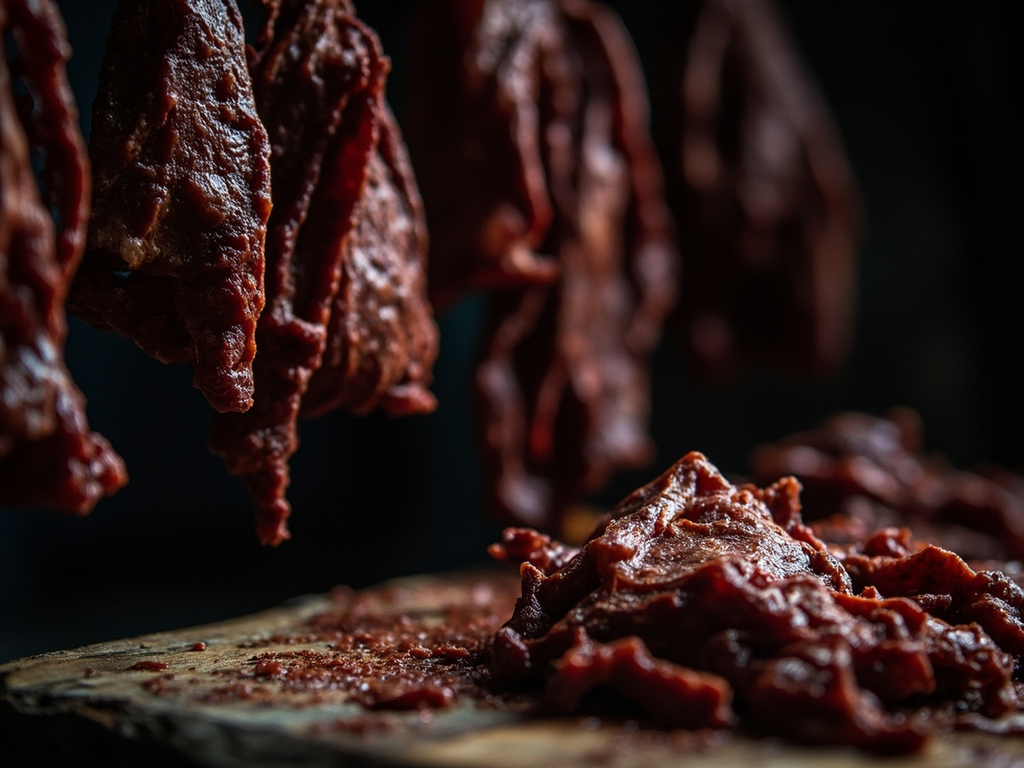
See this fish stiff with salt: it spent months in a barrel, crossed the Ocean without spoiling — that is the science of the ancients, preserving with salt what cold cannot hold. It filled the poor man's pantry as well as the slave's ration. Soak it long, change the water, then cook it very slowly in oil with onion: what was food of misery, you will make worthy of a free man's table.
- •Fresh cod (or firm fillets) — according to catch (to be salted)
- •Coarse sea salt — in abundance (preservation)
- •Onions — several (cooking)
- •Garlic — a few cloves (flavor)
- •Olive oil — generously (cooking)
- •Bay leaf, pepper — to taste (flavor)
Newfoundland-style salt cod, preserved in salt
Fish preserved for months with salt, then desalted and gently cooked with onions, garlic, and oil. A pantry staple that crossed oceans and winters.
Why this dish? Salt cod is the thread linking Schœlcher's two worlds: caught off Newfoundland, salted to cross the seas, it fed sailors, the poor of Paris, and, by the barrel, the slaves of the plantations. Preserving and preparing this cod is to touch the very economy he denounced — one that reduced men to the cheapest ration.
See this fish stiff with salt: it spent months in a barrel, crossed the Ocean without spoiling — that is the science of the ancients, preserving with salt what cold cannot hold. It filled the poor man's pantry as well as the slave's ration. Soak it long, change the water, then cook it very slowly in oil with onion: what was food of misery, you will make worthy of a free man's table.
Ingredients (period version)
- Fresh cod (or firm fillets) — according to catch (to be salted)
- Coarse sea salt — in abundance (preservation)
- Onions — several (cooking)
- Garlic — a few cloves (flavor)
- Olive oil — generously (cooking)
- Bay leaf, pepper — to taste (flavor)
Ingredients
- Salt cod (already prepared) — 500 g (desalted base)
- Onions — 3 (melted)
- Garlic — 3 cloves (flavor)
- Olive oil — 8 cl (cooking)
- Potatoes — 600 g (accompaniment)
- Bay leaves — 2 (flavor)
- Parsley, pepper — to taste (finish)
Method
- Desalt the cod for 24 h in cold water in the refrigerator, changing the water 4-5 times.
- Poach for 8-10 min in simmering water, drain, remove skin and bones, cut into large pieces.
- Gently melt sliced onions and garlic in olive oil with bay leaf, without browning.
- Boil potatoes, slice into thick rounds.
- Combine cod, confit onions, and potatoes; season with pepper; warm together for 10 min; sprinkle with parsley and serve.
How it was made : To preserve cod, Newfoundland fishermen gutted it, split it open, and layered it with coarse salt for weeks until it was hard as wood. Thus salted, it kept for months without ice or refrigeration — hence its role as food currency in Atlantic trade, including the colonial slave trade.
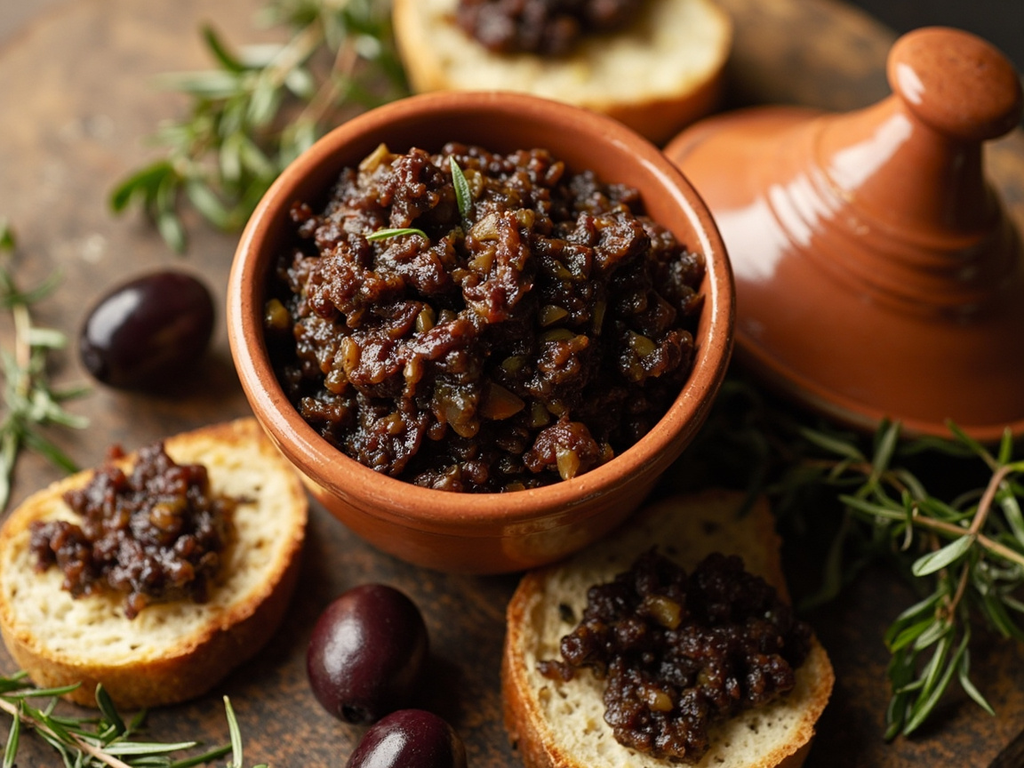
The contemporary twist : Turn it into warm brandade on grilled toast, under the name “Newfoundland – West Indies,” to tell the fish's journey across the Atlantic.
Sources : Jean-François Brière, La Pêche française en Amérique du Nord au XVIIIe siècle, 1990 · Urbain Dubois & Émile Bernard, La Cuisine classique, 1856
Victor Schoelcher · Charactorium