 flip
flipKuli-Kuli — Roasted Peanut Cakes for the Road
Kuli-Kuli — Roasted Peanut Cakes for the Road
Why this dish? Yaa Asantewaa experienced a war march and then a long exile to the Seychelles. Roasted peanut cakes, dry and nourishing, are the very type of provision that keeps and travels—the "food that lasts" of Ashanti and Sahelian roads.
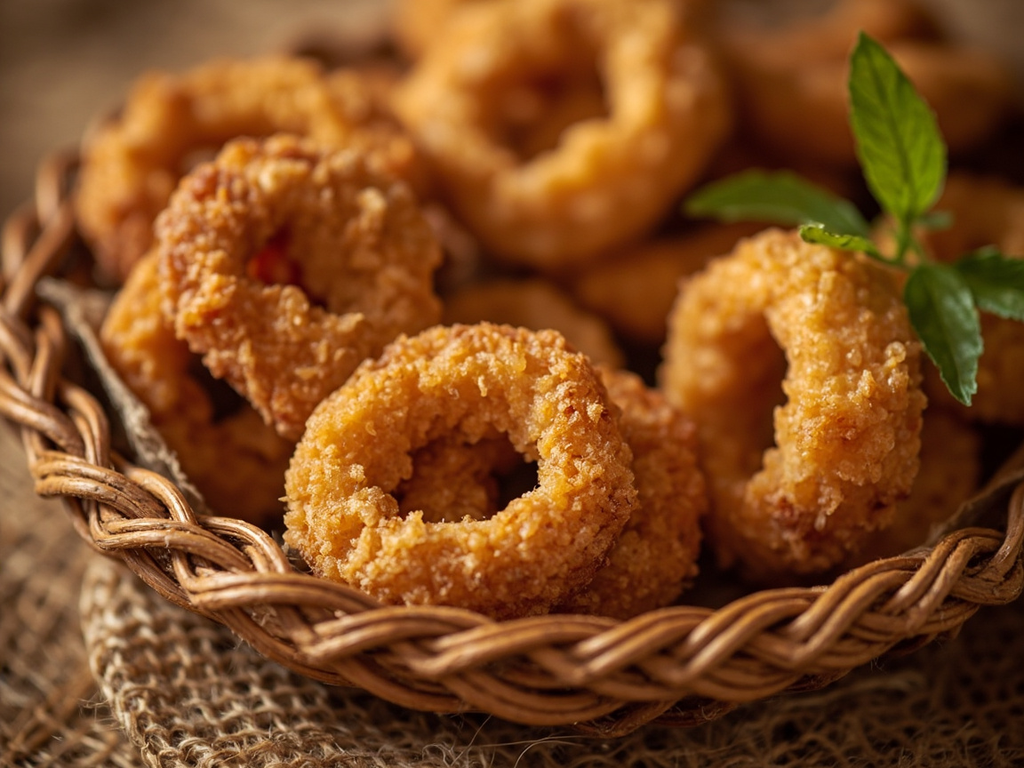
Small crispy cakes made from defatted peanut paste, salted and spiced, fried then dried. Without water or delicate cooking, they keep for days and curb a walker's hunger with little.
On the road, one does not carry the pot: one carries what does not spoil. My people roasted the peanut, pressed out its oil, and from the dry paste they shaped these hard cakes that fit in a fold of cloth. A bite, a sip of water, and we set off again. When the road was long and bitter to the distant sea, it is this kind of frugal food that reminds one where one comes from—the earth, the peanut, the strength kept within.
- •Roasted peanuts — a good measure (base)
- •Dried chili and ginger — to taste (fragrance and preservation)
- •Salt — as needed (flavor and preservation)
- •Peanut oil (pressed from the paste) — that which comes out (frying)
Kuli-Kuli — Roasted Peanut Cakes for the Road
Small crispy cakes made from defatted peanut paste, salted and spiced, fried then dried. Without water or delicate cooking, they keep for days and curb a walker's hunger with little.
Why this dish? Yaa Asantewaa experienced a war march and then a long exile to the Seychelles. Roasted peanut cakes, dry and nourishing, are the very type of provision that keeps and travels—the "food that lasts" of Ashanti and Sahelian roads.
On the road, one does not carry the pot: one carries what does not spoil. My people roasted the peanut, pressed out its oil, and from the dry paste they shaped these hard cakes that fit in a fold of cloth. A bite, a sip of water, and we set off again. When the road was long and bitter to the distant sea, it is this kind of frugal food that reminds one where one comes from—the earth, the peanut, the strength kept within.
Ingredients (period version)
- Roasted peanuts — a good measure (base)
- Dried chili and ginger — to taste (fragrance and preservation)
- Salt — as needed (flavor and preservation)
- Peanut oil (pressed from the paste) — that which comes out (frying)
Ingredients
- Unsalted peanuts — 300 g (base)
- Chili powder — ½ tsp (fragrance)
- Ground ginger — ½ tsp (fragrance)
- Salt — 1 tsp (flavor and preservation)
- Oil for frying — to a depth of 1 cm (cooking)
Method
- Dry-roast the peanuts, then grind into a thick paste.
- Press/drain some oil from the paste (reserve it for frying).
- Mix the defatted paste with salt, chili, and ginger until a moldable mass forms.
- Shape into small cakes or rings, fry in peanut oil until dark golden.
- Drain thoroughly and let dry: once cooled, they become hard and keep in an airtight container for several days.
How it was made : Kuli-kuli is especially attested among the Hausa and in northern West Africa, but trade routes linked Ashanti country to the Sahel: hence it is classified here as an "evocation" of travel provisions rather than a documented court dish. The technique—roast, defat, fry, dry—aims for long preservation without refrigeration.
The contemporary twist : Crush the cakes into a savory "crumble" to sprinkle over the peanut soup—a crunchy echo of the same seed.
Sources : Fran Osseo-Asare, Food Culture in Sub-Saharan Africa, Greenwood Press, 2005
Yaa Asantewaa · Charactorium