Imaginary dialogue between Bernard Le Bovier de Fontenelle and Anne Thérèse de Marguenat de Courcelles, marquise de Lambert
by Charactorium · Anne Thérèse de Marguenat de Courcelles, marquise de Lambert · Literature · Sciences · Philosophy · Politics · 5 min read
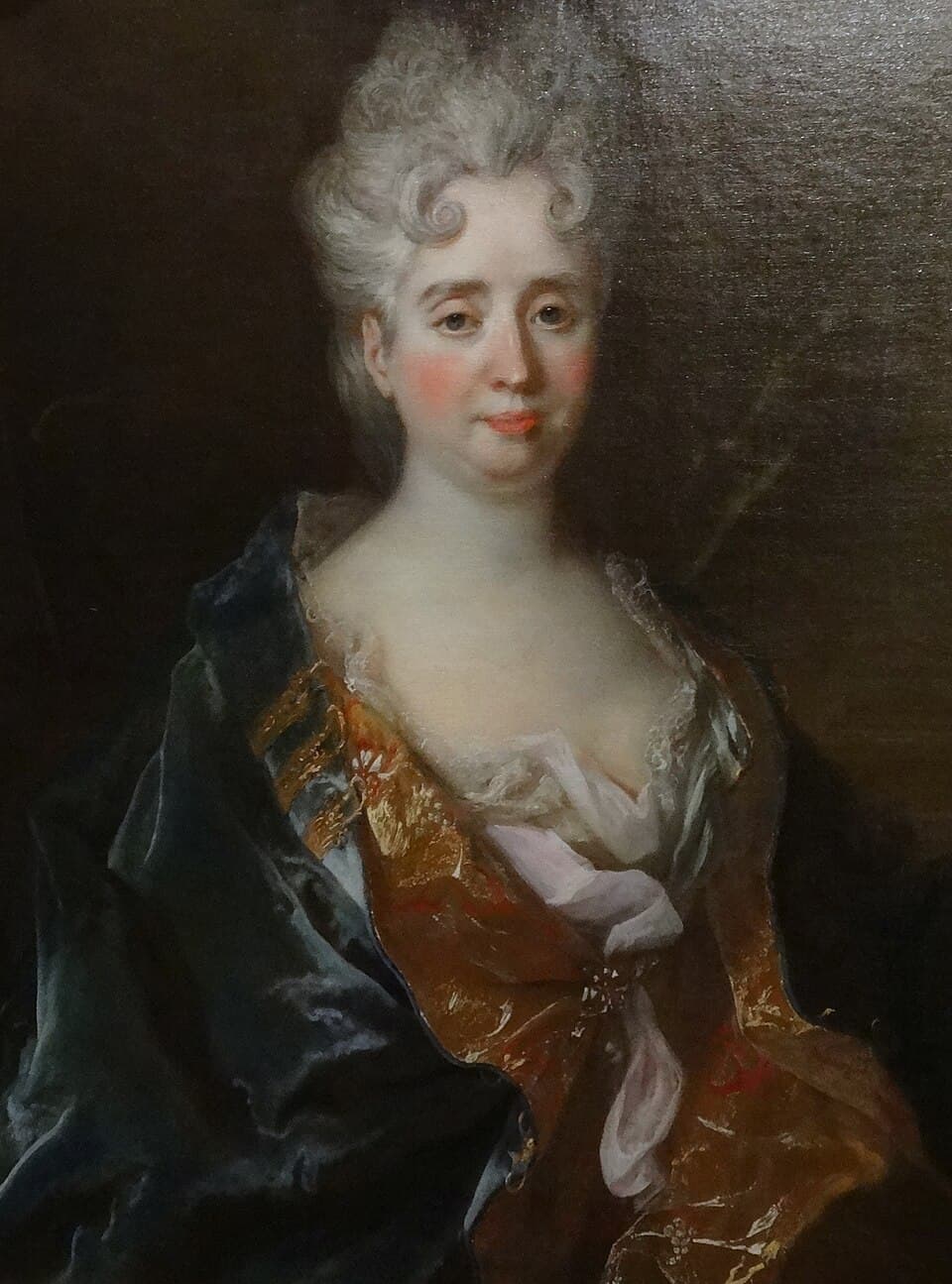
It is a Tuesday evening in autumn 1730, at the Hôtel de Nevers, rue de Richelieu. The wax candles are nearly spent; the last regulars have left, and only the rustle of silks and the warm scent of wax remain. Bernard Le Bovier de Fontenelle, a regular on Tuesdays for more than twenty years, lingers near his friend the Marquise, a notebook in hand. Tonight, he has not come to debate Newton or vortices: he wants to question the woman behind the hostess.
—My dear Marquise, it is whispered in Paris that this salon is the antechamber of the Academy. You, who have recommended me so often, tell me: does this power weigh on you?
You, who are well placed to know, my dear Fontenelle, know that I have never held an academician's pen or seal. I have only opened my door on Tuesdays and let minds clash against one another. That La Motte or you came here before the illustrious company welcomed you gives me no power: it gives me friends. They say I prepare candidates; I say I listen to them. A woman excluded from those benches has no magistracy other than that of conversation, and that, no one can take from me.
A woman excluded from those benches has no magistracy other than that of conversation.
—I remember the evening when the young president of Bordeaux read us his Persian Letters. What do you keep of that man and of what he became here?
Ah, Montesquieu! I see him again, grave and lively at once, testing his Persians on us as one tries a fabric against the light. What I love about my salon is precisely that: a book is not born alone there; it is shaped by the clash of objections. I believe our Tuesday disputes worked on his political thought as much as his solitary readings. That is what a salon can do, my friend: not to teach, but to provide the crucible where ideas are decanted. You yourself, how many of your reflections did you try out here before delivering them to the public?
A book is not born alone there; it is shaped by the clash of objections.
—Your Advice of a Mother to Her Son has traveled all over Europe. When you wrote it, did you imagine any reader other than your own child?
Never, I swear it. Those pages I traced for my son, as a mother speaks to her child in the evening: without witness, without thought of glory. I wanted to engrave on his soul that virtue alone gives true nobility, and that titles lend only a false luster to those who lack it. That they were printed, reprinted, translated into languages I do not read — that still confounds me. A family confidence turned public lesson: I have no merit in it, only surprise. Chance sometimes gives women the reputation they dared not claim.
Virtue alone gives true nobility; titles lend only a false luster.
—You publicly disavowed that Hague edition of your Reflections. Yet you never disavowed the substance. How do you hold the two together?
You touch there, my friend, on what makes the difficulty of my condition. That text circulated in manuscript; it was seized, printed without my consent, thrown to the public as one delivers a woman to gossip. Propriety obliged me to complain of the audacity — and I did complain. But take back my ideas? Never. Women are deprived of education, then reproached for having neither knowledge nor virtue: that injustice I maintain as glaring. I disavowed the manner, not the thought. A salonnière must protect her reputation; a woman who thinks need not protect the truth.
I disavowed the manner, not the thought.
—We have known each other for a long time, but you have told me little about the years after the marquis. That trial for your dowry, what did it teach you?
It taught me, my dear Fontenelle, what no book had ever taught me: the fragility of a woman before the law. At my husband's death in 1686, I saw my dowry swallowed by his debts, and I had to plead for years to recover my own property. Imagine that: a noblewoman reduced to begging before judges for what belonged to her. It was in those palace corridors, humiliated and stubborn, that I understood why girls must be educated. A woman without knowledge is doubly helpless: without rights and without defense. I won my trial; above all, I gained a conviction.
A woman without knowledge is doubly helpless: without rights and without defense.
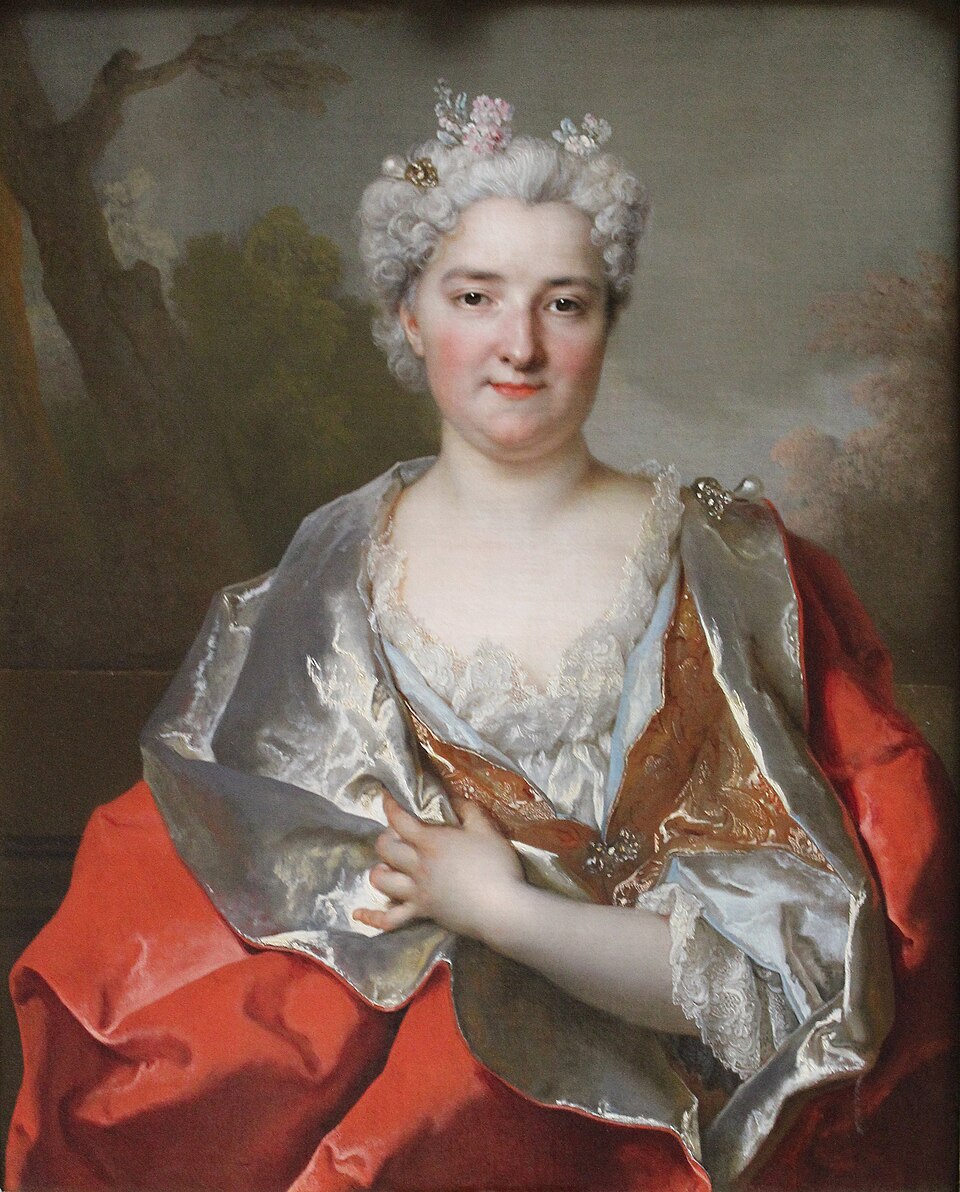
—Those Advice to Your Daughter, rarer than those to your son, say that a woman has only two options. Why such a stark choice, with no middle ground?
Because the world leaves women no rest between the two. I wrote that they have two options: retirement and serious occupations, or the world and coquetry — and that there is no middle ground that does not degrade them. It is harsh, I know. But look around us, my friend: those who float between study and worldliness reap only the contempt of both sides. To my daughter, I wanted to give the courage to choose the serious side, that of the mind. Not that I condemn grace; but I want it to rest on something other than rouge.
There is no middle ground that does not degrade them.
—You who have hosted Tuesdays for over twenty years, admit it: what do you truly seek in bringing together so many rival minds under your roof?
What do I seek? Conversation, quite simply — but understand me well, this art is anything but simple. To bring together under one roof pride, talents, contrary humors, and to ensure nothing breaks: that is my work. I choose my topics in the morning like a general arranges his troops; I place each person where their light will shine best. You have seen me a thousand times extinguish a barb with a word, revive a silence with a question. A well-run salon is a work that leaves no written trace — it dies with the night. That, perhaps, is the only work truly worthy of a woman of my time.
A well-run salon is a work that leaves no written trace.
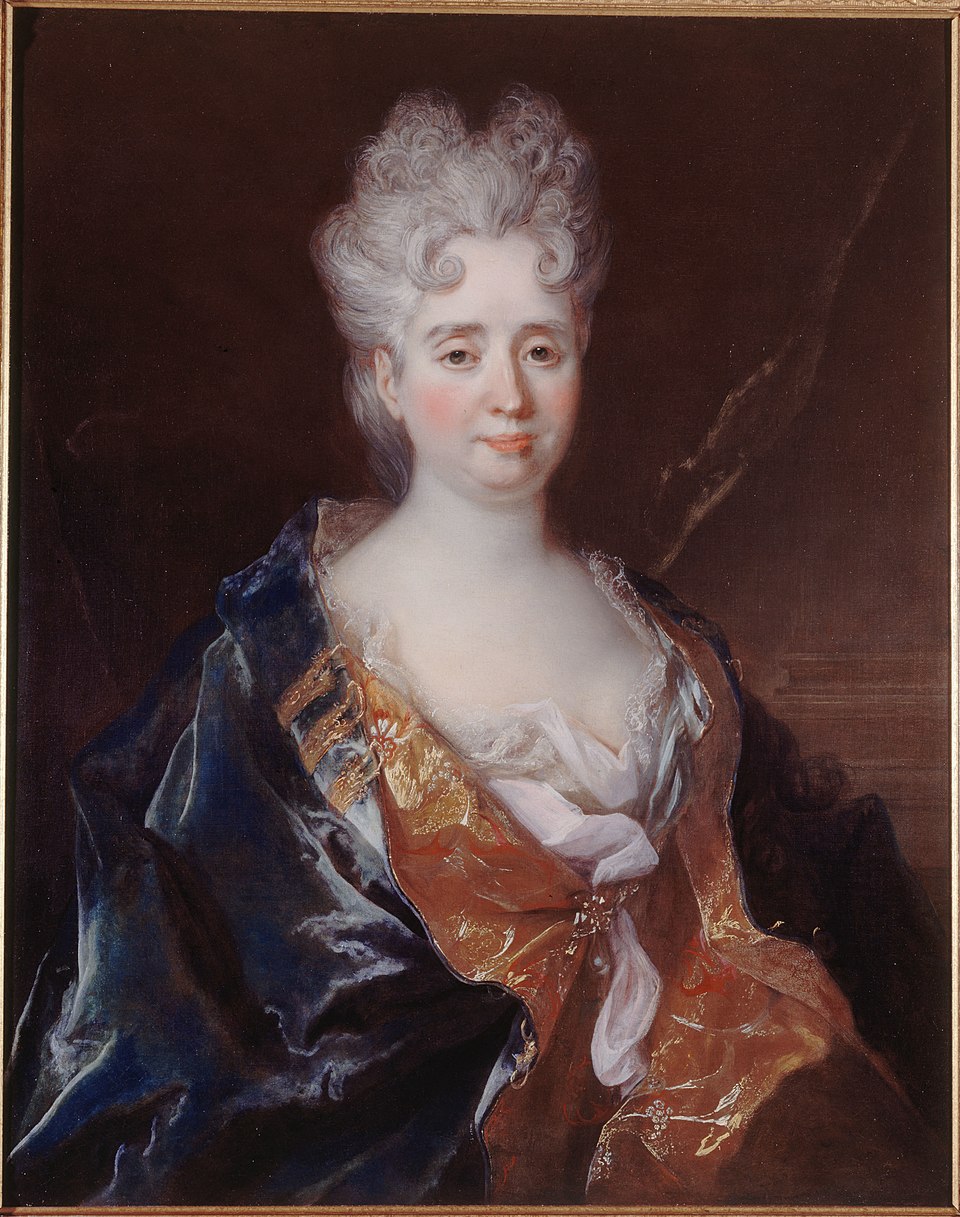
—This spring, Marivaux read us the first scenes of his The Game of Love and Chance. What do you expect from these young pens you welcome?
I expect them to dare. Marivaux has that delicacy in untangling the movements of the heart that so many of our grave authors lack; listening to him, I felt a new language seeking itself before our eyes. My role is not to correct them — I am neither pedant nor schoolmaster — but to offer them an ear that is both demanding and benevolent. A young pen needs a first audience that neither flatters nor crushes. That is why I open my door to beginners as much as to the illustrious: today's salon prepares the minds of tomorrow, and I like to believe I sow more than I reap.
A young pen needs a first audience that neither flatters nor crushes.
—We are both growing old, my friend, and I know you are pondering this subject. How do you come to terms with advancing age?
Decidedly, and without fuss. I often tell myself that old age is a state one must accept: either you resign yourself to it wisely, or you resist it ridiculously. I have seen too many aging coquettes struggle against the mirror to want to resemble them. What age takes from me in brilliance, it gives back in freedom: I no longer have anything to prove or to manage. My Tuesdays, my books, my loyal friends like you — these are goods that years do not tarnish, on the contrary. People think old age is a decline; I find in it a kind of stripping away that closely resembles peace.
What age takes from me in brilliance, it gives back in freedom.
—Since we are speaking of friendship — ours has lasted so long — tell me what you mean by this word you cherish so much.
Nothing less than a commerce of soul to soul, my dear Fontenelle. True friendship can exist only between people who share the same principles and the same feelings about honor and virtue — all the rest is mere acquaintance or disguised interest. Look at what has bound us for so many years: neither you nor I expect anything from each other but frankness. That is why I distinguish it absolutely from flattery, which abounds in salons and which I hate. I am surrounded by sycophants; I count, in truth, only a handful of friends. You are one of them, and this very evening proves it: you question me instead of praising me.
True friendship is a commerce of soul to soul; all the rest is mere acquaintance or disguised interest.

This imaginary interview was generated by artificial intelligence from sources documented in Anne Thérèse de Marguenat de Courcelles, marquise de Lambert's profile. It dramatises what the figure might have said based on what we know about them, but does not constitute attested historical testimony. For primary sources and factual documentation, refer to the full profile.