Kids interview Anne Thérèse de Marguenat de Courcelles, marquise de Lambert
by Charactorium · Anne Thérèse de Marguenat de Courcelles, marquise de Lambert · Literature · Sciences · Philosophy · Politics · 4 min read
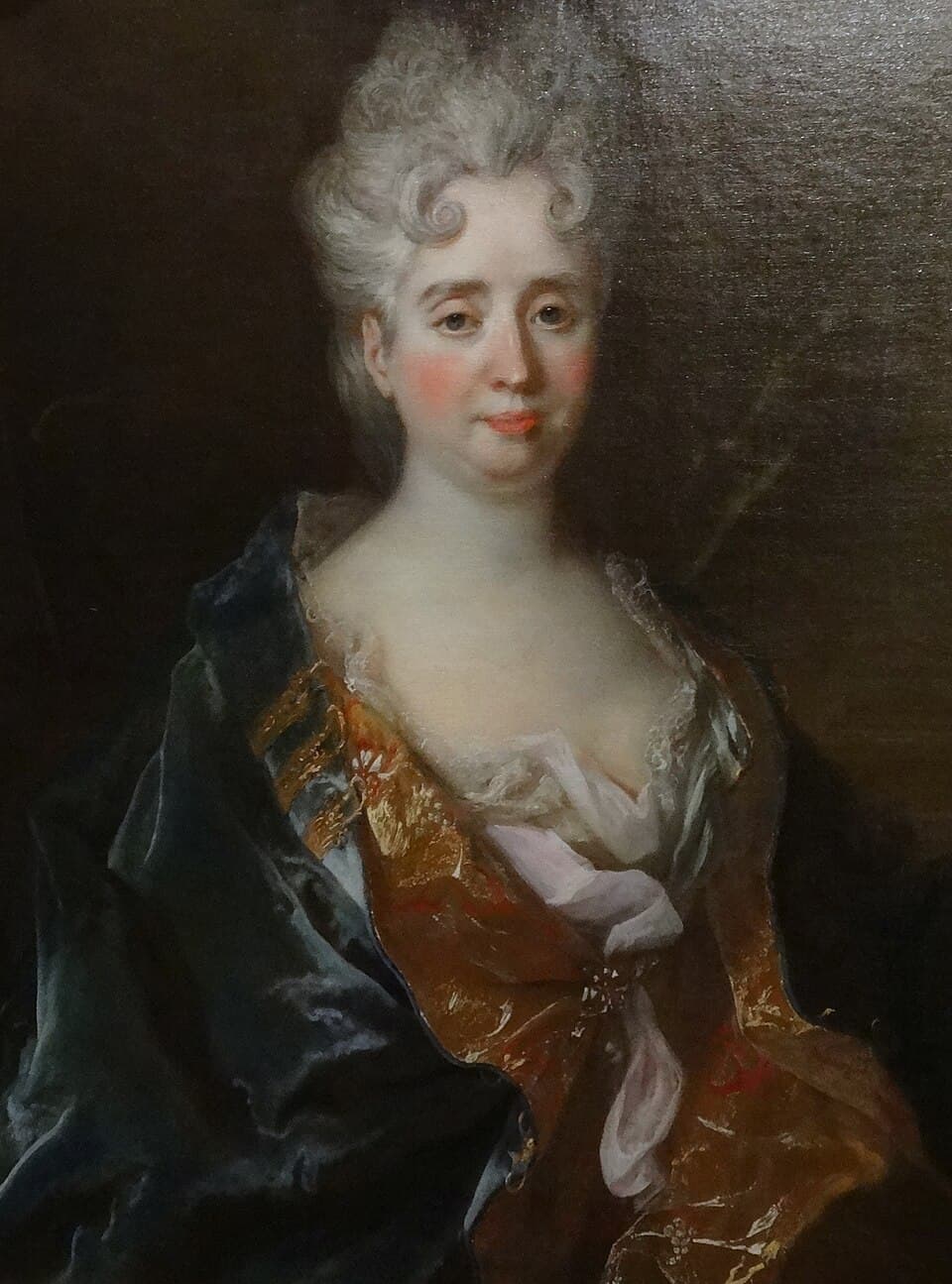
Two young visitors of twelve push open the door of a grand Parisian mansion. An elegant old lady awaits them by the window, a book in hand. She smiles: no one, for a long time, had come to ask her so many questions.
—What was it like, a Tuesday evening at your home, when everyone arrived?
You know, my child, on Tuesday evenings, my house lit up with candles. I lived at the Hôtel de Nevers, rue de Richelieu. Imagine a large room, with no noise outside, just horses in the distance. And there, very learned gentlemen would arrive: Fontenelle, Marivaux, La Motte. We talked about science, morals, and belles-lettres. We also laughed, a lot. Each person sat in a gilded armchair, around me. I chose the evening's topic like one chooses a dish for a meal. And sometimes, the conversation lasted so late that we saw the day break.
I chose the evening's topic like one chooses a dish for a meal.
—They say your salon was “the anteroom of the Academy.” What does that mean?
Ah, that nickname! The Académie française is a great assembly of writers, the most honored in the kingdom. To enter, you must be elected by the others. Now, many of these gentlemen first came to my home. They said no serious candidate succeeded without my support. That was real power, you see. And yet, I myself could not sit there: women were not admitted. So I let others in through the front door, while remaining, myself, on the threshold. That amused me and pained me at the same time.
I let others in through the front door, while remaining on the threshold.
—Were you sad when your husband died? What changed for you?
My husband died in 1686, my child. Grief, yes. But very quickly, another struggle: money. In my time, a woman brought a dowry to marriage, that is, a fortune from her family. Mine had been lost in my husband's debts. I had to wage a long trial to recover it. Imagine fighting for years for what is already yours. I learned a terrible thing there: a woman without knowledge and without property is at everyone's mercy. That trial made me stronger, and more determined to defend other women.
A woman without knowledge and without property is at everyone's mercy.
—Why did you want girls to be educated? Wasn't that normal at the time?
No, my child, it was not the custom. People thought a girl should please, sew, and keep quiet. They denied her books and lessons. Then they mocked her, saying, “See how ignorant she is!” But it was we who had made her so. In my New Reflections on Women, I dared to say it: we deprive women of education, then reproach them for not having any. I called that a crying injustice. For my own daughter, I wrote advice, my A Mother's Advice to Her Daughter. I wanted her to think for herself.
We deprive women of education, then reproach them for not having any.
—And you, as a child, were you allowed to read and learn?
I was lucky, you see. I loved books from childhood, and I was not forbidden. Later, my library was my treasure: Descartes, Malebranche, Fontenelle, bound in beautiful leather. Every morning, in my study, I read and wrote before anyone else. That was my secret happiness. So when I saw other girls deprived of this pleasure, it revolted me. Learning is not becoming a scholar to boast. It is having an enlightened soul, a judgment of one's own. That is what I wanted to offer my daughter: not jewels, but a mind of her own.
Learning is not boasting: it is having a judgment of one's own.
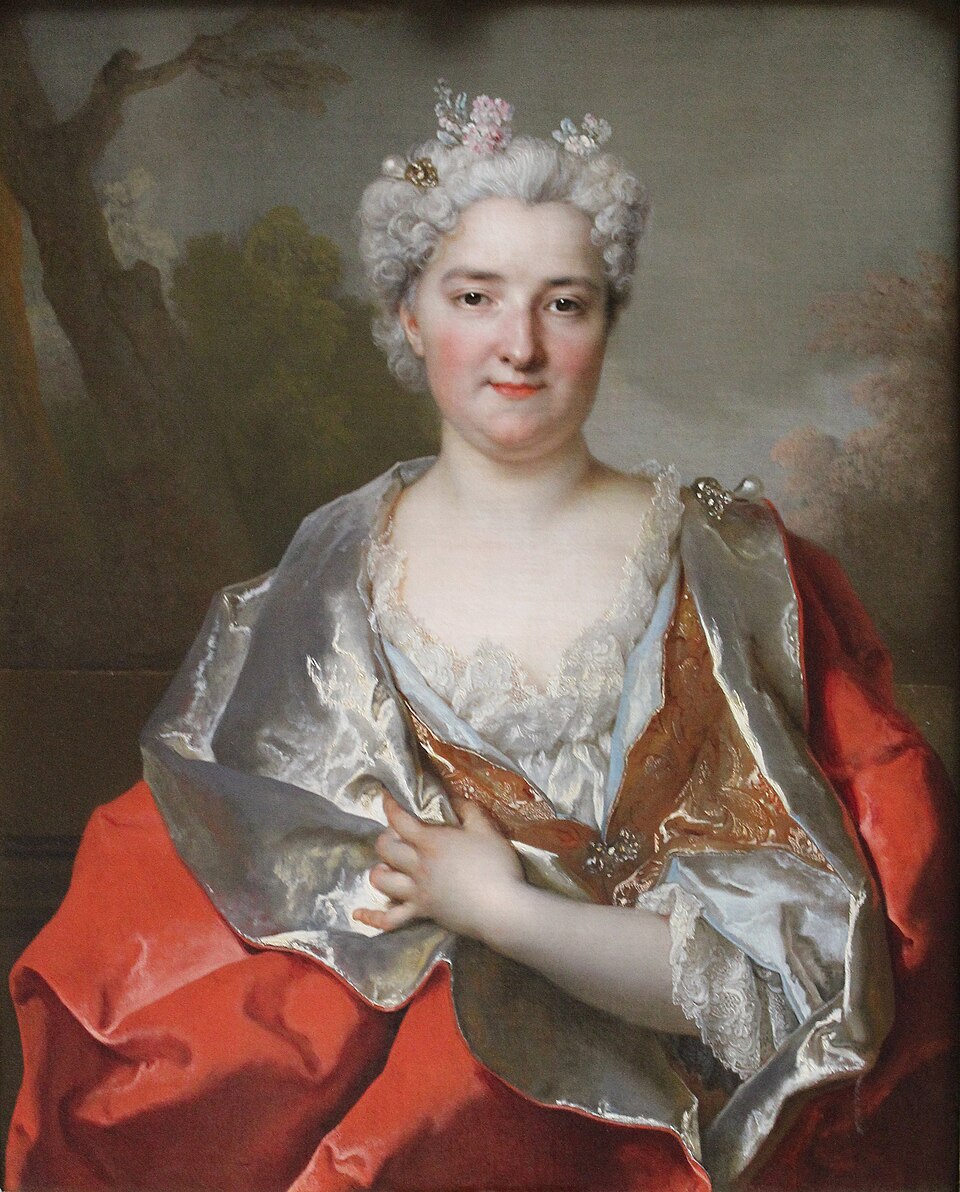
—Is it true that one of your books was printed without your permission?
Alas, yes! My New Reflections on Women first circulated by hand, copied among literary friends. I had not had them printed. And then in 1727, someone published them in The Hague, in Holland, without asking me. Imagine someone taking your most intimate letter and posting it in the square! In my time, a lady of my rank had to remain discreet. So I publicly disavowed that edition. But deep down, I did not disown my ideas. I scolded the manner, not the substance.
I scolded the manner, not the substance.
—Were you afraid to say such bold things about women?
A little, I admit. In my time, a woman who wrote exposed herself to mockery. She was called a bel esprit, you know, that word thrown like a stone to say “she thinks she's learned.” So I walked a tightrope. On one side, propriety: remaining a proper lady. On the other, my ideas, which I believed to be right. I chose to speak the truth, but without fuss, without scandal. Like slipping a seed into the earth rather than shouting into the wind. Seeds, you see, grow long after you have stopped talking.
I sowed my ideas like seeds, not like shouts.
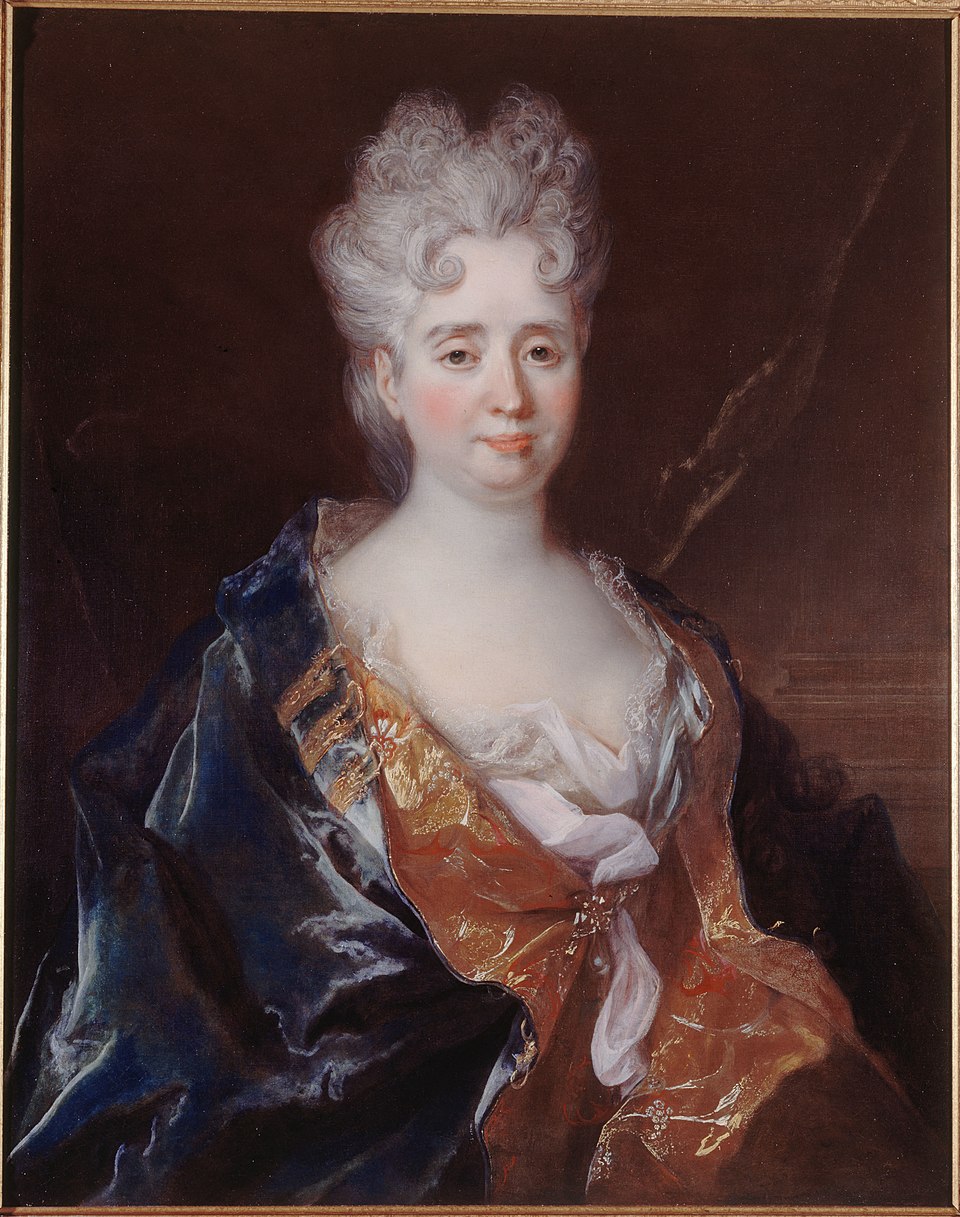
—Did Montesquieu, the great writer, really come to your home?
Yes, my child, and he was a young man then! Montesquieu came in the 1720s; he was a judge in Bordeaux. At my home, he read aloud pages from his Persian Letters, that mischievous book where foreign travelers look at France and marvel at it. We discussed, we contradicted him, we pushed him to think. Later, he acknowledged that those evenings had nourished him. You see, a salon is not just chatting. It is a workshop where ideas are forged together. People came to find friends, but also better thoughts.
A salon is a workshop where ideas are forged together.
—You wrote about old age. Was it hard for you to grow old?
I lived very old, my child: eighty-six years! Growing old is not nothing. You lose strength, friends pass away. So I wrote a little Treatise on Old Age. I was inspired by the Ancients, especially a Roman sage, Cicero, who said one can grow old with dignity. I put a simple idea into it: old age is a state we must resolutely accept. That means: accept it with wisdom, or you will become ridiculous by fighting it. Like a tree in autumn: it does not mourn its leaves, it gently prepares for winter.
Old age is a tree in autumn: it does not mourn its leaves.
—If we could meet you today, what would you want to tell us?
What would I tell you? Never let anyone decide for you what you have the right to learn. All my life, I saw minds wasted for lack of lessons, especially those of girls. I wrote, I received, I defended this idea in my Advice and my Reflections. And I would also tell you: seek true friends, not flatterers. In my Treatise on Friendship, I explained that friendship is an agreement of soul to soul. Knowledge and friendship: these are two treasures that no one can ever take from you. Keep them carefully, my children.
Knowledge and friendship: two treasures that no one can ever take from you.

This imaginary interview was generated by artificial intelligence from sources documented in Anne Thérèse de Marguenat de Courcelles, marquise de Lambert's profile. It dramatises what the figure might have said based on what we know about them, but does not constitute attested historical testimony. For primary sources and factual documentation, refer to the full profile.