Kids interview Ellen Johnson Sirleaf
by Charactorium · Ellen Johnson Sirleaf (1938 — ?) · Politics · 5 min read
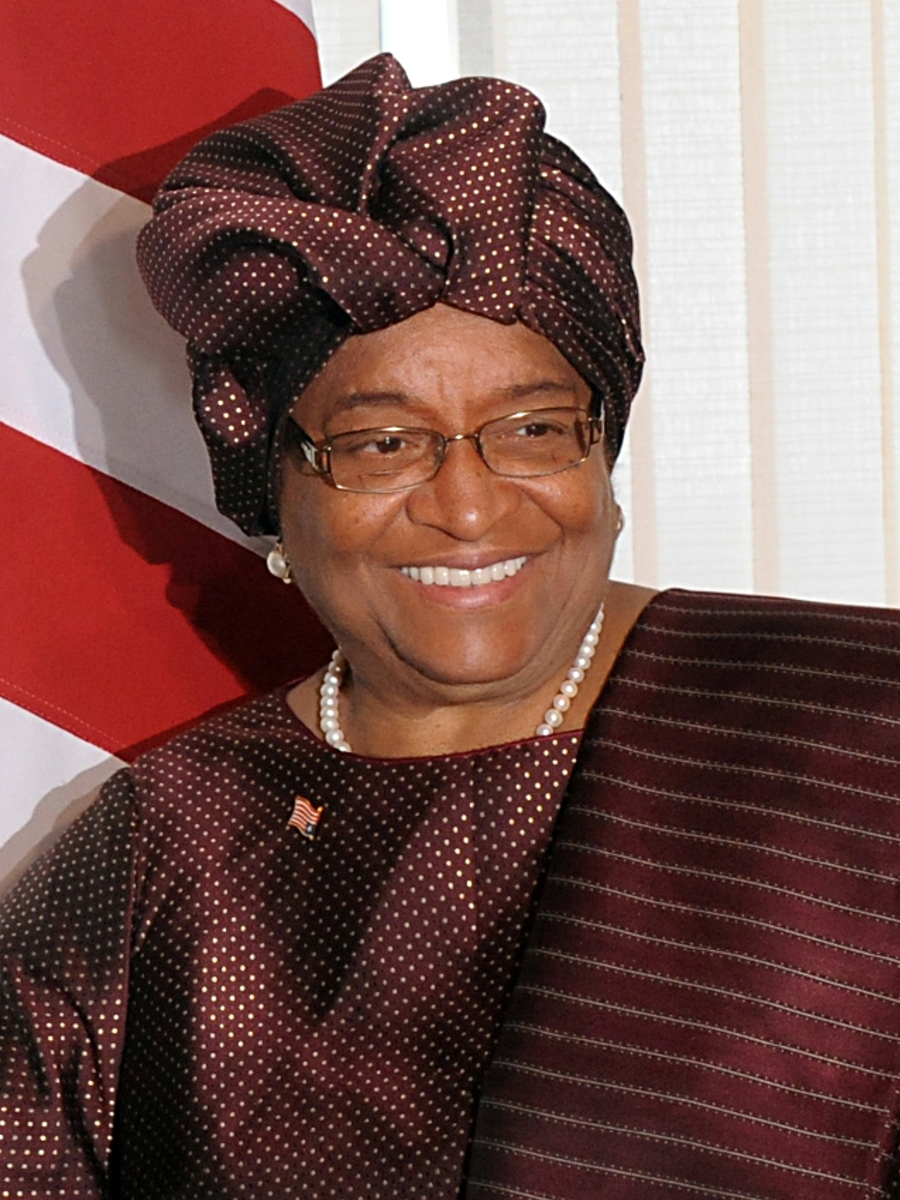
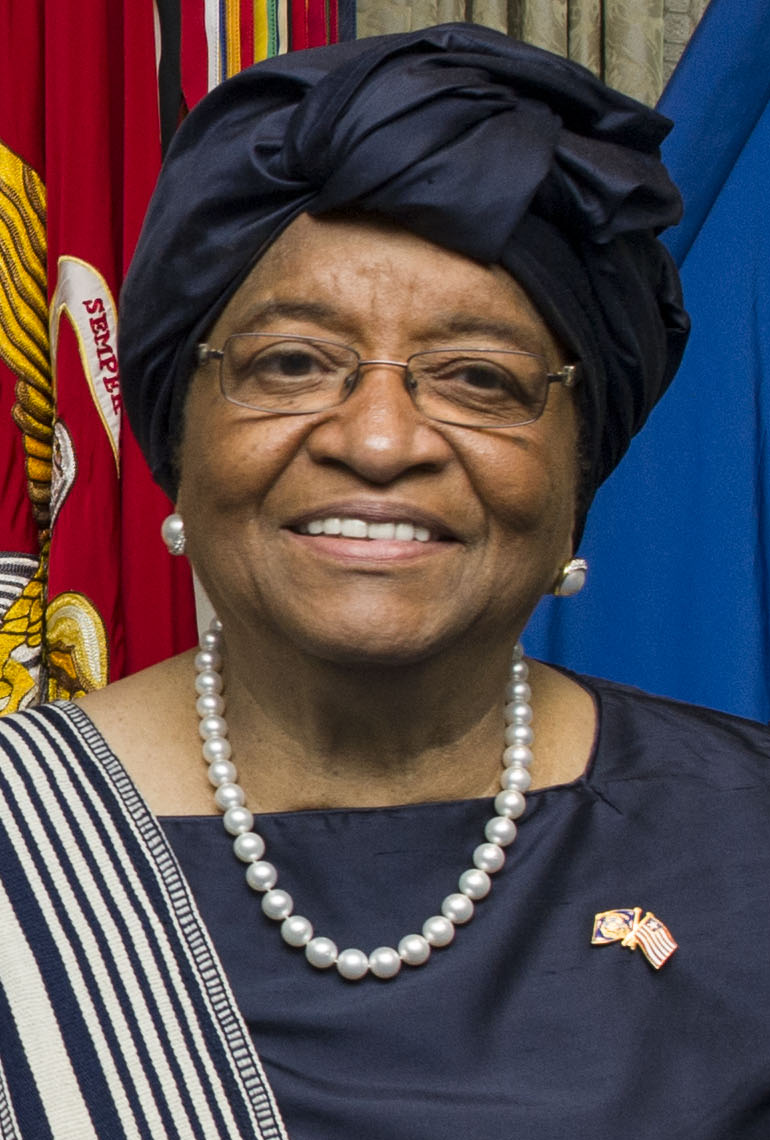
Two young visitors of twelve are welcomed by a lady with a calm smile and a steely gaze. She invites them to sit down, puts away a thick file, and tells them she has all the time in the world to answer. The meeting begins.
—What was it like the day you became president? Were you afraid?
You know, my child, my heart was especially heavy. In 2006, in Monrovia, I was taking the oath in a country broken by war. Imagine a city with walls riddled with bullets, without water or electricity in most homes. And I, the first woman ever elected head of an African state, had to rebuild everything. I was afraid, yes. But a good fear, the kind that keeps you awake. That day, I said that Liberia was worth fighting for. I truly meant it. When you carry the hope of an entire people on your shoulders, you don't have the right to tremble for too long.
I was afraid, but it was the good fear, the kind that keeps you awake.
—Why were you called the "Iron Lady"? Were you strict?
That nickname, Iron Lady, my supporters gave me. Not because I was mean, no. Because I didn't give in. Imagine a tree in a storm: it bends, but it doesn't break. That was me. I had faced prison, exile, powerful men who wanted to silence me. So when I came to power, no one could make me lower my eyes anymore. But iron, my child, doesn't mean a hard heart. I cried many times, alone, at night. Being firm on the outside and tender on the inside: that's the whole secret of a woman who governs.
Being firm on the outside and tender on the inside: that's the secret.
—Is it true you went to prison? Did you do something wrong?
No, I did nothing wrong. I had just told the truth, and that, some leaders cannot stand. In 1985, under the regime of General Samuel Doe, I criticized the government during a campaign. I was arrested, sentenced to ten years in prison. Ten years! Imagine a small cell, the sound of keys, the smell of metal. I was imprisoned twice in total, under Doe and then under Charles Taylor. But do you know what happens when you try to crush someone determined? You make them stronger. Every day behind bars, my will to fight for my country grew.
When you try to crush a will, you make it stronger.
—Didn't you want to give up and go far away, peacefully?
Oh yes, my child, more than once! I knew exile, far from home, in safety. I could have stayed there, lived in peace. But imagine you see your house burning from afar: can you really look away? I couldn't. Liberia was my home, my people. International pressure got me out of prison once, and instead of fleeing for good, I came back. People thought I was crazy. But I believed that a peaceful life far from my own is not worth a useful life among them. That's what brought me back, again and again.
A peaceful life far from one's own is not worth a useful life.
—What is your real job? They say you counted the country's money?
You're almost right! Before politics, I was an economist. That means someone who studies money: where it comes from, where it goes, how to make it grow. I learned that at Harvard, a great school in the United States. When I became president, my country was buried under a huge debt: almost five billion dollars! Imagine your family having to repay a sum so large you could never count it. Thanks to what I knew, I negotiated with the world's big institutions, and we erased more than four billion. That freed-up money went into schools, roads, hospitals.
Knowing how to count money means knowing how to give hope to a people.
—Where did you start when everything in the country was broken?
Ah, good question! When everything is on the ground, you have to choose the first wall to rebuild. I started with trust. Imagine a merchant who no longer dares to open his shop because he fears thieves: first you have to restore order. So I reestablished the rules, fought corruption, that is, people who steal public money for their own pockets. Little by little, foreign traders dared to come back and invest. On my desk, at the Executive Mansion, I always kept the debt reports. I reread them at night. Rebuilding a country is not magic: it's work, page after page.
Rebuilding a country is work, page after page.
—You won the Nobel Prize! Were you super proud all by yourself?
Proud, yes, but not alone, never! In 2011, in Oslo, I was awarded the Nobel Peace Prize. But do you know what I said there? That this prize was not mine. It belonged to all the women of Liberia: the market women, the church women, those who risked their lives to stop the war. Imagine thousands of mothers taking to the streets, unarmed, just with their courage, to say "enough." I shared it with two other courageous women, Leymah Gbowee and Tawakkol Karman. One medal for one, but a fight for thousands.
One medal for one, but a fight for thousands.
—How could women without guns stop a war?
It's the most beautiful thing I've ever seen, my child. The women of my country had neither weapons nor soldiers. But they had something stronger: numbers and patience. They dressed in white, sat together, prayed, sang, refused to move until the men made peace. Imagine a silent crowd, day after day, under the sun, impossible to ignore. The Nobel Committee praised their "nonviolent" struggle, that is, without blows or blood. They taught me a lesson I never forgot: you can be unarmed and yet invincible.
You can be unarmed and yet invincible.
—What was Ebola? Were you afraid for the people?
Ebola was a terrible disease, my child. Between 2014 and 2016, it struck my country like a wave. More than four thousand Liberians died from it. Imagine an invisible fear: you no longer dare shake hands, no longer kiss those you love, for fear of falling ill. As president, I couldn't hide. With my satellite phone, I called the whole world day and night to ask for doctors, equipment, aid. My heart was broken for every family. But a captain does not abandon his ship in the storm. We held on, and the wave eventually receded.
A captain does not abandon his ship in the storm.
—Why did you stop being president? Were you tired?
Tired, a little, it's true! But that's not why I left. In 2018, I handed over power to George Weah, elected after me. Do you know that was the first time since 1944, over seventy years, that a Liberian president peacefully passed the baton to another? Before, it happened through war, through bloodshed. Imagine a family that had always been torn apart and finally shakes hands. A good leader also knows how to leave at the right time. Leaving in peace that day was one of my greatest prides.
A good leader also knows how to leave at the right time.
—If a little girl were listening to you right now, what would you say to her?
I would approach her, and I would take her hand. I would tell her: my child, never let anyone tell you that a place is not for you. I was told all my life that leading a country was a man's job. I proved the opposite at sixty-seven, in a country emerging from war. I write all this in my book, This Child Will Be Great. The title means “This child will be great.” Imagine that was said about you, on the day of your birth. Well, it's true for each of you. Believe it, work, and hold on. The rest will follow.
Never let anyone tell you that a place is not for you.
This imaginary interview was generated by artificial intelligence from sources documented in Ellen Johnson Sirleaf's profile. It dramatises what the figure might have said based on what we know about them, but does not constitute attested historical testimony. For primary sources and factual documentation, refer to the full profile.