Imaginary interview with Ellen Johnson Sirleaf
by Charactorium · Ellen Johnson Sirleaf (1938 — ?) · Politics · 5 min read
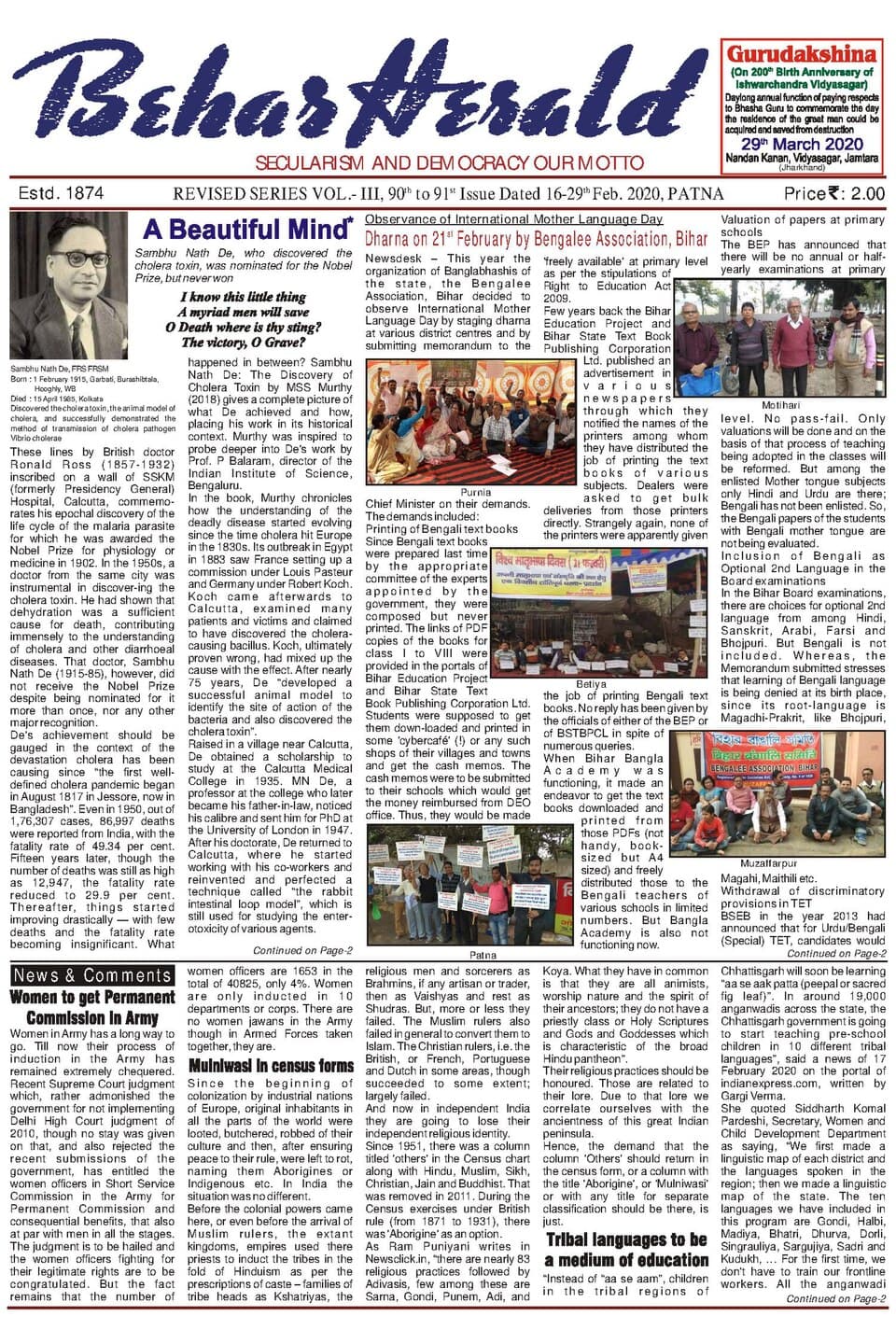
Monrovia, a dry-season morning. In a living room of the Executive Mansion, facing the estuary where the Atlantic beats against a city still scarred by war, Ellen Johnson Sirleaf receives, her gesture calm, her voice grave. On the coffee table, an annotated economic dossier and a folded scarf in the colors of the Liberian flag. She speaks slowly, like a woman who has learned to weigh every word.
—Do you remember the first time a cell door closed on you?
It was in 1985. I had dared to say aloud what the streets whispered about Samuel Doe's regime, and they threw me in prison like putting away an inconvenient object. Later, it was under the shadow of Charles Taylor. I was once sentenced to ten years, thinking that a number would be enough to silence me. But a cell, you see, does not diminish a conviction; it concentrates it. I recited budget figures in the dark to keep my mind clear, and I told myself that fear was the most ordinary tool of weak men in power. It was the pressure from outside—friends, governments—that finally opened the lock. I came out not broken, but sharpened.
A cell does not diminish a conviction; it concentrates it.
—How do you live through exile and pursuit without giving up on returning?
Exile is a school of humility. I spent years away from Liberia, at the World Bank, within international institutions, my diplomat's briefcase always ready, pleading for a country others considered lost. But I never stopped belonging to this land. When you have seen warlords—what the press called warlords—turn Monrovia into a field of ruins, you understand that leaving is not fleeing: it is preparing. I studied public finance by day, and at night I thought of the empty markets of the capital. Returning was not a courageous decision; it was the only logical conclusion of a life. Courage, I believe, is often just fidelity held to the end.
—What did you feel on January 16, 2006, at the moment of taking the oath?
Before me, in Monrovia, there were market women who had come on foot, widows, child soldiers who had become men without having been children. That day I said simply: "We want peace. We want freedom. We want prosperity. And we are determined to work hard to achieve these goals, because Liberia is worth fighting for." Those were not ceremonial words. Fourteen years of civil war had taught my people to distrust promises. I felt the weight of that distrust, but also something new: a nation daring to hope again. I understood at that moment that governing would not be exercising power, but repaying a debt of trust.
Governing would not be exercising power, but repaying a debt of trust.
—Being the first woman elected head of an African state: burden or springboard?
Both, inseparably. In 2006, my victory was hailed around the world as a turning point, and I measured its significance: behind me walked millions of girls who had been told politics was not their affair. But a first carries a particular burden: you must succeed, because failure would not be yours alone; it would serve as an argument for all who doubted women. My opponents called me the Iron Lady, thinking to wound me. I took it as a tribute. The hardness they attributed to me was only the refusal to yield ground won at such cost by Liberian women.
—How do you tackle billions in debt when the country is in ruins?
With reports, patience, and a lot of travel. Liberia carried nearly five billion dollars in external debt, the legacy of dictatorships and wars: a chain on the foot of a country that wanted to run. My training as an economist, my years at Harvard, at least served me for that: reading an IMF report without being intimidated, and negotiating as an equal. We brought the country into the HIPC initiative and obtained the cancellation of over four billion dollars. Each dollar erased was not an accounting abstraction: it was a school reopened, a road rebuilt, a clinic. You do not rebuild a nation with speeches, but with accounts patiently set right.
Each dollar of debt canceled was a school reopened, a road rebuilt, a clinic.
—Where does the reconstruction of a collapsed state concretely begin?
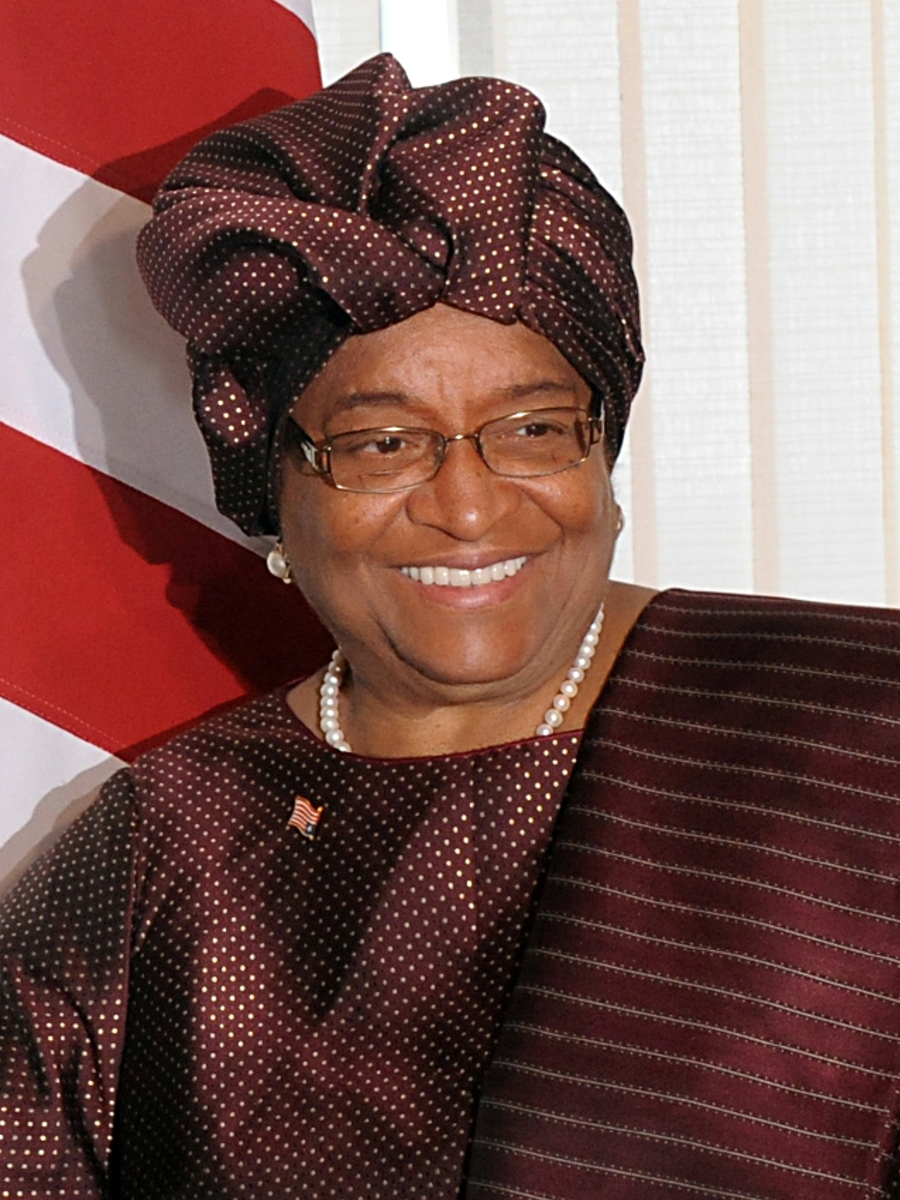
With the most invisible thing: trust in the rule of law. When I took office at the Executive Mansion, the Liberian state was only a name; corruption had replaced the law, and civil servants were not paid. I wanted to restore the rule of law before the roads, because a bridge can be rebuilt in a year, but a pillaged institution takes a generation to regain credibility. We hunted down corruption, sometimes in my own administration, which cost me friendships. I also opened a Truth and Reconciliation Commission, because nothing lasting can be built on accounts you refuse to settle with your own past. Material reconstruction follows; it never precedes moral reconstruction.
—In December 2011, in Oslo, who were you thinking of when you received the Nobel Peace Prize?
Not of myself. In Oslo, under the cold northern lights, I thought of the Liberian women who stayed home. I said what I deeply believe: "This prize belongs to all the women of Liberia — the market women, the church women, the women who risked their lives to stop the war." I was sharing it with Leymah Gbowee and Tawakkol Karman, two sisters in struggle. The committee was honoring our nonviolent struggle for women's security and their right to shape peace. I never saw that medal as a personal distinction, but as a receipt: proof that those who were never listened to had, through their stubborn courage, stopped a war that weapons could not stop.
This medal was not a distinction, but a receipt: proof that the women had stopped the war.
—Why did you so often place women at the heart of your action?
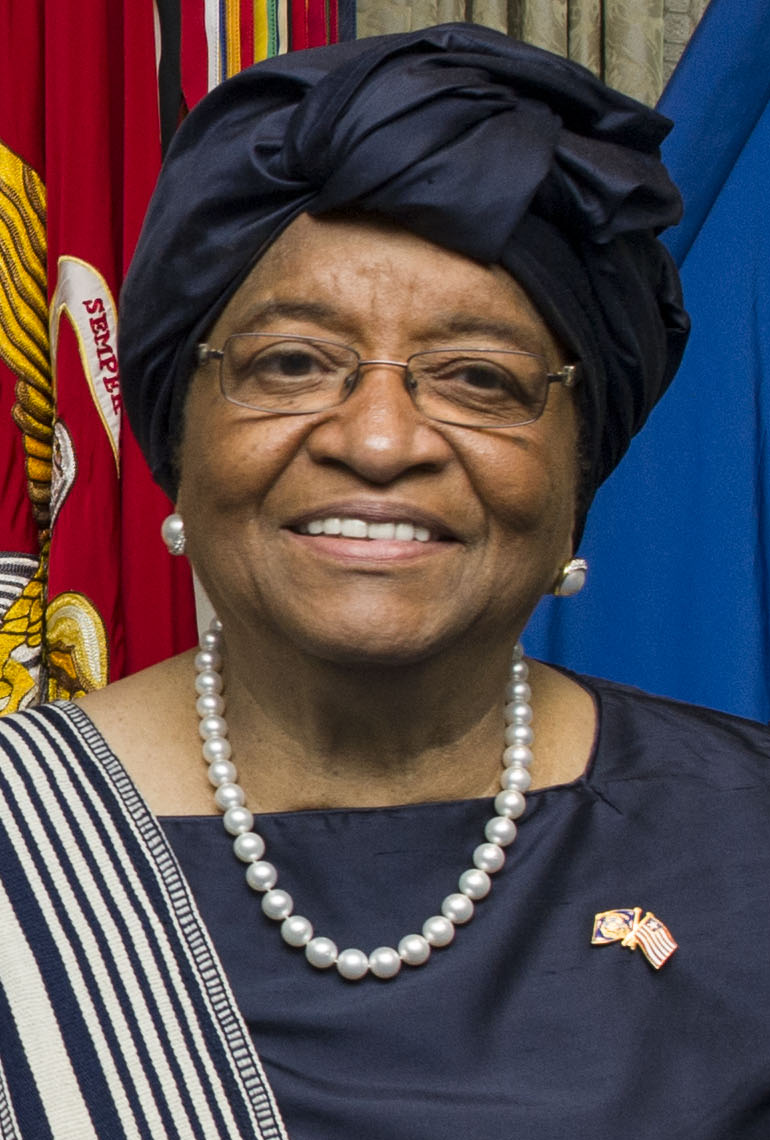
Because they bear the weight of chaos. I have long believed, and I wrote in This Child Will Be Great, that Africa's salvation rests in the hands of its women: they rebuild after war, they hold families together when everything collapses. During the civil wars, it was the market women, in white, who besieged the peace talks in Accra until the men signed the peace. How, after that, can you claim to govern without them? My feminism is not an imported theory; it comes from the streets of Monrovia, from mothers who haggled for a fish to feed five children while the guns spoke.
—The Ebola epidemic in 2014 was perhaps your most dramatic ordeal. How did you face it?
Like a second war, but against an invisible enemy. In 2014, Ebola claimed more than four thousand of our people and threatened to sweep the entire subregion. Borders closed, the world looked at us as if we were plague-stricken. I spent nights on a satellite phone begging, organizing, coordinating international aid, because a state with devastated infrastructure cannot defeat such a scourge alone. I had to both reassure a terrified population and impose measures they hated. I wrote publicly to call the world to help, without misplaced pride. A leader does not have the luxury of pride when her people are dying; she has the duty to ask for help and to get it.
—In 2018, you handed over power to George Weah. Why was that so important to you?
Because it was, for Liberia, the rarest gesture of all: to cede. Since 1944, no elected president had peacefully passed the baton to another elected president; in our country, power changed hands through coups and bullets. By handing the sash to George Weah — the very man I had once defeated at the polls — I wanted to show that democracy is not a speech, but a habit installed by example. A leader is judged less by how he takes power than by how he knows how to relinquish it. That day, I did not lose a position; I bequeathed a rule. And a rule, unlike a man, does not die.
A leader is judged less by how he takes power than by how he knows how to relinquish it.
This imaginary interview was generated by artificial intelligence from sources documented in Ellen Johnson Sirleaf's profile. It dramatises what the figure might have said based on what we know about them, but does not constitute attested historical testimony. For primary sources and factual documentation, refer to the full profile.