Kids interview Helen of Troy
by Charactorium · Helen of Troy · Mythology · 5 min read
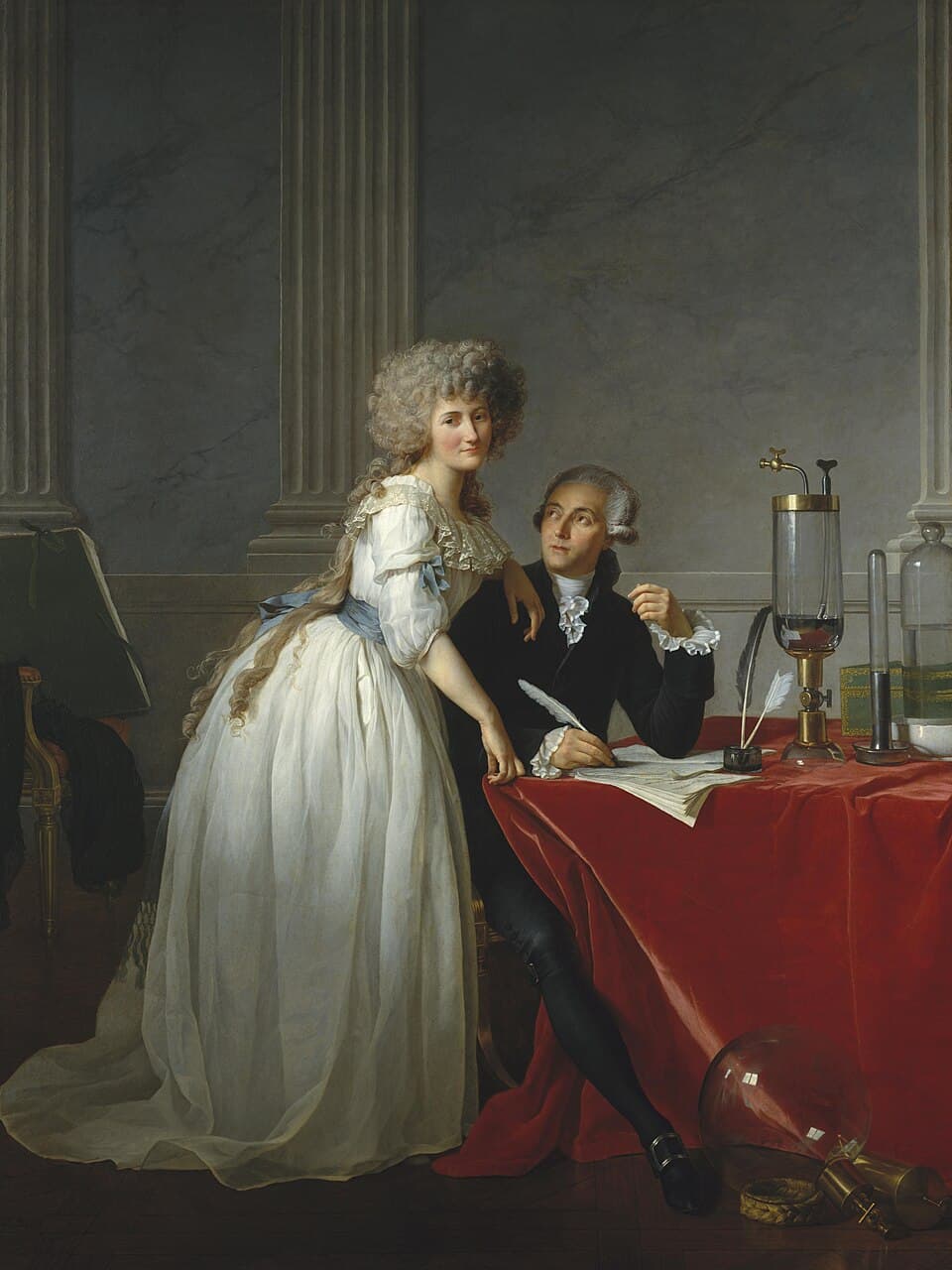
Two twelve-year-old visitors, on a school trip, timidly approach the most famous queen of Sparta. Helen greets them with a gentle smile and invites them to sit beside her. “Ask me your questions, my dears — I will tell you about my world.”
—What were your days like when you were queen of Sparta?
You know, my child, my mornings began in the megaron, the great hall of the palace. It is the central room, with a hearth in the middle. I would pray to Aphrodite, then servant women would help me prepare. In the afternoon, I directed a weaving workshop. Imagine a room full of wool, and the strong smell of purple, that precious red dye used only for the robes of kings. In the evening, I dined with Menelaus, my husband, and our guests. Barley bread, wine mixed with water, sometimes goat meat at festivals. A palace life, simple and orderly.
A queen is not just jewels: she also has wool between her fingers.
—What was your favorite object in your palace?
Ah, I loved my polished bronze mirror. In my time, there was no clear glass like you know. We polished bronze until it shone, and you could see yourself, a little blurry, golden. It was an object of great luxury, reserved for women of important families. I also wore a peplos, a long draped robe, dyed purple to show my rank. You know, they said my beauty was immense. But before that mirror, I saw mostly a woman like any other, who worried about her loved ones. Beauty is not always a gift, my child.
We polished the bronze until we could see ourselves, golden and a little blurry.
—Why did all the Greek kings go to war because of you?
That is an old story, and it begins before my marriage. You see, I had an enormous number of suitors — kings, heroes, the greatest of Greece wanted to marry me. My father, Tyndareus, feared it would turn into a brawl. So he had a clever idea: he made each one swear to defend the man I would choose. An oath is a sacred promise, one that cannot be broken. When Paris took me away from Sparta, all those men were bound to keep their word. Achilles, Agamemnon, Ajax... all Greece armed itself. One single oath, and ten years of war. That is how a promise can weigh heavier than an army.
One single oath, and ten years of war.
—But did you want to leave with Paris, or were you forced?
Ah, my child, that is the question everyone has asked me for centuries. And the truth is, there are several answers. Some say I chose to follow Paris. Others say I had nothing to do with it. I will tell you this: it was the goddess Aphrodite who led me to him. When a goddess decides, what can a mortal do? The gods are far more powerful than us. Imagine a huge force pushing you from behind, without you being able to resist. That is what it was. The Greeks long debated: was I guilty, or a victim? Perhaps a little of both.
When a goddess decides, what can a mortal do?
—What is that story about a beauty contest between goddesses?
You will see, it is strange. Before my birth in this story, three goddesses were arguing. Hera, Athena, and Aphrodite wanted to know which one was the most beautiful. They chose a judge: Paris, a Trojan shepherd, on Mount Ida, a mountain near Troy. Each goddess promised him a gift. Aphrodite promised him the most beautiful woman in the world — that is, me. Paris declared her the winner. And there you have it: I became the prize of a contest I did not choose. Do you think that is unfair? So do I. No one ever asked my opinion, my child.
I became the prize of a contest I did not choose.
—How did it make you feel to see the soldiers dying because of you?
My child, that is the greatest sorrow of my life. From the high ramparts of Troy, I watched the warriors killing each other on the plain. On both sides, sons, brothers, husbands. And all because of me. I called myself “fatal beauty” — fatal meaning that brings misfortune. I felt responsible for every tear. Yet the old king Priam, Paris's father, was kind to me. He told me I was not to blame, that it was the gods who had caused this war. His words comforted me. A little.
From the high ramparts, every death on the plain was a little bit my fault.
—Were you afraid, trapped inside Troy for ten years?
Ten years, my child, is a very long time. Imagine a city surrounded by enemies, where every day you hear the noise of battles beyond the walls. Yes, I was afraid. Afraid that Troy would fall, afraid of what they would do to me. And then, there was loneliness. I was far from Sparta, far from everything I knew. People looked at me as the cause of their suffering. Do you know what it is like to feel everyone's eyes on you? I took refuge in weaving, my hands busy with wool. It calmed my heart, a little.
A city surrounded by enemies, and everyone's eyes on me.
—Is it true there is a version where you never went to Troy?
Yes, and it is a fascinating story! You see, the ancients did not all tell the same tale. Some poets said I never set foot in Troy. According to them, I stayed in Egypt throughout the war. It was a phantom, an image made of clouds, that followed Paris in my place! Imagine: all that war fought for a woman who was not even there. That is what the poet Euripides tells in his play that bears my name. Myths, my child, are like rivers: they split into several branches.
All that war fought for a woman who may not have been there.
—Why are there so many different stories about you?
Because I have lived very long in the memory of men, my child. Each people, each poet told me in their own way. In Homer, in the Iliad and the Odyssey, I return to Sparta to Menelaus, once again queen. But others say I took refuge in Rhodes, or that I became immortal after my death, deified among the heroes. Some judge me guilty, others innocent. Imagine your portrait painted by a hundred different painters: none would look exactly like you. That is what I have become — a thousand faces in a single legend.
A thousand faces in a single legend.
—If you could speak to children today, what would you say?
I would tell you this, my child, from the bottom of my heart. They have spoken much of my beauty, as if it were the only thing that mattered about me. But a person is never just a face. They called me guilty, they called me victim, they made me the prize of a goddesses' contest. Yet almost no one asked me what I felt. So look at people truly, not just what is visible. Listen to their heart. And never accuse someone too quickly, without knowing their whole story. That is what I wish they had done for me.
A person is never just a face.
This imaginary interview was generated by artificial intelligence from sources documented in Helen of Troy's profile. It dramatises what the figure might have said based on what we know about them, but does not constitute attested historical testimony. For primary sources and factual documentation, refer to the full profile.