Imaginary interview with Helen of Troy
by Charactorium · Helen of Troy · Mythology · 5 min read
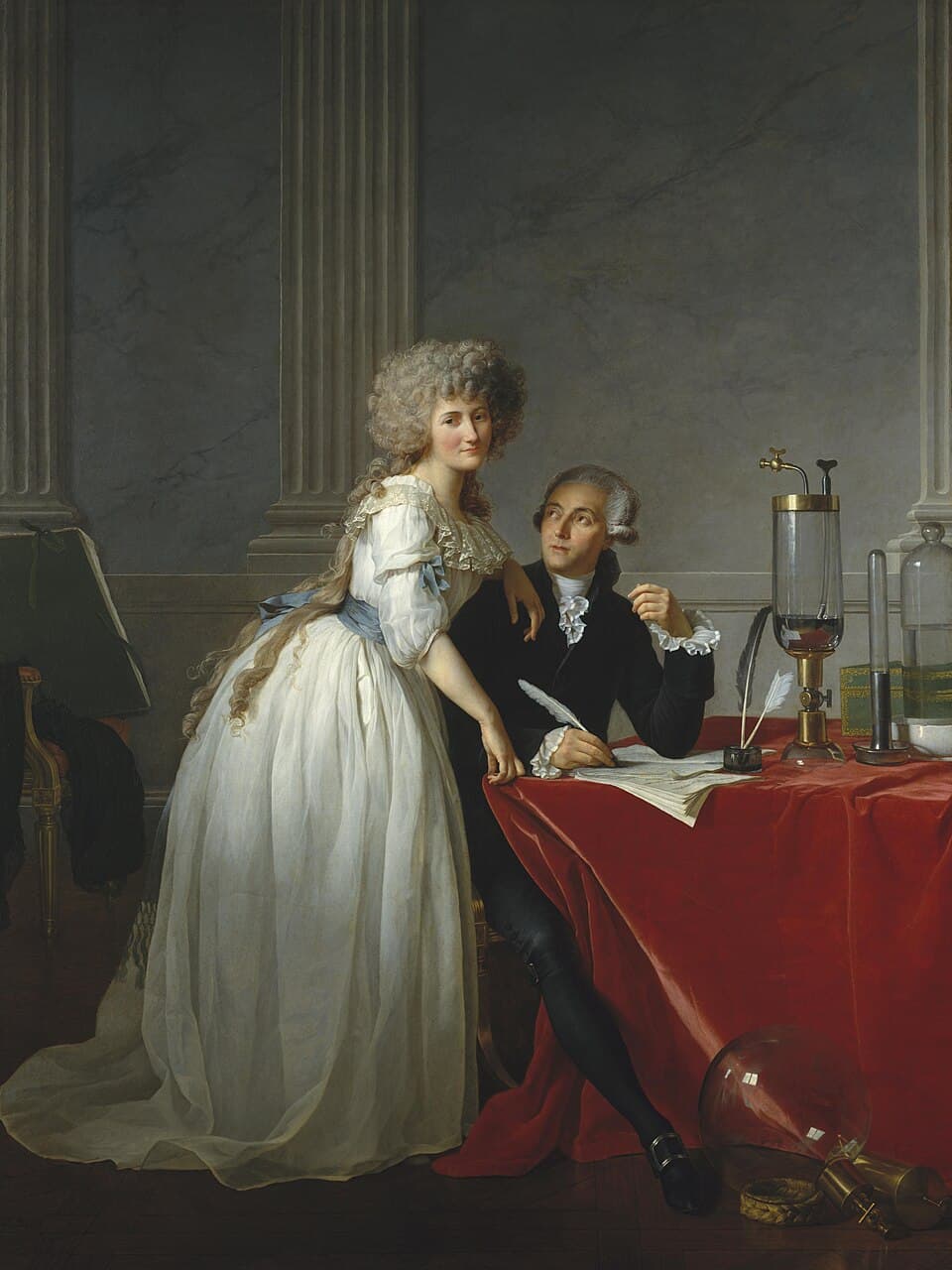
The megaron of Sparta still smells of freshly dyed purple and warm lamp oil. Helen receives us near an unfinished loom, a bronze mirror resting on her knees. Her voice is low, unhurried, like that of a woman who has learned that every word follows her from ten years of siege.
—How do your days begin, here in the palace of Menelaus?
Before the sun touches the top of the megaron, my servants wake me and bring water for my toilet. I first pour the morning offerings to Aphrodite and Athena — one does not get through a day without bowing to those who hold our threads between their fingers. Then I go to the workshop where I spin wool and purple, for a queen weaves not only cloth but also the story of her house. This polished bronze mirror you see, I rarely take it out of vanity; I question it rather as one questions an omen. The face it reflects has cost entire fleets.
The face this mirror reflects has cost entire fleets.
—What does this beauty that everyone calls ideal mean to you?
They have said it could unite all the kings of Greece and hurl ten thousand men against walls. But a beauty that unleashes armies is not a gift; it is a burden I carry like a gold diadem too heavy for the brow. When the women of Sparta adorn me with jewels and arrange my hair over a purple-dyed peplos, I know that every gleam will later be accused of lighting a pyre. I did not choose this face; the gods shaped it, as they shape storms. One admires the storm, and then curses the roof it has carried away.
A beauty that unleashes armies is not a gift; it is a burden.
—Do you remember the day your father gathered your suitors?
My father Tyndareus was wise enough to fear what my hand would provoke. All the greatest heroes — Agamemnon, Ajax, and so many other kings with many ships — had flocked to Sparta to take me as wife. Rather than let them slaughter each other, he made them swear an oath: whoever won my hand, all the others would swear to defend that union by arms. That day, they thought they were sealing peace. In truth, they were sealing war. For when Paris carried me off, that oath awoke like a pack, and all Greece had to embark for Troy.
That day, they thought they were sealing peace; in truth, they were sealing war.
—Why did so many kings consent to risk ten years of their lives for you?
It was not for my face alone, believe me. An oath, among us, binds more surely than love: perjury brings the wrath of the gods upon an entire lineage. When Menelaus summoned the princes, none could back down without dishonoring himself and exposing himself to the Erinyes. Thus a abduction in the palace of Sparta became the greatest conflict the memory of the Greeks has preserved, gathering the mortal heroes from Mount Ida to the plains of the Hellespont. They say I was the cause of the war. I prefer to say I was the pretext through which ancient oaths came to claim their due.
I was the pretext through which ancient oaths came to claim their due.
—What do you answer to those who accuse you of having followed Paris willingly?
I know the accusation; it pursues me more stubbornly than the Achaeans pursued the walls of Troy. But consider what happened on Mount Ida, when Paris had to choose among three goddesses. Aphrodite promised him the most beautiful woman — and that woman was me, given as a prize before I was even consulted. Before the overwhelmed Trojan women, I spoke my truth: it is Aphrodite who led me to Paris, and what punishment can a mortal inflict on a goddess? The gods are mightier than mortals. You call that consent; I call it being swept away by a current no oarsman can stop.
I was given as a prize before I was even consulted.
—Do you feel like a victim, then, or an accomplice to what happened?
The Greeks like to hold me between the two, like a cup they do not know whether to fill or break. Sometimes I am the innocent abducted against her will, sometimes the woman who yielded. I will tell you this: responsibility among mortals is like a cloth woven by many hands, and the goddesses passed the weft before I even touched the thread. Hera, Athena, Aphrodite quarreled over an apple, and it is my name that was engraved on the bill. If Moira, fate, placed me at the crossroads of their quarrels, am I guilty of having been placed there? This question, even the wise men of Greece have not settled.
The goddesses passed the weft before I even touched the thread.
—They say you watched the battle from the walls. What did you see then?
I often climbed the walls of Troy, where the wind carries the clash of bronze. From that height, I saw men I had never wronged fall upon each other, and every cry reminded me that it was my name they screamed as they died. Old Priam, however, sat beside me with a gaze without hatred; he told me I was not to blame, that the gods caused this terrible war. His gentleness was more cruel to me than a curse. For how can one bear the weight of a deadly beauty when the one who should curse me chooses to console me?
His gentleness was more cruel to me than a curse.
—How do you live with being called the cause of so many deaths?
There is a word I have given myself, in the Iliad that the bards sing: my beauty is deadly. I do not say it out of inverted coquetry, but because I see the thing as it is — a gleam that illuminates and burns with the same fire. When I look toward the plain and count the pyres, I know that posterity will engrave my name on black-figure vases, between Achilles and the flaming walls. They will paint me beautiful. They will forget that I wept on those walls, begging the gods to erase the face that had started everything.
A gleam that illuminates and burns with the same fire.
—There are whispers of strange versions of your journey: did you really spend years in Egypt?
You touch upon the tales that storytellers argue over around wine cut with water. Some swear I never set foot in Troy, that the gods detained me in Egypt while a phantom in my image followed Paris to war. Ten years, they say, I waited on a foreign shore, while men died for a shadow. Others have me pass through Rhodes before returning to Sparta. I cannot tell you which of these voices speaks true, for mortals tell what consoles them. But the idea that they fought ten years for a reflection — that, perhaps, is the truest image of this whole war.
They may have fought ten years for a reflection.
—What would you say about your fate once Troy fell and calm returned?
When the flames had finished devouring Troy, Menelaus took me back aboard his ship, and I regained my throne in Sparta as if one returned a cloth to its chest. Order, the bards say, was restored. But the traditions do not agree on my end: some promise me exile, others an apotheosis among the demigods, immortal, deified far from mortal eyes. I confess I do not know which one the gods have reserved for me. Perhaps no death suits a woman who has already been killed a thousand times in songs. If I must choose, I prefer to believe that I will end up turned into a star rather than into remorse.
No death suits a woman who has already been killed a thousand times in songs.
This imaginary interview was generated by artificial intelligence from sources documented in Helen of Troy's profile. It dramatises what the figure might have said based on what we know about them, but does not constitute attested historical testimony. For primary sources and factual documentation, refer to the full profile.