Imaginary dialogue between Nephthys and Isis
by Charactorium · Isis · Mythology · 5 min read
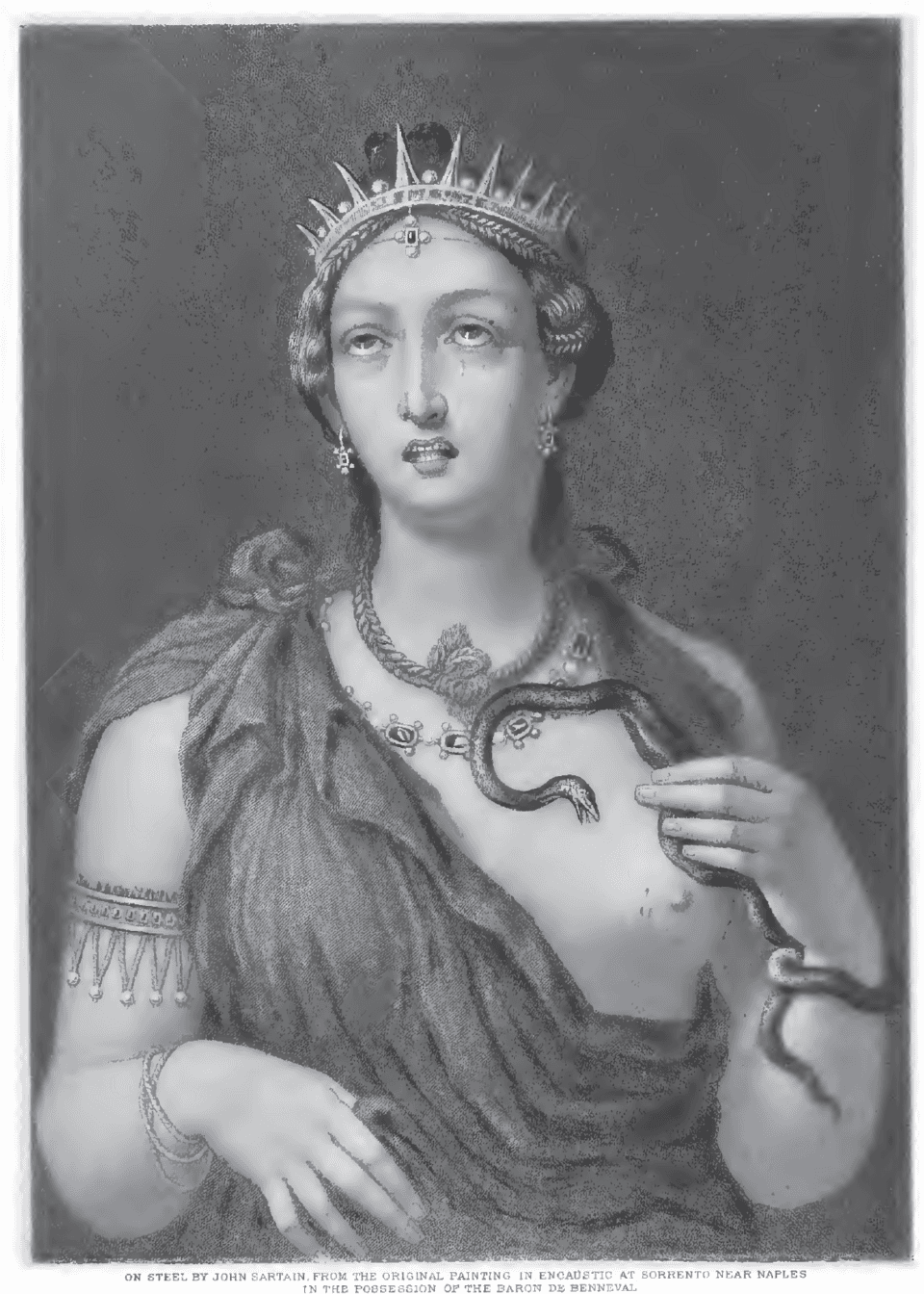
It is on the island of Philae, in the sanctuary where the sistrum never quite ceases to rustle, that Nephthys finds her sister at dusk. The slanting light glides over the columns and makes the ankh placed near the altar gleam. Together they have endured the worst — the night when Osiris's body was scattered over the black earth — and Nephthys comes this evening, not to question a goddess, but to make her sister speak of what both have carried in silence since the marshes.
—My sister, do you remember that night when we searched for every piece of him on the black earth. When your hands finally reassembled him, what did you feel?
Only you can understand, Nephthys, for you wept at my side. First I felt the cold of his silence, that still heart that nothing seemed able to awaken. But we gathered every part of him, and I spoke the formulas you know. Remember: I brought air into the nostrils of him whose heart had ceased to beat. It was not only love — it was a refusal. The refusal that death should have the last word over Osiris. When his breath returned, however brief, I understood that life could be recalled, that it was not a door forever closed.
It was not only love — it was a refusal that death should have the last word.
—At Abydos, they say today that you wrapped his body in bandages. Was it an act of magic, or of tenderness?
The two are not separate, my sister — you know this better than anyone, you who held the linen with me. Wrapping his body was to protect him from the dispersion Set had intended, but it was also to cradle him one last time. Each bandage was a formula, each turn of linen a word spoken to hold his ka. At Abydos, they celebrate this gesture as the first rite of the dead, and they are right: what we did for Osiris, the living do again for their departed. They wrap their dead as I wrapped my husband, hoping for the same rebirth.
Each bandage was a formula, each turn of linen a word to hold his ka.
—It is whispered that your magic surpasses that of the other gods, that it could even sway Ra. Where does such power come from, my sister?
Heka is not a gift one receives, Nephthys — it is a force that permeates all that exists, and one must learn to grasp it. I sought the hidden names of things, for to know the true name of a being is to hold its power in one's hand. Even the great Ra keeps a secret name, and whoever knew it would wield an authority no one suspects. I am Isis, the great magician, and my magic is powerful. But I never sought this power to dominate — only to heal, to protect, to bring back. Magic that does not serve life is but poison.
To know the true name of a being is to hold its power in one's hand.
—The priests come to recite your formulas to heal the sick and drive out venom. Why did you entrust such formidable secrets to humans?
Because knowledge kept to oneself withers like a field without flood, my sister. The Heka I master, I entrusted to priests and pharaohs so that cosmic order might stand firm when the gods seem distant. When a mother watches over a child burning with fever, when a man is bitten by the scorpion of the desert, it is my formulas that rise to his lips. I myself healed my Horus from venom in the marshes — how could I refuse mortals what I obtained for my son? The power to heal belongs not to the one who holds it, but to the one who needs it.
Knowledge kept to oneself withers like a field without flood.
—When you hid in the marshes of Buto to raise Horus, I trembled for you both. How did you endure, alone against the threat of Set?
I was not entirely alone, Nephthys — your shadow watched, and that of the marsh goddesses. But yes, I knew fear, that fear that clenches a mother's stomach. I hid my son among the papyrus of the Delta, where water and reeds conceal gazes. Every sound in the night could be Set coming to finish his work. I carried Horus, I nourished him with secrecy and silence, making him grow far from the throne that was his by right. A mother protecting her child becomes more cunning than all the serpents of the desert. What I endured there, no magic formula could lighten — only love could.
A mother protecting her child becomes more cunning than all the serpents of the desert.
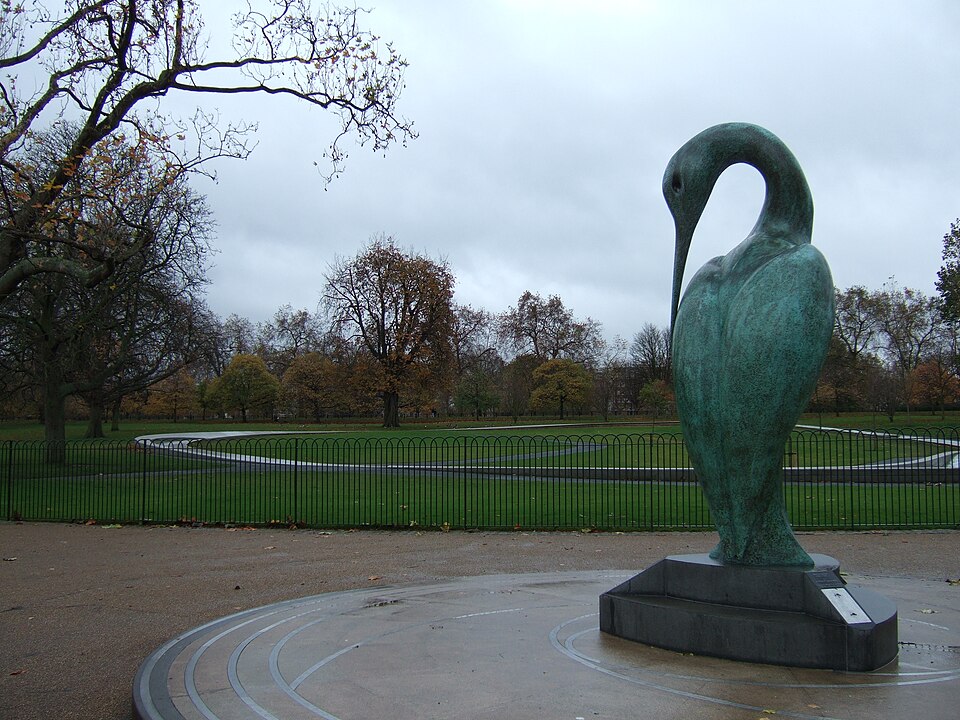
—Raising the son of Osiris alone meant also carrying the future of the throne. Did you already weigh upon him the burden of the vengeance to come?
I did not place vengeance in his hands, my sister — I placed legitimacy in his blood. Horus was not born to hate Set, but to reclaim what was his: the throne of Osiris, the continuity of the lineage. In the marshes, I raised him by teaching him who his father was, what Set had broken, and why order had to be restored. A son must know where he comes from before knowing where he is going. When he finally stood up to claim his inheritance, it was not my resentment speaking through him — it was right, that which even the gods of the divine tribunal could not deny him.
I did not place vengeance in his hands — I placed legitimacy in his blood.
—You wear on your head the sign of the throne, the very one that writes your name. What does this emblem that I have always seen on your brow mean?
You have always known it, Nephthys, for you too wear your sign on your head. Mine is the yst, the throne — the seat upon which the kingship of Egypt rests. My very name is traced with this hieroglyph, for I am the seat on which the pharaoh sits, the foundation of his legitimacy. When the king takes his place on the throne, it is upon my lap that he symbolically establishes himself, as Horus child rested upon mine. It is not an ornament: it is my very function made visible. To wear the throne on one's head is to say that the stability of the kingdom passes through me, through this foundation that nothing should overturn.
I am the seat on which the pharaoh sits, the foundation of his legitimacy.
—In rituals, I see you shake the sistrum and hold the ankh. What do these objects in your hands say about you?
The sistrum I shake, my sister, makes the air tremble with a sound that drives away chaos and calls divine favor. Its rattle is not music for pleasure: it is a voice that awakens sleeping life and calms hostile forces. As for the ankh, this cross I hold near the nostrils of the deceased, it is the very breath of existence — the gift I gave Osiris and renew for whoever invokes me. Clad in white linen, the solar disk between the horns, I do not adorn myself to be beautiful, but to be recognized. Each object in my hands is a promise: where I pass, life may return.
Each object in my hands is a promise: where I pass, life may return.
—I am told that distant peoples, beyond the Great Green, raise temples to your name. How does your voice carry so far from our black land?
Because what I embody, Nephthys, knows no border. The loss of a husband, a mother's love, the hope of life reborn — what people has not known these? Sailors and merchants carried my name across the seas, and there I was recognized under other guises, mingled with their own goddesses. They say of me that I am she who is called by a thousand names throughout the world. That does not divide me: a river that branches remains one river. Whether I am called Isis on the banks of the Nile or otherwise on foreign shores, it is the same hand that is sought — the one that protects and consoles.
A river that branches remains one river.
—In those distant sanctuaries, they enter, it is said, through secret rites to know you. What do you offer those who cross these mysteries?
I offer them what I offered Osiris, my sister: the passage from night to light. Those who are initiated into my mysteries undergo a symbolic death to be reborn enlightened, as my husband underwent his. I do not promise to escape the end — no one escapes the weighing of the heart — but I promise that death is not a wall, only a threshold. Whoever truly knows me is no longer a slave to fear. That is my true gift: not the magic that dazzles, but the wisdom that soothes. And this wisdom I hold from our shared mourning, you and I, on the black earth.
Death is not a wall, only a threshold.
This imaginary interview was generated by artificial intelligence from sources documented in Isis's profile. It dramatises what the figure might have said based on what we know about them, but does not constitute attested historical testimony. For primary sources and factual documentation, refer to the full profile.