Kids interview Jean Anouilh
by Charactorium · Jean Anouilh (1910 — 1987) · Literature · 5 min read

Two twelve-year-old visitors push open the door of a small empty theater one morning during a school field trip. On the empty stage, an elegant old gentleman waits for them, delighted. It's Jean Anouilh, and he has agreed to answer all their questions.
—How old were you when you started working in a theater?
I was nineteen, my child. In 1929, I left my city to go up to Paris, my heart pounding. There, I became the secretary of a great man of the theater, Louis Jouvet. A secretary is the one who files papers, who runs around. A very small job. But imagine: I was hidden backstage, that dark corridor behind the curtain. And from there, I saw everything! How to direct actors, how to choose a light. No one noticed me, and I learned the craft in silence. That's where I understood one thing: to write for the stage, you must first watch it live.
You learn more in the shadow of the wings than in the middle of the light.
—How did you know you wanted to write for the theater?
You know, it happened by chance, like the most beautiful things. I was still a boy, almost like you. One day, I opened a play by Jean Giraudoux, an author I adored. And then, it was like a flash! I felt that those words were truer than life itself. I decided on the spot: I would spend my life writing plays. For me, theater is not a lie. It's life made clearer, more beautiful. Imagine a magnifying glass placed on the world: everything becomes sharp, even what hurts. I have never changed my mind since that day.
Theater is life made clearer, even when it hurts.
—Is it true that you sorted your plays by color?
Yes! And it amused people a lot. I invented my own little boxes to organize my work. There were the Pièces roses: the lightest, the most joyful, like Le Bal des voleurs with its band of disguised thieves. And then the Pièces noires: the darkest, the saddest, like La Sauvage. Later, I added the Pièces grinçantes, those that creak like an old door, both funny and nasty. Why these colors? Because I am made that way, my child. One day I laugh, the next I despair. My plays resemble me: a little sun, a lot of shadow.
My plays resemble me: a little sun, a lot of shadow.
—Why did you rewrite old stories instead of inventing new ones?
Good question! You see, very old stories are like beautiful clothes you can put on again. For Antigone, I went looking for a Greek tragedy written by Sophocles, over two thousand years ago. I had his text all covered with my notes. But I didn't copy it: I told it in my own way, for the people of my time. Later, I did the same with Joan of Arc in L'Alouette. These characters always ask the same question: should you obey, or say no when you are asked to do something wrong? That question, you see, never gets old. That's why I bring them back to life.
Old stories are beautiful clothes you can always put on again.
—And what if you got facts wrong in your stories?
Ah, that happened to me! To write Becket ou l'Honneur de Dieu, in 1959, I plunged into old English history books. That play tells the friendship, then the quarrel, between a king, Henry II, and his friend Thomas Becket. Well, I discovered too late that the historian I had trusted had mixed things up! Some facts were wrong. And you know what I did? I went on anyway. Because for me, what matters is not the exact date. It's the truth of the heart: two friends who tear each other apart, that is true forever. A historian must be accurate. A poet, on the other hand, must be just.
A historian must be accurate. A poet, on the other hand, must be just.
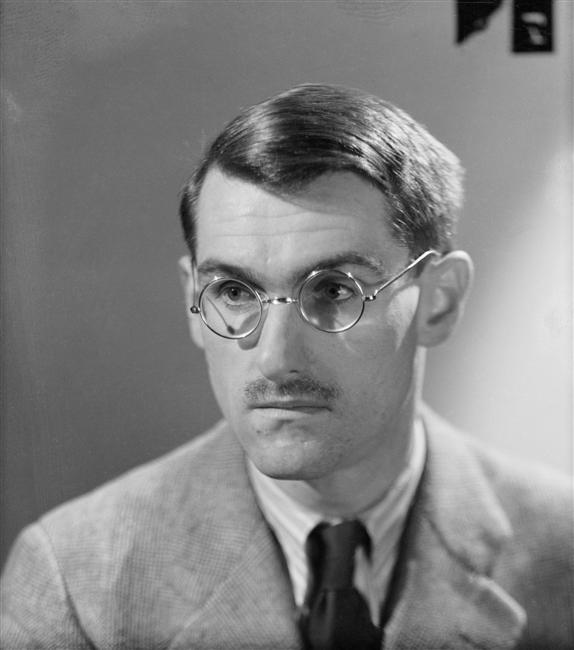
—What was it like to perform a play during the war?
It was strange and a little frightening, my child. In February 1944, my Antigone premiered in Paris, at the Théâtre de l'Atelier. At that time, France was occupied by the German army. Imagine: foreign soldiers in the streets, and a man monitoring every word written, to ban what displeased. That was called censorship. And yet, my play was performed! In the audience, there were people who obeyed the Germans and others who resisted them in secret. On the opening night, all of them applauded. Each saw their own side in it. It was my little magic trick to slip through the cracks.
My play slipped through the cracks: each saw their own side in it.
—Why did your Antigone say no, even if she had to die?
Because she is a young girl who cannot keep quiet, like some of you, I hope! In the play, the ruling leader is called Creon. He forbids burying Antigone's brother. But she refuses to obey. She prefers to die rather than betray what she believes is right. There is a moment when she shouts at Creon: "I am here to say no and die." Four terrible little words. You know, saying no is sometimes very easy, and sometimes it costs your life. Antigone, she says no to the end. That's why she has remained alive in people's memory.
Saying no is sometimes easy, and sometimes it costs your life.
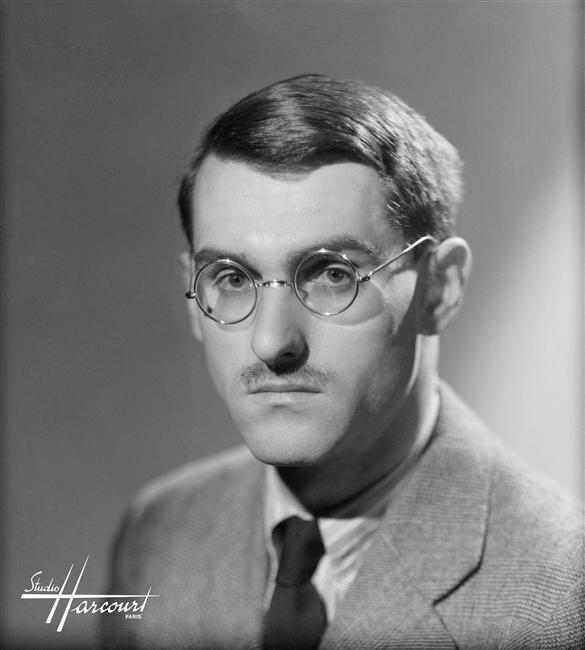
—What were your days like when you wrote your plays?
Not at all what you imagine! I got up late, like all theater people, because I worked in the evenings. In the morning, I quietly read the newspaper. The afternoon was my real moment: I typed my plays on a little typewriter, sometimes in a café, sometimes at my desk. And often, I worked on several plays at once! Then, when evening came, I went to rehearsals. There, I watched the actors perform, and I wasn't easy, you know. I wanted every word, every gesture to be perfect. They called me demanding. I just said: in love with a job well done.
I wasn't easy: in love with a job well done, that's all.
—What did you think of happiness? Were you a sad person?
What a beautiful question, touching the heart! You know, in my Pièces noires, I often tell of people who seek to be pure, all clean, all straight. But the world, on the other hand, is full of little compromises, little lies. And my heroes cannot manage it: they want to remain pure in a world that is not. That's what I called the impossible purity. Was I sad? Let's say I saw the dark side. But look: I also wrote comedies full of laughter and fantasy! A man is never of a single color, my child. The same heart can weep in the morning and laugh in the evening.
A man is never of a single color: he weeps and laughs.
—If people remember one thing about you, what would it be?
If I had to leave you one little seed to keep, it would be this. I believed all my life in one simple thing: theater tells the truth better than great speeches. Not complicated ideas, not lessons: just people, flesh and blood, on a stage. When you see Antigone say no, or two friends tear each other apart in Becket, you understand something about yourself. You don't need me to explain it. So here is my wish: that a very long time from now, children like you will still read my plays, and they will ask themselves the same questions. That, for me, is being alive forever.
Theater tells the truth better than all great speeches.
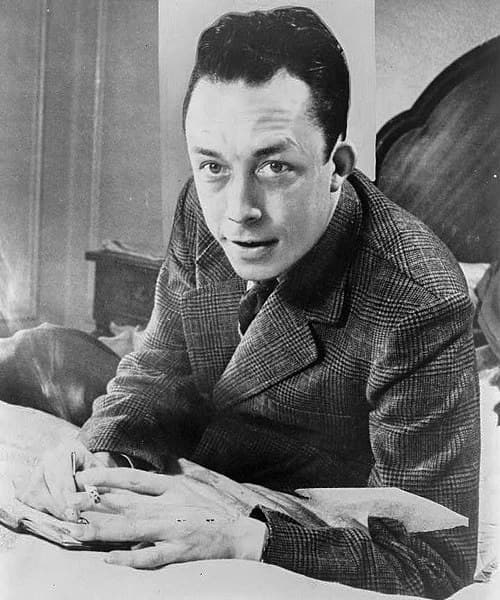
This imaginary interview was generated by artificial intelligence from sources documented in Jean Anouilh's profile. It dramatises what the figure might have said based on what we know about them, but does not constitute attested historical testimony. For primary sources and factual documentation, refer to the full profile.