Imaginary interview with Nellie Bly
by Charactorium · Nellie Bly (1864 — 1922) · Exploration · Literature · 5 min read

New York, a winter evening, in a smoky café on Park Row, a stone's throw from the presses that rumble until dawn. Nellie Bly, her hat still dusted with snow, sets her small leather bag on the table and orders a strong coffee. The watch that went around the world still ticks on her wrist, and she agrees to tell everything—the asylum, the workshop, the sea.
—How, without a trade or experience, did you get into journalism?
I was eighteen and penniless in my profession. One morning in 1885, the Pittsburgh Dispatch published an article titled "What Girls Are Good For," which told me, with great learning, that my place was in the home, between the cradle and the stove. Anger served as my pen. I wrote to the newspaper, signing Lonely Orphan Girl, to tell them that "your article on 'What Girls Are Good For' is a disgrace to your paper." I expected nothing, perhaps the wastebasket. Instead, the editor-in-chief published a call to find the author of that furious letter, then offered me a job. That's how a child's indignation, without any credentials, became a livelihood.
Anger served as my pen.
—What did the city of Pittsburgh, where it all began, teach you?
Pittsburgh was a city of smoke and iron, where the fortunes of the ironmasters were built on the backs of workers. That's where I was born Elizabeth Jane Cochran, where I saw up close what the Gilded Age—that Gilded Age whose surface everyone loves to varnish—hid beneath in misery. My first articles at the Dispatch were about factory workers, divorced women, unwed mothers that polite society preferred not to see. I was soon relegated to the fashion and gardening pages, as befits a lady. I preferred to leave for Mexico, then New York. I never believed one had to write in white gloves.
—Do you remember the moment you decided to feign madness?
The idea came from the New York World: could I get myself committed and come out alive, with a story? 1887. I practiced in front of my mirror, staring into space, laughing without cause, stringing together nonsensical sentences. The doctors saw nothing—or wanted to see nothing. Ten days on Blackwell's Island: ice baths poured by the bucket on the back of my neck, vile food, attendants who pinched and slapped. The worst wasn't the cruelty; it was the logic: once the door closed, no reason, no protest could get you out. I later wrote that this asylum was "a human rat-trap. It is easy to get in, but once there it is impossible to get out."
The worst wasn't the cruelty; it was the logic.
—What happened after the publication of Ten Days in a Mad-House?
The story first appeared in the World, as a serial, then in volume under the title Ten Days in a Mad-House. The scandal was immediate. A grand jury summoned me, and I accompanied the investigators to Blackwell's Island—where, as if by magic, the kitchens had become clean, the patients better treated, and several of the most abused had disappeared. The city nevertheless voted considerable funds for the insane. That's what I was after: not that people pity me, but that they change something. A report that disturbs no one hasn't earned its ink. That day I understood that my profession could move walls, not just fill columns.
—How did you go about investigating incognito among the workers?
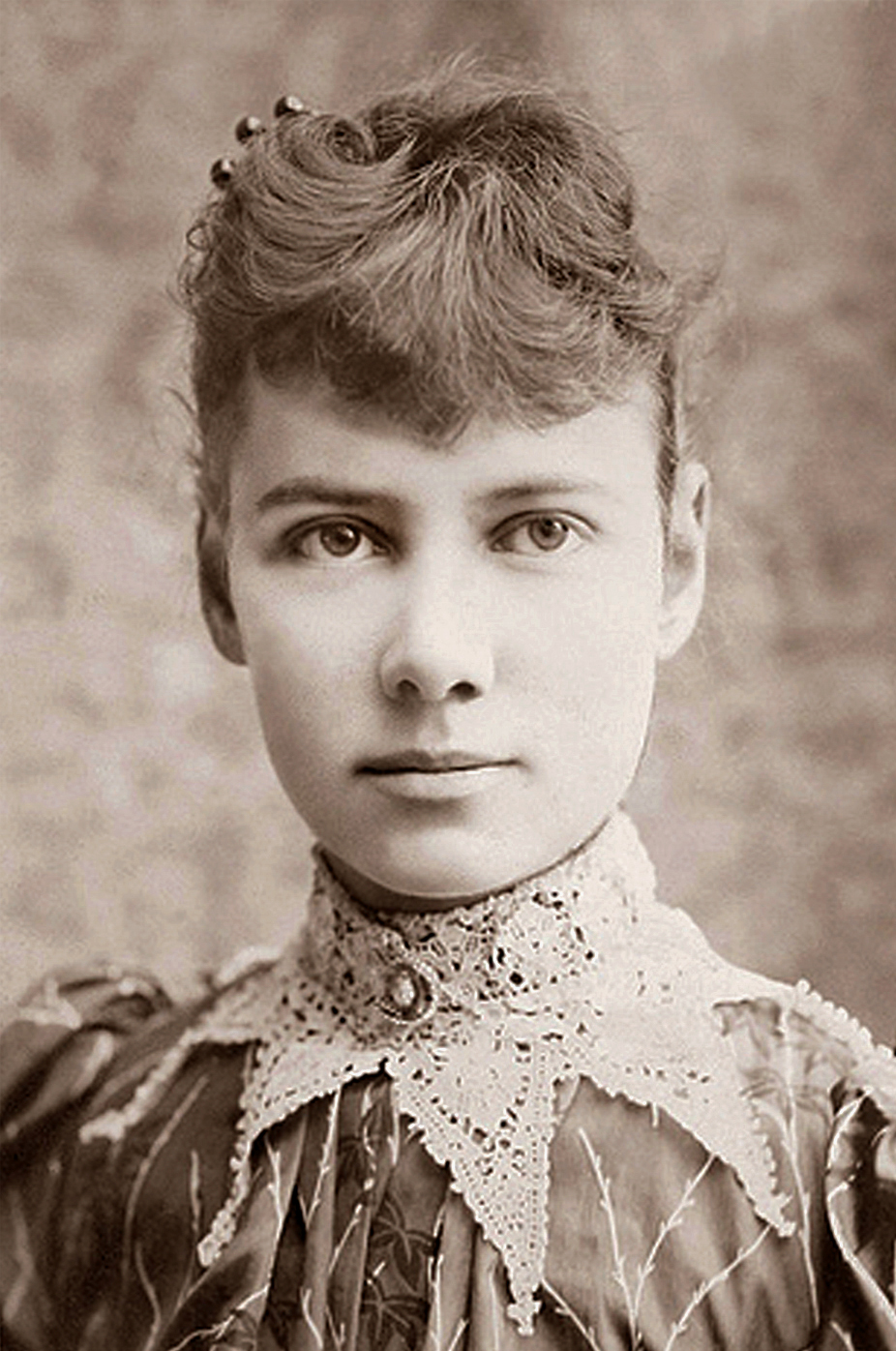
Stunt journalism, they called it—that journalism of the spectacular where you don't just tell, you do. For my articles on the working women of New York, I slipped into the workshops as one of them, apron tied and hands chapped. You don't pull out a notebook under a foreman's nose: I engraved everything in my memory and only put details on paper at night, by gaslight. I saw little girls sewing twelve hours for a few cents, tenements where ten souls crowded into a single room. I was accused of playing a role; I replied that the only way to know people's lives is to share them, even for a day.
—What did you say to those who thought your methods too spectacular?
I was called an actress, they said I turned news into a circus act. But the investigative journalism I practiced was no mere entertainment: if I got myself committed or became a worker, it was to report what no official report would ever admit. The press of my time, that Yellow Press so despised, at least had this merit: it spoke loudly, and it was heard all the way to the mayor's office. I always held that nothing is impossible—"nothing is impossible if one applies a certain amount of energy in the right direction." The rest is just an excuse for the lazy.
—Why did you want to go around the world, and alone?
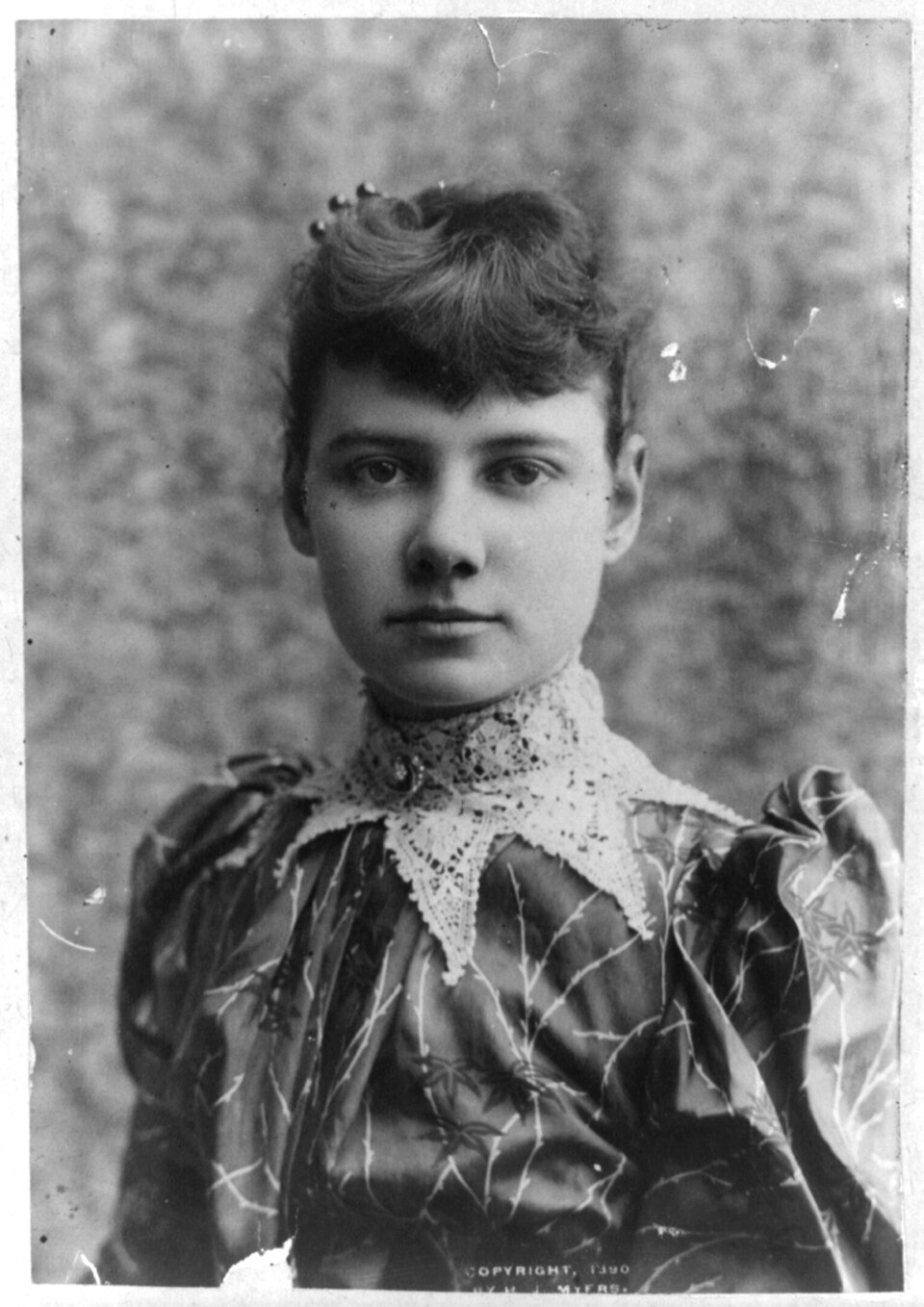
In November 1889, I left New York with only one dress on my back, a coat, and a small leather travel bag that held all my luggage. The challenge: to beat the eighty days of Mr. Verne's Phileas Fogg. I was warned that a woman needed trunks, a chaperone, a man to guide her—nonsense. Steamships, trains, rickshaws: I consulted my pocket watch as one watches a heart beating too fast, because with every missed connection the record slipped away. I returned in seventy-two days, six hours, and eleven minutes. A woman, a bag, a watch: that was all it took to go around the Earth.
A woman, a bag, a watch: that was all it took to go around the Earth.
—What do you remember from your meeting with Jules Verne in Amiens?
I made a detour to Amiens, at the start of my journey, to shake the hand of the man whose novel had set me on the roads. Jules Verne received me at his home, following my route on a large wall map, gently doubting I would make it. He wished me good luck; upon my return, he sent me a telegram of congratulations, of which I remain prouder than of many trophies. Further on, in Yokohama, I discovered a Japan of such courtesy that it confounded me, and I brought back—I admit—a little monkey that kept me company all the way to America. A novelist's dream become my railway timetable: that is what I cherished in that journey.
—What did it mean, for a woman of your time, to live by her pen?
Living alone, in a rented apartment in Manhattan, earning my bread by signing my articles: that was considered an extravagance. Pulitzer's New York World displayed my name on the front page, in big headlines, read every morning by hundreds of thousands of people—and that name was a woman's. I was not a platform suffragette, I did not march with banners; but showing that a woman could do this job as hard as a man, and sometimes better, was my way of pleading. The Gilded Age gilded the parlors of the rich; I preferred to light up the cellars. My independence, I begged from no one: I earned it column after column.
—At over fifty, what drove you to the front of the Great War?
In 1914, when people thought I had settled down, I left to cover the Austro-Hungarian front for the New York Evening Journal. I saw the trenches, the cold, the wounded—war up close, as I always wanted to see things, not from an armchair but with my feet in the mud. People were surprised that a woman my age would venture where few men dared; but I never knew how to tell what I had not seen with my own eyes. All my life, I believed you had to enter into things to bear witness—the asylum, the workshop, the round-the-world trip, and now the war. You don't change your nature at fifty: you simply push it further.
You don't change your nature at fifty: you simply push it further.
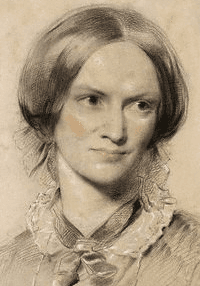
This imaginary interview was generated by artificial intelligence from sources documented in Nellie Bly's profile. It dramatises what the figure might have said based on what we know about them, but does not constitute attested historical testimony. For primary sources and factual documentation, refer to the full profile.