Kids interview Rita Levi-Montalcini
by Charactorium · Rita Levi-Montalcini (1909 — 2012) · Sciences · 4 min read
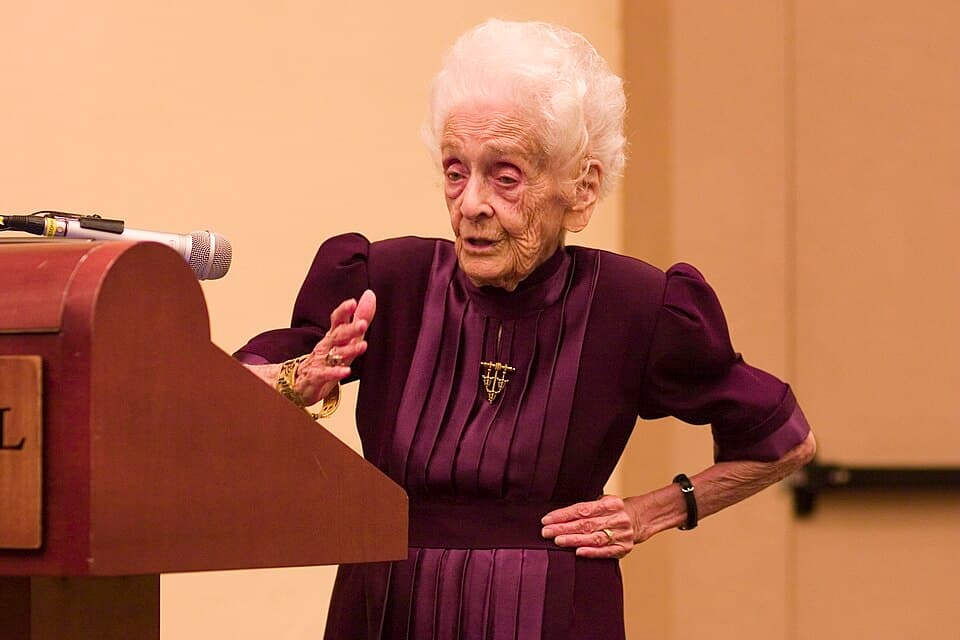
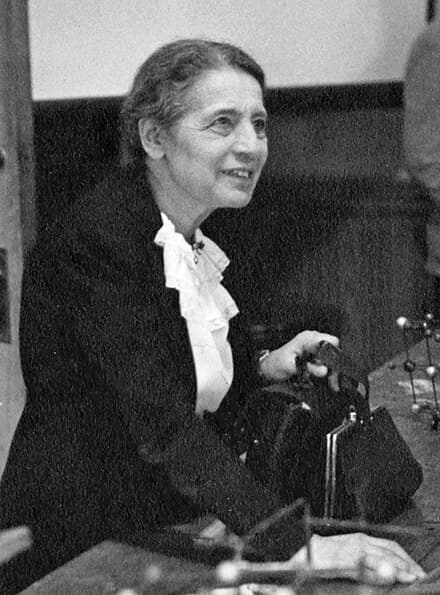
Two twelve-year-old students, on a school field trip, pushed open the door of a lab full of microscopes and flasks. An elegant old lady in a spotless white coat waited for them with a smile. Her name was Rita Levi-Montalcini, and she had spent her life watching nerves grow.
—Is it true you had a secret laboratory in your bedroom?
Yes, my child, it's quite true. In 1938, Mussolini's regime passed the leggi razziali, the racial laws. Because my family was Jewish, I was banned from working at the university. So I set up a small laboratory in my bedroom in Turin. Picture a nightstand with a microscope, some fine tools, and chicken eggs I got from the black market. I dissected embryos on my bed. You see, they thought they could take science away from me. But a bedroom is enough to observe the world when you really want to.
A bedroom is enough to observe the world when you really want to.
—Were you afraid when you had to flee with your equipment?
Afraid, yes. In 1943, bombs were falling on Turin. With my family, we left for Florence, under false names, like ghosts who had no right to exist. I put my microscope and precious embryos in a simple suitcase. Imagine carrying what matters most in the world in a bag, hoping no one looks too closely. My heart was pounding. But abandoning my research would have been giving them reason. So I held the suitcase tight and kept going.
Abandoning my research would have been giving them reason.
—What was the most beautiful moment of your entire scientific life?
Ah, I remember it as if it were yesterday. In 1952, I went to Rio de Janeiro, Brazil, to work with a researcher named Hertha Meyer. There, I placed a small tumor near nerve cells in a flask. And one day, looking through the microscope, I saw something magnificent: a halo, an explosion of nerve fibers all around, like the rays of a tiny sun. In my Nobel lecture, I called it the most beautiful sight. That evening, I understood: these nerves were being nourished by something invisible.
A halo of nerve fibers, like the rays of a tiny sun.
—What exactly is the thing you discovered?
It's called NGF, the nerve growth factor. It's a tiny protein, my child—think of a chemical message, too small to see. Its job is to tell neurons, the cells of the brain and nerves: “Grow! Live! Continue!” Without this message, many neurons die. For years, I dissected ganglia from chicken embryos to understand how fibers grow. Today, my discovery helps study diseases like Alzheimer's. When you find the invisible thread that makes life grow, you change the world a little.
—How did you get to America to do your research?
After the war, an American scientist, Viktor Hamburger, had read my little articles written in secret. In 1947, he invited me to his lab at Washington University in St. Louis. Imagine: an Italian woman, driven from her home, crossing the ocean because a man believed in her work. I was supposed to stay a few months… I stayed thirty years! There, I met Stanley Cohen, and together we isolated NGF. You see, sometimes a single letter, a single invitation, can change an entire life.
Sometimes a single invitation can change an entire life.
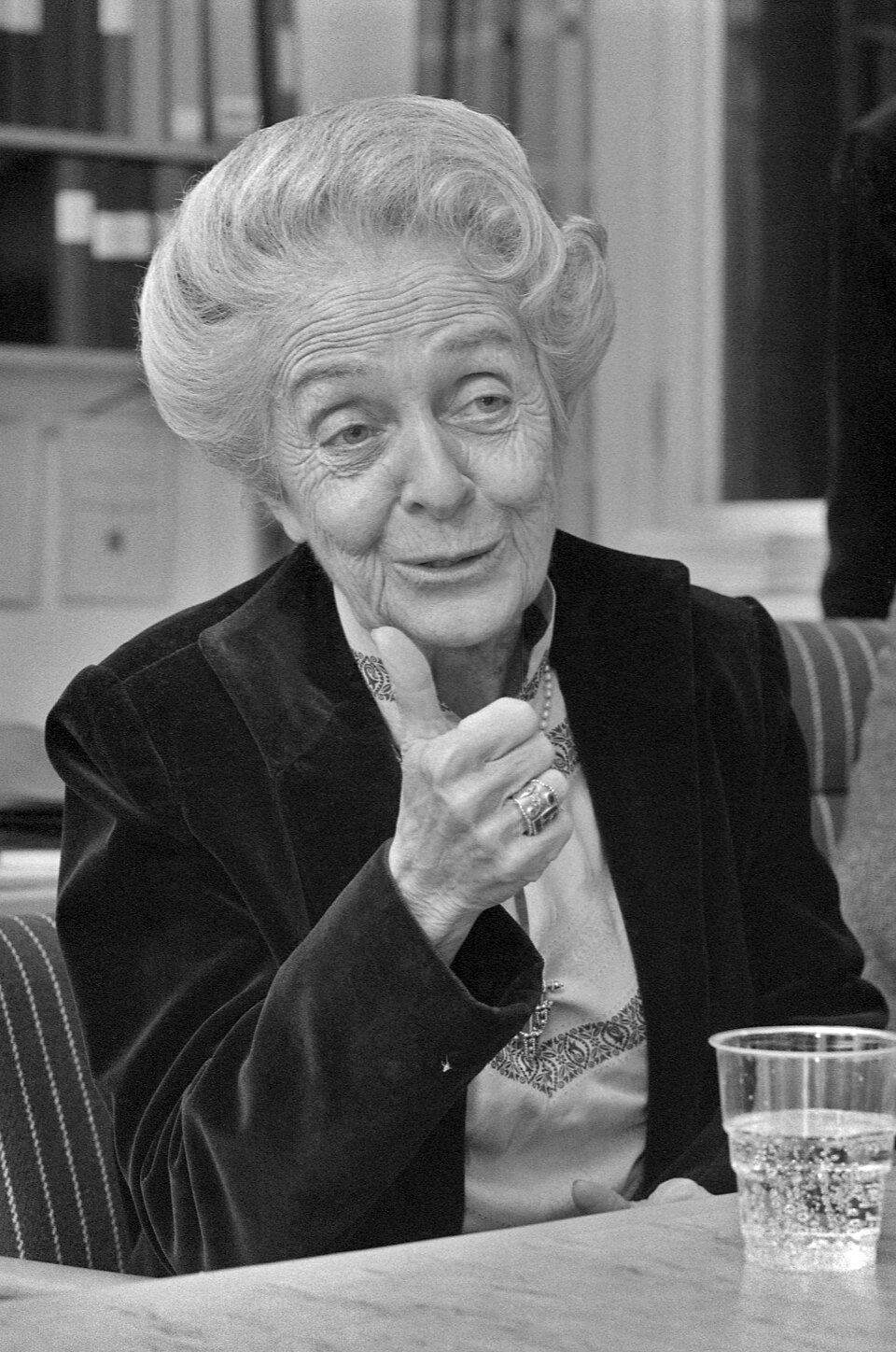
—What does it feel like to win a Nobel Prize?
I was 77 years old when they told me, in 1986! You don't really expect it at that age. I shared the prize with my friend Stanley Cohen, and in my lecture in Stockholm, I first thanked Viktor Hamburger. Without his invitation to St. Louis, my discovery would never have existed. You know, the medal is gold, it shines in a beautiful box. But what truly moved me was not the gold. It was thinking of the little woman in the secret lab, the one they wanted to silence, standing there before the whole world.
—Why did you write a book called In Praise of Imperfection?
Because I learned something, my child: no one is perfect, and that's a good thing. In 1987, I wrote Elogio dell'imperfezione, my autobiography. I tell about the day in 1938 when I heard Mussolini announce the racial laws on the radio. I didn't tremble with terror. I felt a “fredda determinazione”—a cold determination: to keep doing research, no matter what. Imagine someone telling you that you're worthless, and you calmly decide to prove them wrong through your work. Our flaws don't stop us. Often, they push us forward.
Our flaws don't stop us; often, they push us forward.
—Did you talk about your work with your family in the evenings?
In the evenings, after the lab, I would go back to my apartment full of books and journals. I wrote letters to colleagues all over Europe. And above all, I corresponded with my twin sister Paola, who was a painter. She drew the beauty of the world; I searched for how nerves are drawn in living things. Deep down, we had the same job: looking very, very closely. I ate little—a simple Italian dinner, pasta, a bit of wine. And I went to bed late, jotting down ideas on the edge of the bed. My mind never quite slept.
—Is it true you still worked when you were very, very old?
Oh yes! In 2002, at over 90, I founded a brain research institute in Rome, the EBRI. I still went there, talked with young researchers. And in 2001, I was appointed Senator for Life: a great honor in Italy, which allowed me to vote on the country's laws. Imagine a lady over 90 getting up every morning to go to work and decide important things. One day, at 97, I joked that my brain was working better than ever. Curiosity, you see, doesn't age.
Curiosity doesn't age.
—If we had to remember one thing about you, what would it be?
Remember this, my child. They tried to stop me from working because I was Jewish, because I was a woman. I dissected embryos on my nightstand, fled under a false name, crossed the ocean, and lived to 103, never stopping learning. It wasn't my intelligence that carried me so far. It was my passion, and the refusal to give up. So when someone someday tells you that you don't have the right to do what you love, remember the old lady with the microscope. And keep looking at the world with your own eyes.
When they tell you no, keep looking at the world with your own eyes.
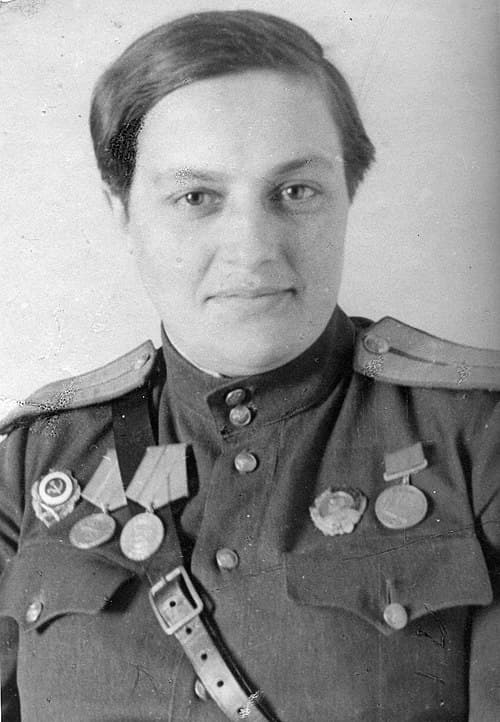
This imaginary interview was generated by artificial intelligence from sources documented in Rita Levi-Montalcini's profile. It dramatises what the figure might have said based on what we know about them, but does not constitute attested historical testimony. For primary sources and factual documentation, refer to the full profile.