Kids interview Thoth
by Charactorium · Thoth · Mythology · 5 min read
Two young visitors, on a school field trip, step through the gates of a temple in Khmenou. Before them stands a tall figure with an ibis head, a reed in hand. Thoth greets them with a calm smile and invites them to sit near his papyri.
—Is it true that you invented writing?
Yes, my child, that's what the people of the Nile say. Imagine a world where nothing remains: you speak, and the wind carries your words away. I gave the gods and humans hieroglyphs, those sacred little drawings that keep speech forever. A bird, a hand, a wave of water: each sign says something. The Pyramid Texts say that I gave form to the sacred signs. You see, when you trace a letter, you do a bit of magic. You catch a thought that was flying away, and you set it down on stone. That is my finest gift.
Writing is catching a thought before it flies away.
—And the children who wanted to write, how did they do it in your time?
Ah, they became scribes! That was a great profession, my little one. Imagine a child sitting cross-legged, back straight, a wooden palette on his lap. In that palette, two small hollows: one black ink, one red ink. He would sharpen a reed, the calamus, to trace his signs on papyrus, a sheet made from a plant of the river. It took a long time to learn, hundreds of signs! But a scribe did not carry heavy stones under the sun. He was respected. And every year, they held a festival in my honor. That touched me deeply, you know.
A scribe did not carry stones: he carried words.
—Why do you have a bird's head? That's a bit weird!
Don't laugh too quickly, my child! That bird is the ibis. It has long legs and a thin, curved beak, like a reed for writing. When it searches for food in the river mud, it looks like it is tracing signs. That's why I was given its head. But sometimes I also take the form of a large monkey, the baboon, who wakes up and cries out at dawn. The Egyptians loved these animals so much that they mummified them by the thousands, to honor me. Two very different beasts, yet both say the same thing: wisdom.
The ibis traces signs in the mud: like me, it writes the world.
—I heard you were the lord of the moon, what's the connection?
Good question! Look at the sky at night. The moon grows, then shrinks, then disappears, then returns. It counts the days for us. And I am the one who measures time, who arranges the days in order. So I was sometimes called the lord of the moon. In my great temple at Hermopolis, priests kept watch at night to observe its phases, those changing shapes. You see this crescent I sometimes wear on my head? That's her. The moon and writing go together, my child: both serve to keep track of time passing.
The moon counts the nights, and I write them down.
—What's this story about weighing the hearts of dead people?
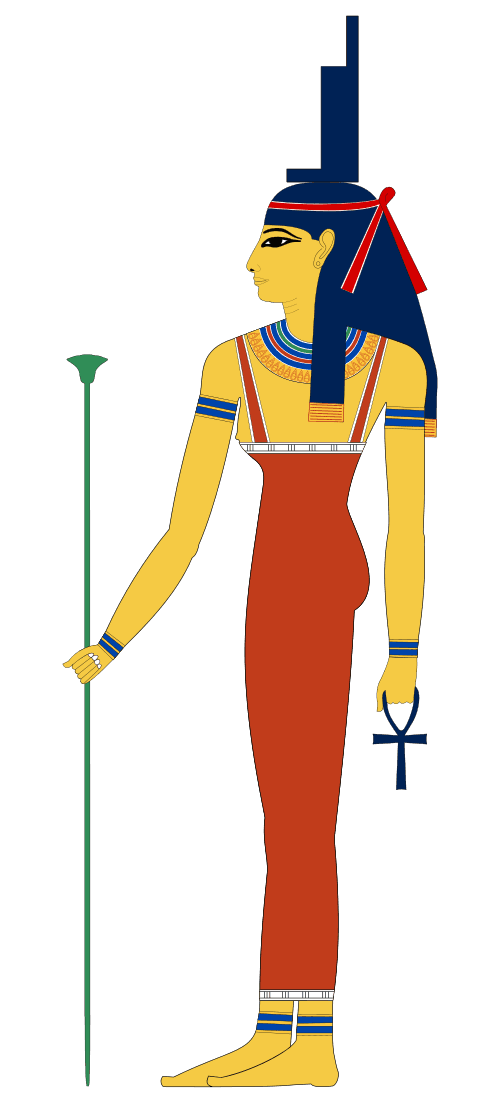
Ah, that's an important thing. When a man died, his soul came into a great hall. There, his heart was placed on a scale. On the other pan, a simple feather: the feather of Maat, the goddess of justice and truth. If the heart was as light as the feather, the man had lived righteously. If it was heavy with lies, it was terrible. And I, standing beside, wrote down the result with my reed. I never cheated. I only noted what was true. Do you understand why they said my reed was mightier than a sword?
A heart as light as a feather: that's all that was asked.
—And were you afraid when you wrote the verdict?
Afraid? No, my child. But I felt the weight of my task. Imagine: before you, a trembling soul waiting to know if it could continue its journey. The Book of the Dead, that great scroll of formulas to guide the deceased, said that I presided over this judgment. I had to remain just, calm, without anger or pity. Just true. A scribe who lies betrays everyone. So I kept my hand steady and my heart upright. Writing the truth, even when it is hard, is the highest of tasks. That is why the gods entrusted me with this reed.
Writing the truth, even when hard, is the highest of tasks.
—Did you sometimes have to calm down quarreling gods?
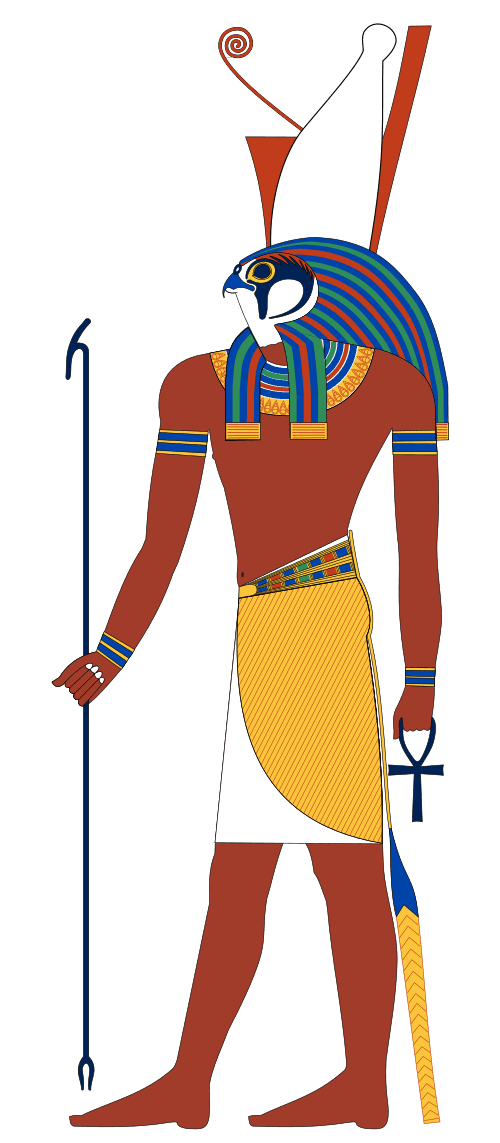
Oh yes, and it wasn't easy! The gods squabbled like brothers. The worst were Horus and Seth: they fought for a long time over who would rule. Imagine two children arguing over a toy, except the order of the world was at stake! I didn't shout louder than them. I sat down, listened to each, and sought the just solution. That's my role: to keep Maat, the balance of things. You know, in a dispute, the wisest is not the one who strikes hardest. It's the one who finds the words to reconcile.
The wisest is not the one who strikes: it's the one who reconciles.
—So were you friends with all the gods?
Let's say they all needed me, my child! I was the counselor, the one they came to when they didn't know what to do. I was called the heart and tongue of the gods: I found the right words and the right decisions. When a god was hurt or angry, I knew the formulas to calm him, for I also kept the secrets of medicine and magic. But the friendship of the powerful is fragile, you know. I remained useful to all because I remained just with all. Taking no one's side except that of truth: that's how you keep trust.
I took no one's side except that of truth.
—What was your great city like, where you were most worshipped?
My city was Hermopolis, which my people called Khmenou, in Upper Egypt. Imagine a city on the riverbank, the burning sun, and at its center a great temple full of coolness and silence. There, priests stored hundreds of papyrus rolls, like a treasure of knowledge. People came from afar to learn numbers, calculations, the phases of the moon. It was the beating heart of knowledge. In the evening, you could hear the sacred baboons crying in their enclosures. The air smelled of incense and Nile silt. For a god of wisdom, my child, there was no finer home.
A temple full of scrolls: that was my greatest treasure.
—Is it true that in other countries you were called something else?
Yes, and that's a beautiful story! Long after the time of the pharaohs, foreigners came to Egypt: the Greeks. They looked at me, this god of writing and wisdom, and said, 'But that's our Hermes!' Their god of messages and words. So they blended our two names and called me Hermes Trismegistus, which means 'thrice-great'. You see, an idea does not stop at borders. It travels, it changes name, but it continues. Like a written word you entrust to the wind, and it arrives, centuries later, to children like you.
An idea does not stop at borders: it travels and survives.
This imaginary interview was generated by artificial intelligence from sources documented in Thoth's profile. It dramatises what the figure might have said based on what we know about them, but does not constitute attested historical testimony. For primary sources and factual documentation, refer to the full profile.