 flip
flipHerb Kamakh (Fermented Keeping Condiment)
Herb Kamakh (Fermented Keeping Condiment)
Why this dish? In the kitchens of Baghdad that Abu Nuwas frequented, no stew went without its fermented enhancer. Kamakh, akin to murri, kept for weeks in a jar and brought the salty-umami depth that defined the taste of the poet's Abbasid table.
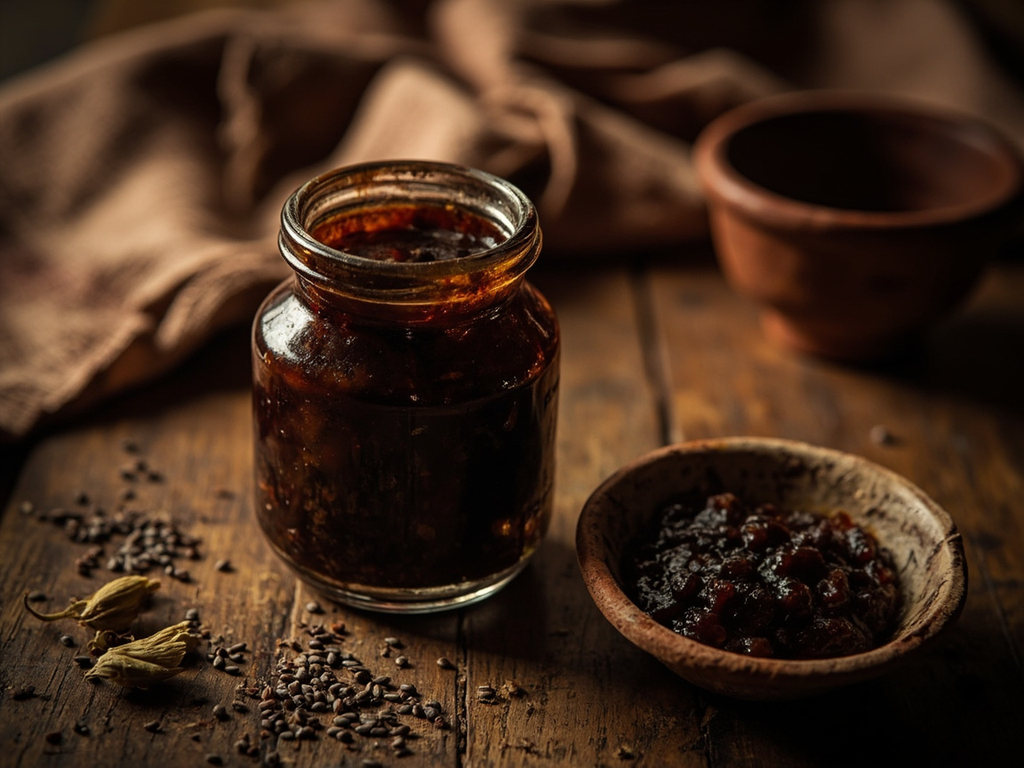
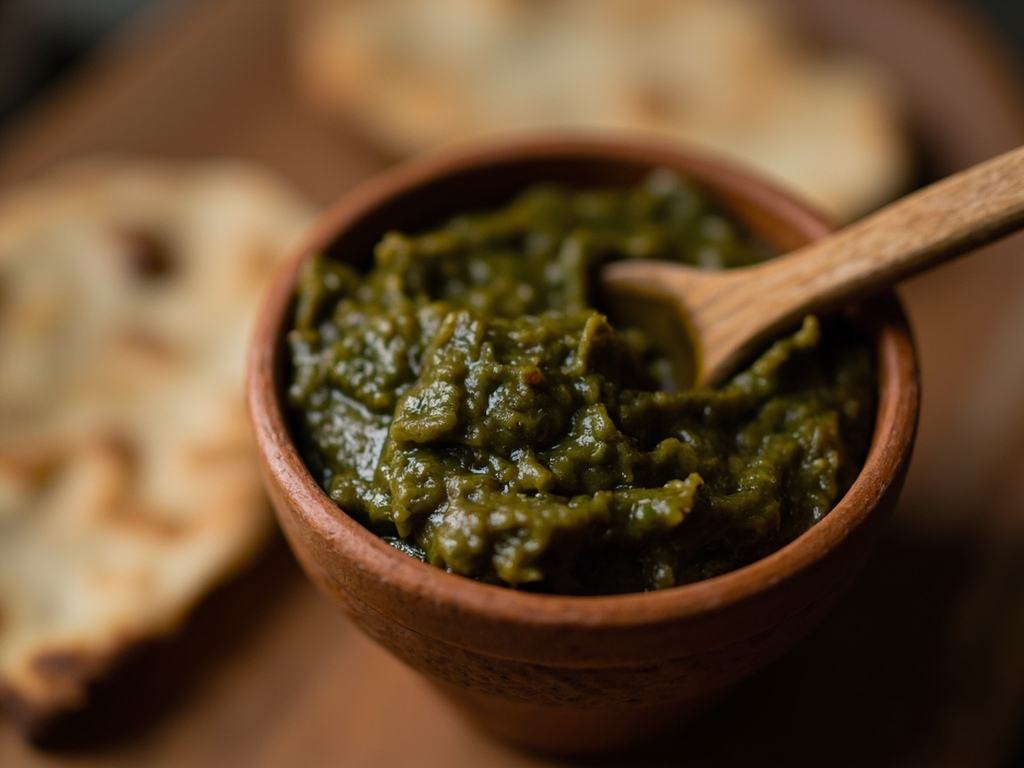
A fermented paste of herbs, curdled milk, and salt left to mature in a jar until it becomes a powerful, dark, savory condiment. Spread on bread or used to elevate dishes: it is the taste reserve that lasts through seasons, a distant ancestor of our fermented sauces.
You think flavor is born at the fire? No — it is born in the patience of the jar. I mix curdled milk, salt, and bitter herbs, seal the pot, and forget it in the shadow of weeks. When I reopen it, the smell hits you, frank and deep; a touch on the bread, and the poor man's meal equals the caliph's. That is my secret, friend: time seasons better than gold.
- •Curdled milk (laban) — a good bowl (base fermentescible)
- •Salt — generously (conservation)
- •Bitter herbs (rocket, mint, celery) — a bunch (arôme)
- •Barley flour (optional) — a handful (liant et ferment)
Herb Kamakh (Fermented Keeping Condiment)
A fermented paste of herbs, curdled milk, and salt left to mature in a jar until it becomes a powerful, dark, savory condiment. Spread on bread or used to elevate dishes: it is the taste reserve that lasts through seasons, a distant ancestor of our fermented sauces.
Why this dish? In the kitchens of Baghdad that Abu Nuwas frequented, no stew went without its fermented enhancer. Kamakh, akin to murri, kept for weeks in a jar and brought the salty-umami depth that defined the taste of the poet's Abbasid table.
You think flavor is born at the fire? No — it is born in the patience of the jar. I mix curdled milk, salt, and bitter herbs, seal the pot, and forget it in the shadow of weeks. When I reopen it, the smell hits you, frank and deep; a touch on the bread, and the poor man's meal equals the caliph's. That is my secret, friend: time seasons better than gold.
Ingredients (period version)
- Curdled milk (laban) — a good bowl (base fermentescible)
- Salt — generously (conservation)
- Bitter herbs (rocket, mint, celery) — a bunch (arôme)
- Barley flour (optional) — a handful (liant et ferment)
Ingredients
- Thick Greek yogurt or labneh — 300 g (base fermentescible)
- Salt — 2 tsp (conservation)
- Chopped rocket and mint — a good handful (arôme)
- Chopped celery leaves — a handful (arôme)
- Toasted barley flour — 1 tbsp (liant)
Method
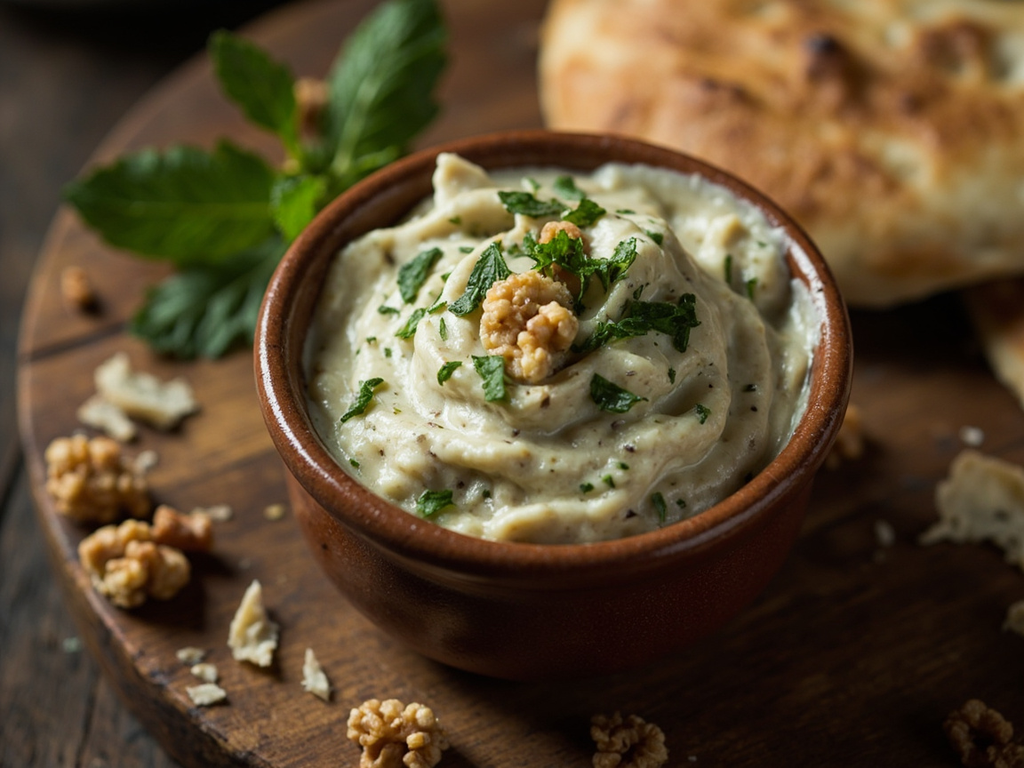
- Mix the thick yogurt, salt, and finely chopped herbs.
- Incorporate the toasted barley flour to thicken.
- Pack into a clean jar, cover with a cloth, and let ferment 3 to 5 days at room temperature, stirring daily.
- Taste: the paste should become pungent and deeply savory; add more salt if needed.
- Store in the fridge and use in small touches on bread or in stews.
- Quick and safe version for young audiences: serve the herb-yogurt-salt mixture the same day, without prolonged fermentation.
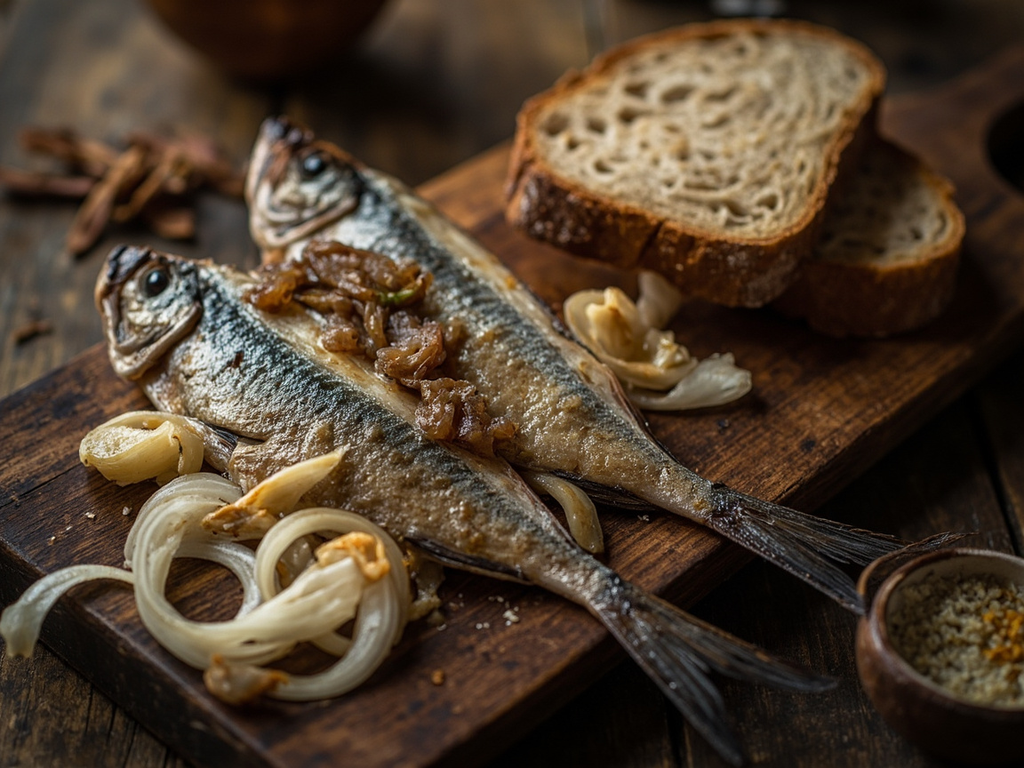
How it was made : Kawamikh (plural of kamakh) were fermented keeping condiments, with dozens of recipes in Abbasid books: based on milk, fish, herbs, or moldy barley. Like murri, they provided umami before the era of bouillon cubes, and allowed flavors to be preserved from one season to another in sealed jars.
The contemporary twist : Present it as a "Tigris miso" to spread on toast: fermentation pedagogy from Japan to Baghdad.
Sources : Nawal Nasrallah, Annals of the Caliphs' Kitchens (2007) ; Charles Perry, A Baghdad Cookery Book (2005)
Abu Nuwas · Charactorium