 flip
flipKāmakh Aḥmar — Fermented Condiment with Murrī
Kāmakh Aḥmar — Fermented Condiment with Murrī
Why this dish? For a man of frugal and regulated habits like Alhazen, kāmakh was the faithful pantry reserve: a pot that keeps for months and turns simple bread into a meal. The patience of its sun maturation is not unlike the methodical rigor of the scholar who repeated his observations before concluding.
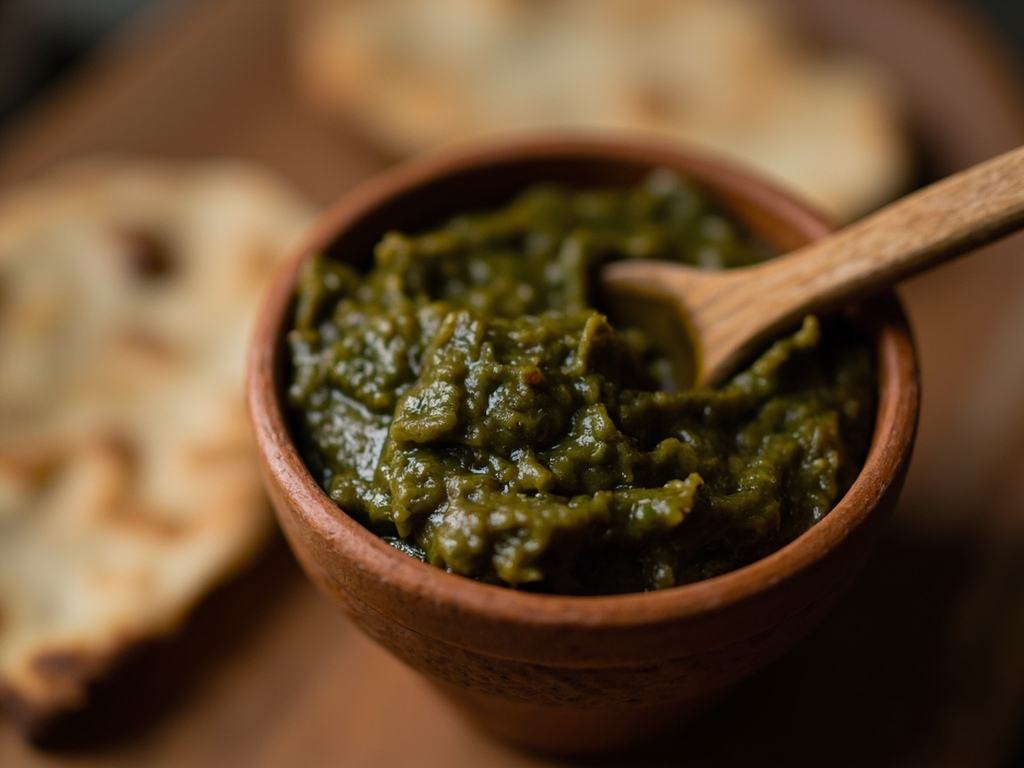
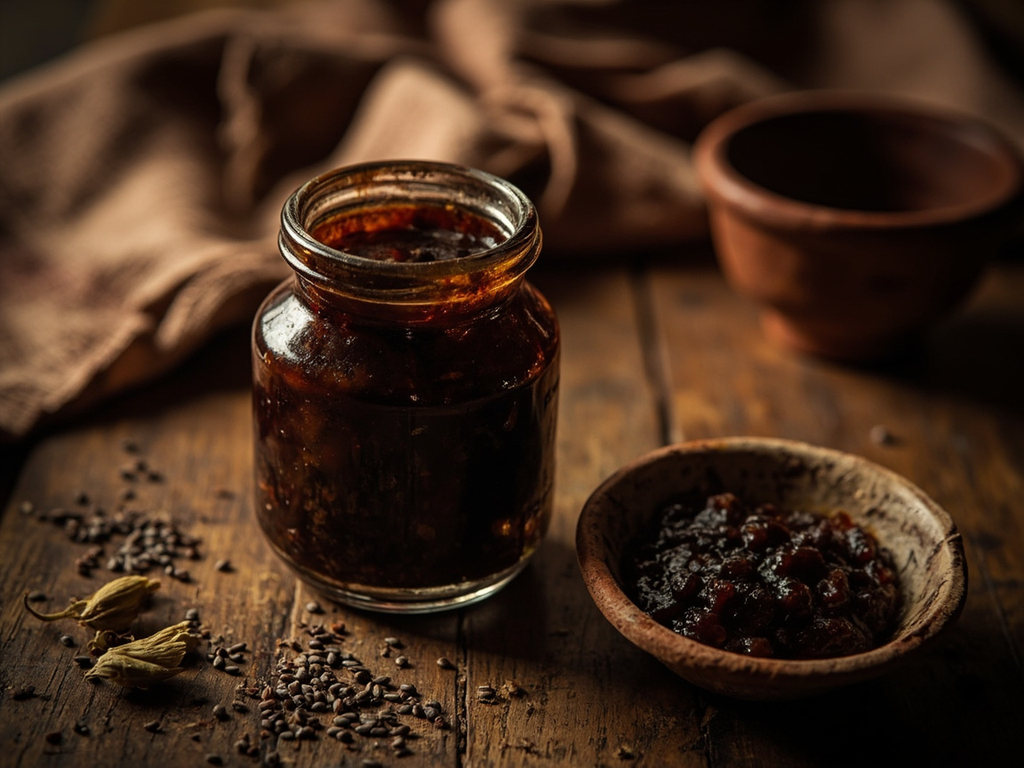
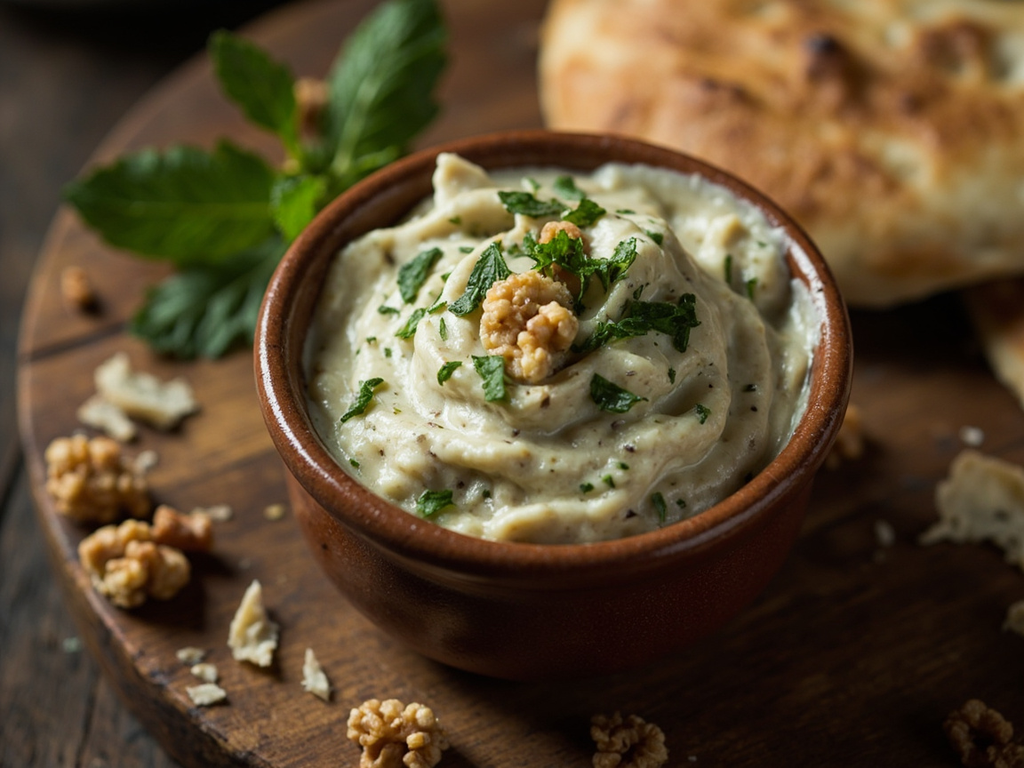
A thick, deeply savory condiment paste, made from murrī, dried curdled milk, and herbs, left to ripen. A dab is used to enliven bread, vegetables, or porridges — a concentrated taste that keeps well.
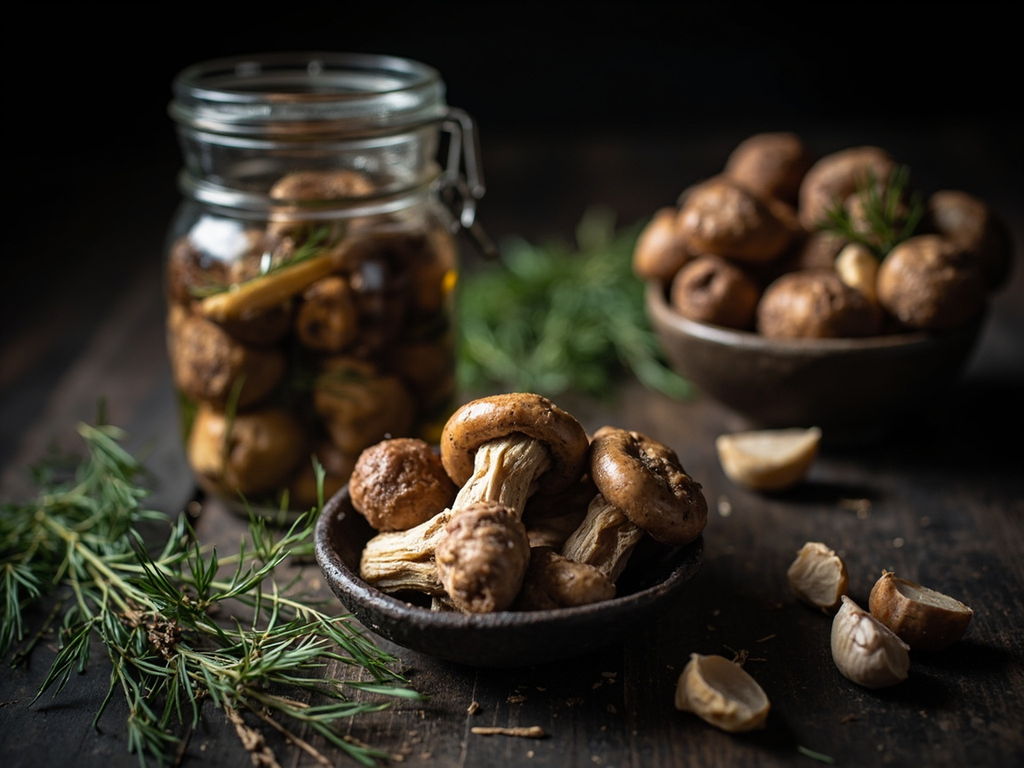
Learn the virtue of patience, for it is as valuable in cooking as in science. This condiment is not hurried: you mix murrī with dried curdled milk, herbs, and salt, then forget it in a pot in the shade, and time does the work that the hand cannot. When scarcity comes or the night of study, a dab of kāmakh on bread, and you are restored. I always kept a pot; it never betrays.
- •Murrī (fermented barley base) — generous (umami foundation)
- •Dried curdled milk (kashk/jamīd) — one part (body and lactic acidity)
- •Herbs (mint, rue, celery) — a bunch (aromatic freshness)
- •Salt — for preservation (preservation)
- •Walnuts (optional) — a handful (texture)
Kāmakh Aḥmar — Fermented Condiment with Murrī
A thick, deeply savory condiment paste, made from murrī, dried curdled milk, and herbs, left to ripen. A dab is used to enliven bread, vegetables, or porridges — a concentrated taste that keeps well.
Why this dish? For a man of frugal and regulated habits like Alhazen, kāmakh was the faithful pantry reserve: a pot that keeps for months and turns simple bread into a meal. The patience of its sun maturation is not unlike the methodical rigor of the scholar who repeated his observations before concluding.
Learn the virtue of patience, for it is as valuable in cooking as in science. This condiment is not hurried: you mix murrī with dried curdled milk, herbs, and salt, then forget it in a pot in the shade, and time does the work that the hand cannot. When scarcity comes or the night of study, a dab of kāmakh on bread, and you are restored. I always kept a pot; it never betrays.
Ingredients (period version)
- Murrī (fermented barley base) — generous (umami foundation)
- Dried curdled milk (kashk/jamīd) — one part (body and lactic acidity)
- Herbs (mint, rue, celery) — a bunch (aromatic freshness)
- Salt — for preservation (preservation)
- Walnuts (optional) — a handful (texture)
Ingredients
- Soy sauce or light miso (murrī substitute) — 3 tbsp (fermented umami foundation)
- Very thick Greek yogurt or labneh — 200 g (body and lactic acidity)
- Fresh mint — a small bunch, chopped (freshness)
- Celery stalk with leaves — 1, finely chopped (vegetal aroma)
- Salt — 1 tsp (preservation and taste)
- Crushed walnuts — 30 g (texture (optional))
Method
- Drain the yogurt in a cheesecloth for 12 to 24 hours in the fridge to obtain a very firm labneh (skip if using labneh).
- Mix the labneh with soy sauce (or miso), salt, chopped mint, and celery.
- Incorporate walnuts if desired. Pack into a clean pot.
- Let mature 2 to 3 days in the fridge for flavors to meld (the authentic version fermented for weeks at room temperature).
- Serve a small amount, spread on bread or as an accompaniment to vegetables.
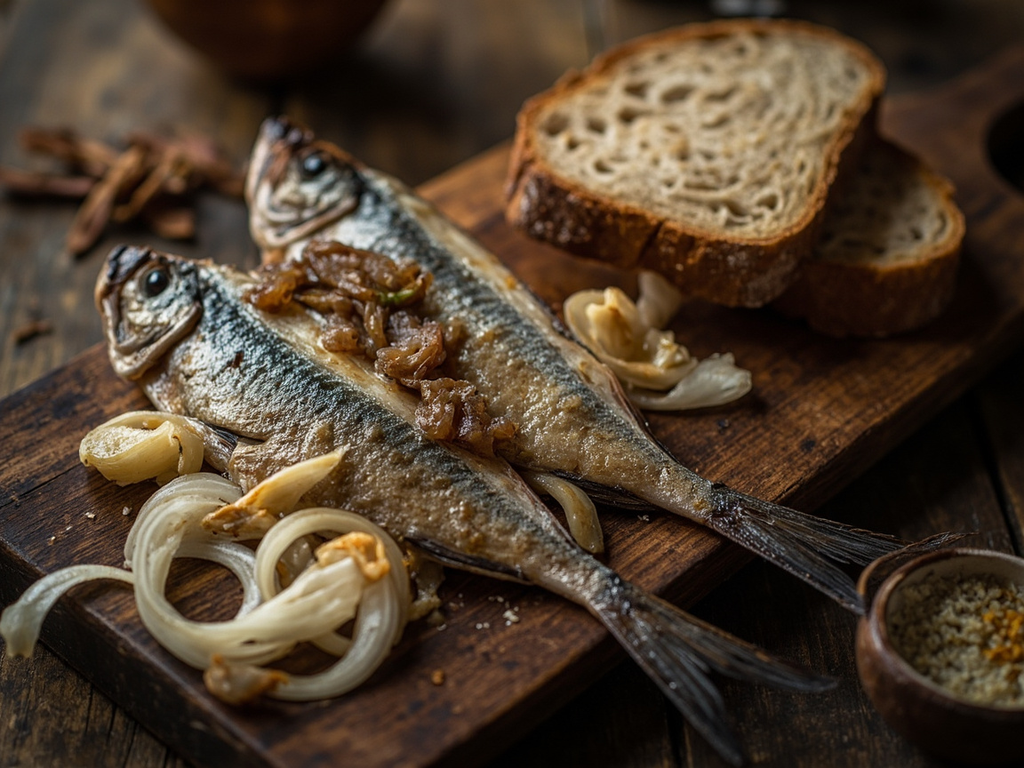
How it was made : Kawāmīkh (plural of kāmakh) are a family of fermented condiments highly prized in Baghdad; kāmakh aḥmar ("red", for its dark color) appears in medical and culinary collections. They were left to ferment in the sun until developing a perfect strong taste. In an era without refrigeration, these salty and tangy preparations were an insurance against hunger and a treasure of flavor, also recommended by physicians to "open the appetite."
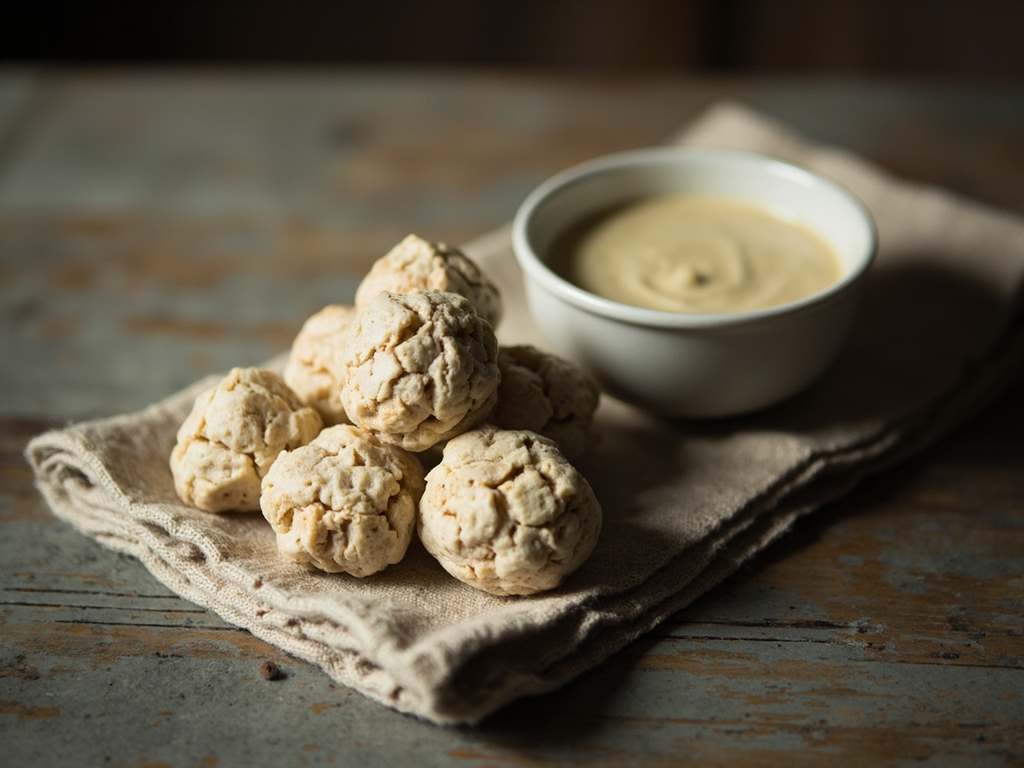
The contemporary twist : Present it as a quenelle on a slate with crunchy vegetable sticks, dip-style — a "fermented hummus" from medieval Arabia.
Sources : Nawal Nasrallah, Annals of the Caliphs' Kitchens (al-Warrāq's Kitāb al-Ṭabīkh)
Alhazen · Charactorium