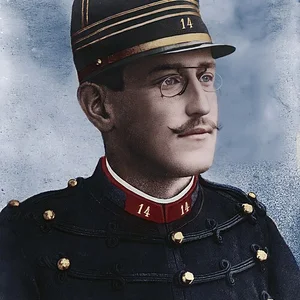

French army officer of Alsatian and Jewish origin (1859–1935). He was wrongly accused of espionage in 1894, triggering the Dreyfus Affair, one of the greatest political crises of the Third Republic. His innocence was officially recognized in 1906, marking a turning point in the fight against antisemitism in France.
Alfred Dreyfus(1859 — 1935)
Alfred Dreyfus
France
8 min read
Frequently asked questions
Key Facts
- 1894: Wrongly accused of espionage and treason on behalf of Germany
- 1895: Convicted and deported to Devil's Island penal colony
- 1898: Publication of Émile Zola's 'J'accuse', a turning point in public opinion
- 1906: Official rehabilitation and reinstatement into the army with the rank of general
- 1935: Death in Paris, a symbol of the fight against antisemitism
Works & Achievements
Dreyfus is wrongfully convicted of espionage on behalf of Germany and imprisoned on Devil's Island. This unjustified conviction, based on fabricated evidence, triggers the Dreyfus Affair, one of the greatest political crises of the Third Republic.
Thanks to the efforts of defenders such as Émile Zola and the Dreyfusards, the case is retried and Dreyfus is exonerated in 1906. His officially recognized innocence marks a major turning point in the fight against antisemitism in France.
Reinstated in the army, Dreyfus participates in the First World War as an artillery officer, thereby demonstrating his loyalty to France despite the ordeals he had endured.
The Dreyfus Affair becomes a major catalyst for republican values and the separation of Church and State. Dreyfus's struggle inspires the defense of human rights and leaves a lasting mark on French political consciousness.
Dreyfus publishes his memoirs and accounts of the Affair, contributing to the historical documentation of this major crisis and raising awareness among future generations of the dangers of injustice and antisemitism.
Anecdotes
In 1894, Alfred Dreyfus was arrested after being accused of selling military secrets to Germany. Although the evidence was flimsy and based on handwriting allegedly similar to his own, he was sentenced to death in December 1894. This conviction triggered a political storm that would divide France for more than ten years.
In 1895, Dreyfus was sent into exile on Devil's Island, off the coast of French Guiana, where he endured extremely harsh prison conditions. He remained imprisoned there for four years, completely isolated and shackled, all while proclaiming his innocence. This inhumane detention strengthened his supporters' conviction that his condemnation had been unjust.
In 1896, Colonel Picquart discovered that the real culprit was Major Esterhazy, an indebted officer who was genuinely selling secrets to Germany. Despite this evidence, the French army refused to admit its mistake and even attempted to conceal the truth in order to protect its institutional honour.
On 13 January 1898, the celebrated writer Émile Zola published his open letter 'J'accuse' in the newspaper L'Aurore, denouncing the conspiracy against Dreyfus and the injustice of his conviction. This courageous act mobilised public opinion and gradually shifted the debate in Dreyfus's favour.
In 1906, twelve years after his first conviction, Dreyfus was definitively exonerated and reinstated in the French army with the rank of Major. This official rehabilitation marked the victory of justice and truth over the antisemitism and institutional prejudice that had persecuted him.
Primary Sources
I energetically protest against the accusation brought against me. I am innocent and I demand that justice be done. My honor as a French officer is at stake.
These years of suffering taught me to know the depth of hatred and injustice. But they also showed me the strength of those who fight for truth and for justice.
The appeal for review is granted. Alfred Dreyfus is rehabilitated and declared innocent of all the charges imputed to him.
I write to tell you that your cause is that of justice and truth. The efforts we are making together will bear fruit.
Officer Dreyfus is suspected of having handed over secret military documents to a foreign power. A thorough investigation is ordered.
Key Places
Alfred Dreyfus's birthplace in 1859. It is in Alsace, a region marked by identity tensions after 1871, that the man who would become one of the leading figures in the fight against antisemitism was born.
The institution where Dreyfus received his officer training. It was in this prestigious military context that he joined the French army before the Affair.
The detention site where Dreyfus was imprisoned following his conviction in 1894. This penal colony symbolizes the injustice he suffered throughout his affair.
The institution where Dreyfus's retrial took place. His acquittal in 1906 by the Court of Cassation marked the official recognition of his innocence and a turning point for the Republic.
A commemorative site in Rennes where the second court-martial was held in 1899. This place of remembrance recalls the judicial stages of the Dreyfus Affair.
Dreyfus is honored here as a symbol of the defense of justice and human rights. His legacy contributes to the republican values of the Third Republic.
Typical Objects
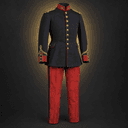
Military dress of the Third Republic worn by Dreyfus as a captain of artillery. This uniform symbolizes his integration into the French military institution, before becoming central to the scandal of his arrest and public degradation in 1895.
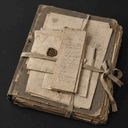
The collection of judicial documents, letters, and pieces of evidence (including the disputed bordereau) used as dubious proof against Dreyfus. These archives embody the institutional bad faith and the failing justice system of the era.
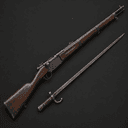
Standard weapon of the French infantry in the late 19th century. Dreyfus, an artillery officer, was supposedly accused of having sold military secrets concerning French armaments, which formed the basis of the charges against him.

Newspapers such as L'Aurore that covered the Affair and published Émile Zola's famous letter 'J'accuse' in 1898. The press was a major vehicle for public debate and the gradual rehabilitation of Dreyfus.
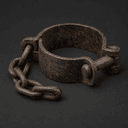
Prison in French Guiana where Dreyfus was deported from 1895 to 1899. This penal colony symbolizes the unjust punishment inflicted on the captain and became emblematic of the personal tragedy he endured.
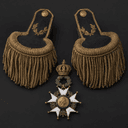
Insignia of his officer's rank that were stripped from him during his public degradation in 1895, a humiliating scene widely documented. Their restoration in 1906 marked his official rehabilitation.
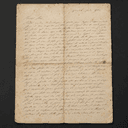
Correspondence written by Dreyfus during his exile on Devil's Island and his years of rehabilitation. These writings bear witness to his moral resilience and constitute essential historical sources on the Affair.
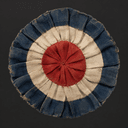
National symbol of the French Republic. The Dreyfus Affair pitted those who defended the nation against what they saw as a threat, against those who defended the honor of the Republic through justice and civic equality.
School Curriculum
Vocabulary & Tags
Key Vocabulary
Tags
Concept
Daily Life
Morning
Alfred Dreyfus rises early, in keeping with strict military custom. He carefully puts on his French Army officer's uniform, observing the institution's rigorous dress codes. His breakfast is frugal: coffee and bread, taken quickly before heading to the Army General Staff.
Afternoon
His afternoons are devoted to his duties as a trainee officer at the École supérieure de guerre or at the General Staff. He attends meetings, handles military files, and pursues ongoing training in strategy and military administration. He maintains professional relationships with his fellow officers in a hierarchical and formal atmosphere.
Evening
In the evenings, Dreyfus spends time with his family, particularly with his wife Lucie Hadamard, whom he married in 1890. He dines at a restaurant or returns to his Parisian home. He may read the press, correspond with military friends, or broaden his knowledge through reading.
Food
As an officer of the Parisian bourgeoisie, Dreyfus follows a classic 19th-century diet: roasted meats, fish, seasonal vegetables, cheeses, and fruit. Meals are taken at regular hours in accordance with social conventions. According to some sources, as an observant Jew, he adheres to certain Jewish dietary laws.
Clothing
Dreyfus wears his military officer's uniform on weekdays: a navy blue tunic, trousers with a red stripe, regulation kepi, and the insignia of his rank. In civilian dress, he follows Parisian bourgeois fashion: a dark suit, white shirt, tie, and top hat. His appearance is neat and formal, in keeping with the demands of his social standing.
Housing
Dreyfus lives in a Parisian apartment in the upper-middle-class style, likely in the 6th or 7th arrondissement. His home is furnished with the comfort typical of the upper middle class: elegant furniture, a library, coal heating. It is in this setting that he lives with his family, away from the barracks, like many officers of his rank.
Historical Timeline
Period Vocabulary
Visual Style
Un style réaliste académique de la fin du XIXe siècle, combinant la rigueur du portrait officiel militaire avec une dimension psychologique intense. L'ambiance évoque les peintures judiciaires d'époque et la gravité institutionnelle de la IIIe République.
Sound Ambience
Une ambiance sonore immersive des institutions judiciaires et militaires de la IIIe République, évoquant la tension dramatique du procès de Dreyfus avec les bruits formels des audiences, les murmures inquiets et l'atmosphère pesante d'une crise politique majeure.
Liens externes & ressources
Références
Œuvres
Condamnation et emprisonnement à l'Île du Diable
1894-1899
Révisionnisme du procès et révision en 1906
1906
Participation à la mobilisation de 1914-1918
1914-1918
Symbole de la défense des droits individuels et de la justice
1894-1935
Promotion de la mémoire et du témoignage
1901-1935