 flip
flipAndalusian Sardine Escabeche
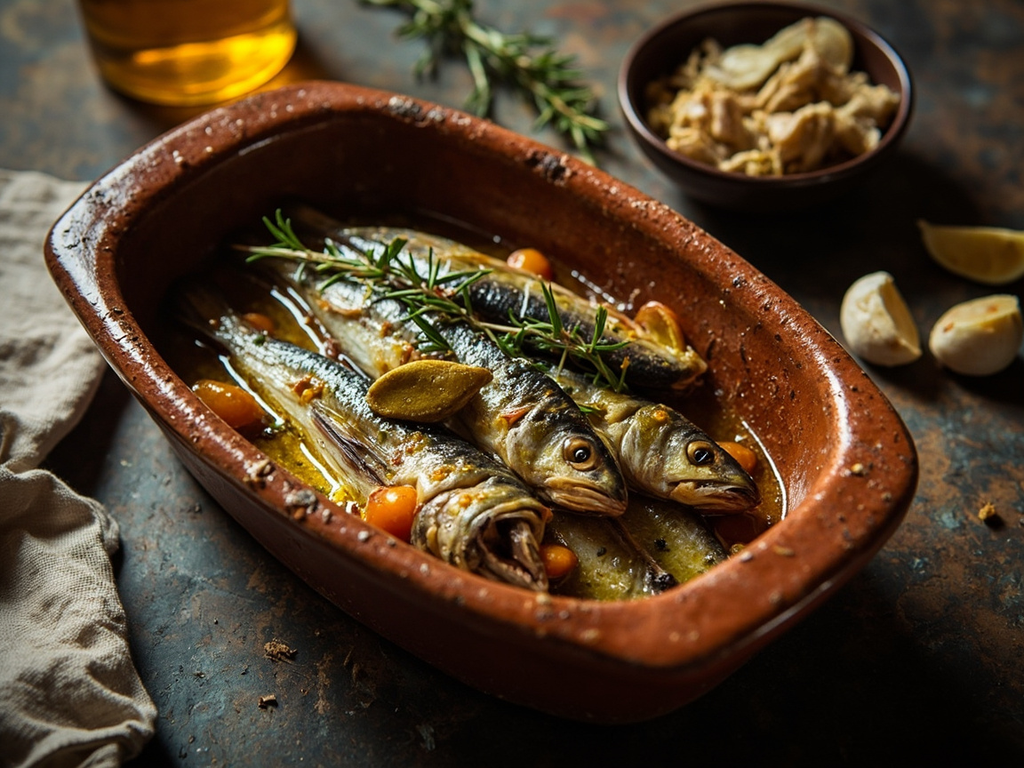
Andalusian Sardine Escabeche
Why this dish? The Iberian art of preserving fish in vinegar, which Vespucci must have encountered in Seville, a river port where fish was prepared to keep for weeks.
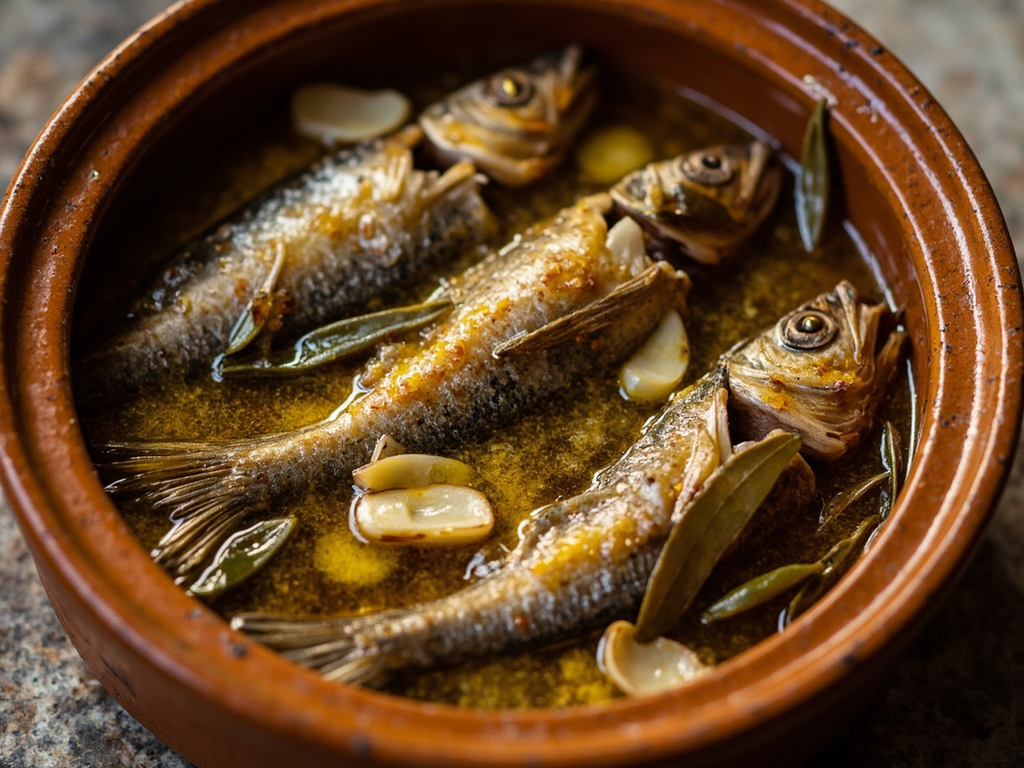
Small fish fried then submerged in a warm spiced vinegar bath, which preserves them for several days and flavors them. A sweet-and-sour technique inherited from the Arab sikbaj.
Fish is treacherous: one hot day and it is lost. So the people of Seville do this to keep it: first they fry it, then they lay it in hot vinegar with garlic, bay, and saffron. Thus treated, it keeps for many days, and its sourness awakens the salt-weary mouth. I have had it carried in a barrel, hoping to cheat the length of the crossing.
- •Fresh sardines — as many as you have (fish)
- •Wine vinegar — enough to cover (acidic preservation)
- •Garlic — several cloves (aromatic)
- •Bay leaf and thyme — a few sprigs (aromatics)
- •Saffron and pepper — to taste (spices)
- •Olive oil — as needed (frying)
Andalusian Sardine Escabeche
Small fish fried then submerged in a warm spiced vinegar bath, which preserves them for several days and flavors them. A sweet-and-sour technique inherited from the Arab sikbaj.
Why this dish? The Iberian art of preserving fish in vinegar, which Vespucci must have encountered in Seville, a river port where fish was prepared to keep for weeks.
Fish is treacherous: one hot day and it is lost. So the people of Seville do this to keep it: first they fry it, then they lay it in hot vinegar with garlic, bay, and saffron. Thus treated, it keeps for many days, and its sourness awakens the salt-weary mouth. I have had it carried in a barrel, hoping to cheat the length of the crossing.
Ingredients (period version)
- Fresh sardines — as many as you have (fish)
- Wine vinegar — enough to cover (acidic preservation)
- Garlic — several cloves (aromatic)
- Bay leaf and thyme — a few sprigs (aromatics)
- Saffron and pepper — to taste (spices)
- Olive oil — as needed (frying)
Ingredients
- Fresh sardines — 600 g, gutted (fish)
- White wine vinegar — 200 ml (acidic preservation)
- Water — 100 ml (to temper the bath)
- Garlic cloves — 4, sliced (aromatic)
- Bay leaves — 2 (aromatic)
- Thyme — 2 sprigs (aromatic)
- Saffron — 1 pinch (spice)
- Peppercorns — 1 tsp (spice)
- Olive oil — for frying + 4 tbsp (frying and bath)
- Flour and salt — to taste (coating)
Method
- Salt the sardines, lightly flour them, and fry in hot olive oil until golden. Place them in a shallow dish.
- In the same oil (slightly reduced), gently brown the sliced garlic, bay, thyme, and peppercorns.
- Add the vinegar and water, saffron, and let simmer 5 minutes to mellow the acidity.
- Pour this warm bath over the sardines to cover them.
- Let cool, then rest in the refrigerator for at least 24 hours before eating: the flavor develops over time.
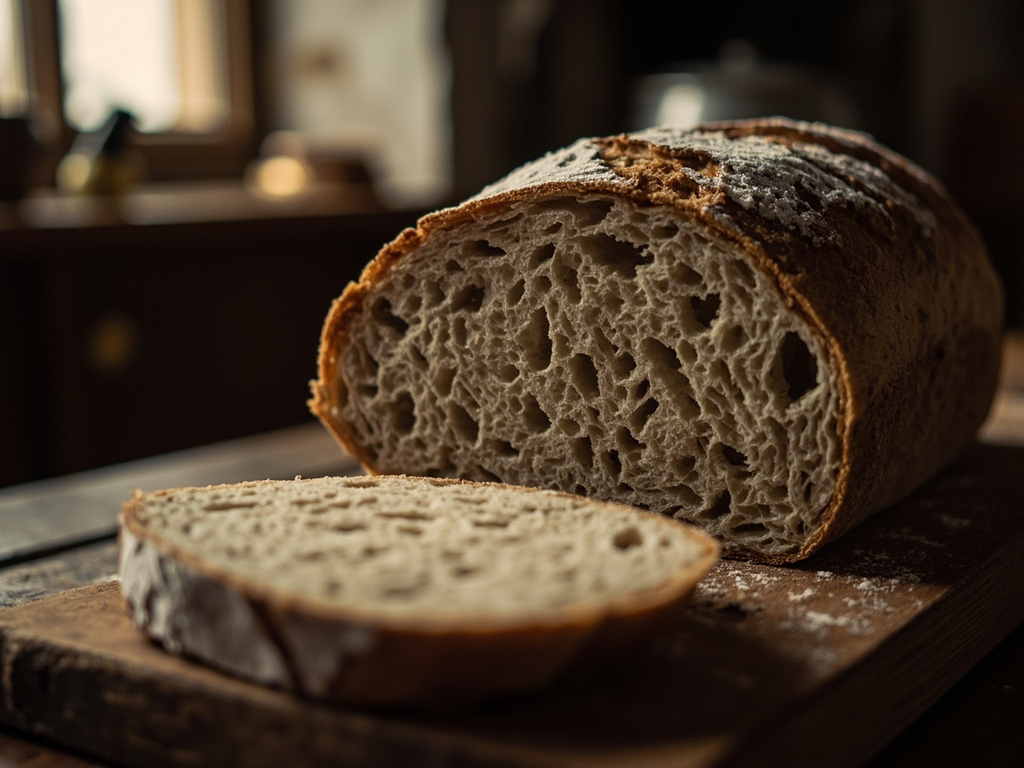
- Serve cold, with bread, as a tapa or reserve.
How it was made : Escabeche descends from sikbaj, a sweet-and-sour dish of medieval Arab cuisine adopted throughout the Iberian Peninsula. Frying then immersing in vinegar acidifies the environment and slows spoilage: it was as much a recipe as a preservation method before refrigeration, precious in a port like Seville.
The contemporary twist : Served in a small glass on a slice of garlic-rubbed grilled bread, in the style of a revisited Andalusian 'pintxo'.
Amerigo Vespucci · Charactorium