 flip
flipRisotto alla milanese (saffron risotto)
Risotto alla milanese (saffron risotto)
Why this dish? Professor at the Milan Conservatory, Ponchielli shared the daily life of the Lombard bourgeoisie, of which saffron risotto was the emblematic dish. His file recalls that he ate simply, saffron risotto foremost, often at midday with his colleagues.
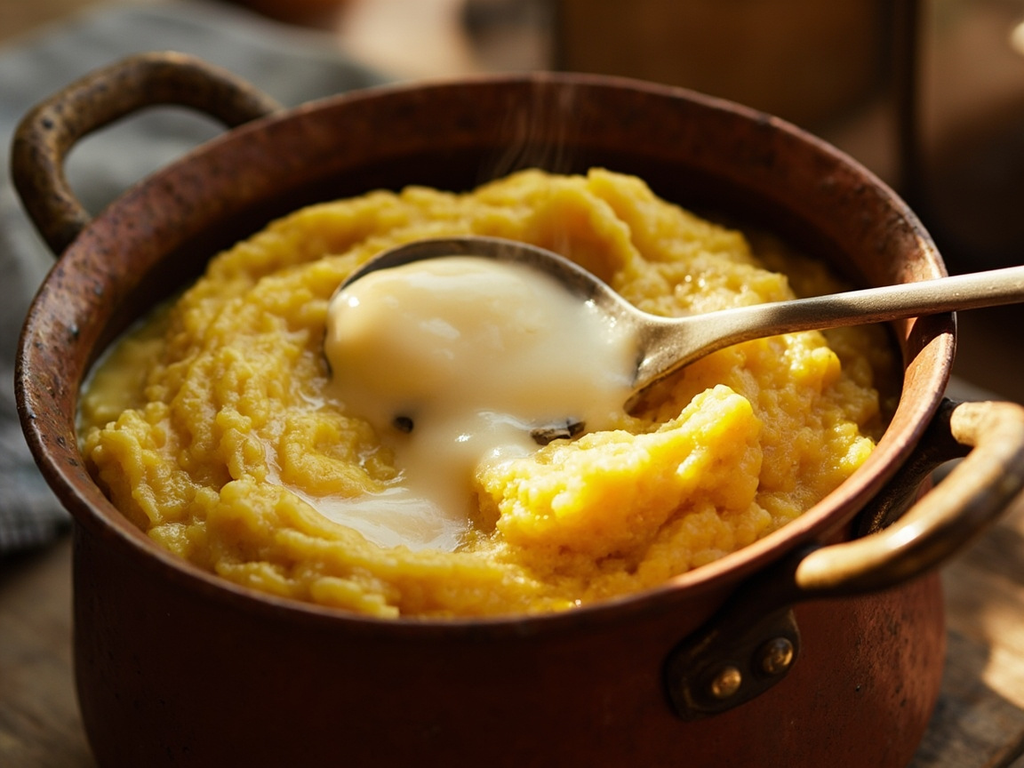
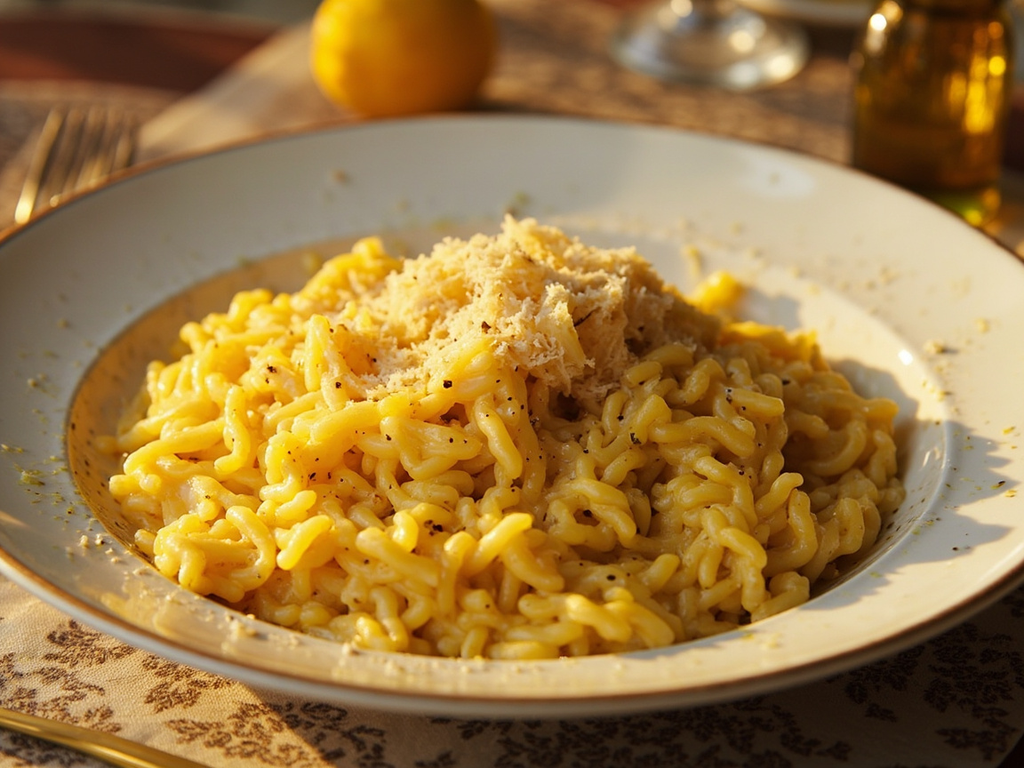
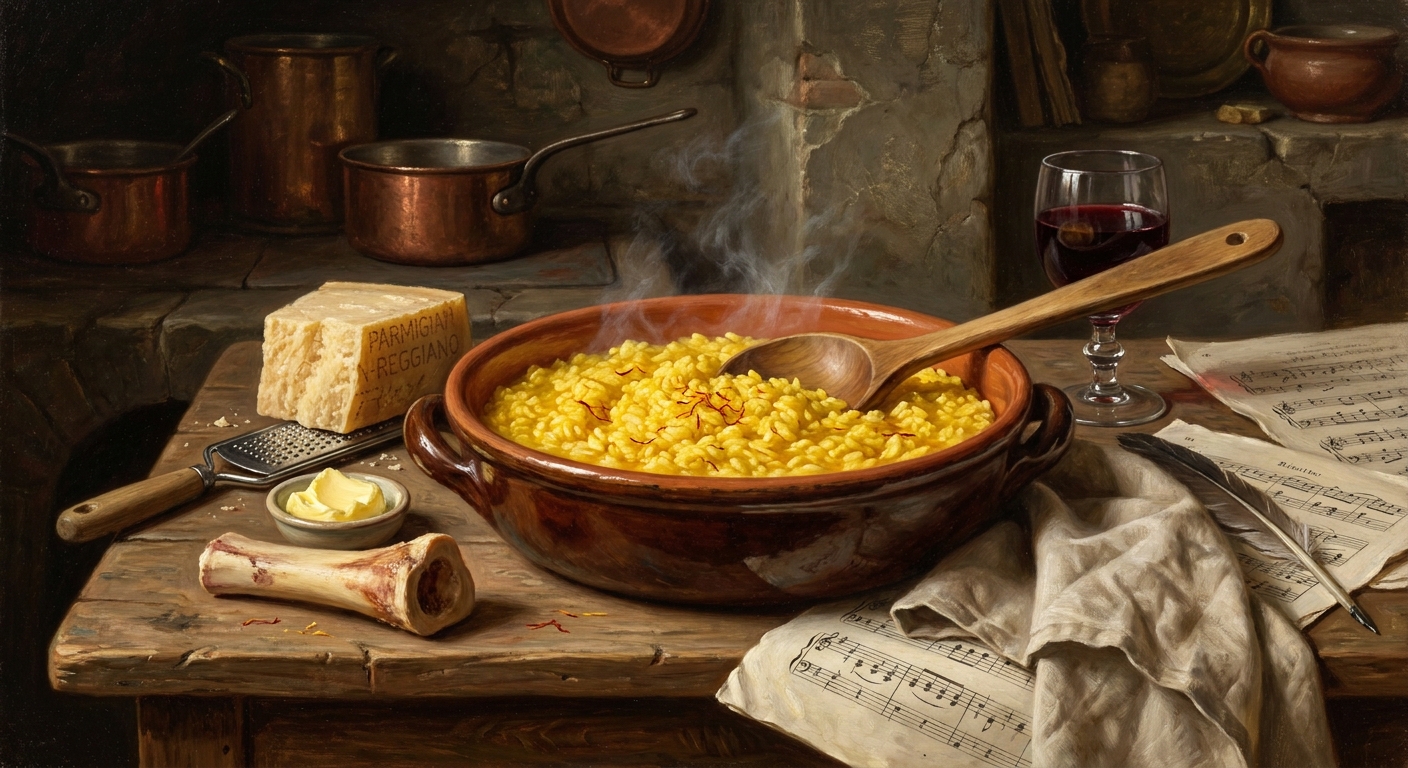
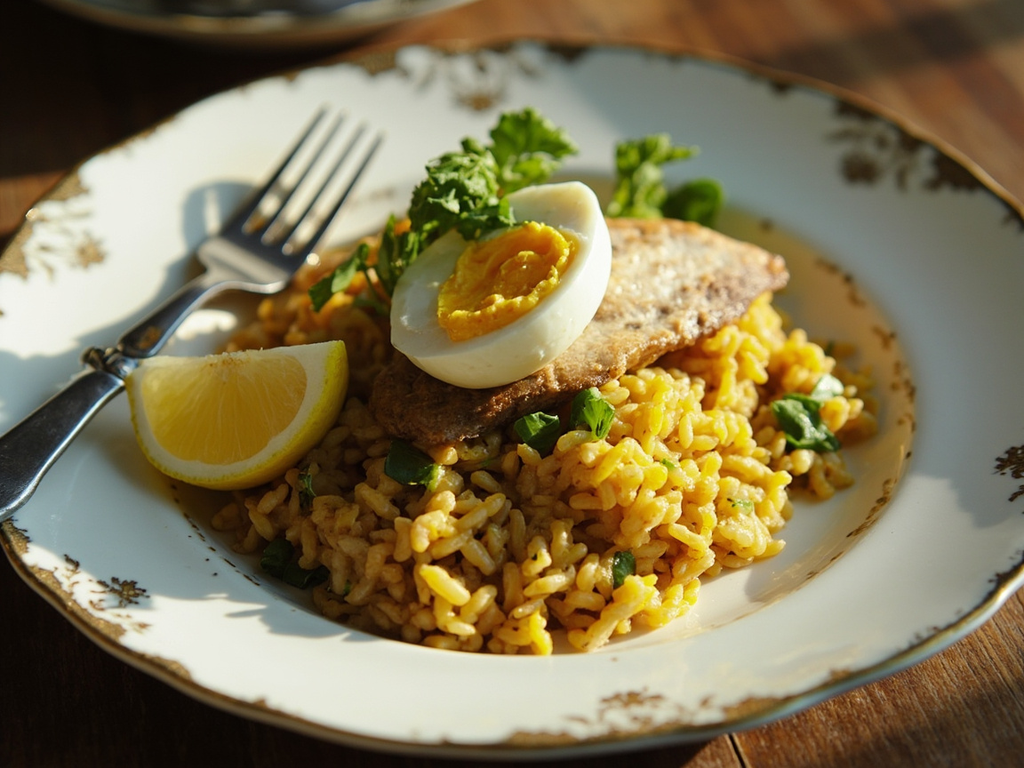
A creamy rice, pearly with butter and grana, tinted gold by saffron. The quintessential Lombard dish, both modest and luminous, prepared slowly, ladle by ladle of broth.
Allow me to present the dish of my plain, the one that gilds the plate like the sunset gilds the Torrazzo. At my table, we would sauté the onion in butter and midollo — beef marrow — then the rice, which had to be fed broth with the patience of a répétiteur. The saffron, we dissolved it at the last moment: three pinches, no more, otherwise it sings too loud and covers the orchestra. Mantecate well at the end, off the heat, with the grana and a knob of cold butter — that is where the creamy wave is born, the andante of the dish.
- •Plain rice (round variety, ancient Carnaroli type) — two handfuls per guest (base of the primo)
- •Beef marrow (midollo) — one piece (melting fat, flavor)
- •Cultured butter — a good knob (fat, binding)
- •Onion — one small (aromatic base)
- •Saffron threads — three pinches (color and perfume, the signature)
- •Meat broth — as needed, very hot (rice cooking)
- •Grated Grana Padano — a handful (umami, final binding)
- •Dry white wine — half a glass (deglazing)
Risotto alla milanese (saffron risotto)
A creamy rice, pearly with butter and grana, tinted gold by saffron. The quintessential Lombard dish, both modest and luminous, prepared slowly, ladle by ladle of broth.
Why this dish? Professor at the Milan Conservatory, Ponchielli shared the daily life of the Lombard bourgeoisie, of which saffron risotto was the emblematic dish. His file recalls that he ate simply, saffron risotto foremost, often at midday with his colleagues.
Allow me to present the dish of my plain, the one that gilds the plate like the sunset gilds the Torrazzo. At my table, we would sauté the onion in butter and midollo — beef marrow — then the rice, which had to be fed broth with the patience of a répétiteur. The saffron, we dissolved it at the last moment: three pinches, no more, otherwise it sings too loud and covers the orchestra. Mantecate well at the end, off the heat, with the grana and a knob of cold butter — that is where the creamy wave is born, the andante of the dish.
Ingredients (period version)
- Plain rice (round variety, ancient Carnaroli type) — two handfuls per guest (base of the primo)
- Beef marrow (midollo) — one piece (melting fat, flavor)
- Cultured butter — a good knob (fat, binding)
- Onion — one small (aromatic base)
- Saffron threads — three pinches (color and perfume, the signature)
- Meat broth — as needed, very hot (rice cooking)
- Grated Grana Padano — a handful (umami, final binding)
- Dry white wine — half a glass (deglazing)
Ingredients
- Carnaroli or Arborio rice — 320 g (risotto base)
- Beef marrow — 40 g (or 1 tbsp extra butter) (traditional fat)
- Butter — 70 g (30 g cooking + 40 g mantecatura) (fat)
- Onion — 1 small, finely chopped (aromatic base)
- Saffron threads — 0.2 g (a good pinch) (color and perfume)
- Beef or chicken broth — about 1.2 L, hot (cooking)
- Grated Grana Padano — 60 g (binding and umami)
- Dry white wine — 100 ml (deglazing)
Method
- Infuse the saffron in a ladle of hot broth while you prepare the rest.
- Melt the marrow and 30 g butter, sweat the chopped onion over low heat without browning.
- Add the rice and toast for 2 minutes, stirring, until translucent at the edges.
- Deglaze with white wine, let evaporate.
- Add hot broth ladle by ladle, stirring, without ever drowning the rice (about 18 minutes).
- Halfway through cooking, incorporate the saffron infusion: the rice turns gold.
- Off the heat, mantecare: add the cold butter and grana, beat vigorously until creamy (all'onda).
- Serve immediately on a warm plate.
How it was made : In the 19th century, risotto giallo was made with beef marrow, a noble and cheap fat recovered from pot-au-feu. Saffron, cultivated and imported, remained a small luxury accessible to bourgeois Milanese families. This risotto was often served alongside ossobuco, the two forming a single great Lombard dish.
The contemporary twist : Served with a ladle in the center of the plate, spread with a quick wrist flick to obtain the famous 'all'onda' disc, and named after a movement: Andante dorato.
Sources : Pellegrino Artusi, La scienza in cucina e l'arte di mangiar bene (1891) · Lombard culinary tradition, Milanese saffron risotto
Amilcare Ponchielli · Charactorium