 flip
flipPulmentum of Chickpeas and Lentils with Lenten Fish
Pulmentum of Chickpeas and Lentils with Lenten Fish
Why this dish? Anastasius IV, an old man elected at an advanced age, kept a sober table regulated by the Wednesday and Friday fast. This pottage of legumes and fish was the ordinary fare on lean days at the curia, where meat was forbidden but dignity preserved.
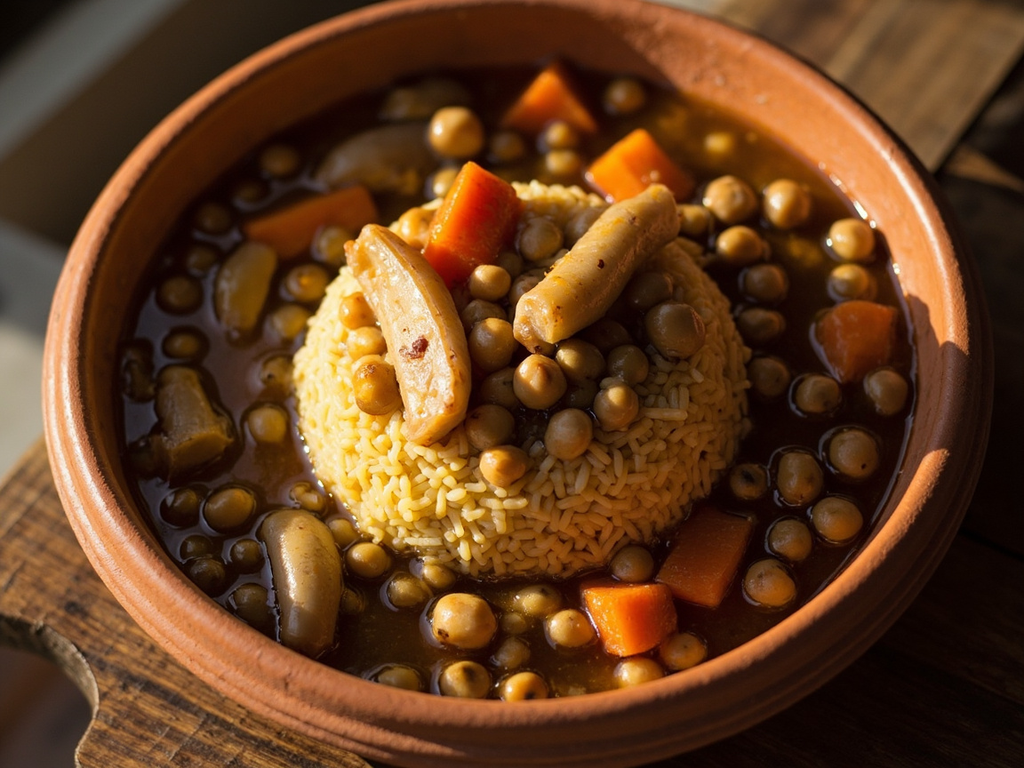
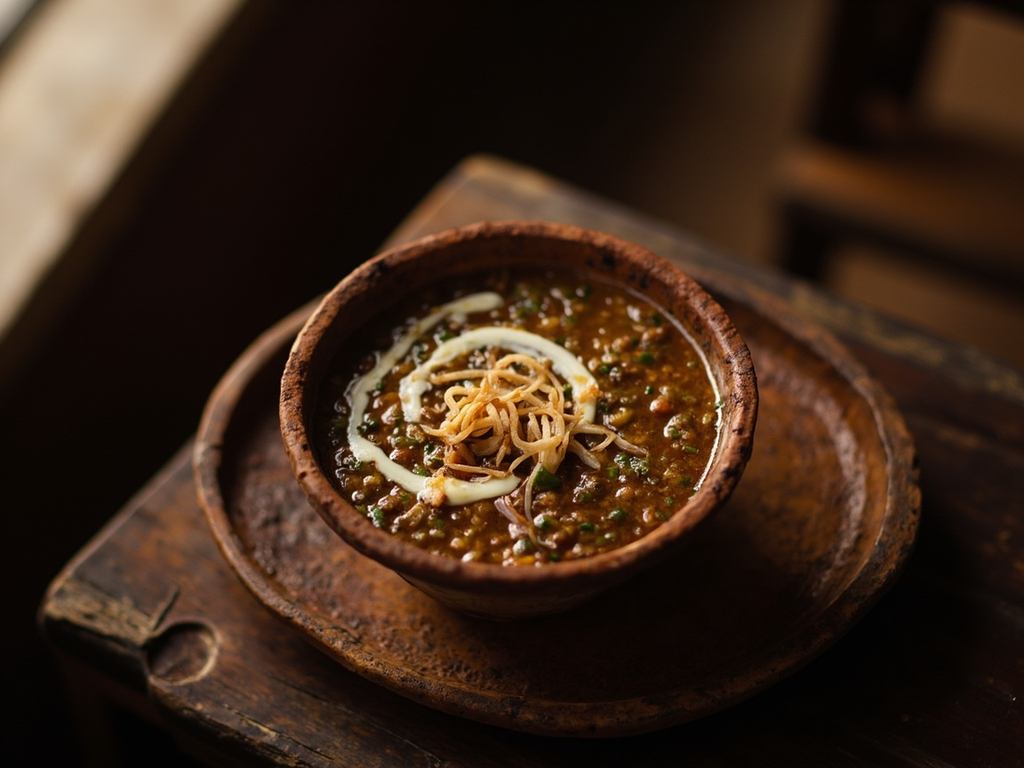
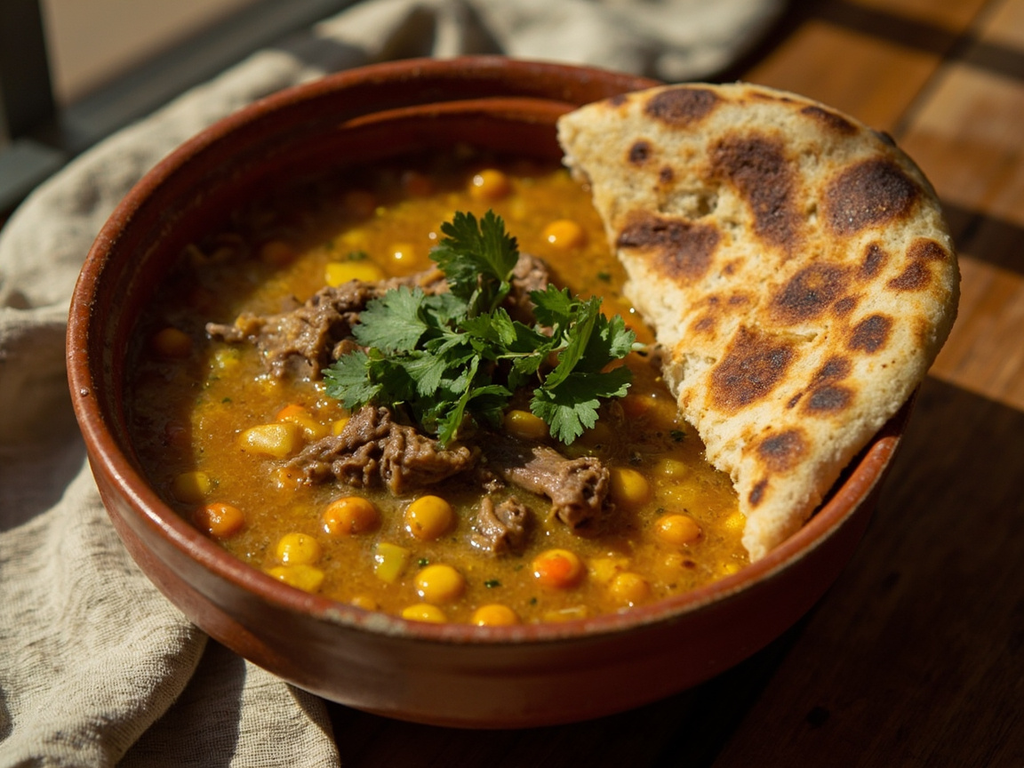
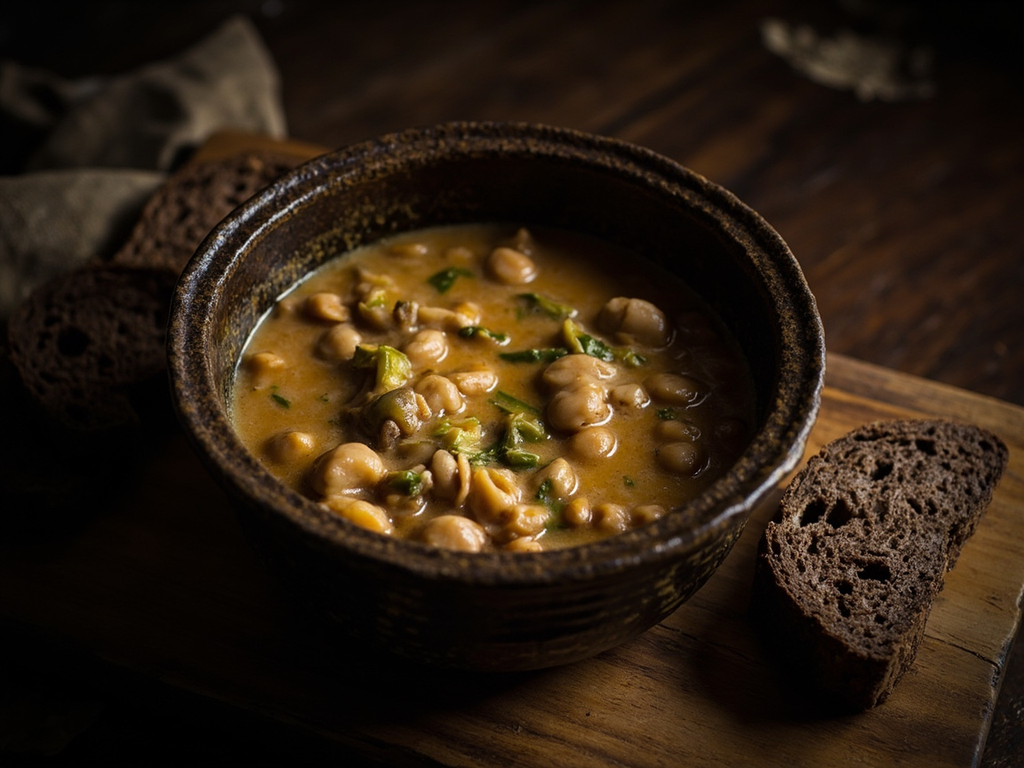
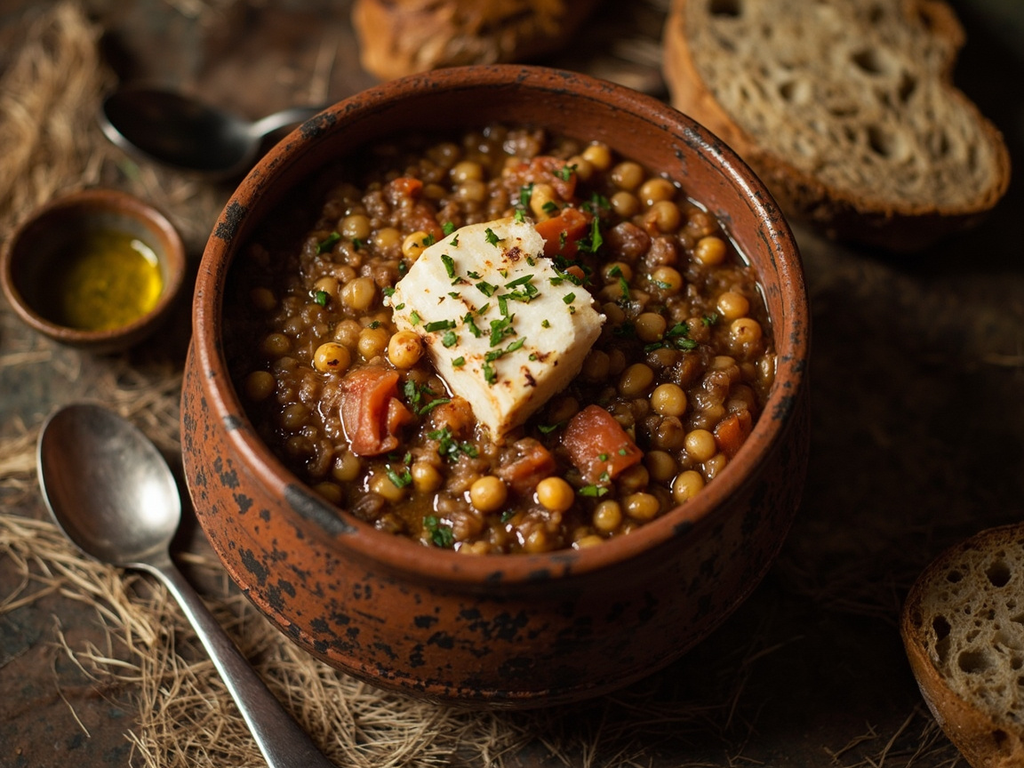
A thick pottage of chickpeas and lentils, simmered with desalted dried fish, flavored with olive oil, garlic, and herbs. The humble dish of abstinence days, nourishing and worthy of a Church table.
Know, you who read this, that We governed the Church as a man already laden with years, and that sobriety befits the successor of Peter. On Wednesdays and Fridays, no flesh was on Our table: they served Us this pottage of peas and lentils, where the dried fish from the coasts was soaked the day before to return its salt to the water. A drizzle of oil, a crushed clove of garlic, and we gave thanks before breaking bread. Fasting is not depriving oneself of everything, my child—it is learning measure.
- •Dried chickpeas — a good bowlful (nourishing base)
- •Lentils — half a bowlful (binder and body)
- •Dried salted fish (cod or other sea fish) — one piece (lean-day protein)
- •Olive oil — as needed (fat and flavor)
- •Garlic — a few cloves (aromatic)
- •Herbs (bay, sage, parsley) — a bunch (fragrance)
- •Salt and pepper — according to fish (seasoning)
Pulmentum of Chickpeas and Lentils with Lenten Fish
A thick pottage of chickpeas and lentils, simmered with desalted dried fish, flavored with olive oil, garlic, and herbs. The humble dish of abstinence days, nourishing and worthy of a Church table.
Why this dish? Anastasius IV, an old man elected at an advanced age, kept a sober table regulated by the Wednesday and Friday fast. This pottage of legumes and fish was the ordinary fare on lean days at the curia, where meat was forbidden but dignity preserved.
Know, you who read this, that We governed the Church as a man already laden with years, and that sobriety befits the successor of Peter. On Wednesdays and Fridays, no flesh was on Our table: they served Us this pottage of peas and lentils, where the dried fish from the coasts was soaked the day before to return its salt to the water. A drizzle of oil, a crushed clove of garlic, and we gave thanks before breaking bread. Fasting is not depriving oneself of everything, my child—it is learning measure.
Ingredients (period version)
- Dried chickpeas — a good bowlful (nourishing base)
- Lentils — half a bowlful (binder and body)
- Dried salted fish (cod or other sea fish) — one piece (lean-day protein)
- Olive oil — as needed (fat and flavor)
- Garlic — a few cloves (aromatic)
- Herbs (bay, sage, parsley) — a bunch (fragrance)
- Salt and pepper — according to fish (seasoning)
Ingredients
- Dried chickpeas — 200 g (soaked overnight) (nourishing base)
- Green lentils — 120 g (binder and body)
- Desalted salt cod fillet (or fresh cod) — 250 g (lean-day protein)
- Olive oil — 4 tbsp (fat and flavor)
- Garlic — 3 cloves (aromatic)
- Bay, sage, parsley — 1 bouquet (fragrance)
- Black pepper — 1 pinch (seasoning)
Method
- The night before, soak the chickpeas in cold water; if using salt cod, desalt it for 24 hours, changing the water several times.
- Cook the chickpeas in plenty of unsalted water with bay and sage, about 1 hour 30 minutes until tender.
- Add the lentils and cook for another 25 minutes.
- Sauté the garlic in olive oil, then stir into the pottage.
- Place the fish pieces on top, cover, and poach for 8–10 minutes until flaky.
- Season with pepper, sprinkle with parsley, and serve with bread.
How it was made : Dried salted fish was the key food on lean days throughout medieval Christendom: it kept for months and traveled trade routes all the way to Rome. Legumes, inherited from the Roman *puls*, formed the protein base for both commoners and clergy during Lent.
The contemporary twist : Serve in a shallow bowl with a drizzle of new olive oil and a few shavings of orange zest—a nod to the liturgical bitterness of Lent.
Anastasius IV · Charactorium