 flip
flipMonókythron — the one-pot stew
Monókythron — the one-pot stew
Why this dish? The monókythron is sung in the ptochoprodromic poems addressed to Anna's brother, Emperor John II Komnenos: a sumptuous stew simmered in a single pot, emblem of the palace feasts where Anna grew up, born in the purple at the Blachernae court.
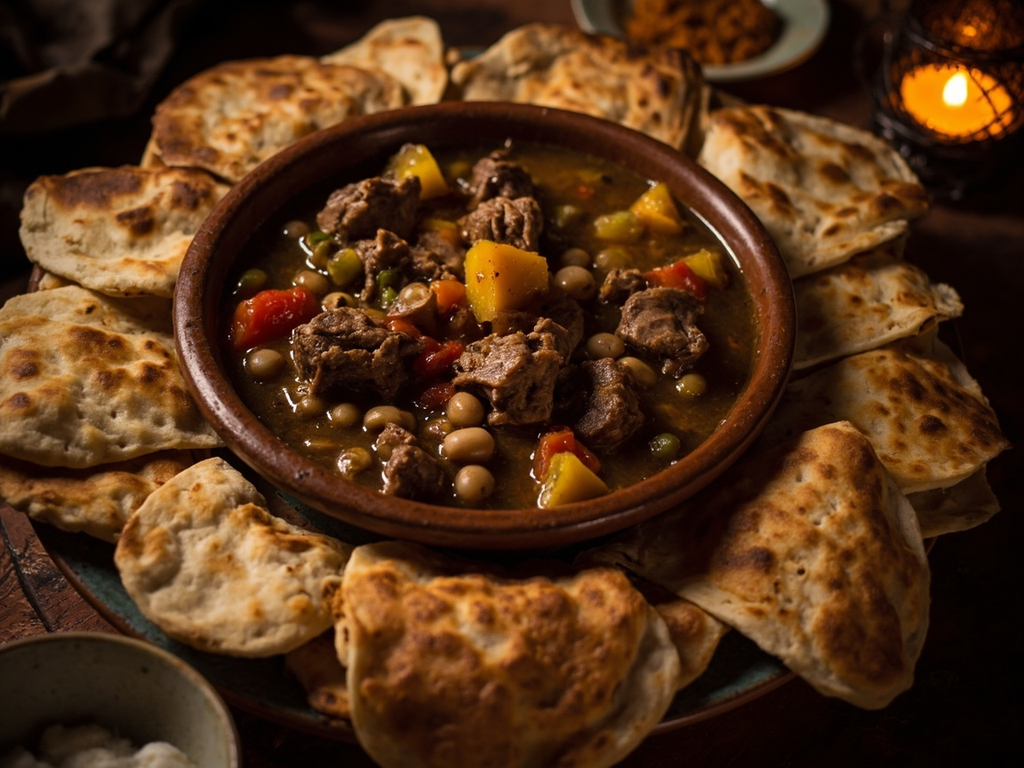
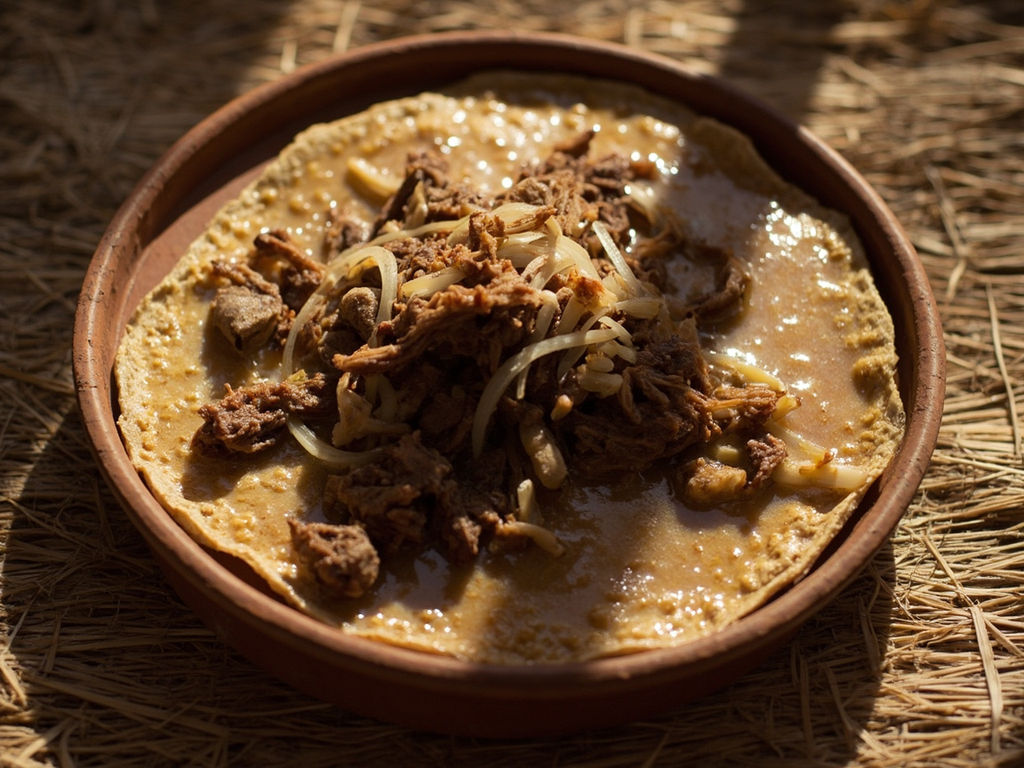
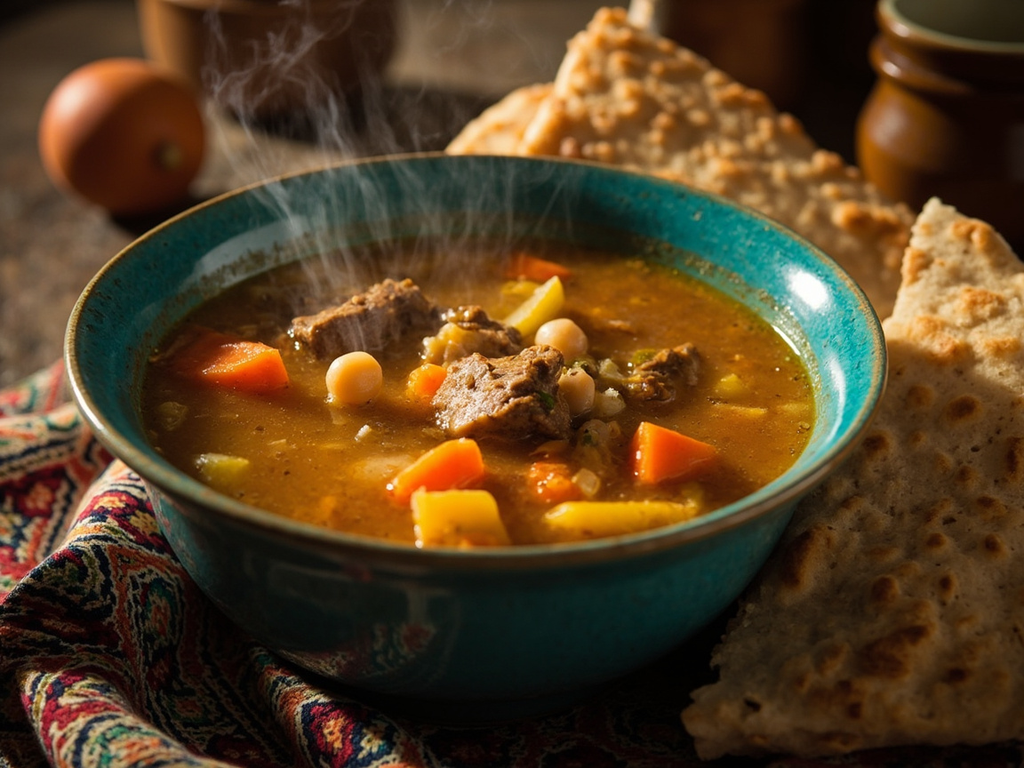
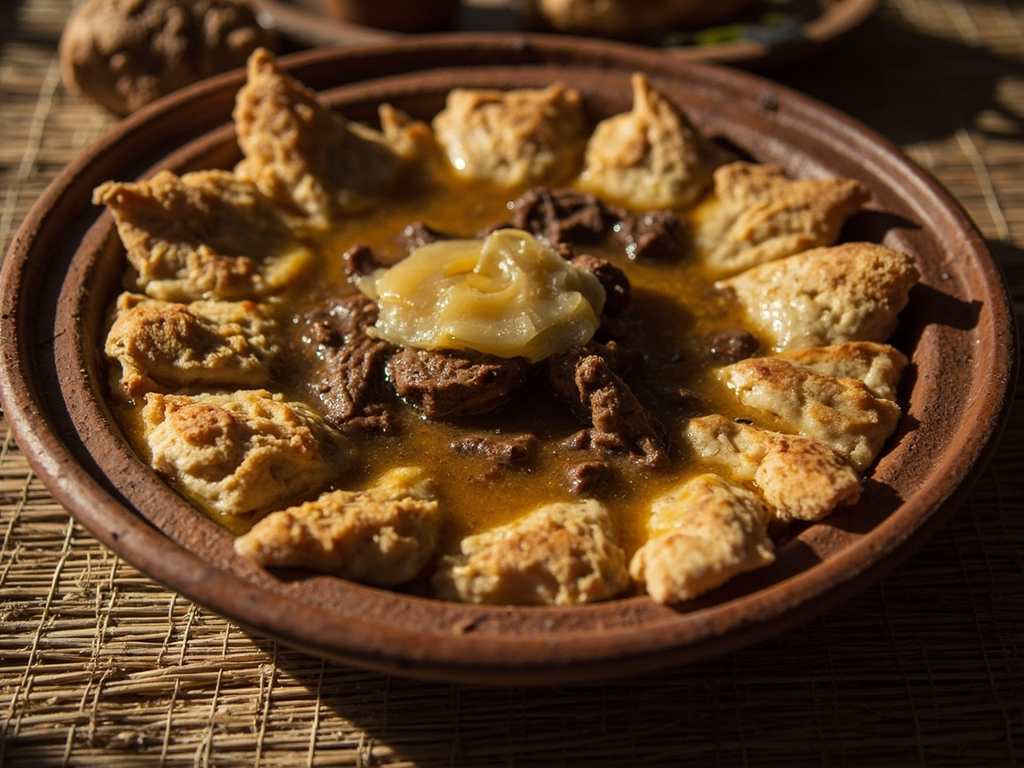
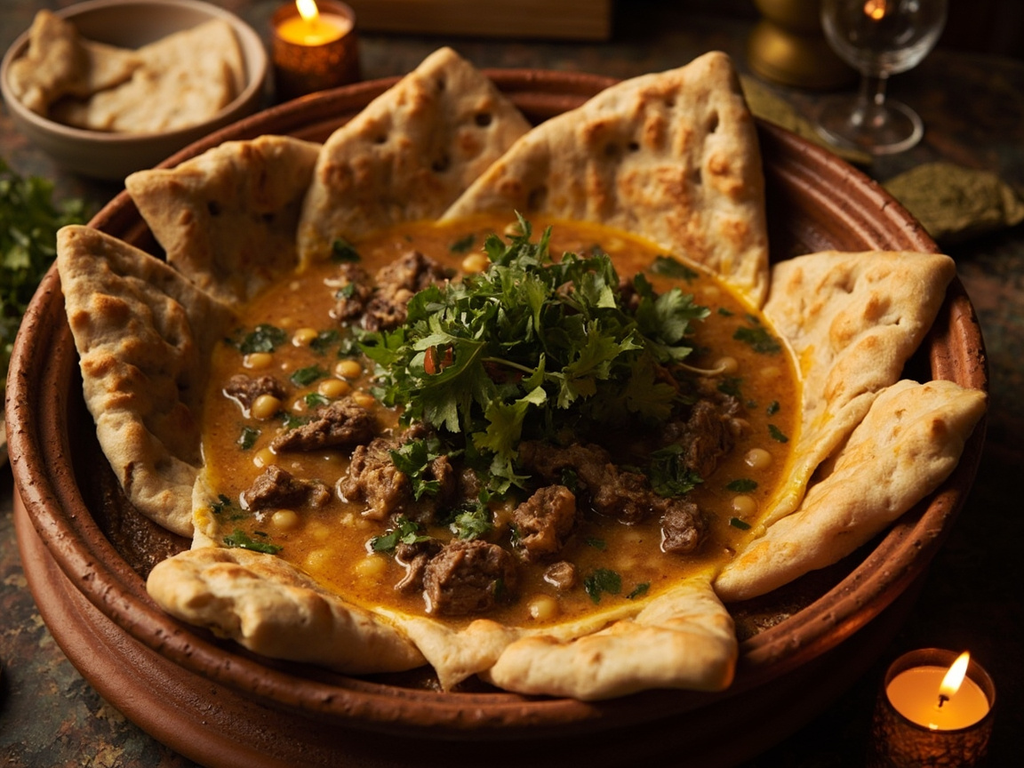
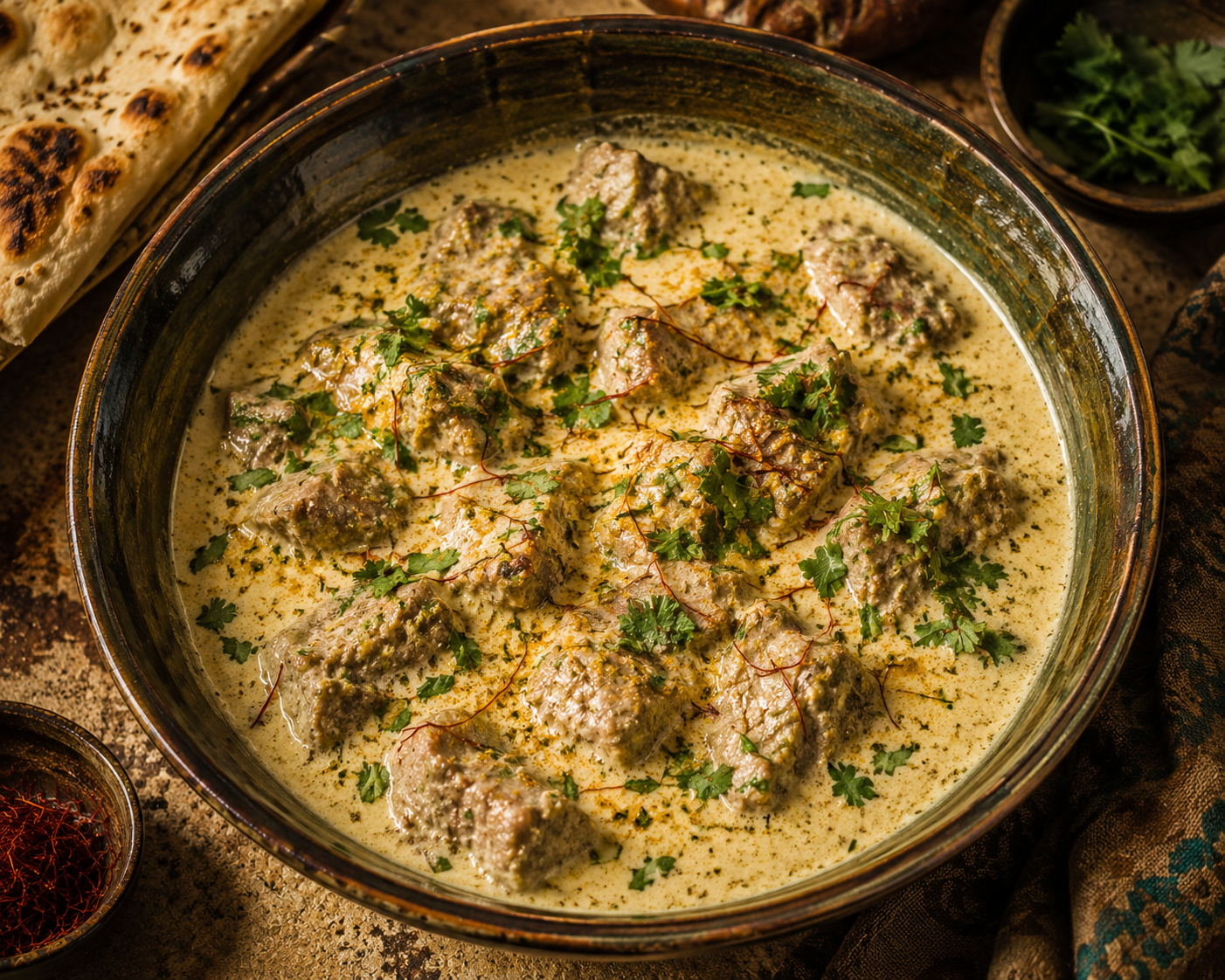
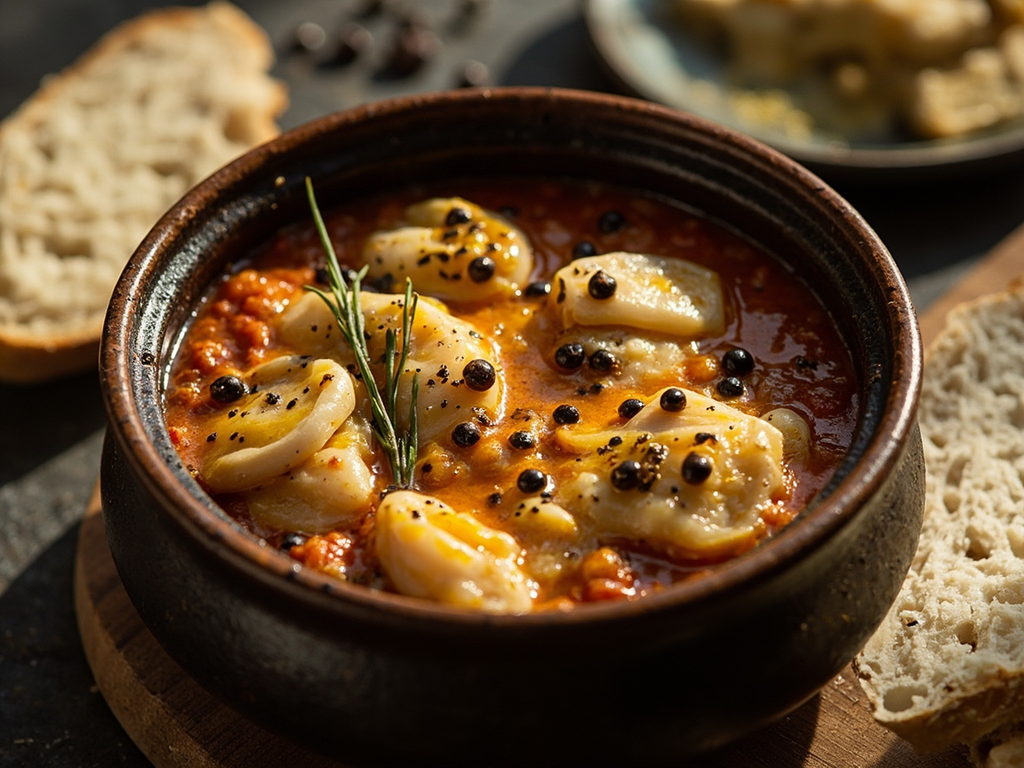
A layered stew long-simmered in a single earthenware pot: cabbage hearts, Black Sea fish, melting cheeses, and eggs, all excessively peppered as was loved at the palace. Rich, generous, made for grand imperial tables.
I, Anna, born in the purple, tell you that nothing delighted my father Emperor Alexios' table more than a monókythron drawn steaming from its earthenware pot. One laid, layer after layer, the tender hearts of cabbage, salted fish from the Black Sea, four cheeses and the eggs, then peppered without measure, for moderation suits the poor, not the masters of the world. Let it gently simmer on the embers until all blends into one savory flesh, and do not lift the lid until the last moment: that is the whole secret.
- •Cabbage hearts — a few, trimmed (soft vegetable base)
- •Salted Black Sea fish (tuna, mackerel) — as desired (salty umami)
- •Fresh fish (sea bream or sea bass) — a few pieces (main flesh)
- •Various cheeses (soft and hard) — in abundance (creamy binder)
- •Eggs — a dozen (binder)
- •Gáros (garum) — a dash (signature seasoning)
- •Pepper, cumin, onion — generously (court spices)
- •Olive oil — a drizzle (fat)
Monókythron — the one-pot stew
A layered stew long-simmered in a single earthenware pot: cabbage hearts, Black Sea fish, melting cheeses, and eggs, all excessively peppered as was loved at the palace. Rich, generous, made for grand imperial tables.
Why this dish? The monókythron is sung in the ptochoprodromic poems addressed to Anna's brother, Emperor John II Komnenos: a sumptuous stew simmered in a single pot, emblem of the palace feasts where Anna grew up, born in the purple at the Blachernae court.
I, Anna, born in the purple, tell you that nothing delighted my father Emperor Alexios' table more than a monókythron drawn steaming from its earthenware pot. One laid, layer after layer, the tender hearts of cabbage, salted fish from the Black Sea, four cheeses and the eggs, then peppered without measure, for moderation suits the poor, not the masters of the world. Let it gently simmer on the embers until all blends into one savory flesh, and do not lift the lid until the last moment: that is the whole secret.
Ingredients (period version)
- Cabbage hearts — a few, trimmed (soft vegetable base)
- Salted Black Sea fish (tuna, mackerel) — as desired (salty umami)
- Fresh fish (sea bream or sea bass) — a few pieces (main flesh)
- Various cheeses (soft and hard) — in abundance (creamy binder)
- Eggs — a dozen (binder)
- Gáros (garum) — a dash (signature seasoning)
- Pepper, cumin, onion — generously (court spices)
- Olive oil — a drizzle (fat)
Ingredients
- Green cabbage hearts — 2, sliced (vegetable base)
- Salted mackerel or anchovy fillets — 80 g (salty umami)
- Sea bream fillets — 400 g (main flesh)
- Feta + mozzarella + parmesan — 100 g each (cheesy binder)
- Eggs — 4 (binder)
- Garum (or nuoc-mam as substitute) — 1 tbsp (signature seasoning)
- Ground black pepper — 1 heaped tsp (dominant spice)
- Cumin, 1 onion, olive oil — 1 tsp / 1 / 3 tbsp (aromatics)
Method
- Sweat the sliced onion in olive oil at the bottom of an earthenware or cast-iron pot.
- Arrange a layer of cabbage hearts, then a layer of sea bream, scatter crumbled salted fish and cheeses.
- Repeat layers, peppering and sprinkling cumin between each; drizzle with garum.
- Beat the eggs and pour over the whole; cover tightly.
- Simmer over very low heat for 35–40 minutes without lifting the lid, until everything is melted and bound.
- Serve steaming, directly in the pot, with wheat bread.
How it was made : The monókythron ("single pot") was cooked in a sealed earthenware pot, placed on embers or buried in hot ash for slow, even cooking. 12th-century poems insist on the excess of pepper, a marker of luxury: spices from the Orient passing through Constantinople were a conspicuous sign of wealth at the Komnenian table.
The contemporary twist : Served in individual mini-casseroles with a puff pastry lid glazed with egg, which each diner breaks at the table to release the peppery aroma.
Sources : Poèmes ptochoprodromiques (XIIe s.), éd. H. Eideneier · Andrew Dalby, Flavours of Byzantium, Prospect Books, 2003
Anna Komnene · Charactorium