 flip
flipDried Fruit Kompot
Dried Fruit Kompot
Why this dish? In a life spent on tap water and strong tea, kompot is the shared sweetness at every Russian table — from canteens to family kitchens. A comforting drink, served warm or chilled, it closes the meal without elaborate dessert, reflecting Anna's simple, unindulgent diet.
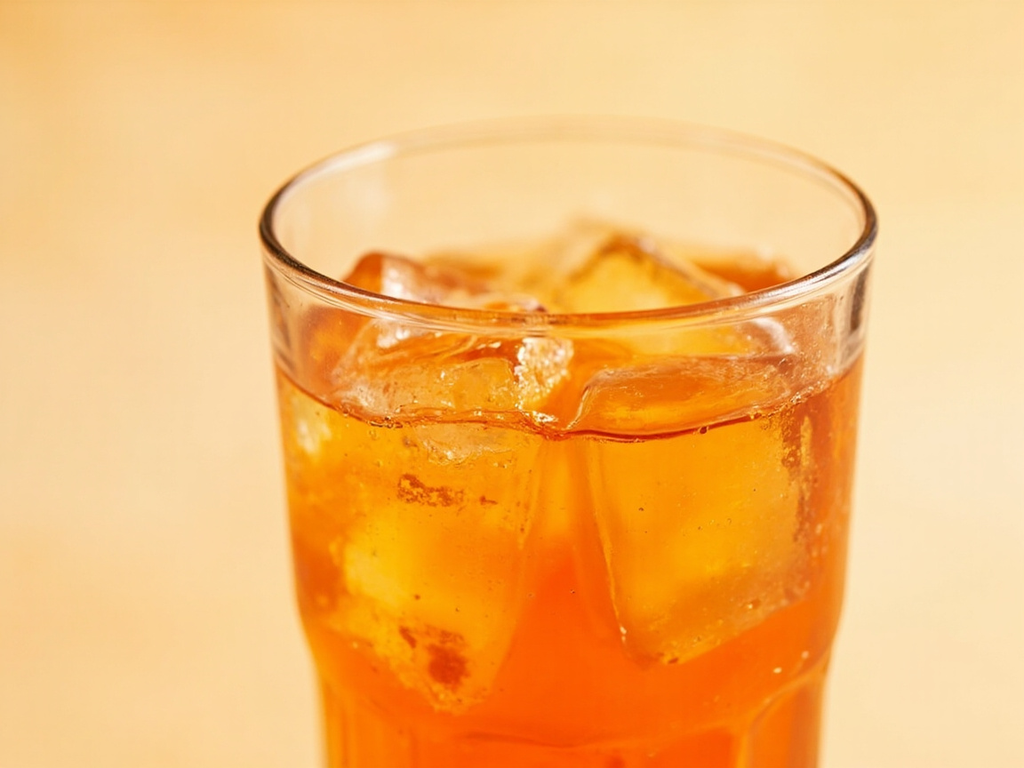
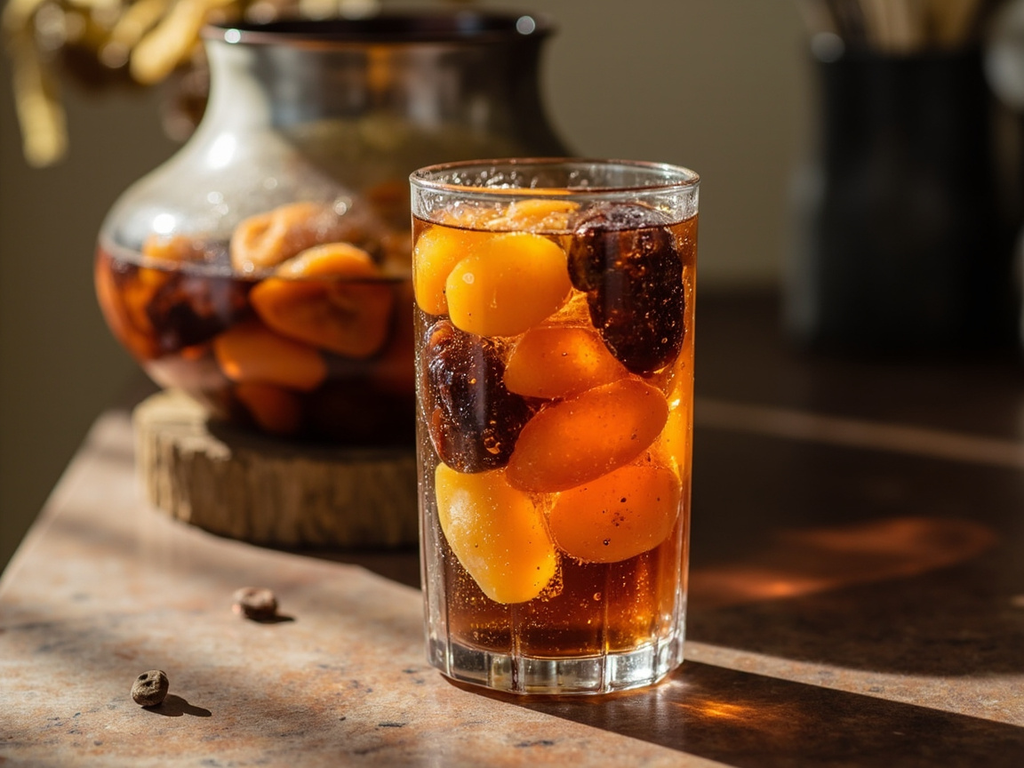
A sweet and slightly tangy infusion of dried fruits — apples, pears, apricots, prunes — simmered in water. A golden drink-compote, drunk with the fruits eaten. The quintessential Russian domestic "juice," free of sodas and artificial ingredients.
At home, we don't serve soda to children: we make kompot. A handful of dried fruits thrown into boiling water, a little sugar, and you let it steep until the house smells of apricot and apple. You drink it warm in winter to warm your hands around the glass, chilled in summer. It's poor and generous at the same time — the best definition of the Russian table.
- •Mixed dried fruits (apples, pears, prunes, apricots) — two handfuls (base)
- •Water — a large pot (infusion)
- •Sugar — to taste (sweetness)
Dried Fruit Kompot
A sweet and slightly tangy infusion of dried fruits — apples, pears, apricots, prunes — simmered in water. A golden drink-compote, drunk with the fruits eaten. The quintessential Russian domestic "juice," free of sodas and artificial ingredients.
Why this dish? In a life spent on tap water and strong tea, kompot is the shared sweetness at every Russian table — from canteens to family kitchens. A comforting drink, served warm or chilled, it closes the meal without elaborate dessert, reflecting Anna's simple, unindulgent diet.
At home, we don't serve soda to children: we make kompot. A handful of dried fruits thrown into boiling water, a little sugar, and you let it steep until the house smells of apricot and apple. You drink it warm in winter to warm your hands around the glass, chilled in summer. It's poor and generous at the same time — the best definition of the Russian table.
Ingredients (period version)
- Mixed dried fruits (apples, pears, prunes, apricots) — two handfuls (base)
- Water — a large pot (infusion)
- Sugar — to taste (sweetness)
Ingredients
- Mixed dried fruits (suchofrukty) — 250 g (aromatic base)
- Water — 2 L (infusion)
- Sugar — 4 to 6 tbsp, to taste (sweetness)
- Lemon zest or cinnamon stick (optional) — 1 (flavor)
Method
- Rinse dried fruits under cold water.
- Put them in a pot with cold water, bring to a boil.
- Reduce heat, add sugar and optional aromatics, simmer for 20-25 min.
- Turn off heat and let steep, covered, at least 1 h (or overnight): this is where the flavor develops.
- Serve warm or well chilled; drink the liquid and eat the plumped fruits.
How it was made : Kompot (not to be confused with French compote) is a drink, not a spoon dessert. Served in all Soviet stolovayas (canteens) in glasses, it made use of dried fruits preserved all winter, the only source of fruity sweetness in a country with long winters.
The contemporary twist : Strain it, make fruit-filled ice cubes, and serve kompot ice-cold as an "Eastern lemonade" on a summer table.
Sources : Kniga o vkousnoï i zdorovoï pichtché · Darra Goldstein, A Taste of Russia
Anna Politkovskaya · Charactorium