 flip
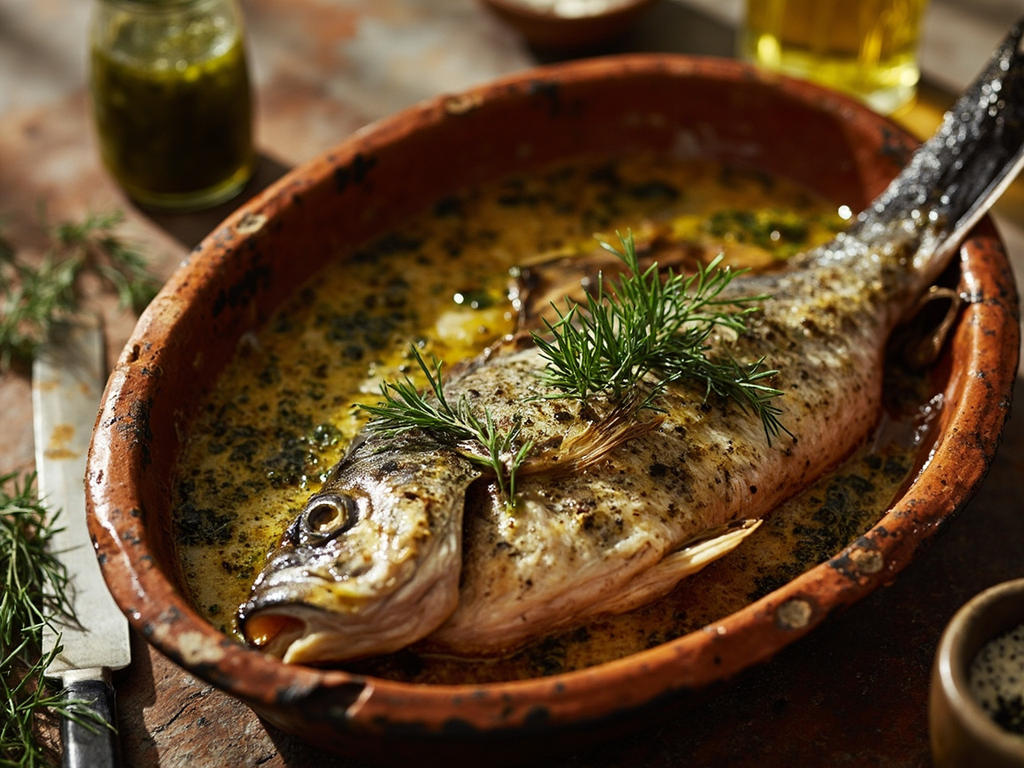
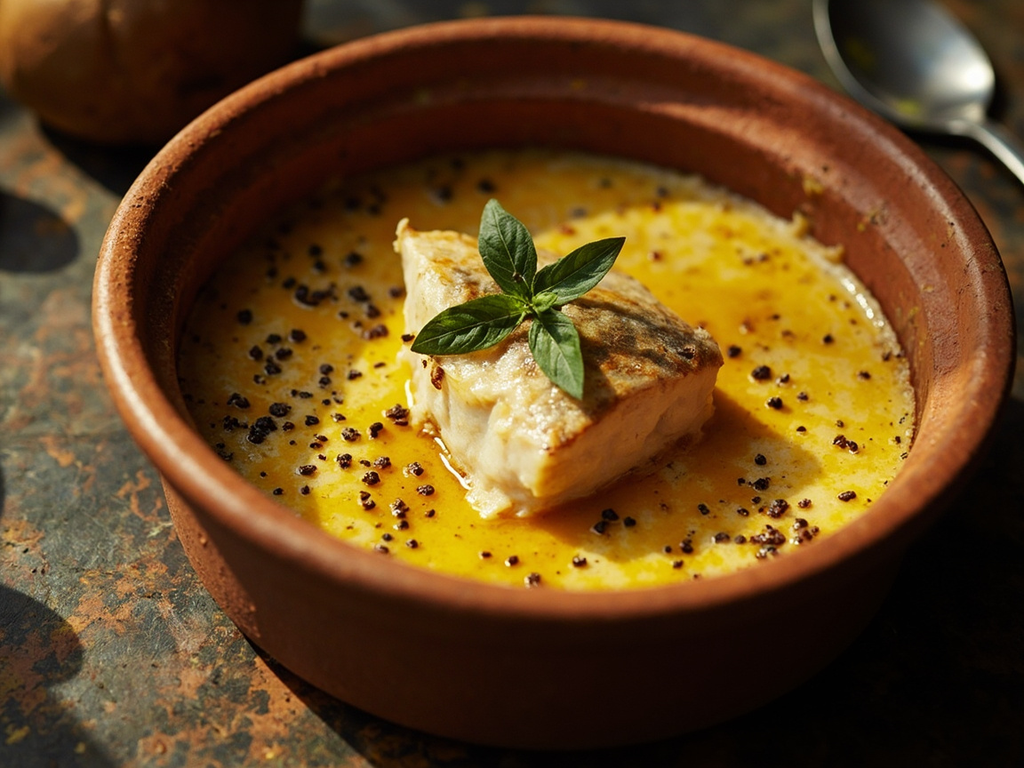
flipGrilled tuna slice with cheese and herbs, Mithaikos style
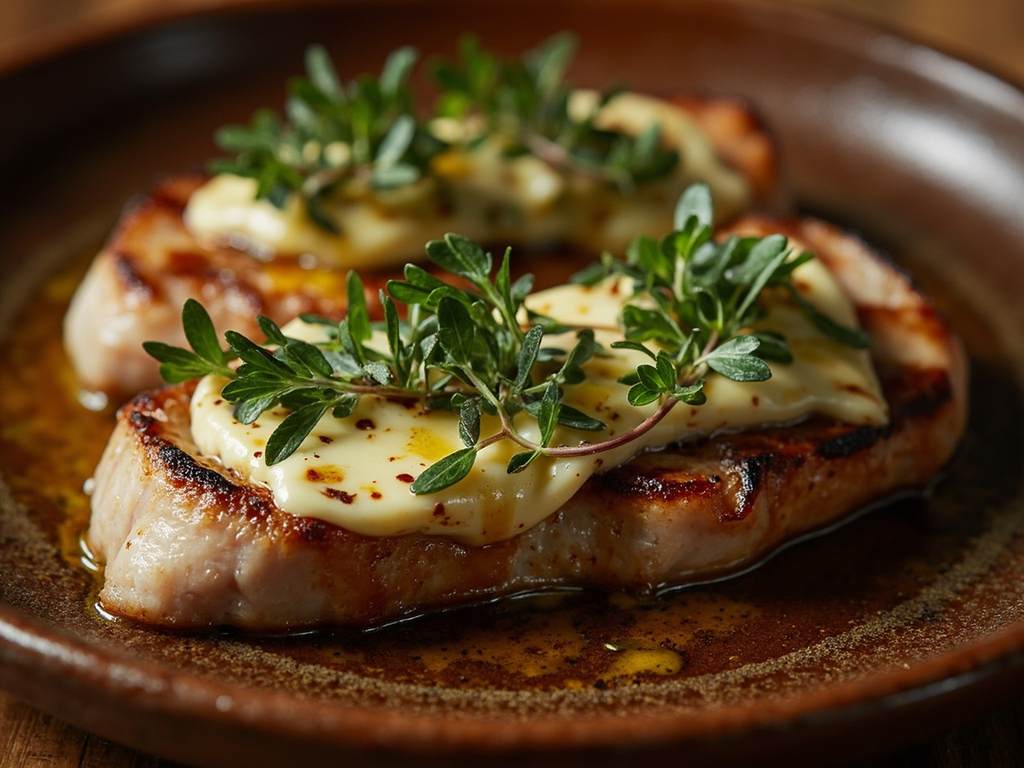
Grilled tuna slice with cheese and herbs, Mithaikos style
Why this dish? Syracuse, Archimedes' homeland, was famous for its cooks: it was there that Mithaikos wrote the first known Greek cookbook, and Archestratus of Gela praised Sicilian fish. For a banquet at the table of a scholar honored by King Hieron II, nothing is more Syracusan than a fine fish from Porto Grande.
A thick slice of tuna (or bonito), simply grilled, sprinkled with grated cheese and herbs, drizzled with oil and a little vinegar. The recipe of Mithaikos of Syracuse, transmitted by Athenaeus, in its purest form: let the fish speak.
King Hieron did me the honor of his table, and this fish was served there — caught that very morning in our Porto Grande. Listen to the Syracusan cook: clean the tainia, remove the head, rinse it, sprinkle with cheese and oil. Nothing more! The sea does the work, just as nature does geometry: you only need not spoil it. A dash of vinegar, a fragrant herb, and you honor the fish as much as the lever honors force.
- •Fresh tuna or bonito slice — a fine steak (centerpiece)
- •Grated dry sheep's cheese — a handful (umami, gratin)
- •Olive oil — a drizzle (cooking, binder)
- •Wine vinegar — a few drops (acidity)
- •Fresh herbs (oregano, coriander) — to taste (fragrance)
Grilled tuna slice with cheese and herbs, Mithaikos style
A thick slice of tuna (or bonito), simply grilled, sprinkled with grated cheese and herbs, drizzled with oil and a little vinegar. The recipe of Mithaikos of Syracuse, transmitted by Athenaeus, in its purest form: let the fish speak.
Why this dish? Syracuse, Archimedes' homeland, was famous for its cooks: it was there that Mithaikos wrote the first known Greek cookbook, and Archestratus of Gela praised Sicilian fish. For a banquet at the table of a scholar honored by King Hieron II, nothing is more Syracusan than a fine fish from Porto Grande.
King Hieron did me the honor of his table, and this fish was served there — caught that very morning in our Porto Grande. Listen to the Syracusan cook: clean the tainia, remove the head, rinse it, sprinkle with cheese and oil. Nothing more! The sea does the work, just as nature does geometry: you only need not spoil it. A dash of vinegar, a fragrant herb, and you honor the fish as much as the lever honors force.
Ingredients (period version)
- Fresh tuna or bonito slice — a fine steak (centerpiece)
- Grated dry sheep's cheese — a handful (umami, gratin)
- Olive oil — a drizzle (cooking, binder)
- Wine vinegar — a few drops (acidity)
- Fresh herbs (oregano, coriander) — to taste (fragrance)
Ingredients
- Tuna steaks (or bonito) — 4 steaks of 180 g (centerpiece)
- Grated pecorino or dried feta — 60 g (umami)
- Extra virgin olive oil — 4 tbsp (cooking)
- Red wine vinegar — 2 tsp (acidity)
- Fresh oregano and coriander — 2 tbsp chopped (fragrance)
- Salt — to taste (seasoning)
Method
- Pat the tuna steaks dry and brush with olive oil.
- Sear for 2 to 3 minutes per side on a grill or very hot pan, keeping the center pink.
- Sprinkle with grated cheese at the end of cooking so it melts slightly from the heat.
- Off the heat, drizzle with a little oil and a few drops of vinegar.
- Sprinkle with oregano and fresh coriander, salt, and serve immediately.
How it was made : Mithaikos of Syracuse (5th century BCE) wrote the earliest known Greek cookbook; Athenaeus quotes a recipe for tainia: "clean it, remove the head, rinse, slice, and add cheese and oil." Tuna and bonito were prized fish from Sicilian coasts, sung by Archestratus of Gela.
The contemporary twist : Plate the steak on a slate board, with pecorino shavings made with a mandoline and oregano flowers: Mithaikos revisited as a chef's plate.
Sources : Athenaeus of Naucratis, The Deipnosophists, book VII (quoting Mithaikos) · Archestratus of Gela, Hedypatheia (Life of Luxury), 4th century BCE · Andrew Dalby, Siren Feasts, Routledge, 1996
Archimedes · Charactorium