 flip
flipMaza, the Scholar's Barley Cake
Maza, the Scholar's Barley Cake
Why this dish? Maza was the bread of the poor and the wise: kneaded in an instant, eaten cold, it nourished a man bent all day over his tablets and gnomon without cooking. Aristarchus, like any modest Greek, made it his staple food.
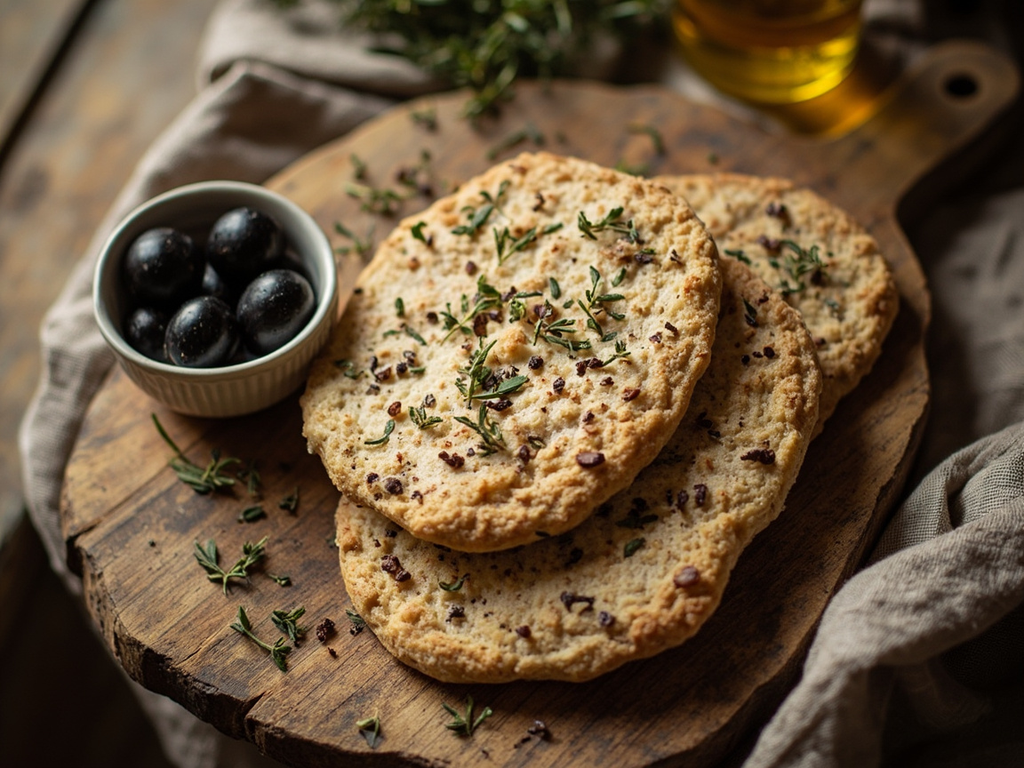
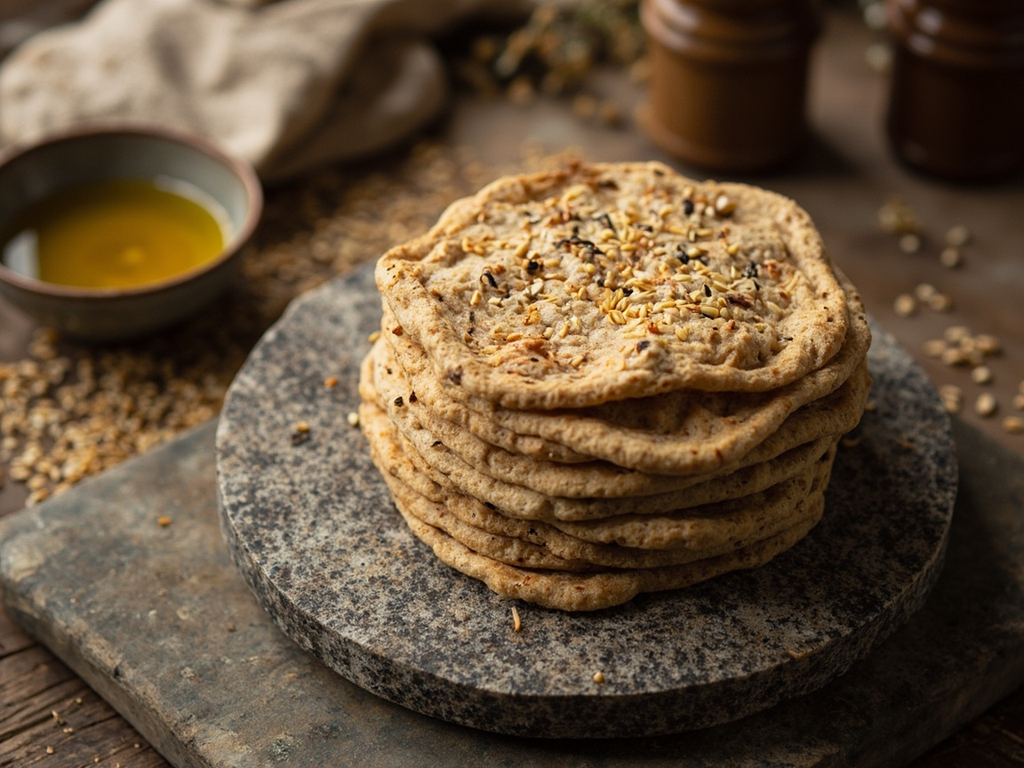
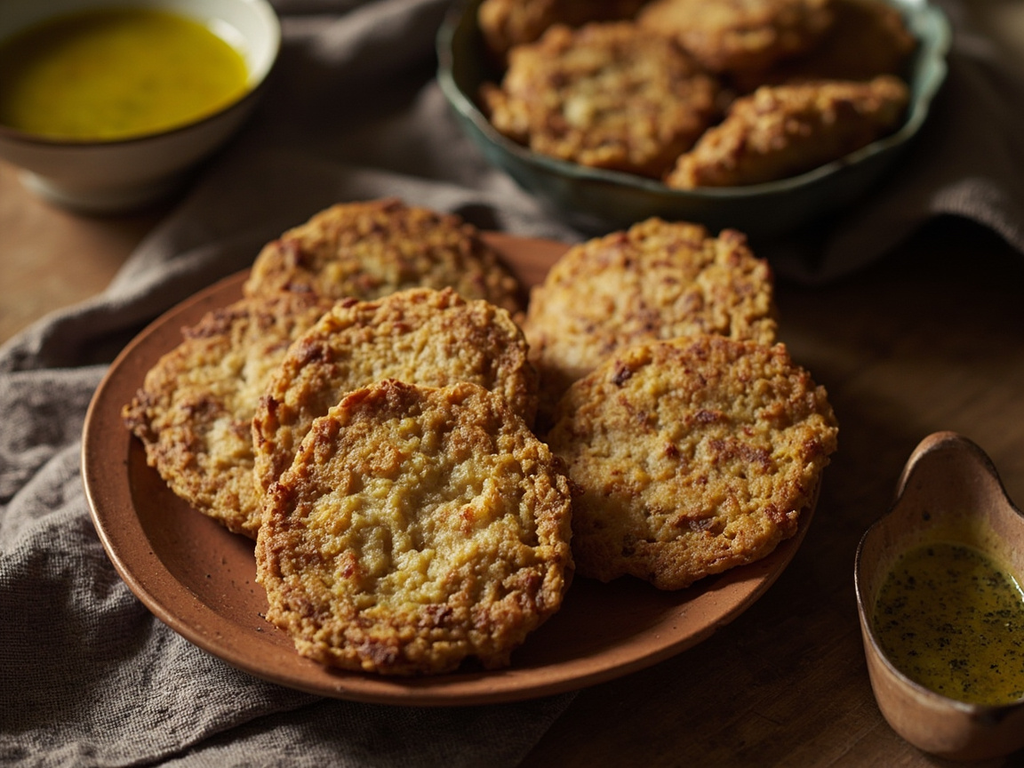
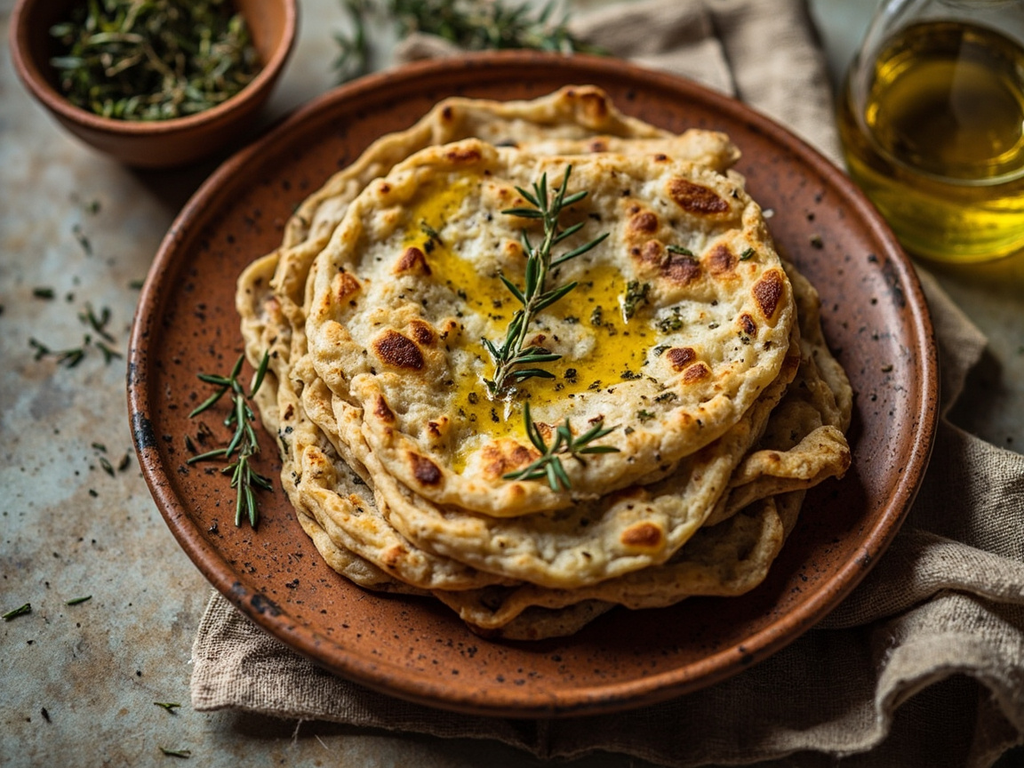
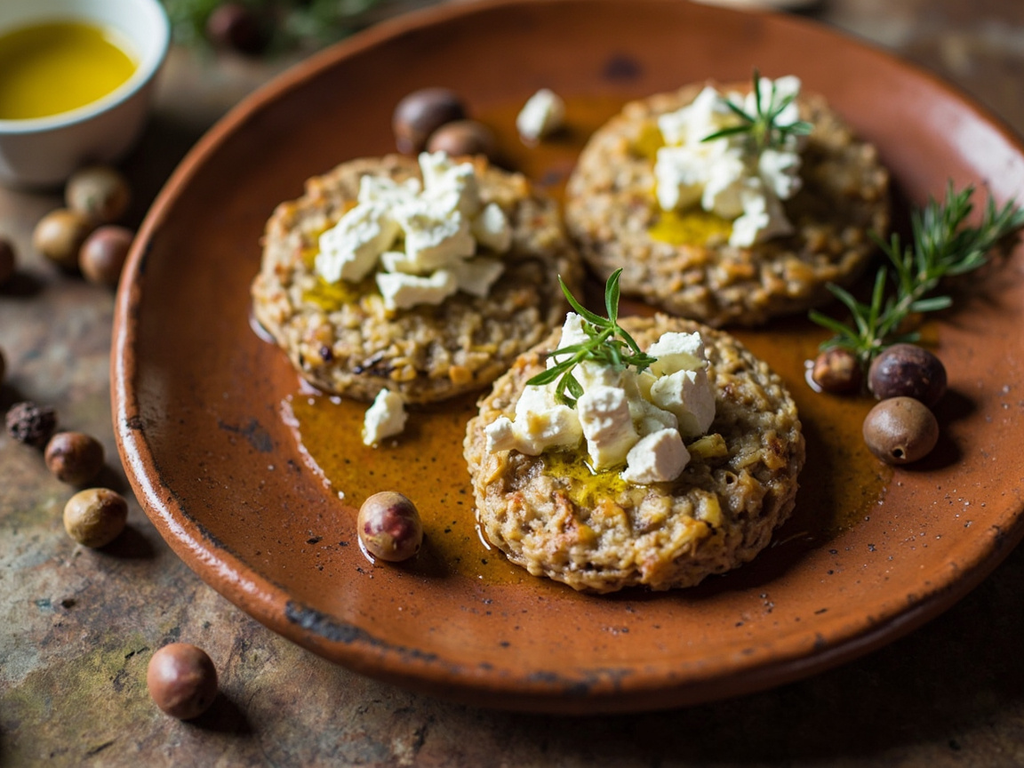
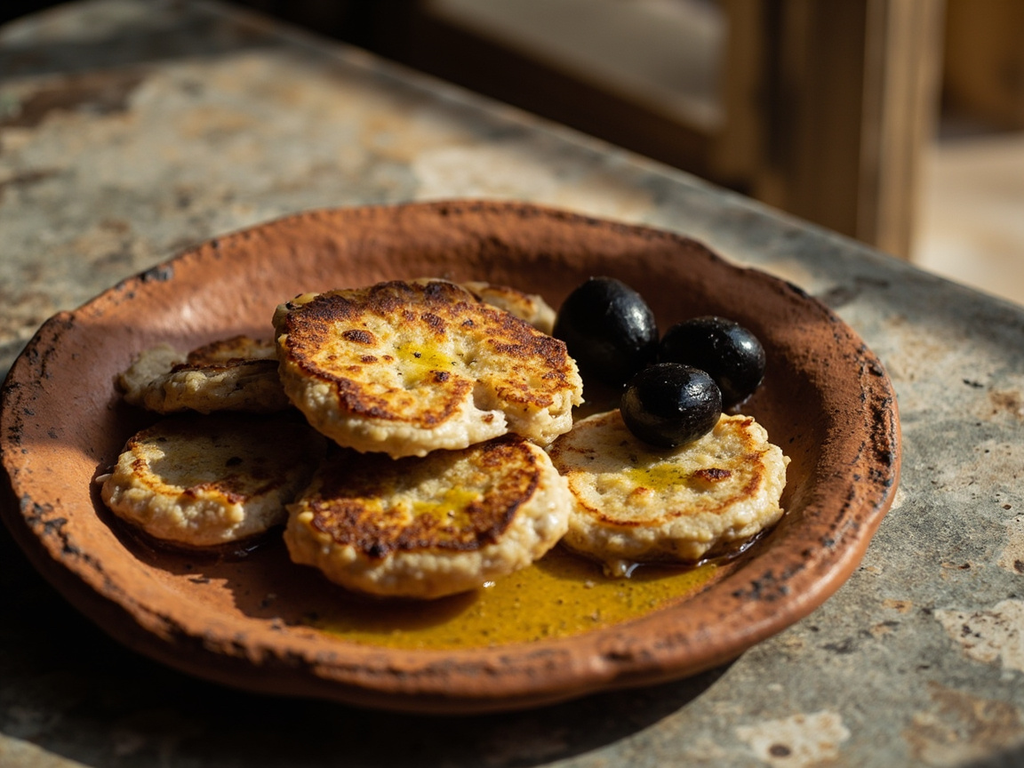
A dense cake of roasted barley, simply kneaded with water and olive oil, flavored with a little salt. More rustic and slightly bitter than wheat bread, it keeps and travels easily.
Stranger, do not seek at my table the white bread of the rich of Alexandria. I roast my barley, crush it between two stones, and from that flour I knead the maza with my own fingers, with a drizzle of oil and water from the cistern. While I chew it, I look up: the Sun you see racing — it is we who revolve around him — and this humble cake keeps my belly quiet enough to dare think it.
- •Roasted barley flour — two handfuls (cereal base)
- •Olive oil — a drizzle (binder and flavor)
- •Water — as needed (kneading)
- •Sea salt — a pinch (seasoning)
Maza, the Scholar's Barley Cake
A dense cake of roasted barley, simply kneaded with water and olive oil, flavored with a little salt. More rustic and slightly bitter than wheat bread, it keeps and travels easily.
Why this dish? Maza was the bread of the poor and the wise: kneaded in an instant, eaten cold, it nourished a man bent all day over his tablets and gnomon without cooking. Aristarchus, like any modest Greek, made it his staple food.
Stranger, do not seek at my table the white bread of the rich of Alexandria. I roast my barley, crush it between two stones, and from that flour I knead the maza with my own fingers, with a drizzle of oil and water from the cistern. While I chew it, I look up: the Sun you see racing — it is we who revolve around him — and this humble cake keeps my belly quiet enough to dare think it.
Ingredients (period version)
- Roasted barley flour — two handfuls (cereal base)
- Olive oil — a drizzle (binder and flavor)
- Water — as needed (kneading)
- Sea salt — a pinch (seasoning)
Ingredients
- Barley flour (or blended barley flakes) — 150 g (cereal base)
- Extra virgin olive oil — 2 tbsp (binder and flavor)
- Warm water — 80 to 100 ml (kneading)
- Salt — 1/2 tsp (seasoning)
Method
- If starting from grains or flakes, toast them dry in a pan for a few minutes until nutty-smelling, then grind into flour.
- Mix the barley flour and salt in a bowl.
- Add the oil, then the warm water little by little, kneading by hand until a soft but firm dough forms.
- Shape flat cakes about 1 cm thick.
- Eat as is, Greek-style, or pass them 2 minutes per side on a stone or hot pan to firm up.
How it was made : Maza was not always cooked: it was often eaten raw, simply a paste of roasted barley kneaded at mealtime, accompanied by olives, onion, or cheese. Barley, easier to grow than wheat on the poor soils of islands like Samos, was the food of the many.
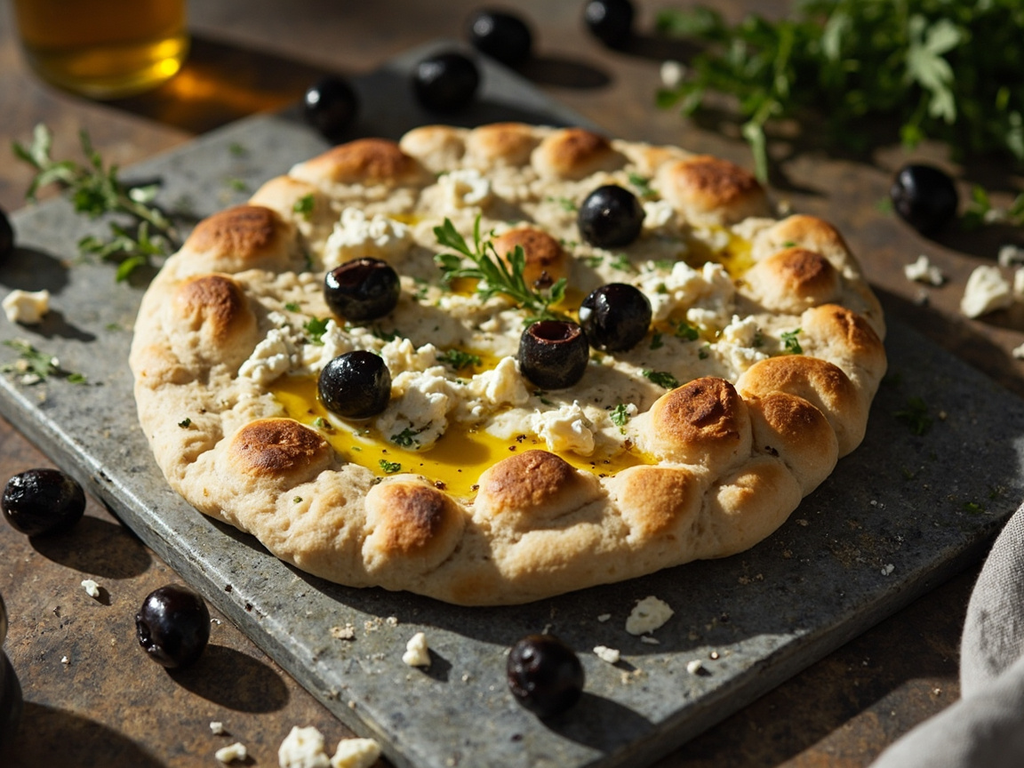
The contemporary twist : Serve it as a "philosopher's plate": maza, black olives, crumbled feta, and a drizzle of oil, to nibble while stargazing.
Sources : Andrew Dalby, Siren Feasts: A History of Food and Gastronomy in Greece · Athenaeus of Naucratis, The Deipnosophists (Book III)
Aristarchus · Charactorium