 flip
flipCaraway Sauerkraut, the Winter Reserve
Caraway Sauerkraut, the Winter Reserve
Why this dish? Sauerkraut is the quintessential preserved food of the popular Germany Brecht knew: cabbage and salt transformed by fermentation to last through winter. A cuisine of survival and working-class foresight, true to his avowed materialism.
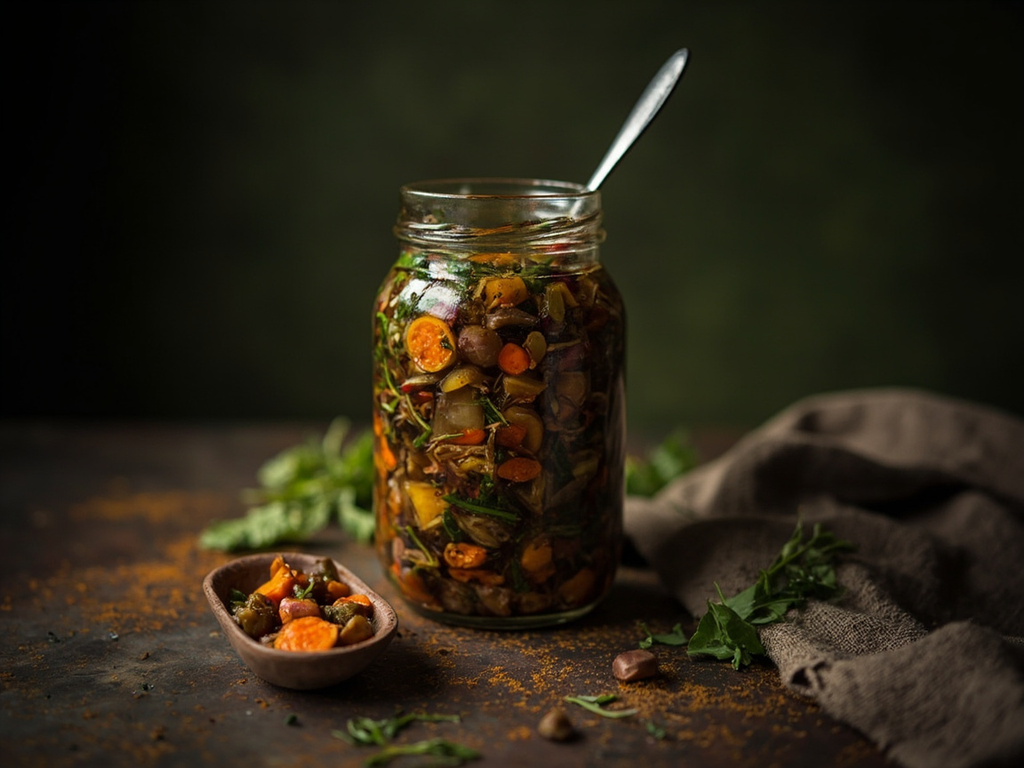
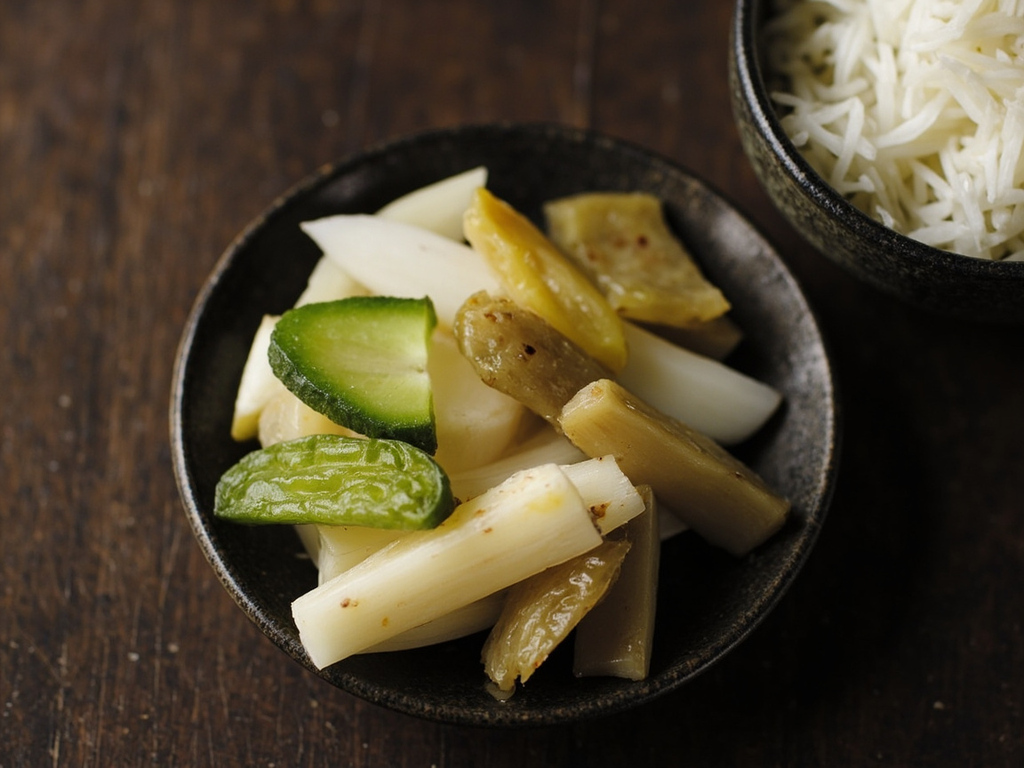
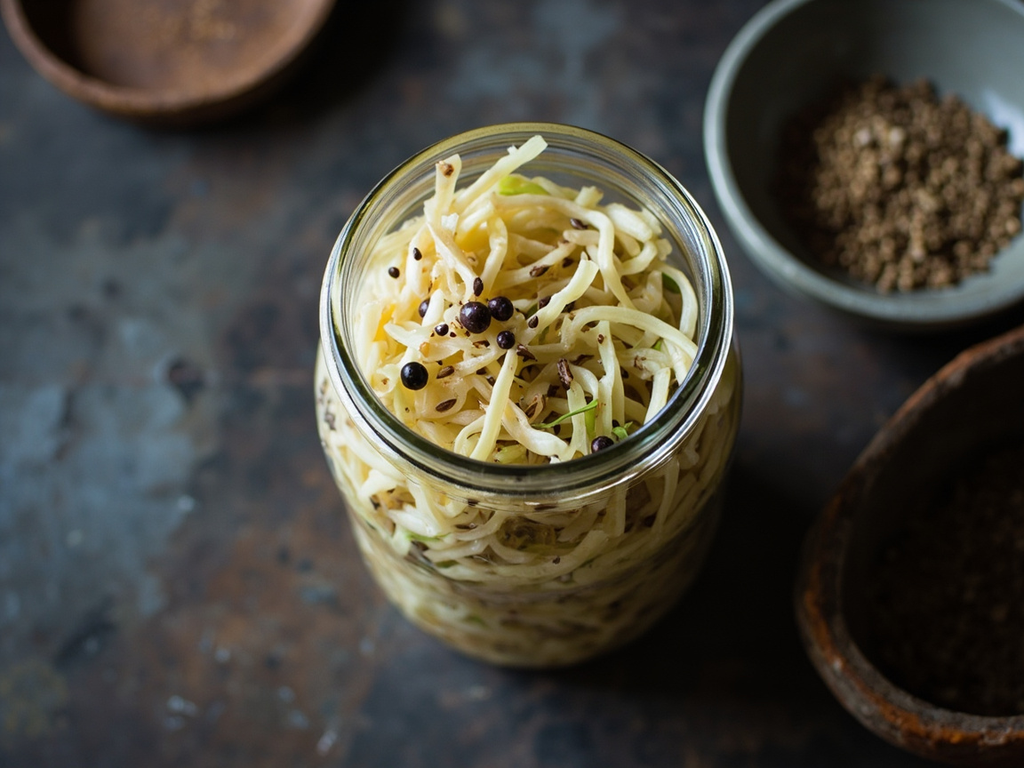
Finely shredded white cabbage, salted and packed, left to ferment for several weeks until sour, keeping for months. Spiced with caraway, it is the sour side that awakens winter's fatty dishes.
Do you want to know how the poor man gets through winter without starving? With a barrel of cabbage and a handful of coarse salt, nothing else. You cut the cabbage fine as paper, rub it with salt until it releases its water, pack it down, and let time do the work for you — because fermentation is work that does itself, and that I like. After a few weeks, your cabbage is sour, alive, and it will last till spring. Add caraway: it helps the belly and flavors the misery.
- •White cabbage — several heads (base to ferment)
- •Coarse salt — about 1 part per 50 of cabbage (brine / preservation)
- •Caraway — a handful (signature spice and digestive)
- •Juniper berries — a few (flavor (optional))
Caraway Sauerkraut, the Winter Reserve
Finely shredded white cabbage, salted and packed, left to ferment for several weeks until sour, keeping for months. Spiced with caraway, it is the sour side that awakens winter's fatty dishes.
Why this dish? Sauerkraut is the quintessential preserved food of the popular Germany Brecht knew: cabbage and salt transformed by fermentation to last through winter. A cuisine of survival and working-class foresight, true to his avowed materialism.
Do you want to know how the poor man gets through winter without starving? With a barrel of cabbage and a handful of coarse salt, nothing else. You cut the cabbage fine as paper, rub it with salt until it releases its water, pack it down, and let time do the work for you — because fermentation is work that does itself, and that I like. After a few weeks, your cabbage is sour, alive, and it will last till spring. Add caraway: it helps the belly and flavors the misery.
Ingredients (period version)
- White cabbage — several heads (base to ferment)
- Coarse salt — about 1 part per 50 of cabbage (brine / preservation)
- Caraway — a handful (signature spice and digestive)
- Juniper berries — a few (flavor (optional))
Ingredients
- White cabbage — 1 kg (shredded) (base to ferment)
- Non-iodized salt — 20 g (2% of weight) (brine / preservation)
- Caraway seeds — 1 tsp (signature spice and digestive)
- Juniper berries — 5-6 (flavor)
Method
- Shred the cabbage very finely (reserve 1 or 2 large whole leaves).
- Mix with salt in a large bowl and massage for 10 minutes until it releases a lot of liquid.
- Add caraway and juniper, then pack the cabbage tightly into a clean jar, ensuring it is submerged in its own juice.
- Cover with the reserved whole leaf and a weight to keep the cabbage under the brine; close without sealing completely (gases need to escape).
- Ferment at room temperature (18-20 °C) for 2 to 4 weeks, checking that the cabbage stays submerged, then store in a cool place.
- Serve as a condiment, or gently reheated to accompany meats and sausages.
How it was made : Lacto-fermentation of cabbage was, before refrigeration, the main vegetable reserve for winter in Central and Northern Europe. Rich in vitamin C, sauerkraut long protected against scurvy. It was stored in stoneware barrels in cellars, packed under its juice to avoid contact with air.
The contemporary twist : In a small homemade fermentation jar, sauerkraut becomes trendy 'live homemade'; a raw spoonful in a sandwich provides the tangy kick sought by probiotic enthusiasts.
Bertolt Brecht · Charactorium