 flip
flipHipocrás (Spiced Honeyed Wine)
Hipocrás (Spiced Honeyed Wine)
Why this dish? Wine was part of the daily ración on board, but diluted with water and quickly turning sour. On land, in fine houses and at court, it was transformed into hipocrás: sweetened, perfumed with cinnamon and ginger — the very Eastern spices Columbus sought to reach. It is the drink that closes the banquets of his world and embodies his quest.
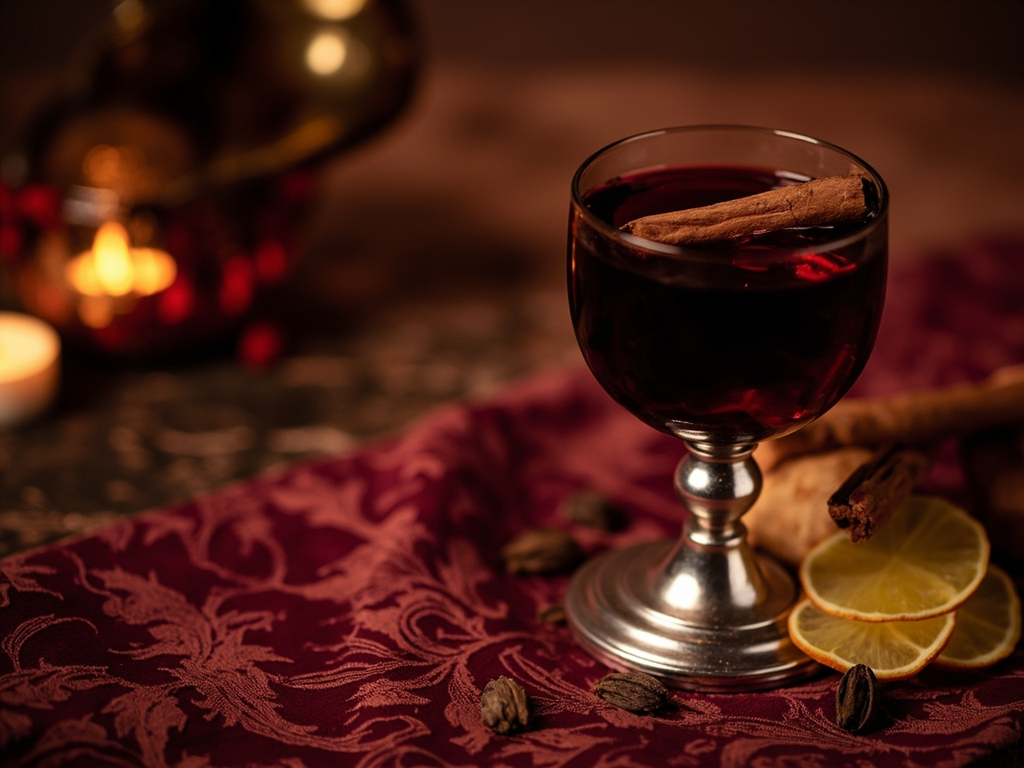
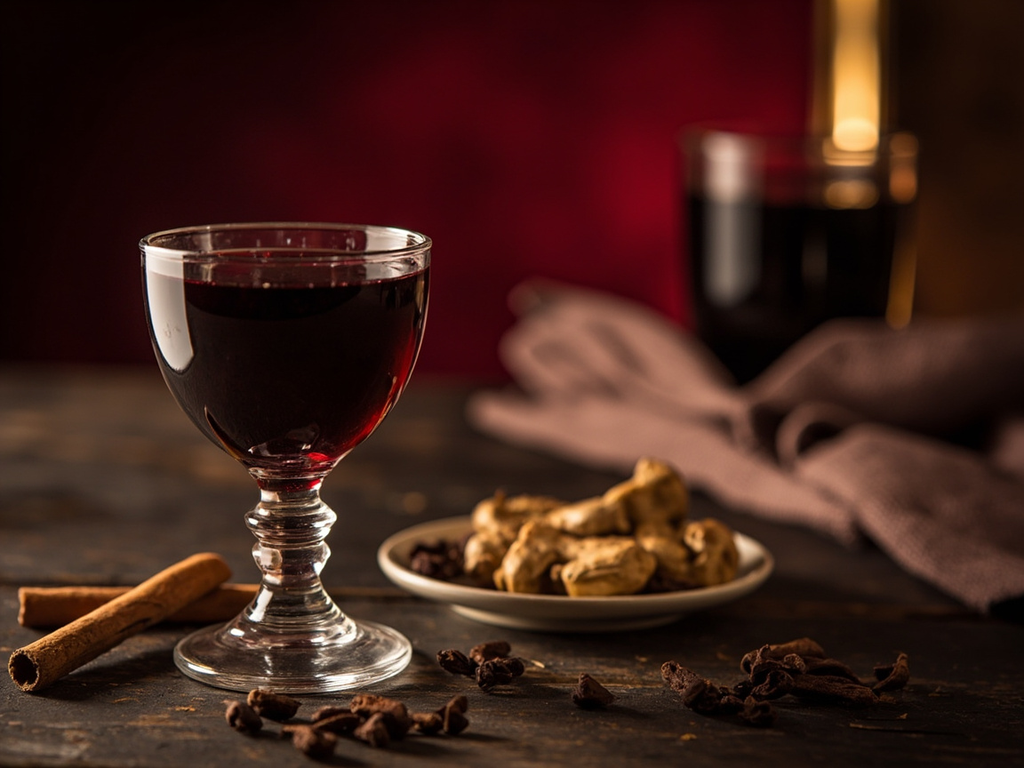
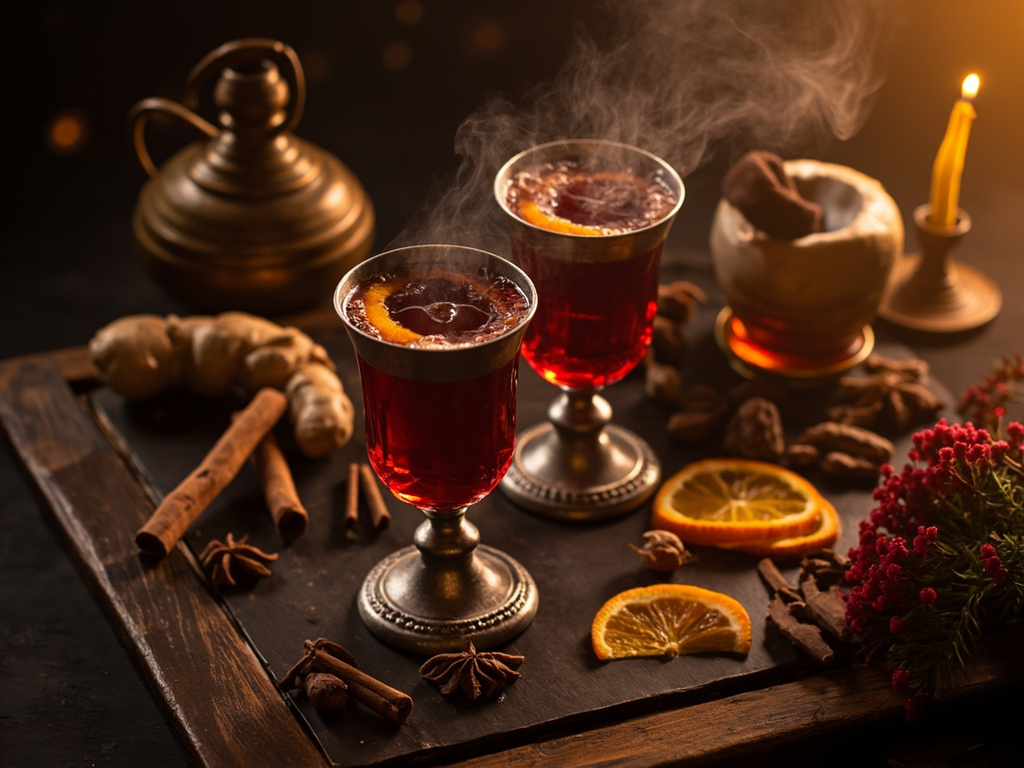
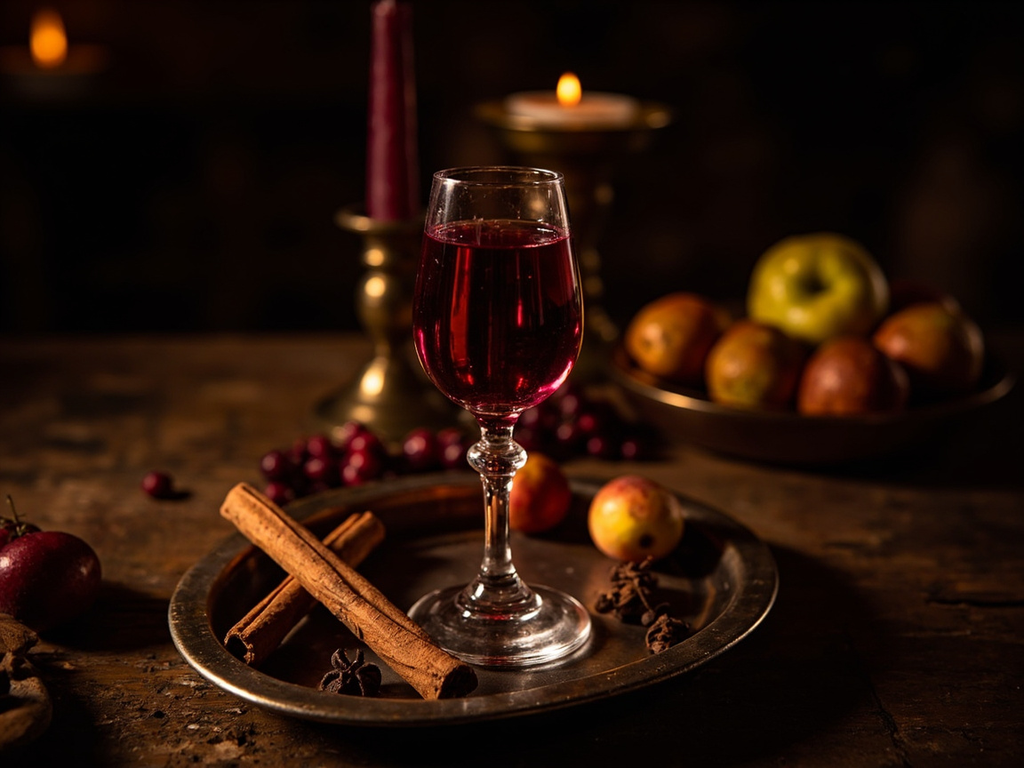
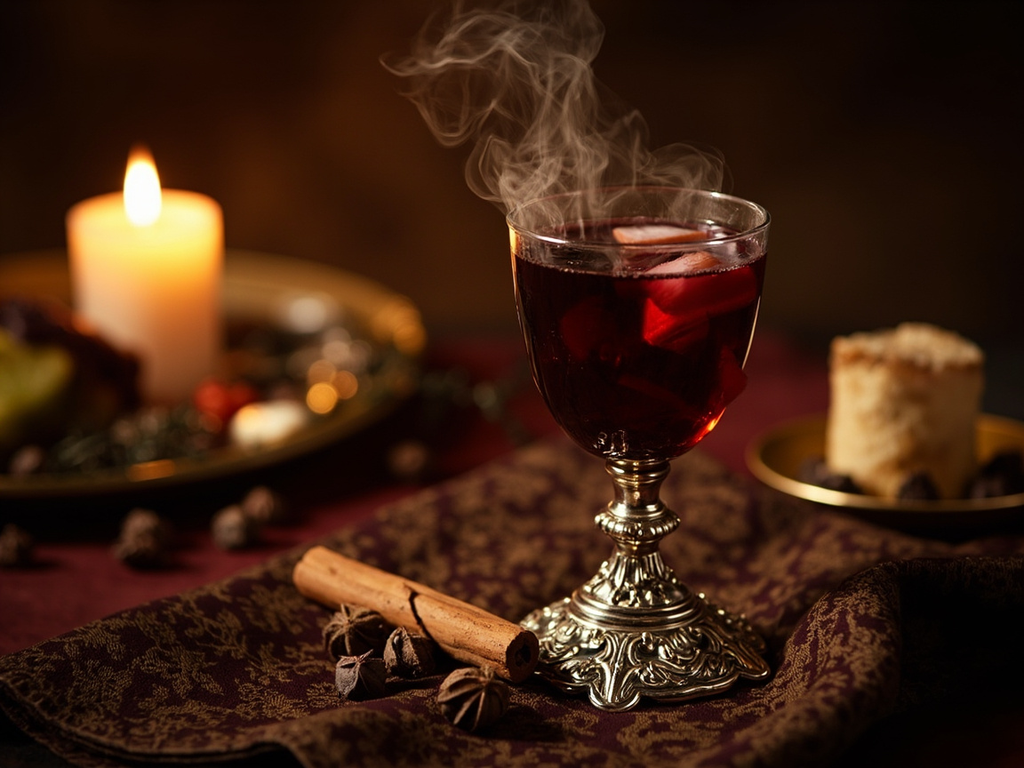
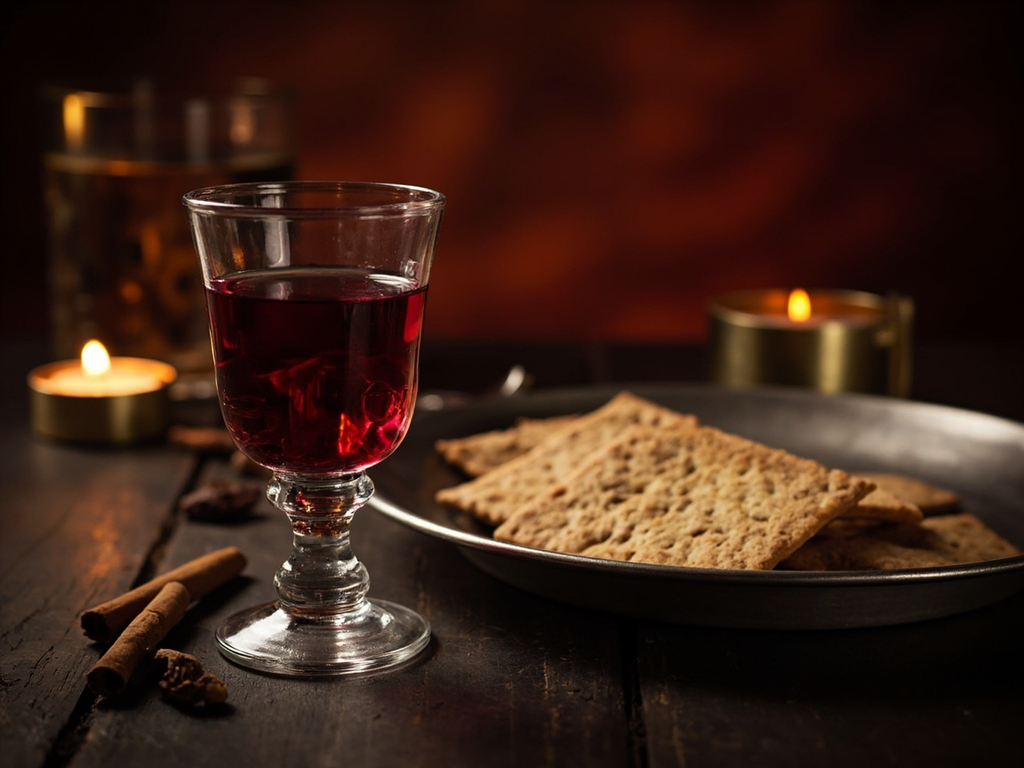
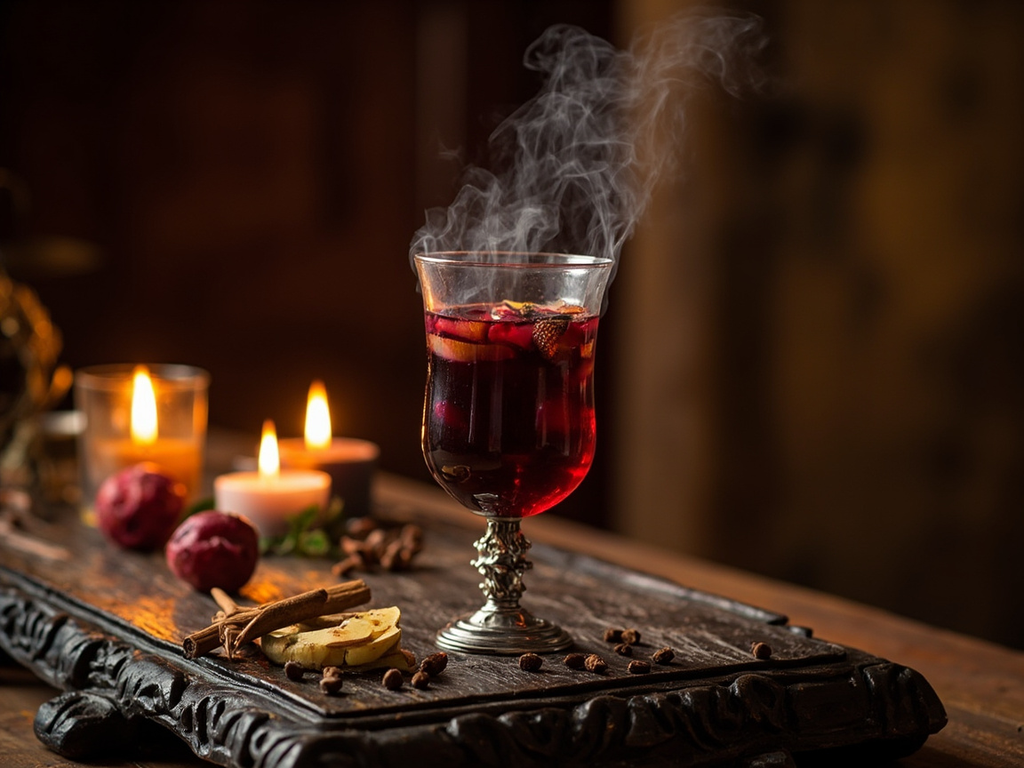
Wine warmed and sweetened with honey or sugar, infused with a bouquet of noble spices — cinnamon, ginger, clove — then filtered until clear. Hot and fragrant, it is both a festive pleasure and a cordial reputed to strengthen the body.
After a great meal, or on nights when the cold bites, nothing gladdens the heart like a good hipocrás. Take honest wine, warm it with honey, and throw in cinnamon, ginger, and a clove — those Eastern spices for which, you see, I set sail toward the west. Pass it through a cloth sleeve until it is clear as a ruby. They say it fortifies the stomach and drives away cold humors; I know above all that it warms the man who has long kept watch on the deck.
- •Red wine — a good quantity (base)
- •Honey or sugar — generous (sweetness)
- •Cinnamon — one stick (signature spice)
- •Ginger — a piece (hot spice)
- •Clove — a few (spice)
- •Grains of paradise or long pepper — a pinch (rich table) (rare spice)
Hipocrás (Spiced Honeyed Wine)
Wine warmed and sweetened with honey or sugar, infused with a bouquet of noble spices — cinnamon, ginger, clove — then filtered until clear. Hot and fragrant, it is both a festive pleasure and a cordial reputed to strengthen the body.
Why this dish? Wine was part of the daily ración on board, but diluted with water and quickly turning sour. On land, in fine houses and at court, it was transformed into hipocrás: sweetened, perfumed with cinnamon and ginger — the very Eastern spices Columbus sought to reach. It is the drink that closes the banquets of his world and embodies his quest.
After a great meal, or on nights when the cold bites, nothing gladdens the heart like a good hipocrás. Take honest wine, warm it with honey, and throw in cinnamon, ginger, and a clove — those Eastern spices for which, you see, I set sail toward the west. Pass it through a cloth sleeve until it is clear as a ruby. They say it fortifies the stomach and drives away cold humors; I know above all that it warms the man who has long kept watch on the deck.
Ingredients (period version)
- Red wine — a good quantity (base)
- Honey or sugar — generous (sweetness)
- Cinnamon — one stick (signature spice)
- Ginger — a piece (hot spice)
- Clove — a few (spice)
- Grains of paradise or long pepper — a pinch (rich table) (rare spice)
Ingredients
- Full-bodied red wine — 750 ml (base)
- Honey — 80 g (sweetness)
- Cinnamon stick — 1 (signature spice)
- Fresh ginger — 3 thin slices (hot spice)
- Cloves — 3 (spice)
- Nutmeg — 1 pinch grated (spice)
Method
- Pour the wine into a saucepan and heat gently without boiling.
- Add the honey and stir until completely dissolved.
- Add the cinnamon, ginger, cloves, and nutmeg.
- Let infuse over very low heat for 15 to 20 minutes, without boiling to preserve the aromas.
- Filter carefully through a fine cloth (the "Hippocratic sleeve") until the liquid is clear.
- Serve hot in small cups — or let cool to drink chilled in summer.
How it was made : Hypocras takes its name from the "Hippocratic sleeve," the conical cloth bag used to filter it. A prestige drink due to its costly spices, it was both a banquet delight and a remedy in humoral medicine, believed to warm and strengthen. It was prepared both cold (maceration) and hot, depending on recipes and regions.
The contemporary twist : Served over a large ice cube with an orange twist — an "Indies hypocras" that could never have existed in Columbus's time, precisely because he was still dreaming of getting there.
Sources : Le Ménagier de Paris (14th century, recipe for hypocras) · Ruperto de Nola, Libro de Cozina (c. 1520)
Christopher Columbus · Charactorium