 flip
flipSkreið — Wind-Dried Cod from the North
Skreið — Wind-Dried Cod from the North
Why this dish? Erik crossed the ocean twice on a *knörr*, from Iceland to unknown Greenland in 982, then to bring back settlers in 985. Without dried fish, no crossing: *skreið*, light and imperishable, was the bread of the northern seas, hung aboard and chewed raw during the long weeks of navigation.
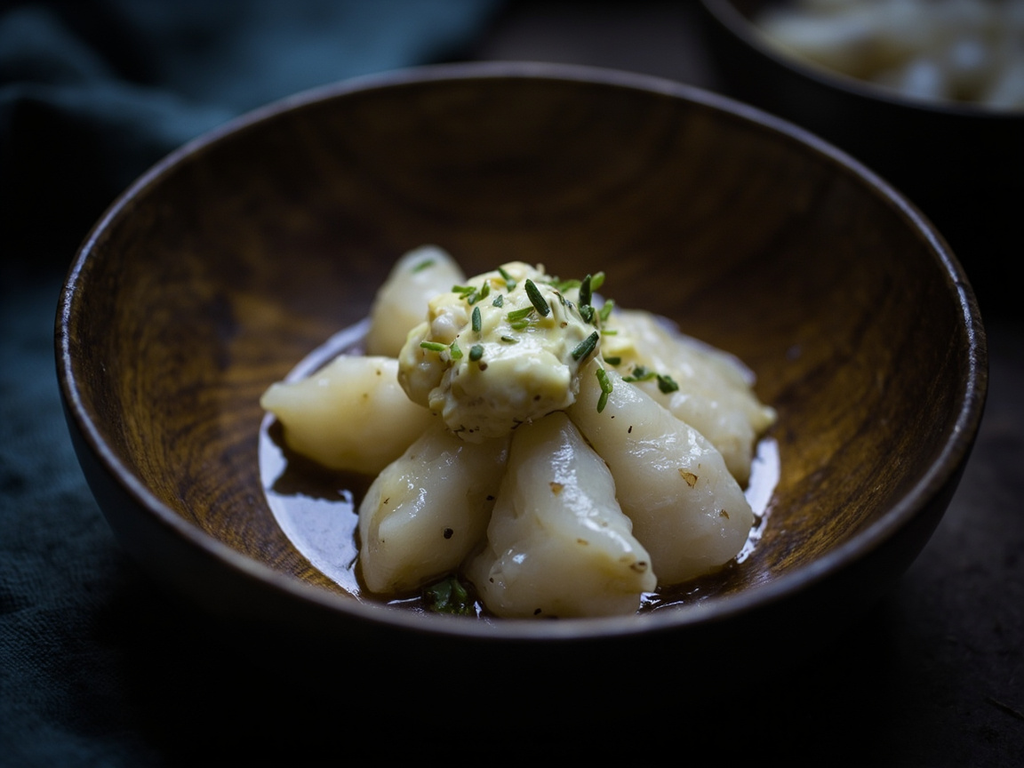
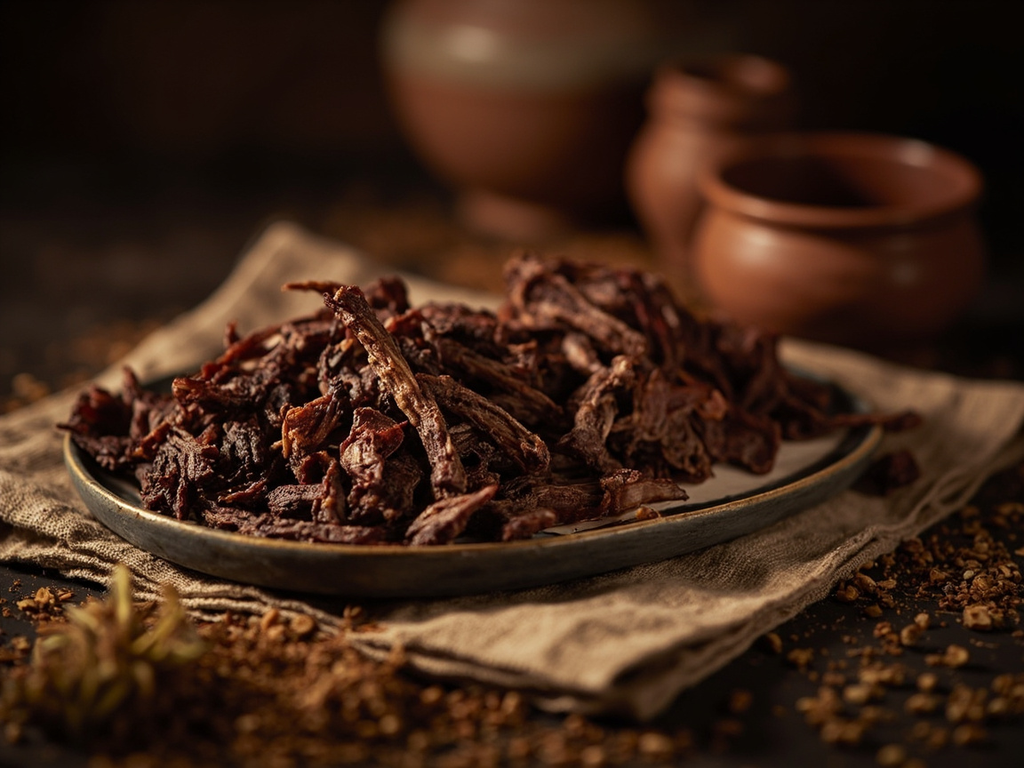
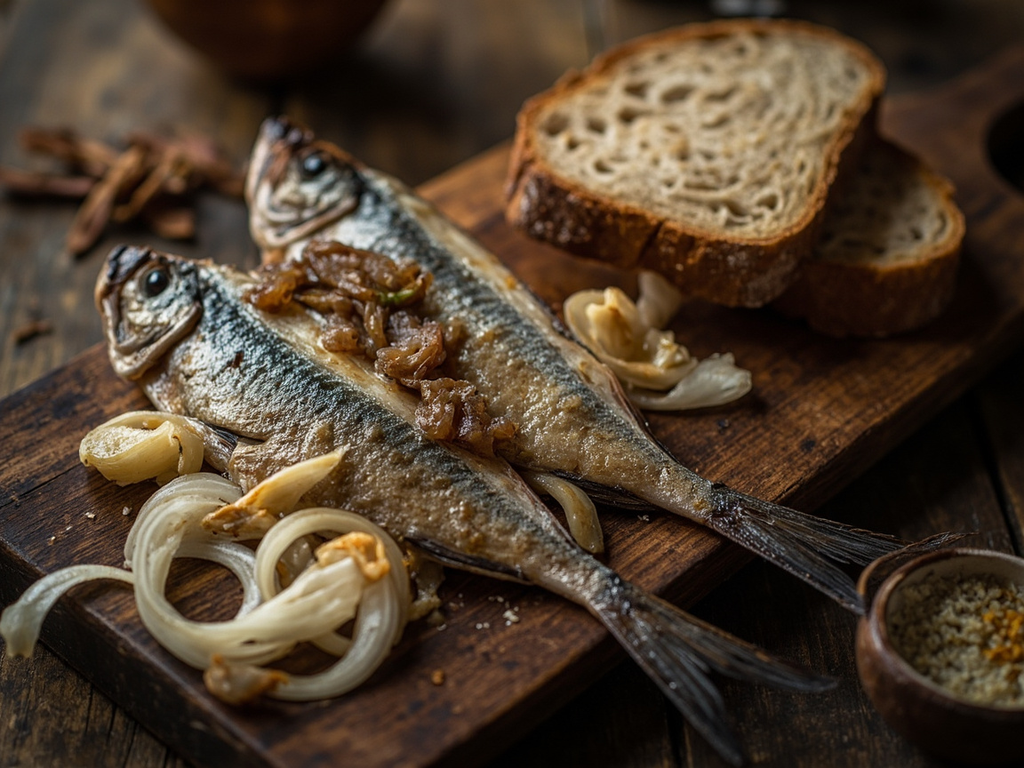
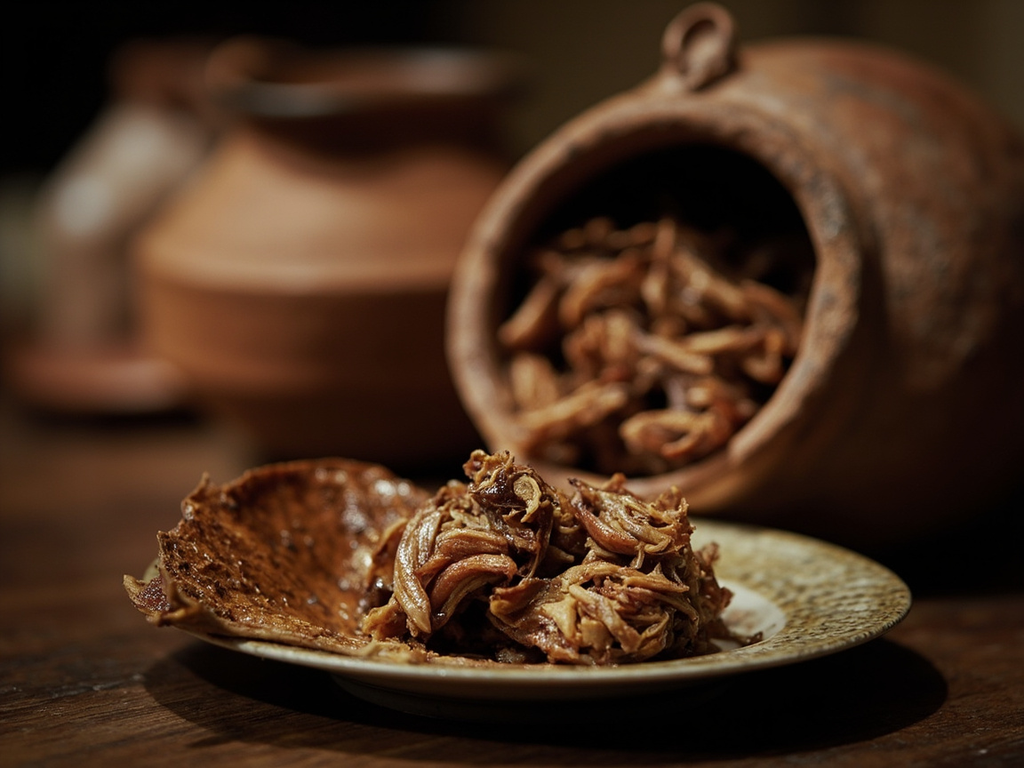
Lean fish (cod, pollock, haddock) gutted, opened, and hung in the freezing open air until hard as wood. No salt, scarce in Greenland: the dry cold and wind preserve it. You break it into fibrous shreds with a concentrated, deeply marine taste, chewed as is or softened in broth or butter.
Listen well, you who take to the sea. Grain does not grow on my green land, but the fish — the wind keeps it for you. We split the cod down the back, hang it on racks facing the north wind, and let the frost and breeze do the work for months. When it rings hard under the finger like driftwood, it will keep from one winter to the next. On the *knörr* I had a whole chest of it: you break it, you chew it, and a man stands strong where others fall.
- •Whole fresh cod (or pollock, haddock) — as caught (material to dry)
- •Cold, dry north wind — several weeks (preserving agent)
Skreið — Wind-Dried Cod from the North
Lean fish (cod, pollock, haddock) gutted, opened, and hung in the freezing open air until hard as wood. No salt, scarce in Greenland: the dry cold and wind preserve it. You break it into fibrous shreds with a concentrated, deeply marine taste, chewed as is or softened in broth or butter.
Why this dish? Erik crossed the ocean twice on a *knörr*, from Iceland to unknown Greenland in 982, then to bring back settlers in 985. Without dried fish, no crossing: *skreið*, light and imperishable, was the bread of the northern seas, hung aboard and chewed raw during the long weeks of navigation.
Listen well, you who take to the sea. Grain does not grow on my green land, but the fish — the wind keeps it for you. We split the cod down the back, hang it on racks facing the north wind, and let the frost and breeze do the work for months. When it rings hard under the finger like driftwood, it will keep from one winter to the next. On the *knörr* I had a whole chest of it: you break it, you chew it, and a man stands strong where others fall.
Ingredients (period version)
- Whole fresh cod (or pollock, haddock) — as caught (material to dry)
- Cold, dry north wind — several weeks (preserving agent)
Ingredients
- Very fresh cod fillets with skin — 4 thick fillets (material to dry)
- Coarse salt (optional, to speed up in mild climates) — 2 tbsp (drying aid (modern))
- Butter or fish broth — for serving (rehydration at serving)
Method
- Gut and rinse the cod, split it in half along the backbone without completely separating the two sides.
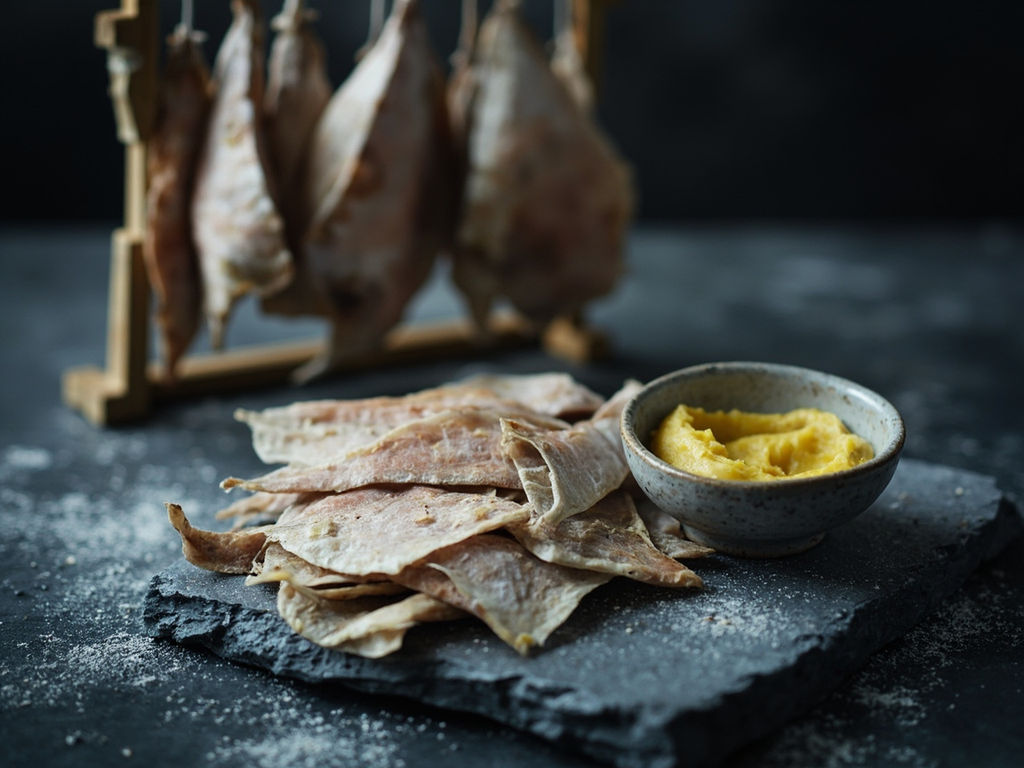
- For authentic drying: hang outdoors in cold (2–7 °C), dry, windy weather, protected from rain, for 4 to 8 weeks until the flesh is hard and translucent.
- Apartment adaptation: rub very lightly with salt, place on a rack in the refrigerator for 5–7 days, turning occasionally, then finish in an oven with the door ajar at 50 °C for a few hours.
- To serve, break into flakes. Chew as is like the sailors, or soak overnight in cold water then poach in broth and drizzle with melted butter.
How it was made : *Skreið* (stockfish) dried without salt in the cold wind is attested from the Viking Age and became an economic pillar of medieval Iceland and Norway. It was precisely this technique that made long Atlantic crossings possible: a food that does not rot, ultra-light when dry, and found in Norse farms of that period.
The contemporary twist : Serve the rehydrated flake 'navigator's cod' style on a slate board, with brown butter and a pinch of dried seaweed — a nod to the *knörr* chest.
Erik the Red · Charactorium