 flip
flipShepherd's Maza, Barley Cake with Cheese and Olives
Shepherd's Maza, Barley Cake with Cheese and Olives
Why this dish? Acis, Galatea's love, was a Sicilian shepherd on the slopes of Etna. His everyday food was *maza*: the barley cake kneaded without elaborate cooking, eaten with a little cheese and a few olives. It is the humble meal he may have shared with the Nereid, far from banquets.
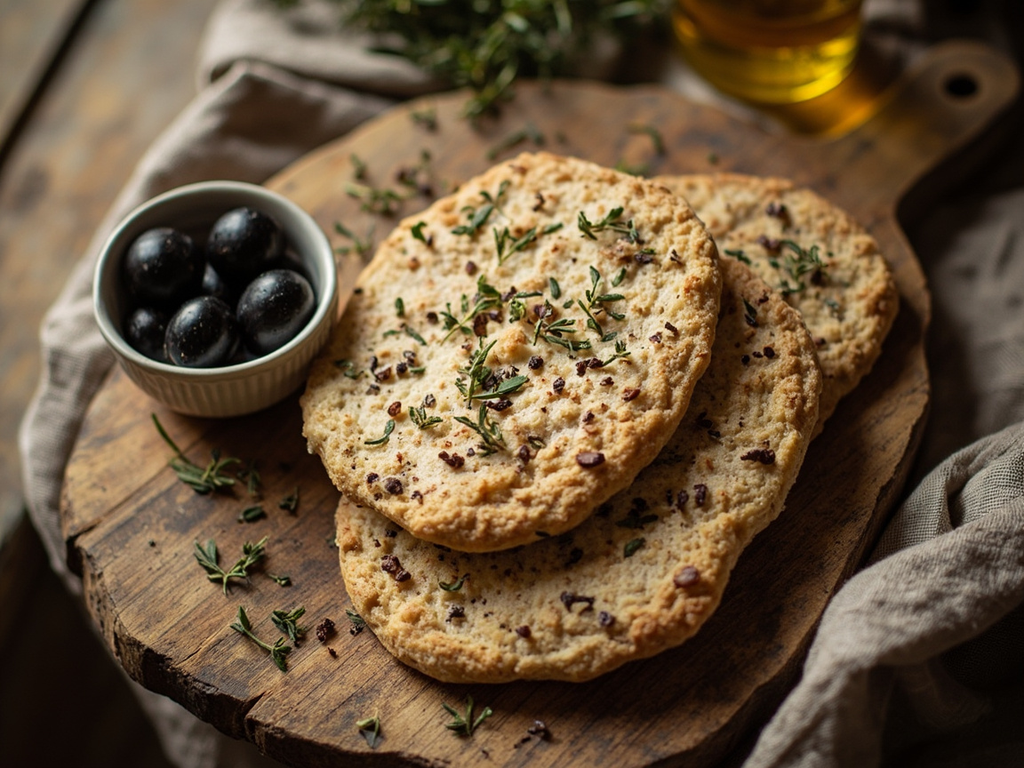
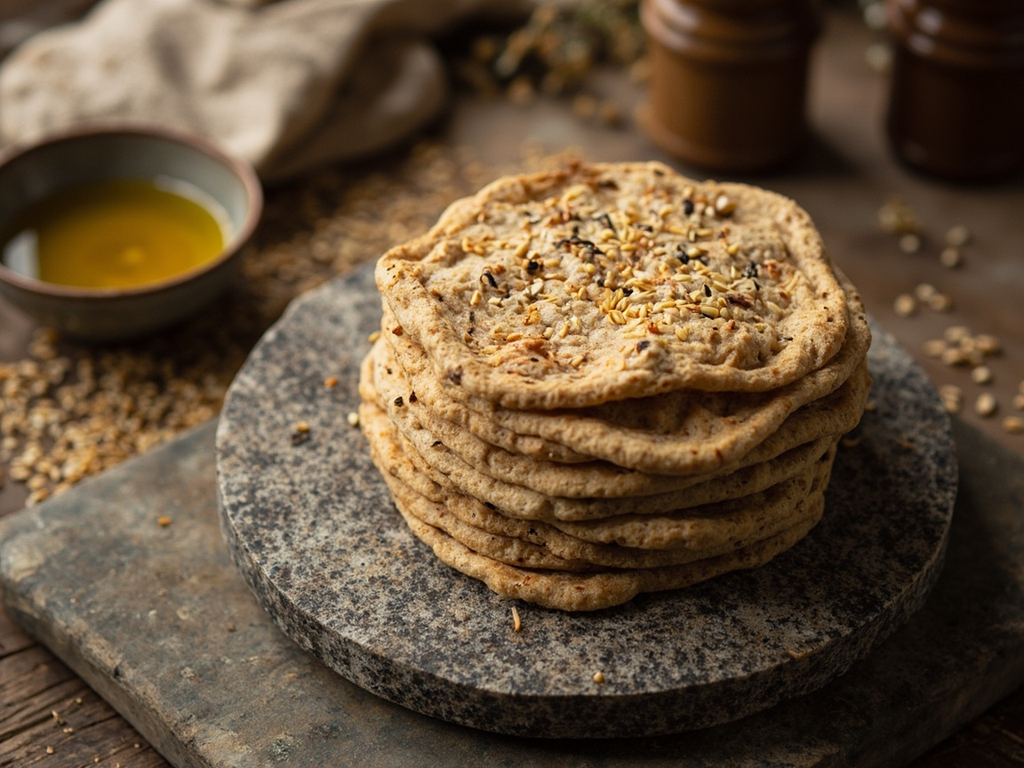
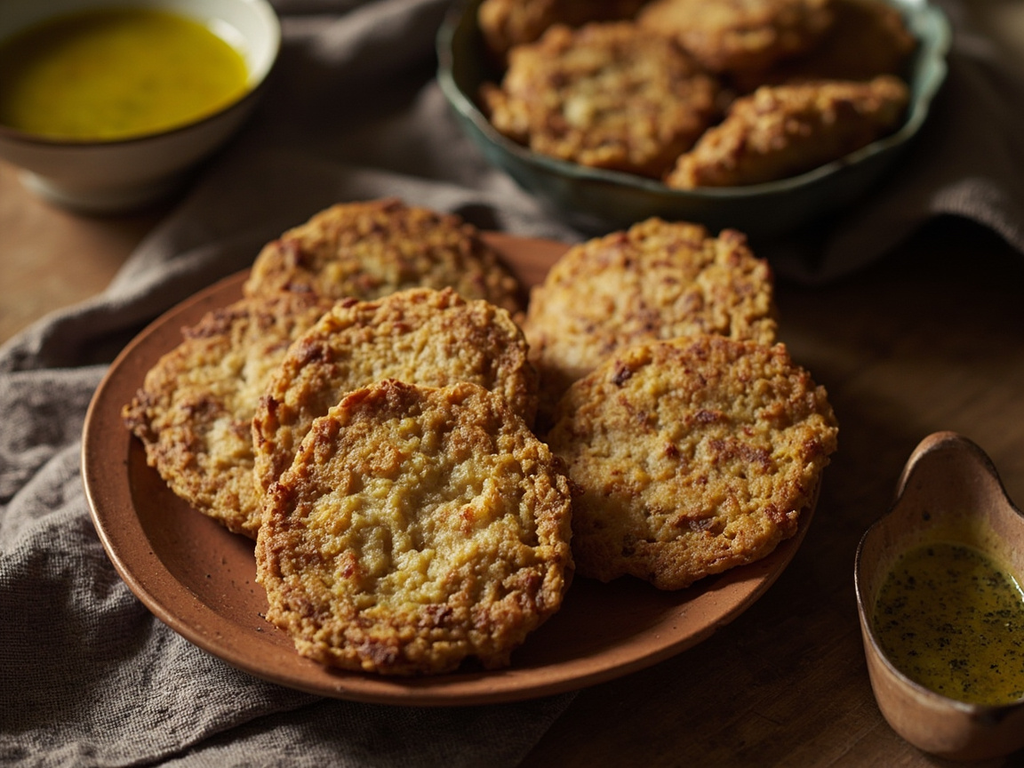
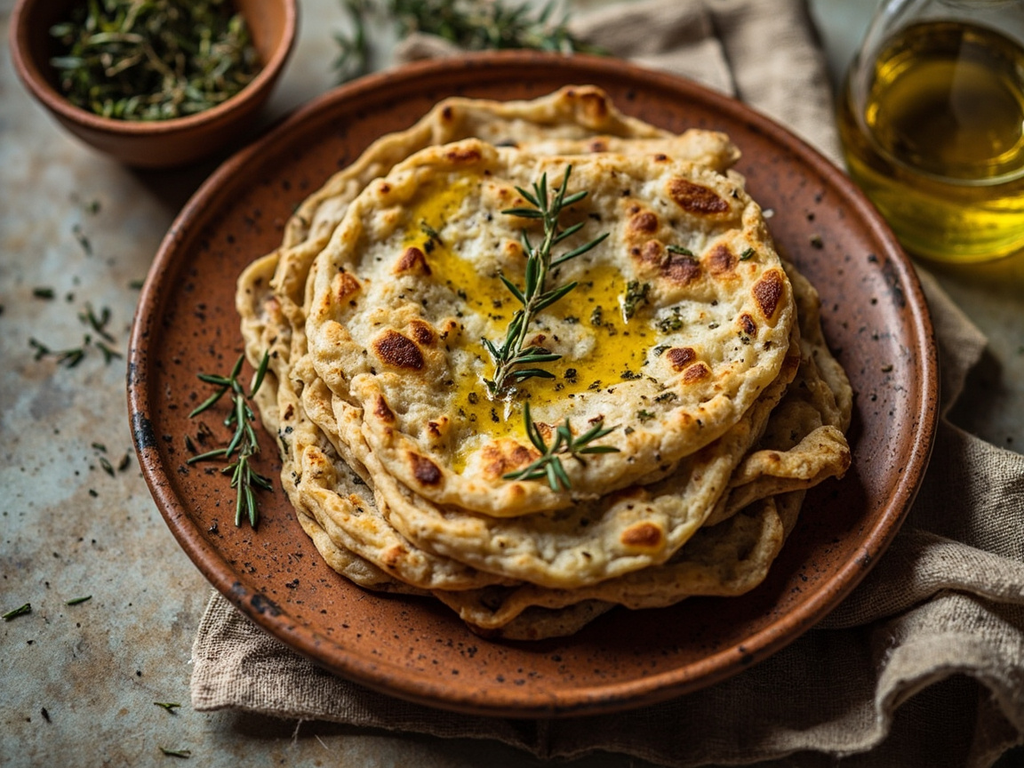
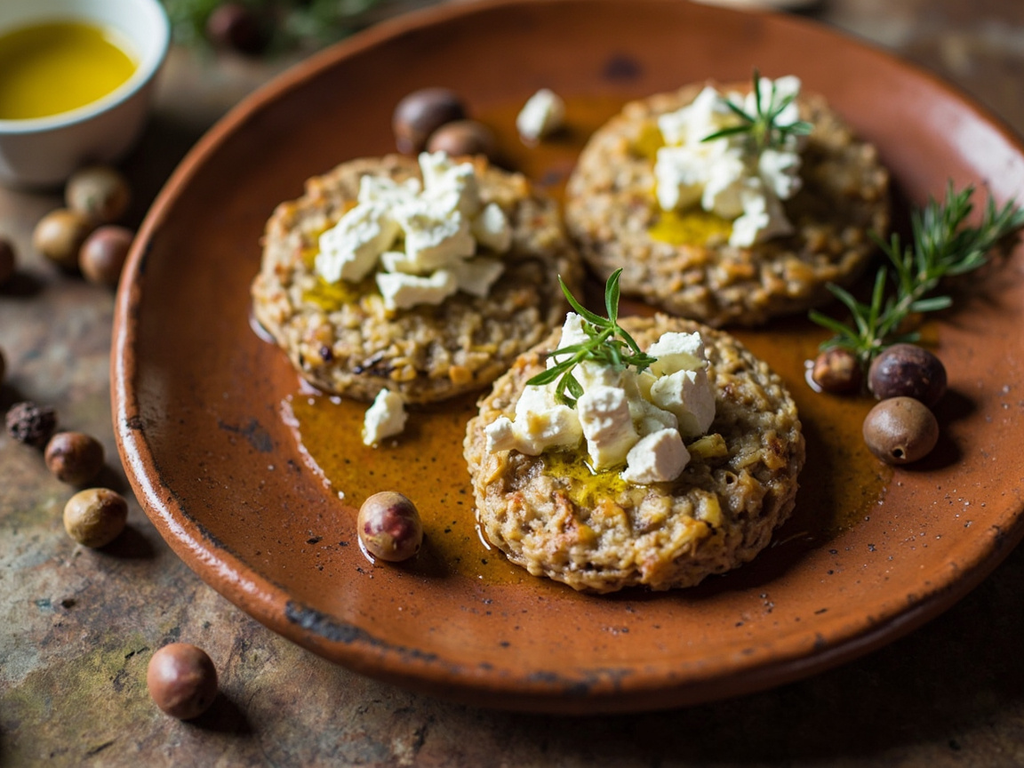
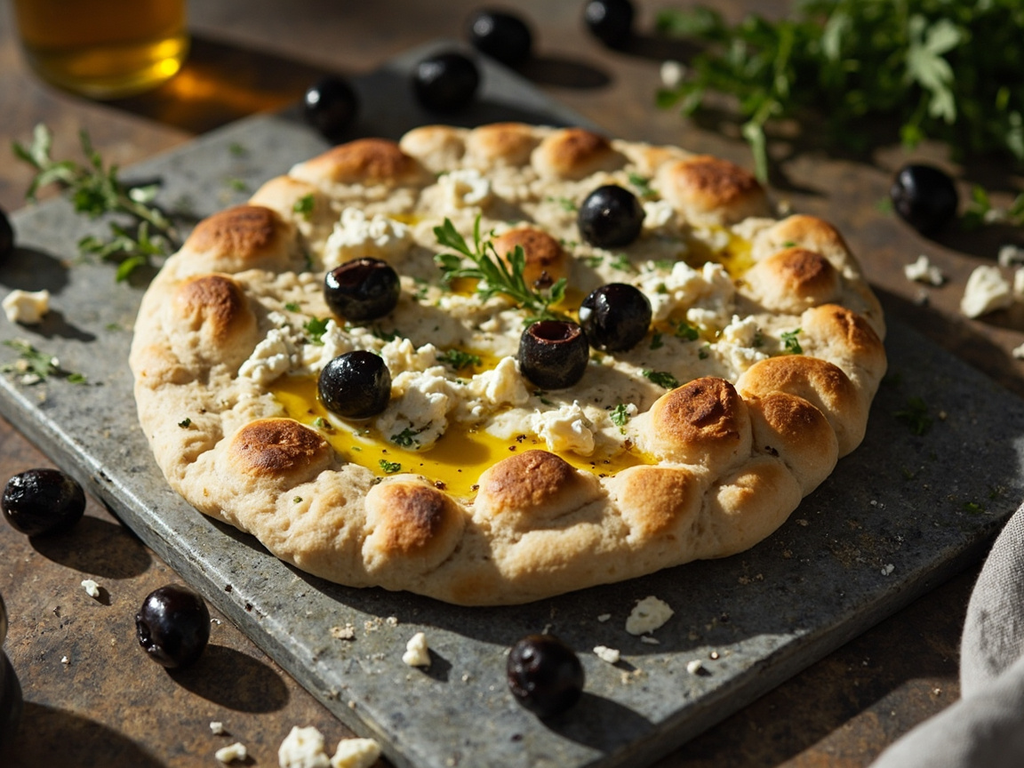
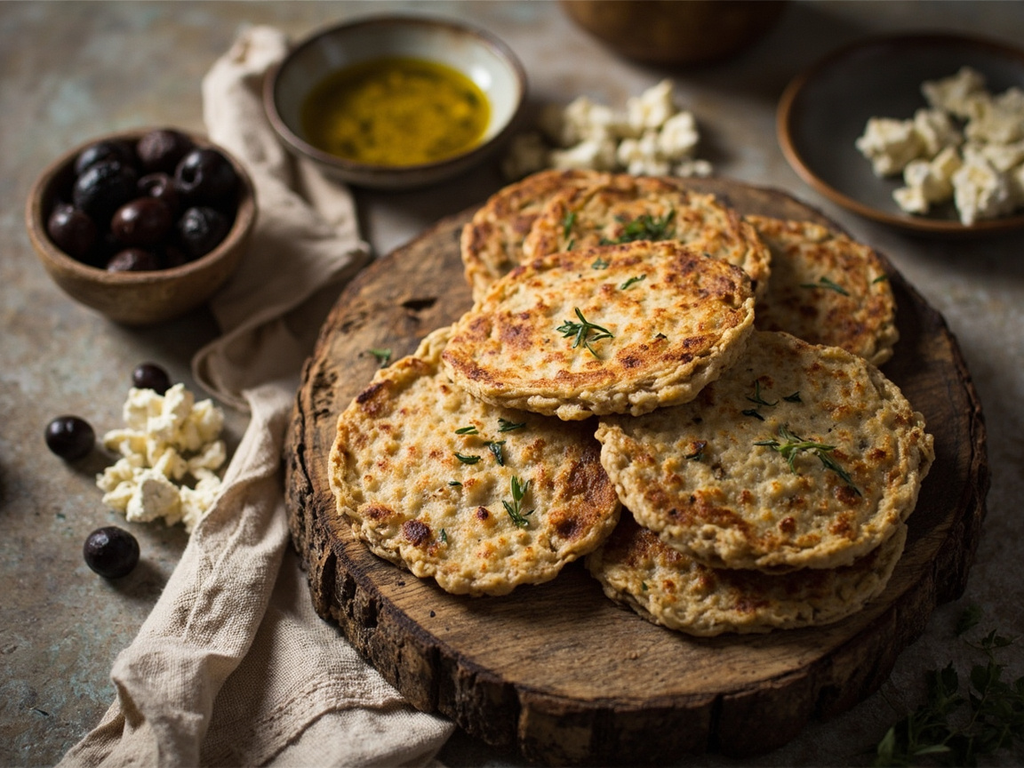
A dense barley cake, kneaded with water and oil, served with crumbled fresh cheese and olives: the solid base of the Greek meal, food of the people and shepherds rather than oven-baked bread.
You seek the feast? It is not here, on the mountain. My Acis, my sweet shepherd, knew only *maza*: he toasted the barley, crushed it, kneaded it with a little water and oil in the hollow of his hand, and ate it with his cheese and three bitter olives from the orchard. It was little, and it was everything — and when he offered me half of it, seated by the river, no ambrosia from Olympus ever seemed sweeter to me.
- •Toasted barley flour (alphita) — two handfuls (grain base)
- •Water — as needed (binder)
- •Olive oil — a drizzle (fat)
- •Salt — a pinch (seasoning)
- •Fresh cheese — a piece (accompaniment)
- •Olives — a few (bitter accent)
Shepherd's Maza, Barley Cake with Cheese and Olives
A dense barley cake, kneaded with water and oil, served with crumbled fresh cheese and olives: the solid base of the Greek meal, food of the people and shepherds rather than oven-baked bread.
Why this dish? Acis, Galatea's love, was a Sicilian shepherd on the slopes of Etna. His everyday food was *maza*: the barley cake kneaded without elaborate cooking, eaten with a little cheese and a few olives. It is the humble meal he may have shared with the Nereid, far from banquets.
You seek the feast? It is not here, on the mountain. My Acis, my sweet shepherd, knew only *maza*: he toasted the barley, crushed it, kneaded it with a little water and oil in the hollow of his hand, and ate it with his cheese and three bitter olives from the orchard. It was little, and it was everything — and when he offered me half of it, seated by the river, no ambrosia from Olympus ever seemed sweeter to me.
Ingredients (period version)
- Toasted barley flour (alphita) — two handfuls (grain base)
- Water — as needed (binder)
- Olive oil — a drizzle (fat)
- Salt — a pinch (seasoning)
- Fresh cheese — a piece (accompaniment)
- Olives — a few (bitter accent)
Ingredients
- Barley flour (or blended barley flakes) — 150 g (base)
- Warm water — 80 to 100 ml (binder)
- Olive oil — 2 tbsp (fat)
- Salt — 1/2 tsp (seasoning)
- Fresh sheep's cheese — 100 g (accompaniment)
- Black olives — about ten (bitter accent)
Method
- If possible, lightly toast the barley flour in a dry pan to awaken its flavor, then let cool.
- Mix the barley flour, salt, oil, and warm water to form a supple but firm dough.
- Shape small flat cakes by hand and let rest for 10 minutes.
- Sear them for a few minutes on a hot griddle or lightly oiled pan, just to firm them up.
- Serve with crumbled fresh cheese and olives, drizzled with olive oil.
How it was made : *Maza*, the barley cake, was the staple food of the ordinary Greek, far more common than oven-baked wheat bread. It was made from toasted then ground barley (*alphita*), kneaded with water, sometimes oil, milk, or honey, and often eaten without actual cooking. Shepherds and peasants ate it with cheese, olives, or onions.
The contemporary twist : Served as mini cakes for an appetizer, topped with a nugget of cheese and an olive, like a 'shepherd's amuse-bouche' to share.
Sources : Athenaeus of Naucratis, Deipnosophists (maza and alphita) · Theocritus, Idylls (Sicilian pastoral life)
Galatea · Charactorium