 flip
flipBarley Flatbread Baked on the Hearth
Barley Flatbread Baked on the Hearth
Why this dish? This is the daily bread in Uruk, from slaves to the king. When Enkidu, the wild man, becomes human in the epic, it is by learning to eat bread and drink beer: this barley flatbread is literally the food that separates the beast from the civilized man over whom Gilgamesh ruled.
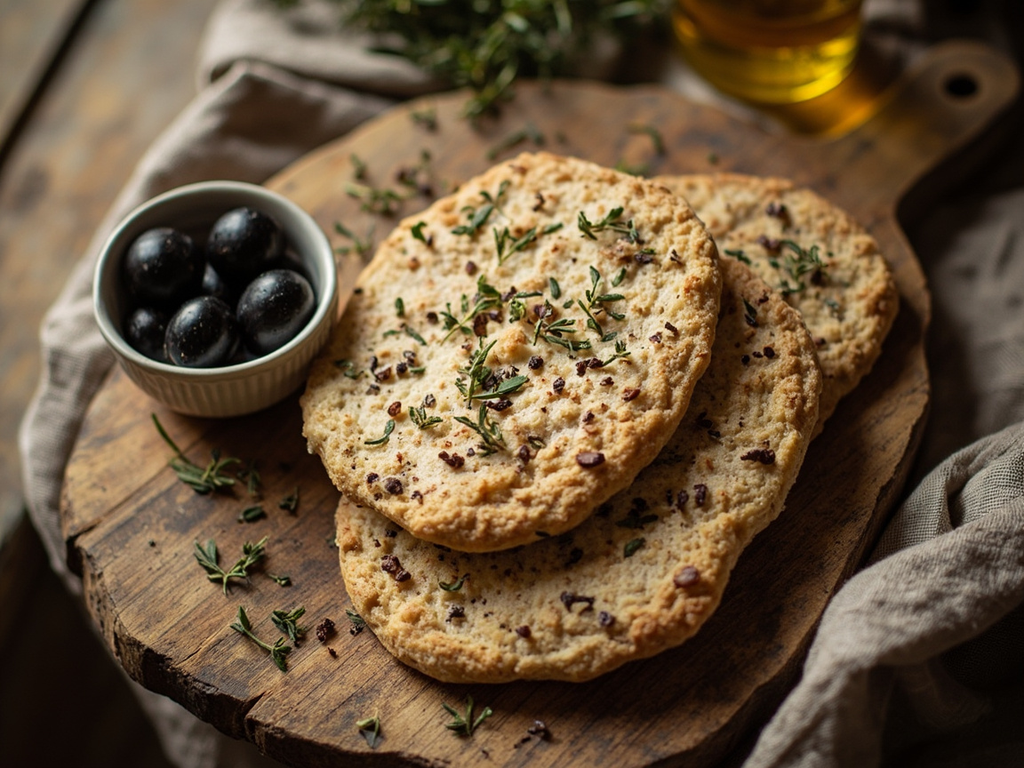
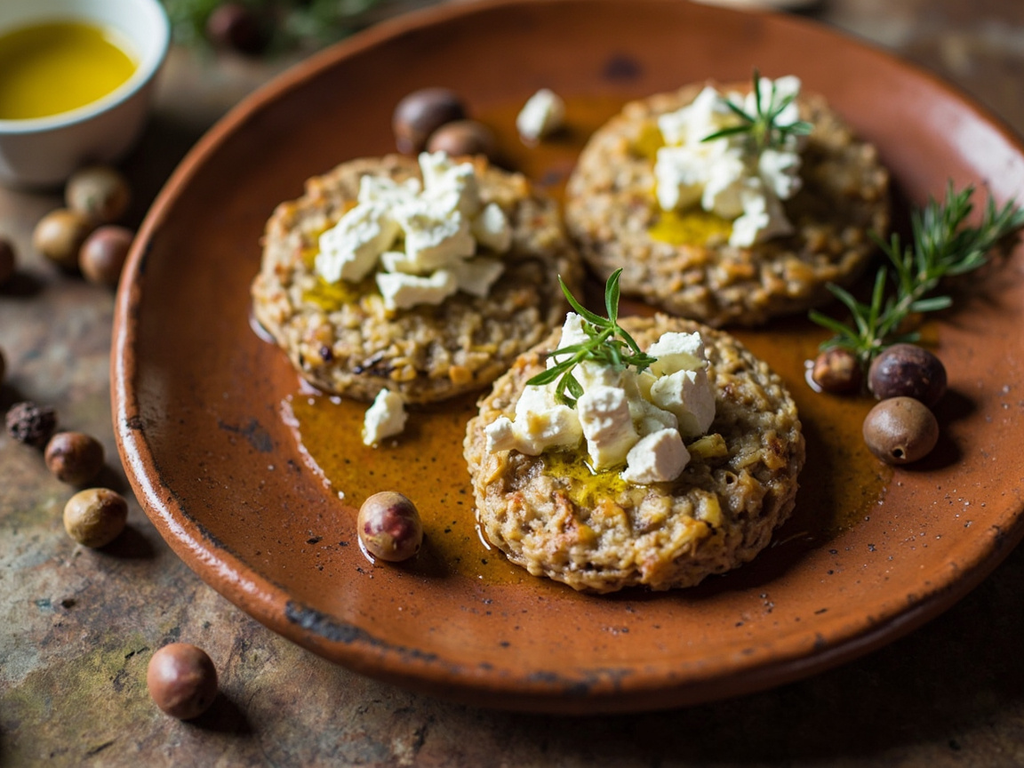
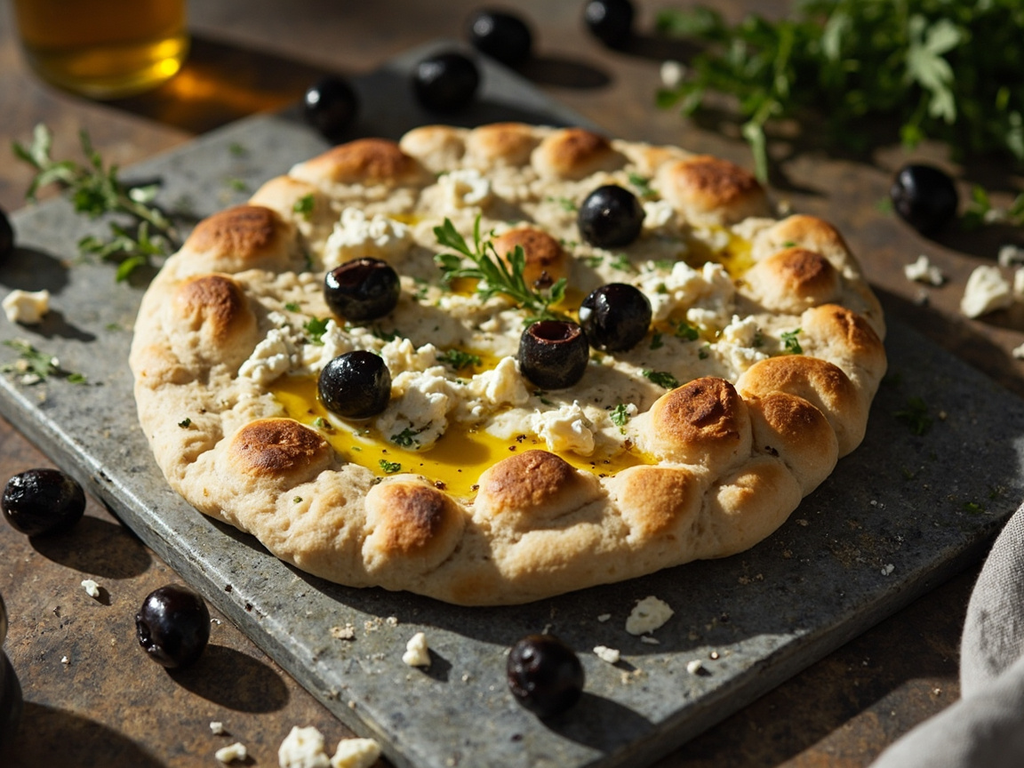
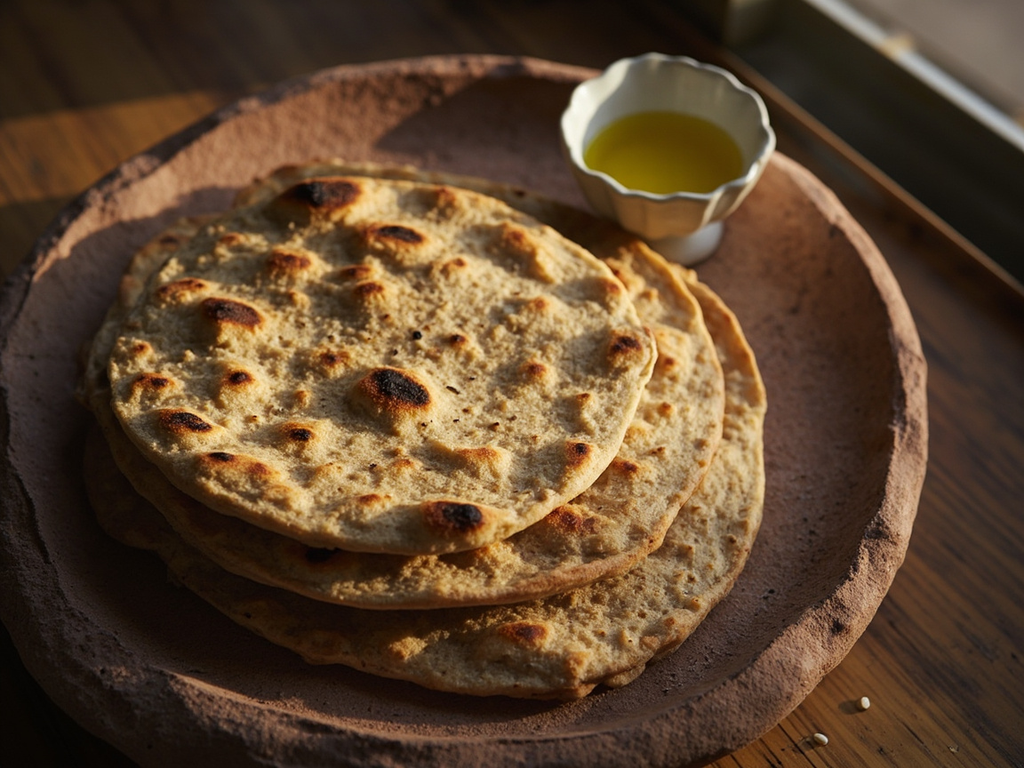
A dense flatbread of crushed barley, barely leavened, baked directly on the hot wall of a clay oven or on a stone. Rustic taste, slightly bitter, made for dipping in stews and accompanying beer.
I, Gilgamesh, who have seen the Abyss and built the walls of Uruk, tell you this: before being a king, man is the one who breaks bread. My friend Enkidu ran naked with the gazelles; they placed this barley bread in his hands, and he became my brother. Take barley flour, moisten it with water and a little salt, crush it under your palm, and slap the flatbread against the burning wall of the tannur. When it detaches itself, it is ready — break it, never cut it with a knife.
- •Freshly ground barley flour — two handfuls per diner (base)
- •River water — as needed (binding)
- •Salt — a pinch (seasoning)
- •Yesterday's sourdough (optional) — a little (light fermentation)
Barley Flatbread Baked on the Hearth
A dense flatbread of crushed barley, barely leavened, baked directly on the hot wall of a clay oven or on a stone. Rustic taste, slightly bitter, made for dipping in stews and accompanying beer.
Why this dish? This is the daily bread in Uruk, from slaves to the king. When Enkidu, the wild man, becomes human in the epic, it is by learning to eat bread and drink beer: this barley flatbread is literally the food that separates the beast from the civilized man over whom Gilgamesh ruled.
I, Gilgamesh, who have seen the Abyss and built the walls of Uruk, tell you this: before being a king, man is the one who breaks bread. My friend Enkidu ran naked with the gazelles; they placed this barley bread in his hands, and he became my brother. Take barley flour, moisten it with water and a little salt, crush it under your palm, and slap the flatbread against the burning wall of the tannur. When it detaches itself, it is ready — break it, never cut it with a knife.
Ingredients (period version)
- Freshly ground barley flour — two handfuls per diner (base)
- River water — as needed (binding)
- Salt — a pinch (seasoning)
- Yesterday's sourdough (optional) — a little (light fermentation)
Ingredients
- Barley flour — 250 g (base)
- Warm water — 150 ml (binding)
- Salt — 1 tsp (seasoning)
- Sourdough or yeast (optional) — 1 tsp (lightness)
- Sesame oil — 1 tbsp (dough suppleness)
Method
- Mix barley flour, salt, and warm water until a soft, non-sticky dough forms. Add the sourdough if a slightly airier bread is desired, and let rest for 1 hour.
- Divide into small balls and flatten by hand into 5 mm thick flatbreads.
- Heat a cast-iron plate, pizza stone, or thick pan strongly, without fat.
- Cook each flatbread for 2-3 minutes per side, until it puffs slightly and develops brown spots.
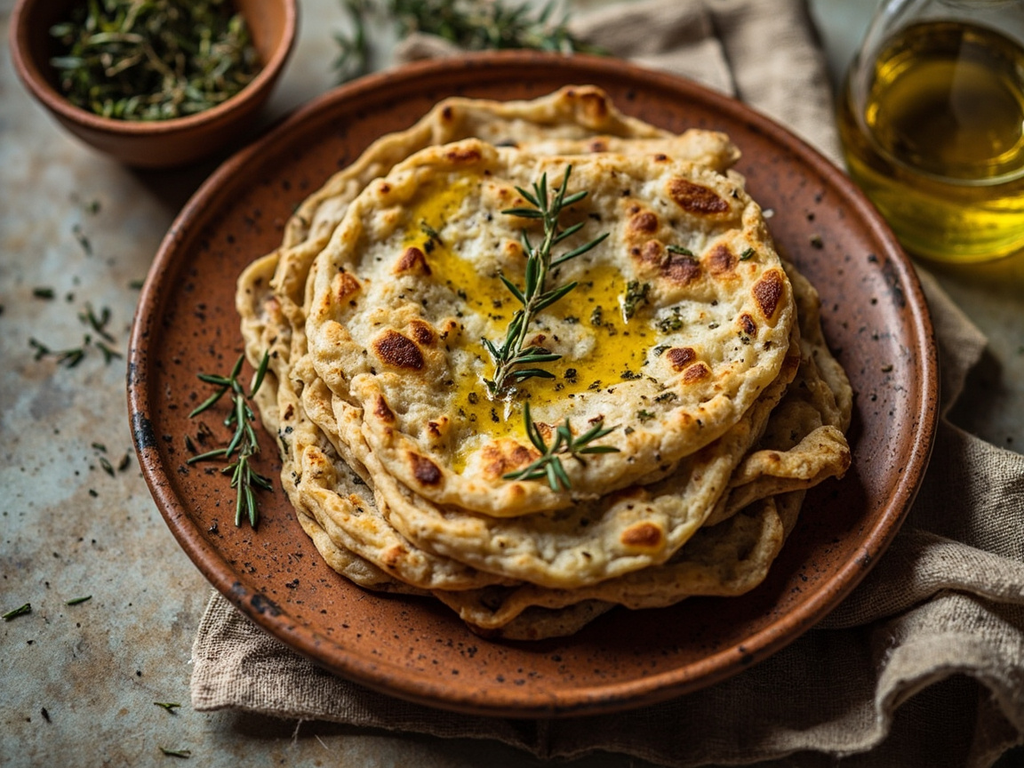
- Stack under a cloth to keep them soft. Serve warm for dipping in stews.
How it was made : Barley was the queen cereal of Sumer (wheat, rarer, tolerated the salty soil of lower Mesopotamia poorly). It was ground on a stone saddle quern, and the bread was baked in the tannur, a beehive-shaped clay oven still used in the Near East. Slightly leavened, this bread was dense and nourishing.
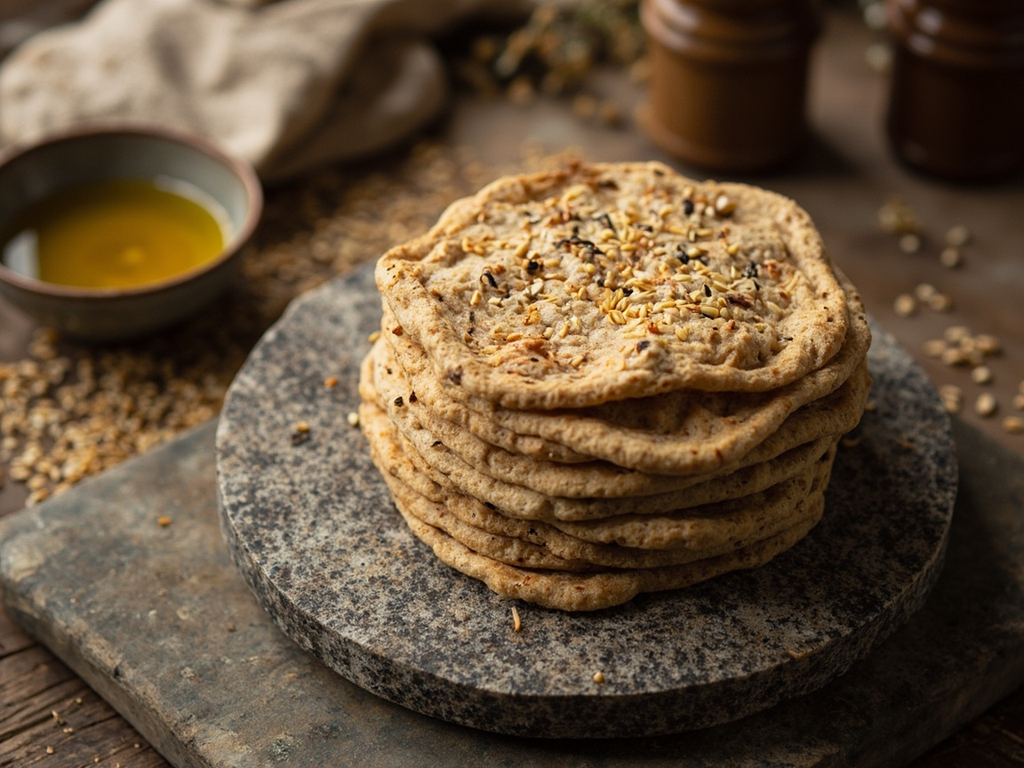
The contemporary twist : Serve as mini warm flatbreads with a drizzle of sesame oil and seeds, sharing-board style — the very first 'bread for dipping' in history.
Sources : Jean Bottéro, The Oldest Cuisine in the World: Cooking in Mesopotamia, University of Chicago Press, 2004 · M. Civil, A Hymn to the Beer Goddess and a Drinking Song, 1964
Gilgamesh · Charactorium