 flip
flipMedovina — Mead from the Monastery Beehives
Medovina — Mead from the Monastery Beehives
Why this dish? In the last years of his life, Abbot Mendel became passionate about beekeeping and kept an apiary at the monastery, hoping to find in bees the laws of heredity he had read in peas. The honey from his hives, transformed into mead — an ancient Central European drink — directly connects the scientist to this final buzzing passion.
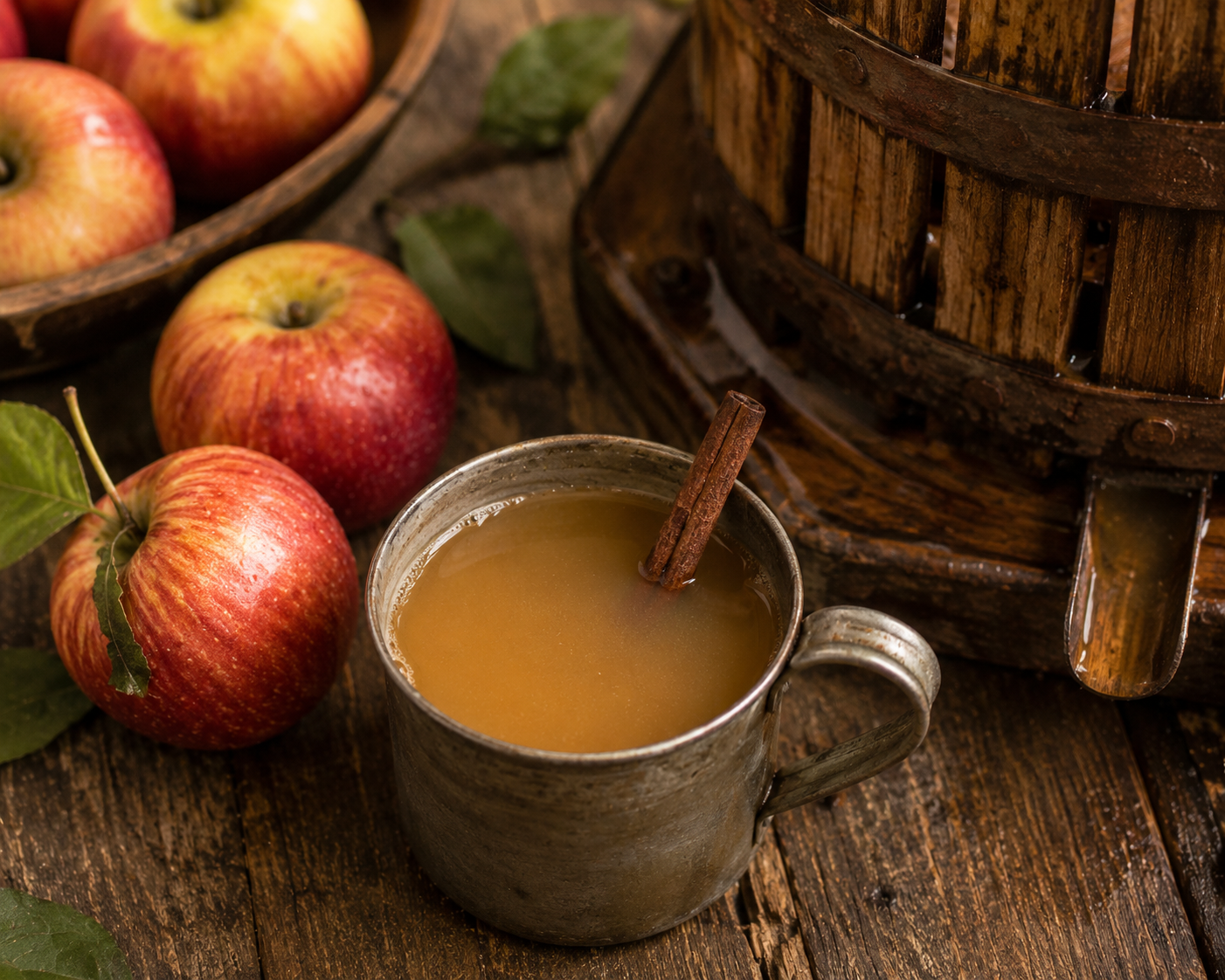
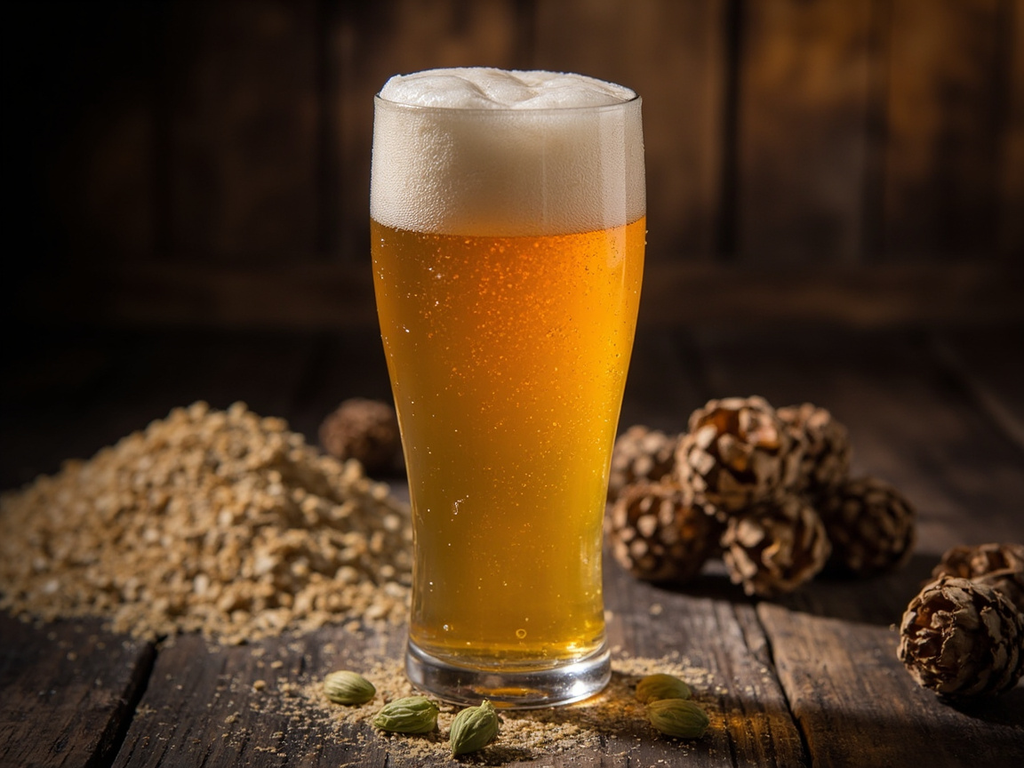
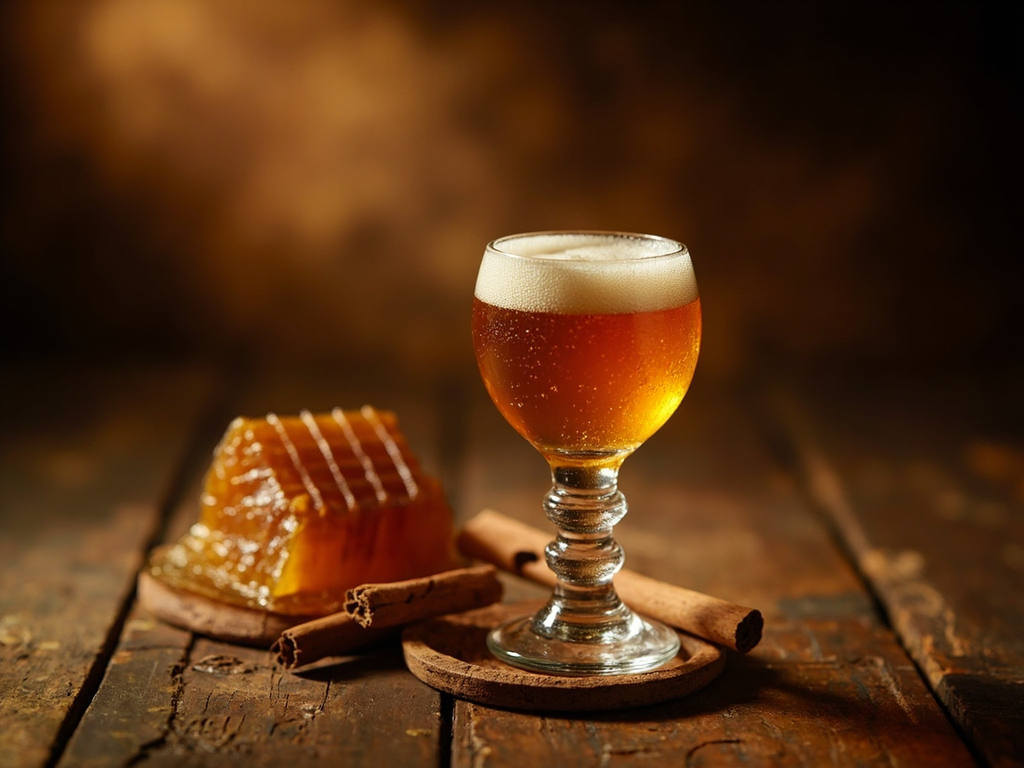
A golden mead, fermented from the honey of the hives, perfumed with sweet spices and a hint of citrus zest. A celebratory drink, both sweet and winey, served warm in winter or cool in summer.
In my old age, after the peas, it was the bees that held my attention — little workers whose heredity I hoped to read. Their honey, I entrust to water and time: a few weeks of patience, and the liquor ferments of its own accord, as all living things obey hidden laws. A hint of clove, a zest, and here is something to warm the brothers at winter feasts. Drink it in moderation, I pray — the monk recommends temperance, even before the fruit of his own hives.
- •Honey from the hives — a good portion (fermentable sugar)
- •Spring water — three times the honey (liquid)
- •Clove, cinnamon — a few (spices)
- •Lemon zest — one (freshness)
- •Natural yeast (lees, sourdough) — a little (ferment)
Medovina — Mead from the Monastery Beehives
A golden mead, fermented from the honey of the hives, perfumed with sweet spices and a hint of citrus zest. A celebratory drink, both sweet and winey, served warm in winter or cool in summer.
Why this dish? In the last years of his life, Abbot Mendel became passionate about beekeeping and kept an apiary at the monastery, hoping to find in bees the laws of heredity he had read in peas. The honey from his hives, transformed into mead — an ancient Central European drink — directly connects the scientist to this final buzzing passion.
In my old age, after the peas, it was the bees that held my attention — little workers whose heredity I hoped to read. Their honey, I entrust to water and time: a few weeks of patience, and the liquor ferments of its own accord, as all living things obey hidden laws. A hint of clove, a zest, and here is something to warm the brothers at winter feasts. Drink it in moderation, I pray — the monk recommends temperance, even before the fruit of his own hives.
Ingredients (period version)
- Honey from the hives — a good portion (fermentable sugar)
- Spring water — three times the honey (liquid)
- Clove, cinnamon — a few (spices)
- Lemon zest — one (freshness)
- Natural yeast (lees, sourdough) — a little (ferment)
Ingredients
- Honey (preferably local) — 1 kg (fermentable sugar)
- Spring water — 3 L (liquid)
- Mead yeast or wine yeast — 1 packet (ferment)
- Cloves — 2 (spice)
- Cinnamon stick — 1 (spice)
- Untreated lemon zest — 1 (freshness)
Method
- Warm the water (do not boil) and dissolve the honey to make a homogeneous must; let cool to room temperature.
- Add the spices and zest, then the rehydrated yeast, and pour into a clean container fitted with an airlock to allow gas to escape.
- Ferment away from light for 3 to 6 weeks, until the airlock stops bubbling.
- Carefully siphon the clear liquid, leaving the lees at the bottom, and filter.
- Bottle and let age in a cool place for a few weeks to mellow.
- Serve chilled in summer, or gently warmed with a spice in winter (never boil).
How it was made : Mead is one of the oldest fermented drinks in Europe; in monasteries, rich in hives for candle wax, surplus honey was readily turned into drink. Fermentation happened spontaneously or with wild yeasts, in large barrels, over several weeks.
The contemporary twist : Serve in a small liqueur glass with a fine ribbon of lemon zest and a touch of flower pollen in homage to the abbot's bees.
Gregor Mendel · Charactorium